TigerGraph
ResourcesPathfinderDiscord(opens in a new tab)
Resources

Everything, In One Wall

Videos, courses, hands-on tutorials, docs, and blog posts. One place for every phase of learning.

TigerGraph
ResourcesPathfinderDiscord(opens in a new tab)

© 2026 Tiger Graph Dev Hub. All rights reserved.

  • Privacy Policy|
  • Terms of Service

Applied · 3

Clear all
  • Article
  • Concept
  • #Graph machine learning

Levels

  • All Resources
  • Beginner
  • Intermediate
  • Advanced

Categories

  • Videos514
  • Docs644
  • Glossary50
  • Blog posts222

Assets

  • Definition36
  • Tutorial113
  • How-to guide319
  • Reference312

Tags

  • #Fraud and AML
  • #Entity resolution
  • #Recommendations
  • #GraphRAG and AI
  • #Graph machine learning
  • #Search
  • #Network analysis
  • #Performance and scale
  • #Running TigerGraph
  • #Evaluating graph

12 resources

NewestOldest
3 Col Grid2 Col GridList
Concept
BeginnerConceptApr 10, 2026

Propagation in Graphs

Propagation in graphs refers to the process of spreading status information, entity descriptions, computed values, or other data across connected entities within a network. In a graph, data is represented using nodes and edges. Nodes represent entities such as people, accounts, devices, or products. Edges represent the relationships connecting those
Code & samples
126
  • Graph Resources52
  • Concept
    109
  • Troubleshooting12
  • Security advisory4
  • Runbook
  • Article173
  • Case study26
  • Talk298
  • Release note24
  • Demo114
  • Webinar12
  • Event12
  • Report24
  • Discover
    ArticleApr 8, 2026

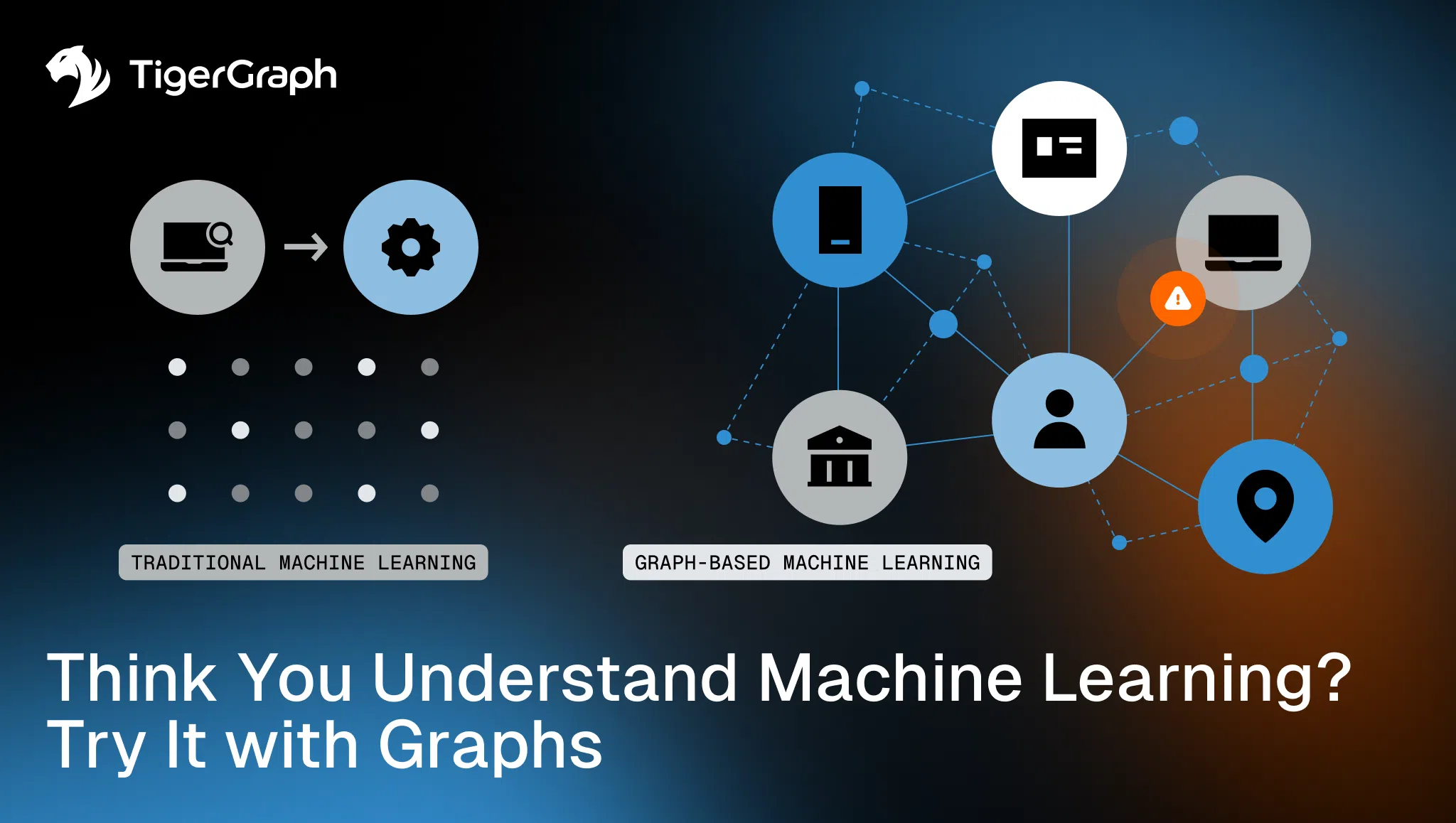
    Think You Understand Machine Learning? Try it with Graphs

    Most enterprise teams believe they are already doing machine learning well. They have models, feature pipelines, training data, and evaluation metrics. But there is a harder question. Are those models learning from relationships or just rows? Most machine learning pipelines are built on tabular assumptions, with

    Discover
    Concept
    ConceptDec 12, 2025

    Graph Data Science

    Graph data science involves using graph algorithms, statistical techniques, and machine learning workflows to analyze data modeled as interconnected nodes and edges. Unlike flat tables, where rows are treated independently, graphs capture the structure of the domain itself—what entities exist, how they interact, and what those interactions mean. This form

    Discover
    IntermediateArticleJul 22, 2025

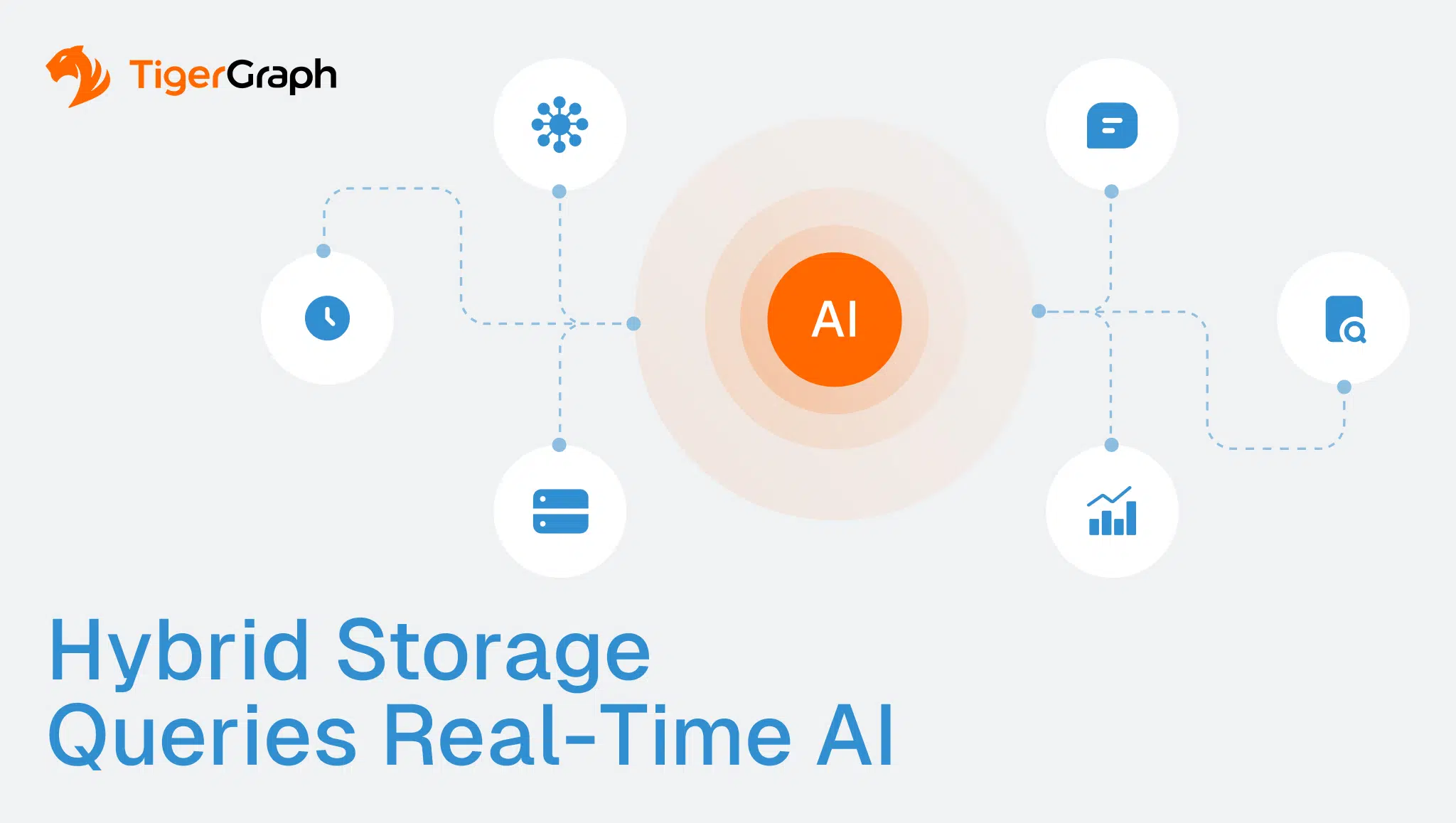
    How Hybrid Storage and Queries Power Real-Time AI

    “Fast” isn’t enough. In today’s enterprise environment, real-time AI doesn’t just mean low-latency—it means delivering the right answer based on what’s happening right now. That includes knowing what matters, who’s involved, and how one event might trigger another across your systems. This level of intelligence requires data

    Discover
    BeginnerArticleJun 13, 2025

    Scaling Trust & Detecting Outliers with Graph Neural Networks

    Our world is increasingly fueled by AI-driven decision-making, so trustworthy data is non-negotiable. When algorithms determine who gets a loan, who passes a fraud screening, or which transactions are flagged for investigation, organizations must trust that these decisions are not only accurate but also explainable and

    Discover
    BeginnerArticleJun 7, 2025

    How Graph Neural Networks (GNN) Outperform Traditional Machine Learning

    Traditional machine learning can tell you a lot but not everything, and especially not when the relationships between your data points are where the real intelligence lives. And this is a big problem. Graph Neural Networks (GNNs) fundamentally change how we think about machine learning by

    Discover
    Concept
    BeginnerConceptApr 18, 2025

    Graph Machine Learning

    Graph machine learning is a class of machine learning techniques designed specifically to learn from graph-structured data. Unlike traditional ML approaches that treat each data point as independent and flat (like a row in a table), GML captures individual entities’ attributes and the relationships between them. This allows it to

    Discover
    BeginnerArticleMar 18, 2025

    Unleashing AI’s Potential: Why Graph Databases are the Secret Weapon

    Artificial intelligence is rapidly transforming industries, but its biggest challenge remains: understanding relationships within data at scale. Traditional databases fall short, but graph databases, especially TigerGraph, bridge this gap, unlocking AI’s full potential Graph Databases: The Foundation for Smarter AI Traditional d

    Discover
    AdvancedArticleMar 26, 2024

    Enhanced Data Analytics: Integrating NVIDIA Rapids cuGraph with TigerGraph

    In the rapidly evolving landscape of data analytics and artificial intelligence (AI), the recent talk by Dan McCreary, Head of AI at TigerGraph, at the NVIDIA GTC event stands out as a significant milestone. His presentation, titled “Enhanced Data Analytics: Integrating NVIDIA Rapids cuGraph with TigerGraph,” shed light on the critical importance of graph databases

    Discover
    ArticleSep 5, 2023

    Reduce AML Investigation Costs with TigerGraph

    by Parker Erickson and Victor Lee Anti-Money Laundering (AML) refers to the set of laws, regulations, and procedures aimed at preventing and detecting money laundering – the concealment of illegally obtained funds, through the creative use of transactions. A common money laundering pattern called “layering” uses a mesh of mostly ordinary-looking transactions among colluding businesses

    Discover
    Concept
    IntermediateConceptv3.10

    TigerGraph Graph Data Science Library

    TigerGraph In-Database Graph Data Science (GDS) Library is a collection of more than 50 ready-to-use GSQL queries, each of which implements a standard graph or machine learning algorithm. #

    Discover
    Concept
    BeginnerConceptv3.10

    Node Embedding Algorithms

    Node embeddings are vector representations of properties of vertices in a graph. These vectors can be used for machine learning. The TigerGraph Graph Data Science Library provides the following node embedd

    Discover