TigerGraph
ResourcesPathfinderDiscord(opens in a new tab)
Resources

Everything, In One Wall

Videos, courses, hands-on tutorials, docs, and blog posts. One place for every phase of learning.

TigerGraph
ResourcesPathfinderDiscord(opens in a new tab)

© 2026 Tiger Graph Dev Hub. All rights reserved.

  • Privacy Policy|
  • Terms of Service

Applied · 3

Clear all
  • Concept
  • #Performance and scale
  • #Recommendations

Levels

  • All Resources
  • Beginner
  • Intermediate
  • Advanced

Categories

  • Videos514
  • Docs644
  • Glossary50
  • Blog posts222

Assets

  • Definition36
  • Tutorial113
  • How-to guide319
  • Reference312

Tags

  • #Fraud and AML
  • #Entity resolution
  • #Recommendations
  • #GraphRAG and AI
  • #Graph machine learning
  • #Search
  • #Network analysis
  • #Performance and scale
  • #Running TigerGraph
  • #Evaluating graph

27 resources · page 1 of 3

NewestOldest
3 Col Grid2 Col GridList
Concept
BeginnerConceptApr 10, 2026

Propagation in Graphs

Code & samples
126
  • Graph Resources52
  • Concept
    109
  • Troubleshooting12
  • Security advisory4
  • Runbook
  • Article173
  • Case study26
  • Talk298
  • Release note24
  • Demo114
  • Webinar12
  • Event12
  • Report24
  • Propagation in graphs refers to the process of spreading status information, entity descriptions, computed values, or other data across connected entities within a network. In a graph, data is represented using nodes and edges. Nodes represent entities such as people, accounts, devices, or products. Edges represent the relationships connecting those
    Discover
    BeginnerConceptJan 8, 2026

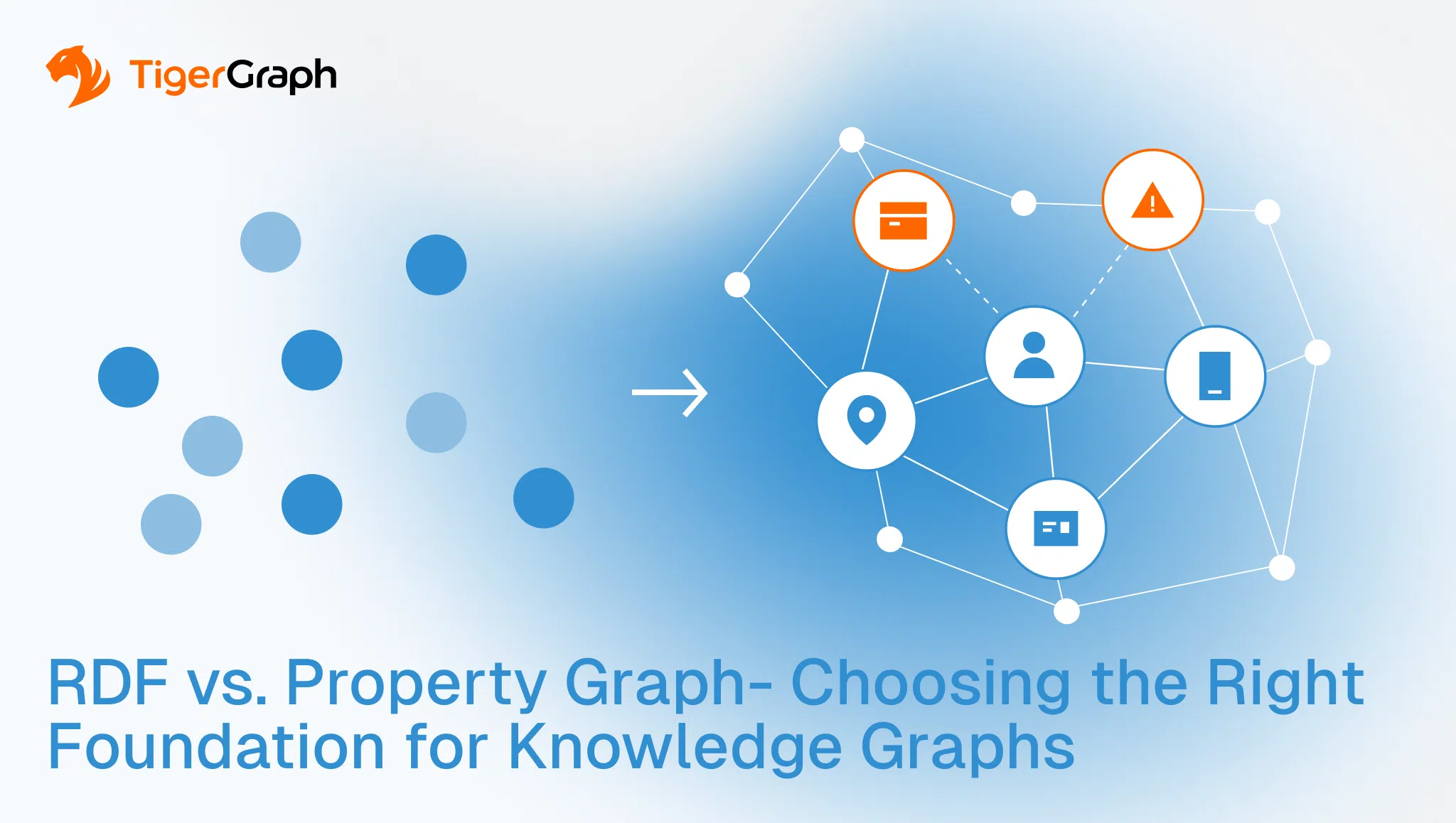
    RDF vs. Property Graph: Choosing the Right Foundation for Knowledge Graphs

    Every organization that builds a knowledge graph faces the same architectural crossroads at some point. Should the system use RDF for semantic precision, or a property graph for analytical performance? This choice determines so much, like how relationships are represented and how queries scale.

    Discover
    Concept
    ConceptDec 12, 2025

    Graph Data Science

    Graph data science involves using graph algorithms, statistical techniques, and machine learning workflows to analyze data modeled as interconnected nodes and edges. Unlike flat tables, where rows are treated independently, graphs capture the structure of the domain itself—what entities exist, how they interact, and what those interactions mean. This form

    Discover
    BeginnerConceptOct 22, 2025

    How Knowledge Graphs Reveal Meaning Hidden in Enterprise Data

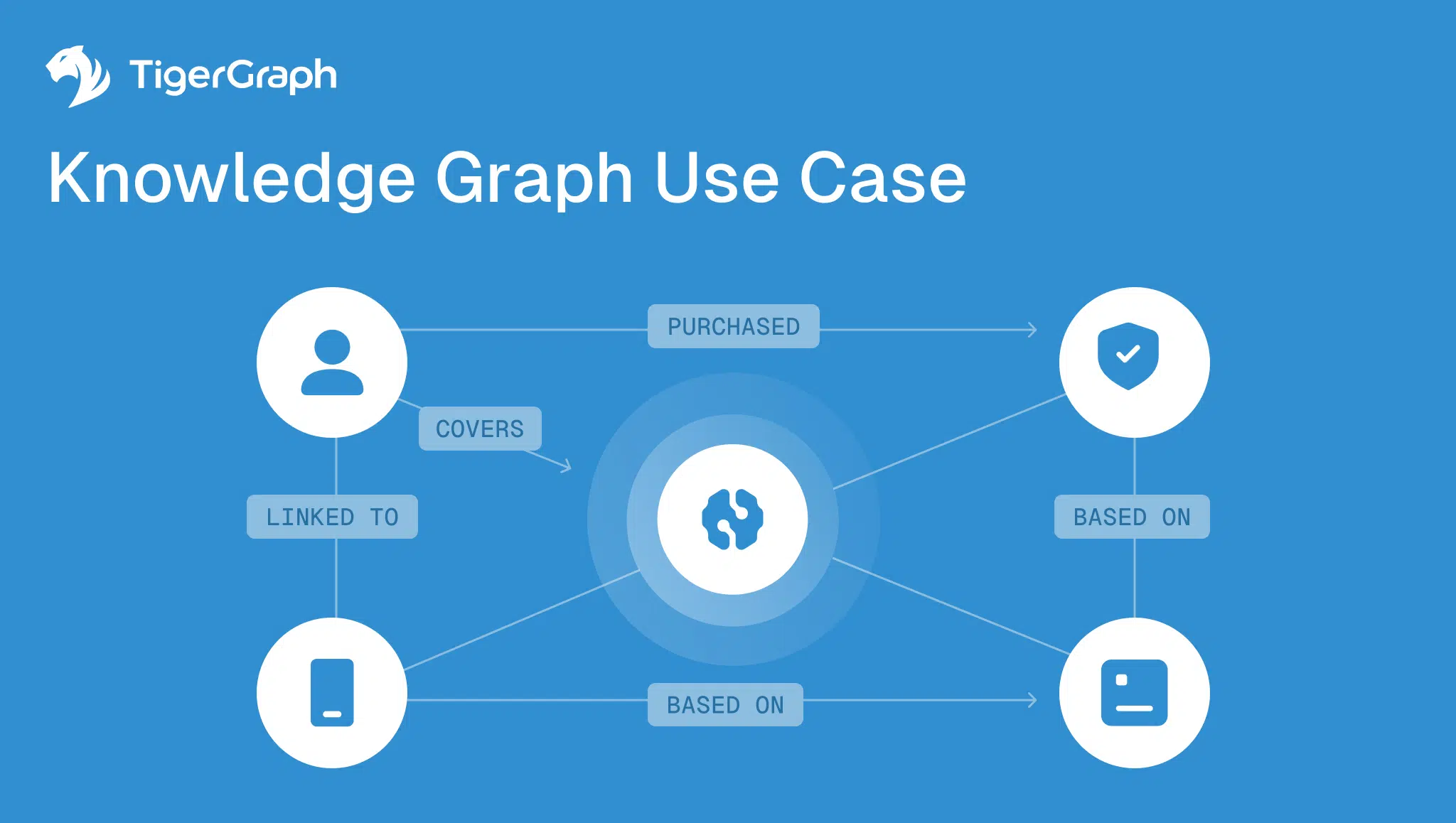
    Traditional analytics systems focus on isolated data points, but context gives information meaning. From customer insight to fraud detection, every decision depends on understanding relationships across systems. That’s why knowledge graph use cases are transforming enterprise data strategy. They connect people, processes, and events to

    Discover
    BeginnerConceptOct 20, 2025

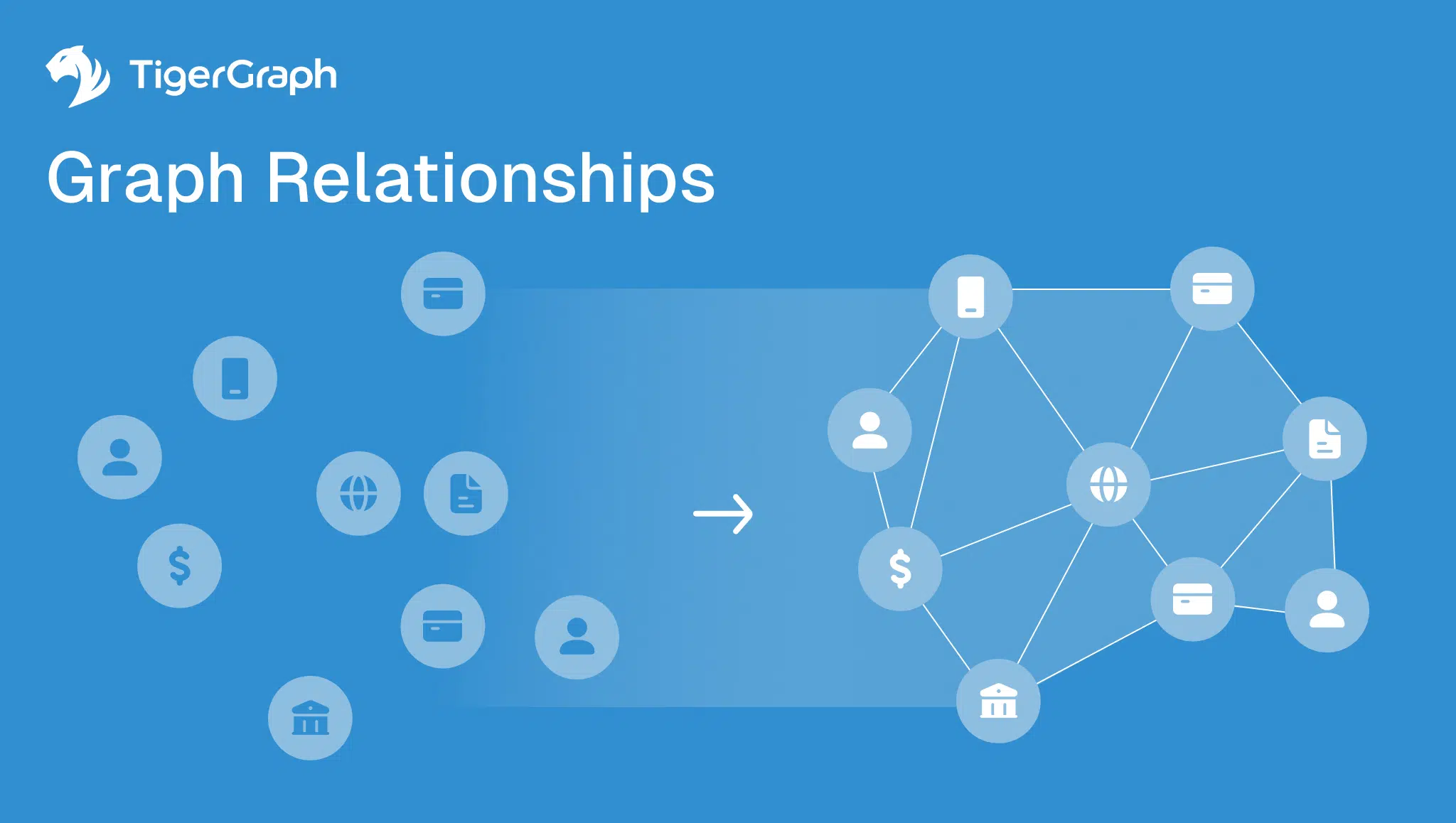
    The Power of Graph Relationships: Turning Isolated Data into Connected Insights

    Enterprises do not suffer from a lack of data, but they do suffer from data silos and a lack of connection. Context is lost. Adding relationships to the data solves this problem. Graph relationships map how people, accounts, devices, suppliers, and policies interact. And

    Discover
    AdvancedConceptOct 9, 2025

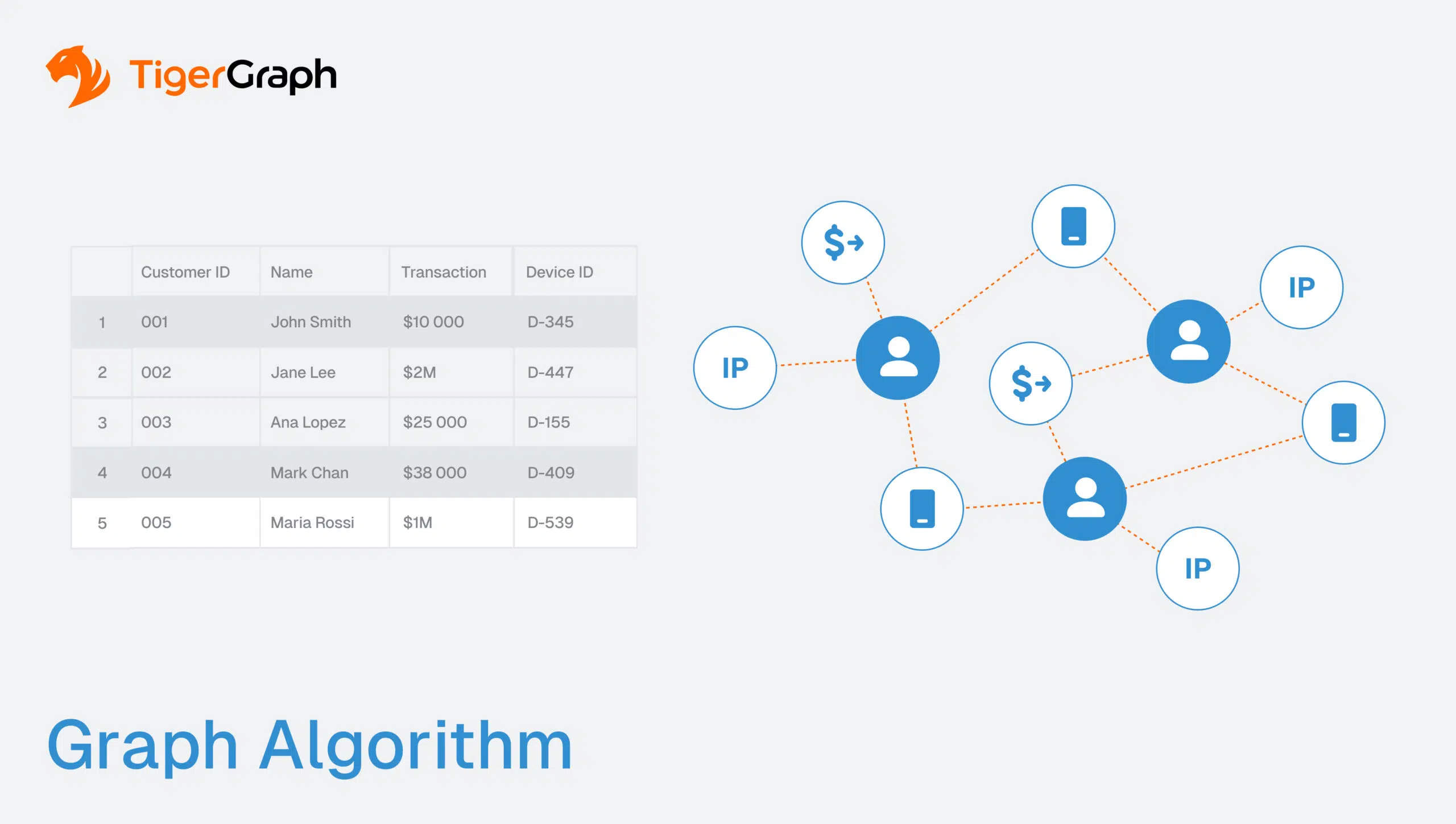
    Graph Algorithms: The Secret Engine Behind Faster, Smarter Business Growth

    Every enterprise has tons of data, but most struggle to use it in ways that drive strategy. Graph algorithms are the hidden engines that bring those dots to life, revealing how people, accounts, devices, or products interact. Instead of isolated records, they uncover the relationships

    Discover
    Concept
    BeginnerConceptSep 12, 2025

    Community Detection

    Community detection is a graph analytics technique used to uncover groups of nodes that are more closely connected to each other than to the rest of the network. Graph community detection, identifies structural clusters and the relationships that define them within large-scale data systems. These groups, whether they’re fraud rings, groups

    Discover
    Concept
    ConceptSep 12, 2025

    Graph Data Loading Performance

    Graph data loading performance measures how quickly a graph database can ingest, process, and prepare connected data for use. Unlike simple record inserts in relational systems, graph loading has to capture not only entities (nodes) but also the relationships (edges) that connect them. The performance of this process is

    Discover
    Concept
    ConceptSep 3, 2025

    Multimodal Graph Search

    Multimodal graph search is the ability to query and reason across many different types of data, including structured fields, free text, vector embeddings, images, and metadata—inside the same graph. Instead of limiting analysis to one lens, it brings multiple modalities together in a single query. That means you can ask

    Discover
    Concept
    BeginnerConceptAug 21, 2025

    Louvain Algorithm

    Why is the Louvain Algorithm Important? Community detection plays a crucial role in graph analytics, helping to uncover structures that are not visible in traditional tabular data. Whether you’re analyzing customer interactions, fraud networks, or protein interactions, discovering groups of tightly connected nodes can reveal everything from coordinated behavior to natural segmentation—and the Louv

    Discover
    Concept
    BeginnerConceptAug 12, 2025

    Connected Data

    Connected data is information that does not live in isolation. It describes how entities relate to each other. In practice, connecting data means modeling relationships between people, products, organizations, transactions, digital devices, and more to reveal context that flat records overlook. So, instead of looking at a person, transaction, or device

    Discover
    Concept
    ConceptAug 12, 2025

    Graph Database Performance

    Graph database performance describes how well a graph system handles its most critical tasks, including ingesting connected data, executing queries, navigating complex relationships, and running graph algorithms. It’s not just about raw speed. A high-performing graph database can respond quickly to real-world questions, scale as data grows, and stay reliable

    Discover
    123