TigerGraph
ResourcesPathfinderDiscord(opens in a new tab)
Resources

Everything, In One Wall

Videos, courses, hands-on tutorials, docs, and blog posts. One place for every phase of learning.

TigerGraph
ResourcesPathfinderDiscord(opens in a new tab)

© 2026 Tiger Graph Dev Hub. All rights reserved.

  • Privacy Policy|
  • Terms of Service

Applied · 5

Clear all
  • Beginner
  • Definition
  • Case study
  • Concept
  • Tutorial

Levels

  • All Resources
  • Beginner
  • Intermediate
  • Advanced

Categories

  • Videos514
  • Docs644

35 resources · page 1 of 3

NewestOldest
3 Col Grid2 Col GridList
Concept
BeginnerConceptApr 10, 2026

Propagation in Graphs

Glossary
50
  • Blog posts222
  • Code & samples126
  • Graph Resources52
  • Assets

    • Definition36
    • Tutorial113
    • How-to guide319
    • Reference312
    • Concept109
    • Troubleshooting12
    • Security advisory4
    • Runbook
    • Article173
    • Case study26
    • Talk298
    • Release note24
    • Demo114
    • Webinar12
    • Event12
    • Report24

    Tags

    • #Fraud and AML
    • #Entity resolution
    • #Recommendations
    • #GraphRAG and AI
    • #Graph machine learning
    • #Search
    • #Network analysis
    • #Performance and scale
    • #Running TigerGraph
    • #Evaluating graph

    Propagation in graphs refers to the process of spreading status information, entity descriptions, computed values, or other data across connected entities within a network. In a graph, data is represented using nodes and edges. Nodes represent entities such as people, accounts, devices, or products. Edges represent the relationships connecting those
    Discover
    Definition
    BeginnerDefinitionApr 10, 2026

    Shortest Path

    The shortest path is the most efficient way to travel from one point to another within a network. In graph theory, the shortest path in a graph refers to calculating the route between two nodes that minimizes total cost. A node represents a point, and edges connect those points. Each

    Discover
    Concept
    BeginnerConceptApr 10, 2026

    Accumulators

    Accumulators are shared data objects that can accept new data from multiple sources and produce an aggregate result based on all the contributions. In a graph algorithm, accumulators collect and combine information from many connected parts of the graph as it runs. In a graph, data is represented as nodes (entities such

    Discover
    Definition
    BeginnerDefinitionFeb 23, 2026

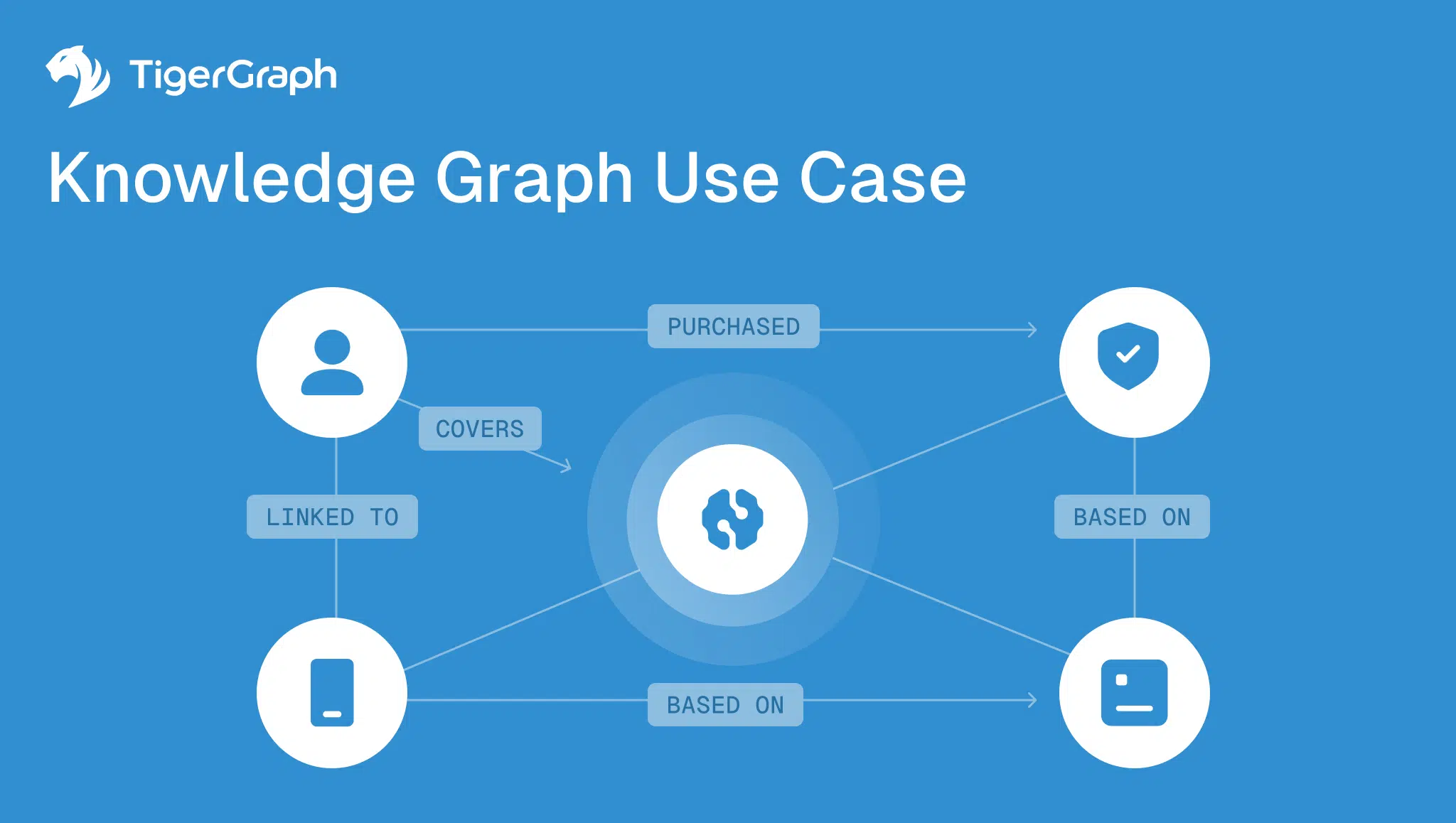
    Knowledge Graph

    A knowledge graph is a structured representation of entities and relationships that embodies context. It models real-world things such as people, accounts, devices, events, policies, products, and concepts as entities. It then captures how those entities connect so teams and systems interpret relationships consistently and appropriately across data sources. Teams

    Discover
    BeginnerDefinitionFeb 11, 2026

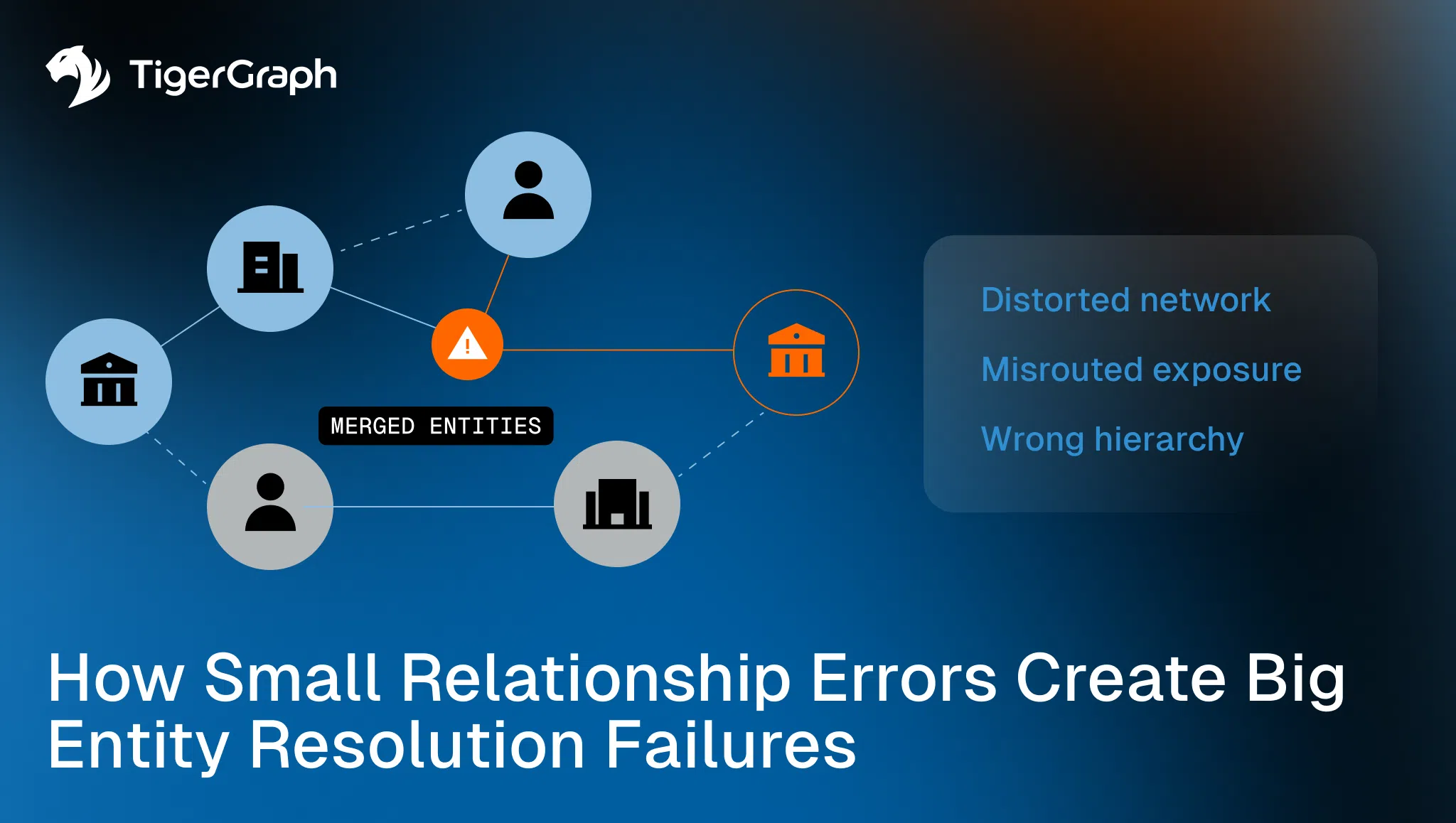
    How Small Relationship Errors Create Big Entity Resolution Failures

    Entity resolution is often discussed as a record-matching problem, with a focus on which records belong together and which do not. But many resolution failures have less to do with the records themselves and more to do with the relationships that connect them. In graph-based systems,

    Discover
    Definition
    BeginnerDefinitionJan 29, 2026

    Structured Data

    Structured data is information that is organized according to a predefined schema, with clearly defined fields, data types, and constraints. This structured data definition explains why structured systems are well-suited to consistency, validation and repeatable querying. When people ask what structured data is, they often know that it includes data stored

    Discover
    BeginnerConceptJan 8, 2026

    RDF vs. Property Graph: Choosing the Right Foundation for Knowledge Graphs

    Every organization that builds a knowledge graph faces the same architectural crossroads at some point. Should the system use RDF for semantic precision, or a property graph for analytical performance? This choice determines so much, like how relationships are represented and how queries scale.

    Discover
    BeginnerConceptOct 22, 2025

    How Knowledge Graphs Reveal Meaning Hidden in Enterprise Data

    Traditional analytics systems focus on isolated data points, but context gives information meaning. From customer insight to fraud detection, every decision depends on understanding relationships across systems. That’s why knowledge graph use cases are transforming enterprise data strategy. They connect people, processes, and events to

    Discover
    BeginnerConceptOct 20, 2025

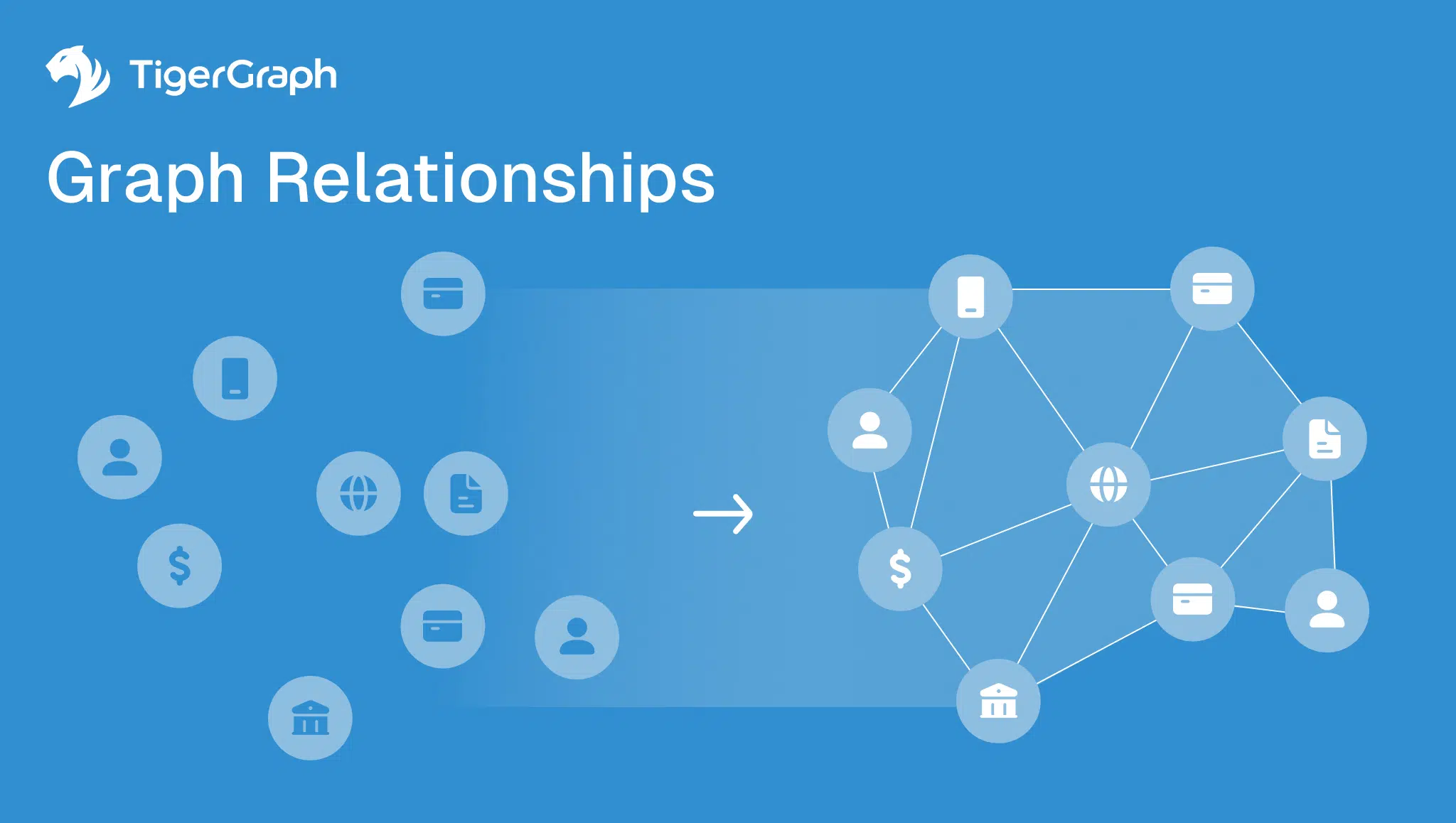
    The Power of Graph Relationships: Turning Isolated Data into Connected Insights

    Enterprises do not suffer from a lack of data, but they do suffer from data silos and a lack of connection. Context is lost. Adding relationships to the data solves this problem. Graph relationships map how people, accounts, devices, suppliers, and policies interact. And

    Discover
    Concept
    BeginnerConceptSep 19, 2025

    Contextual Reasoning in Graph AI

    Contextual reasoning in graph AI is the ability of an AI system to interpret data as part of a connected network of relationships. Instead of evaluating attributes in a vacuum, contextual reasoning analyzes how entities relate to one another. This lets you see more characteristics and influences, leading

    Discover
    Definition
    BeginnerDefinitionSep 18, 2025

    Graph Neural Network (GNN)

    A Graph Neural Network is a machine learning architecture that learns from graph-structured data. Instead of treating data as flat tables or grids, GNNs learn how entities (nodes) relate to each other by passing messages across connections (edges) and aggregating neighborhood information over multiple layers.

    Discover
    Concept
    BeginnerConceptSep 12, 2025

    Community Detection

    Community detection is a graph analytics technique used to uncover groups of nodes that are more closely connected to each other than to the rest of the network. Graph community detection, identifies structural clusters and the relationships that define them within large-scale data systems. These groups, whether they’re fraud rings, groups

    Discover
    123