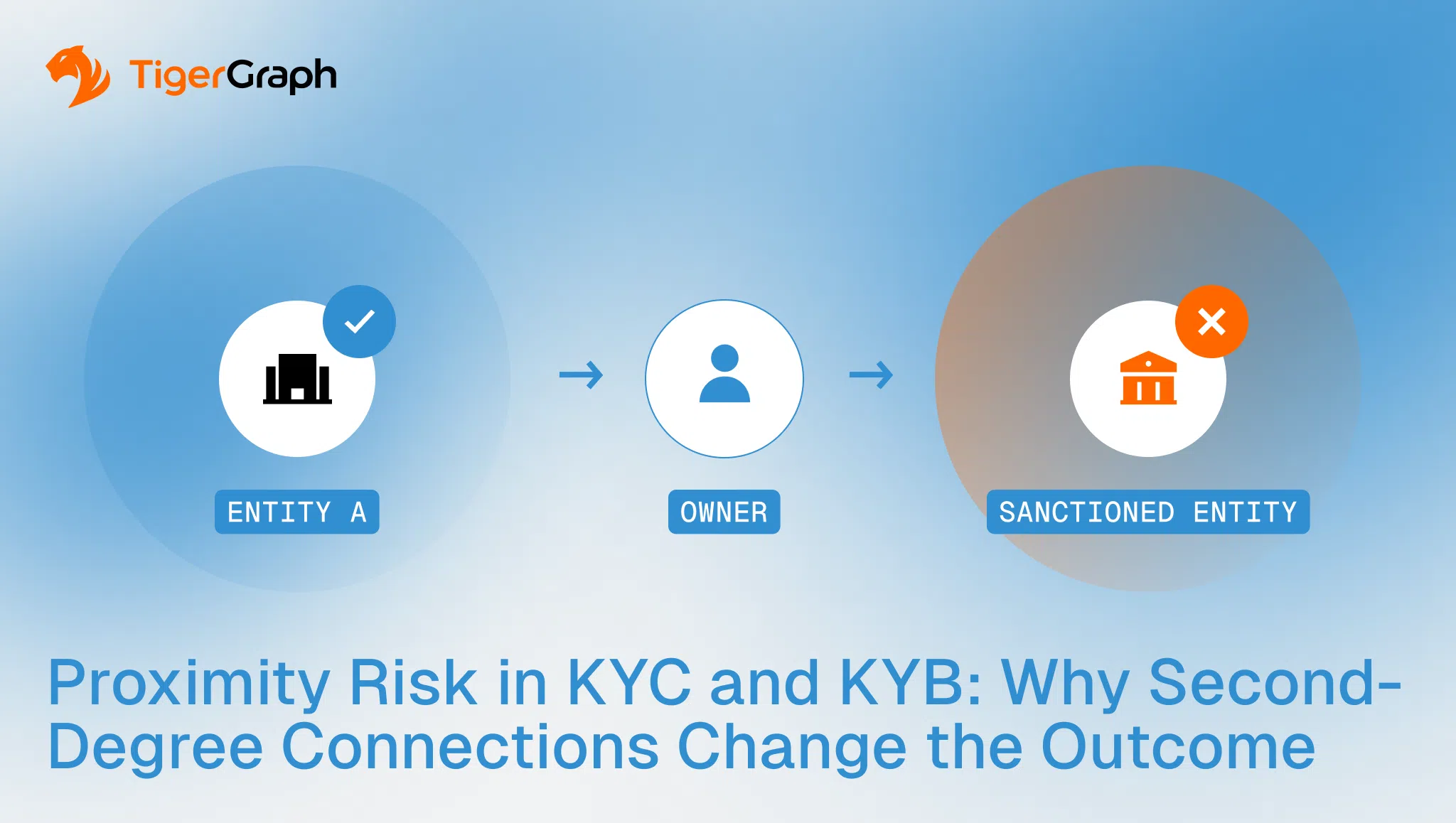
ConceptFeb 20, 2026Proximity Risk in KYC and KYB: Why Second-Degree Connections Change the OutcomeMost know-your-customer (KYC) and know-your-business (KYB) reviews focus on the entity being evaluated. The core question is straightforward. Does this customer, business or counterparty present unacceptable risk? That framing works when risk is contained within the entity itself. It becomes incomplete when relevantDiscover
Tutorial28 min · Feb 12, 2026Build Your First AI Ready Graph App in 30 Mins with TigerGraph SavannaMost AI and graph projects sound great on paper and then stall in setup, schema debates, or tooling sprawl. This webinar is different. Watch “Build Your First AI-Ready Graph App in 30 Minutes”, for a hands-on session using TigerGraph SavanDiscover
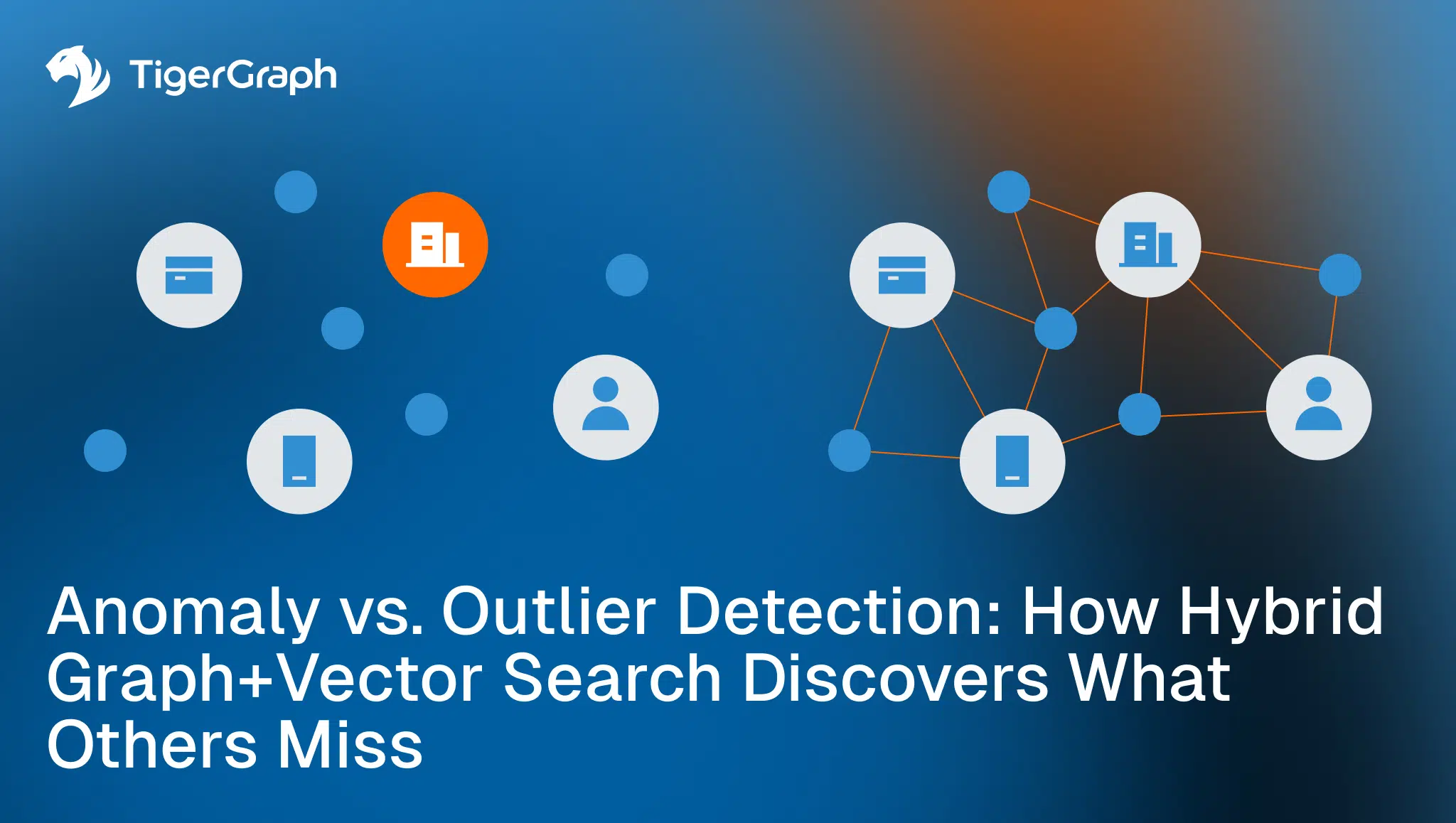
ConceptJan 28, 2026Anomaly vs. Outlier Detection: How Hybrid Graph+Vector Search Discovers What Others MissThe terms anomaly detection and outlier detection are often used interchangeably, but they represent two distinct strategies for identifying irregularities in data. Understanding the difference is foundational to building effective detection models, especially in critical areas like fraud prevention, cybersecuDiscover
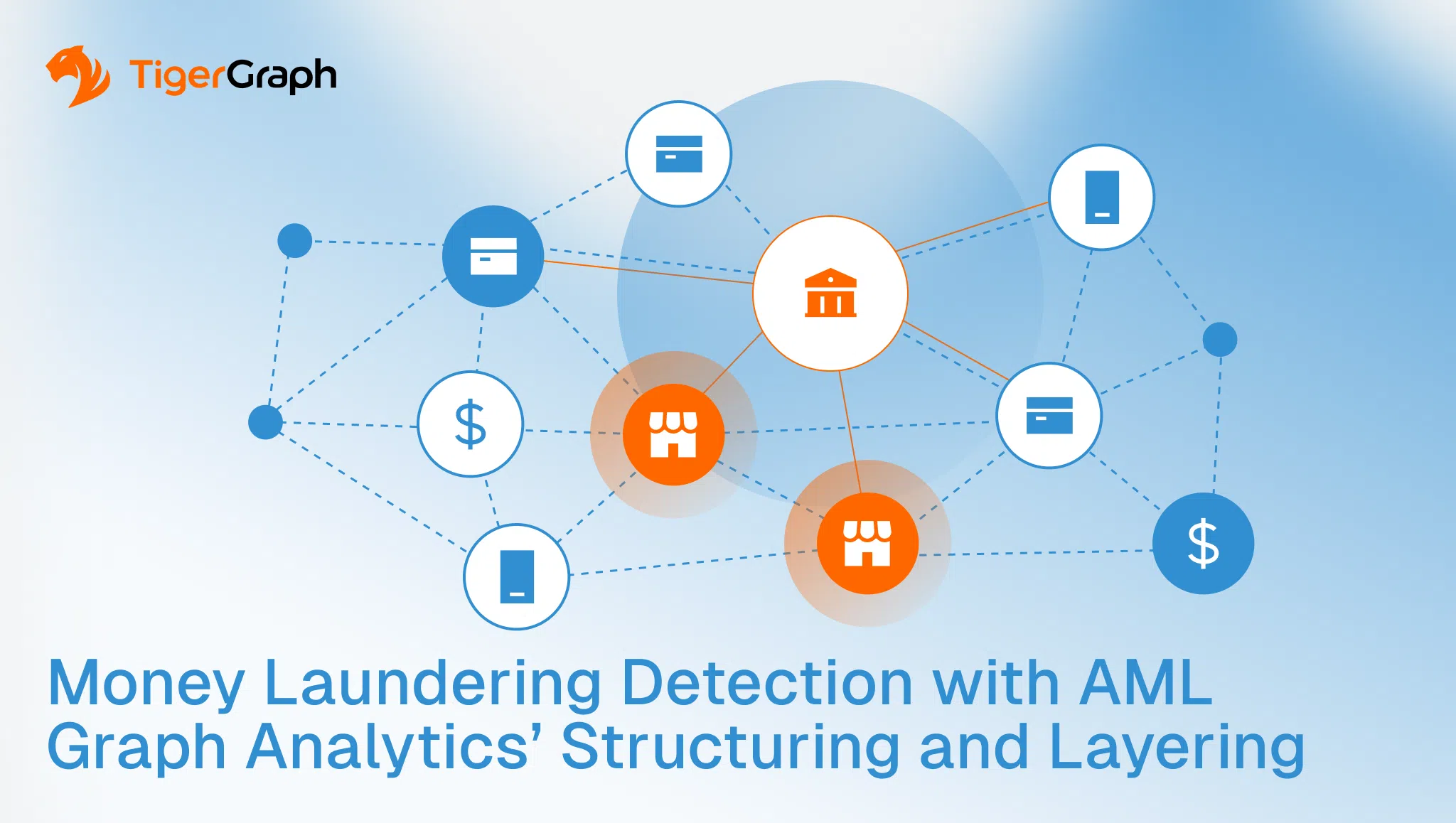
ConceptJan 22, 2026Money Laundering Detection with AML Graph Analytics’ Structuring and LayeringFunds move through accounts, intermediaries, shell companies and payment channels in ways designed to break the trail. Traditional transaction monitoring tools flag isolated events but miss suspicious activity patterns that are part of a bigger story and only make sense when you view related accounts,Discover
ReferenceJan 15, 2026A Buyer’s Guide to the Fraud Technology MarketFraud programs are not struggling because they lack tools. They are struggling because many tools do not share a consistent view of who is involved and how activity connects across systems. As a result, teams spend significant time rebuilding context manually before they can make a decision.Discover
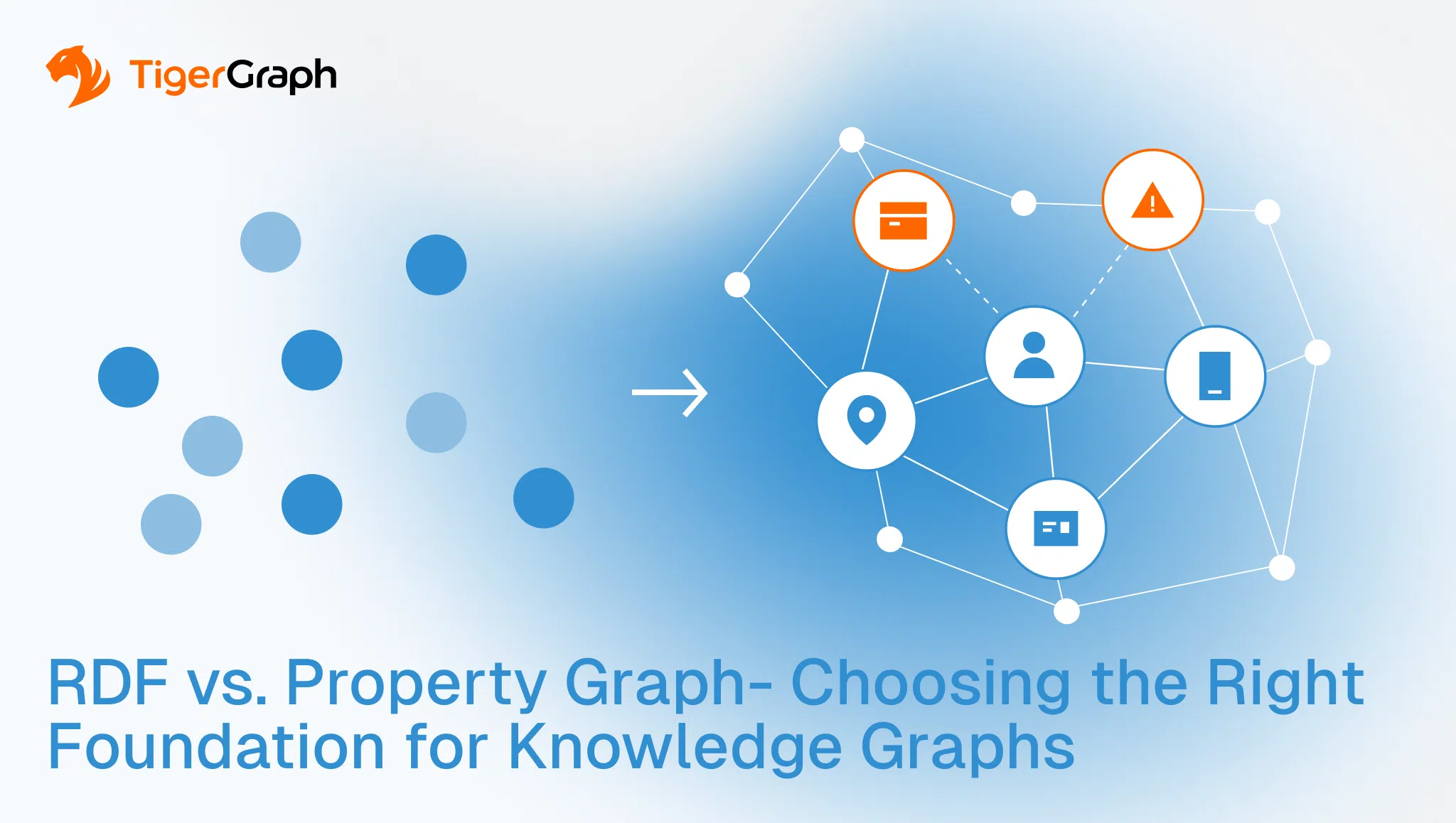
BeginnerConceptJan 8, 2026RDF vs. Property Graph: Choosing the Right Foundation for Knowledge GraphsEvery organization that builds a knowledge graph faces the same architectural crossroads at some point. Should the system use RDF for semantic precision, or a property graph for analytical performance? This choice determines so much, like how relationships are represented and how queries scale.Discover
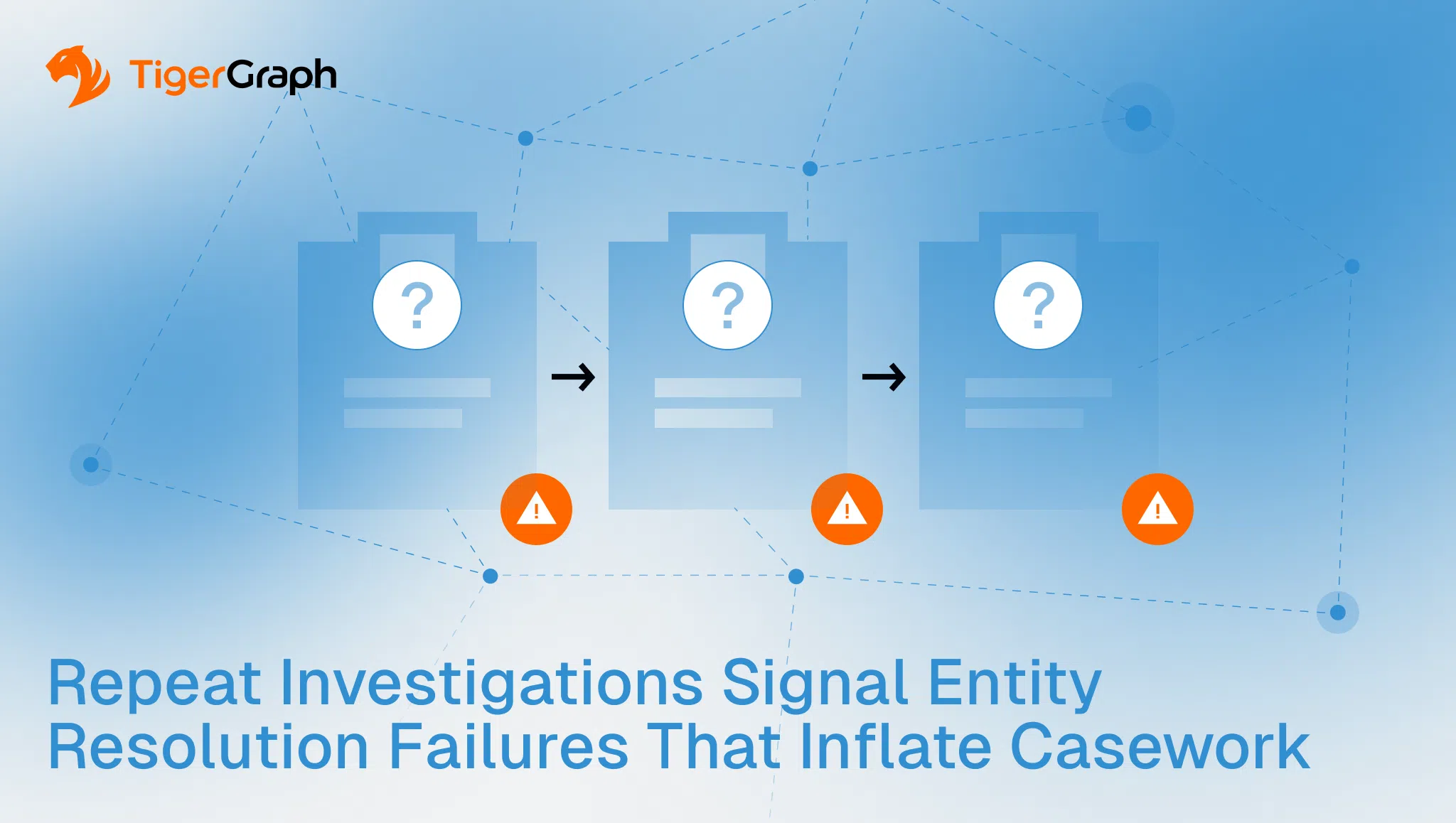
ConceptJan 7, 2026Repeat Investigations Signal Entity Resolution Failures That Inflate CaseworkWhen the same cases keep coming back, the problem is identity continuity. Repeat investigations often signal that entity resolution is not stable enough to carry decisions forward across workflows or over time. Prior outcomes cannot be reused with confidence, so the same exposure is reviewed againDiscover
ConceptConceptDec 12, 2025Graph Data ScienceGraph data science involves using graph algorithms, statistical techniques, and machine learning workflows to analyze data modeled as interconnected nodes and edges. Unlike flat tables, where rows are treated independently, graphs capture the structure of the domain itself—what entities exist, how they interact, and what those interactions mean. This formDiscover
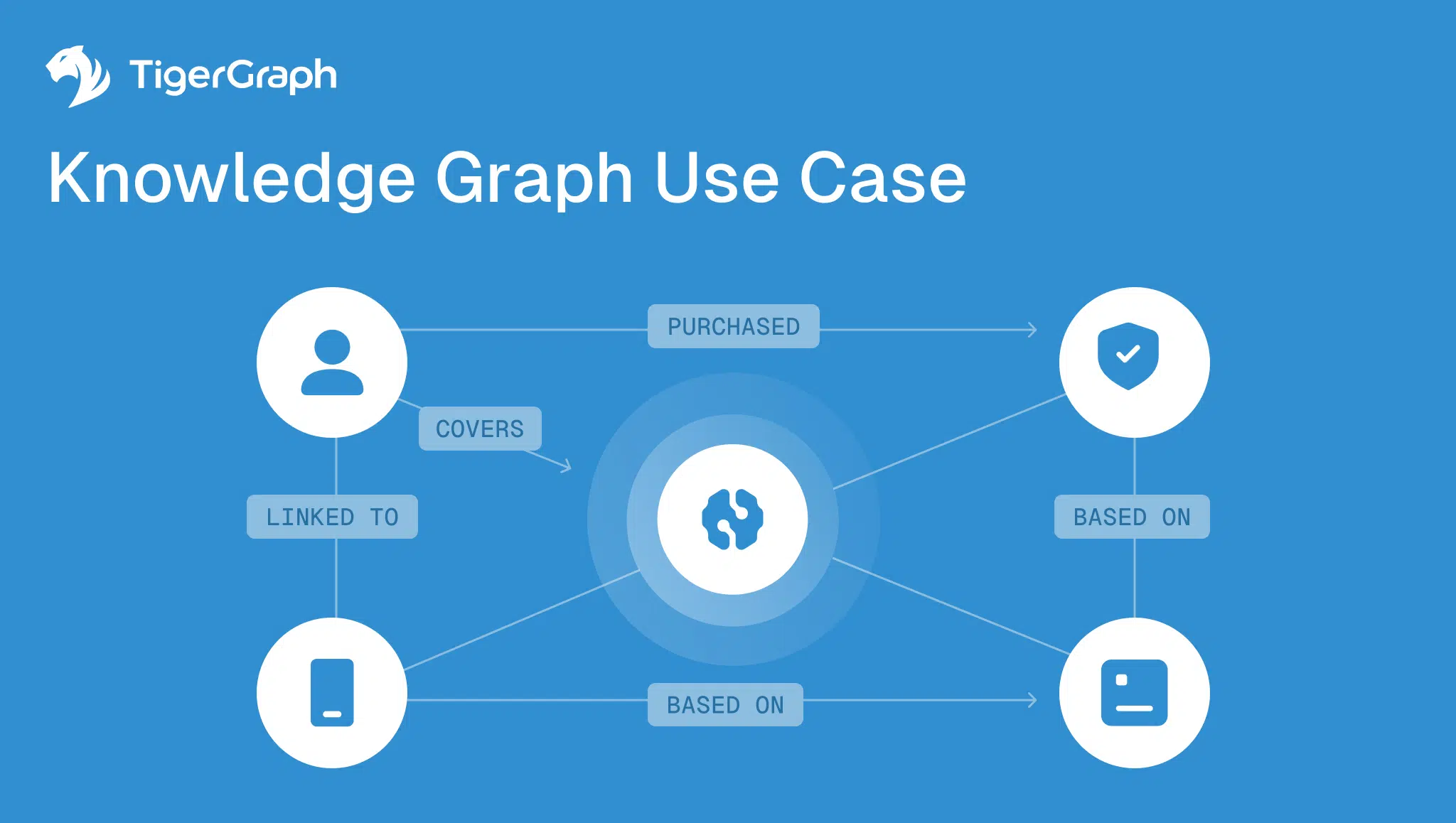
BeginnerConceptOct 22, 2025How Knowledge Graphs Reveal Meaning Hidden in Enterprise DataTraditional analytics systems focus on isolated data points, but context gives information meaning. From customer insight to fraud detection, every decision depends on understanding relationships across systems. That’s why knowledge graph use cases are transforming enterprise data strategy. They connect people, processes, and events toDiscover