TigerGraph
ResourcesPathfinderDiscord(opens in a new tab)
Resources

Everything, In One Wall

Videos, courses, hands-on tutorials, docs, and blog posts. One place for every phase of learning.

TigerGraph
ResourcesPathfinderDiscord(opens in a new tab)

© 2026 Tiger Graph Dev Hub. All rights reserved.

  • Privacy Policy|
  • Terms of Service

Applied · 4

Clear all
  • Reference
  • Talk
  • Tutorial
  • Definition

Levels

  • All Resources
  • Beginner
  • Intermediate
  • Advanced

Categories

  • Videos514
  • Docs644

759 resources · page 2 of 64

NewestOldest
3 Col Grid2 Col GridList
Definition
BeginnerDefinitionApr 10, 2026

Shortest Path

The shortest path is the most efficient way to travel from one point to another within a network. In graph theory, the shortest path in a graph refers to calculating the route between two nodes that minimizes total cost. A node represents a point, and edges connect those points. Each
Glossary
50
  • Blog posts222
  • Code & samples126
  • Graph Resources52
  • Assets

    • Definition36
    • Tutorial113
    • How-to guide319
    • Reference312
    • Concept109
    • Troubleshooting12
    • Security advisory4
    • Runbook
    • Article173
    • Case study26
    • Talk298
    • Release note24
    • Demo114
    • Webinar12
    • Event12
    • Report24

    Tags

    • #Fraud and AML
    • #Entity resolution
    • #Recommendations
    • #GraphRAG and AI
    • #Graph machine learning
    • #Search
    • #Network analysis
    • #Performance and scale
    • #Running TigerGraph
    • #Evaluating graph
    Discover
    Definition
    DefinitionApr 6, 2026

    Embedding

    An embedding in machine learning is a way to represent complex information as numbers so a system can compare items consistently. This matters because many real-world inputs, such as language, images, audio, and behavior patterns, contain rich, nuanced information whose meaning isn’t adequately captured by a set of fields in a

    Discover
    Definition
    DefinitionApr 6, 2026

    Vector Search

    Vector search is a way of finding information based on similarity instead of exact matches. Traditional search systems look for the same words you typed. Vector search looks for items that are similar in meaning or behavior, even if they do not use the same words or phrases. It works by

    Discover
    Talk37 min · Mar 27, 2026

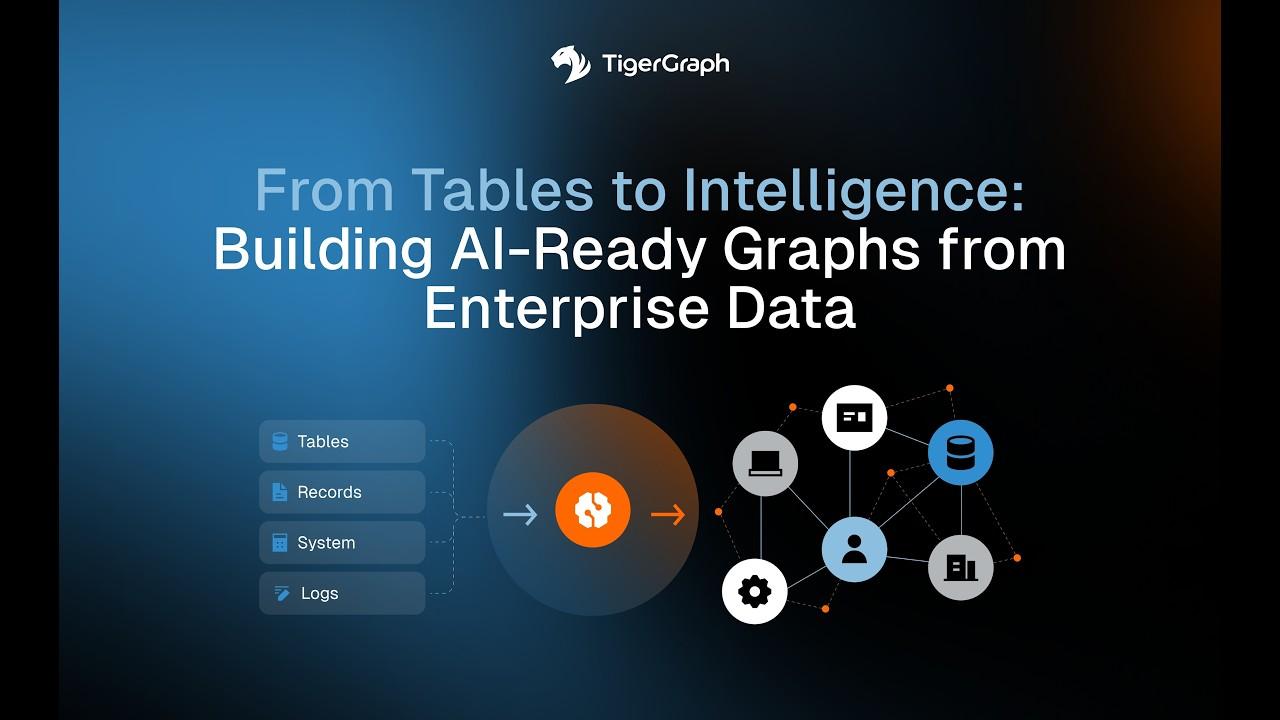
    From Tables to Intelligence: Building AI Ready Graphs from Enterprise Data

    Most enterprise data is stored in tables. The decisions organizations need to make today are not. Fraud, risk, customer behavior, and operational insight all emerge from relationships. When AI systems are built on tabular foundations alon

    Discover
    Talk37 min · Mar 27, 2026

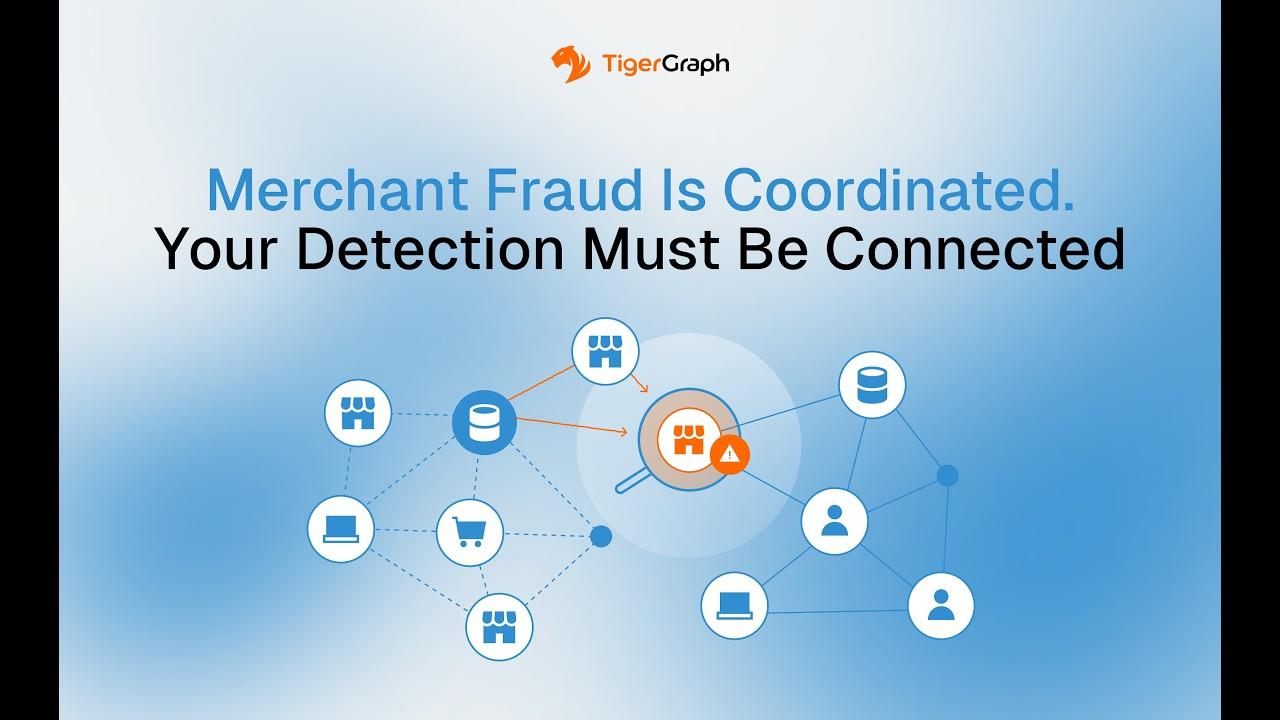
    Merchant Fraud Is Coordinated Your Detection Must Be Connected

    Merchant fraud has fundamentally changed. It is no longer driven by isolated bad transactions. It is coordinated activity across identities, devices, accounts, and payment instruments. Fraudsters operate as networks, while most detection s

    Discover
    Talk37 min · Feb 27, 2026

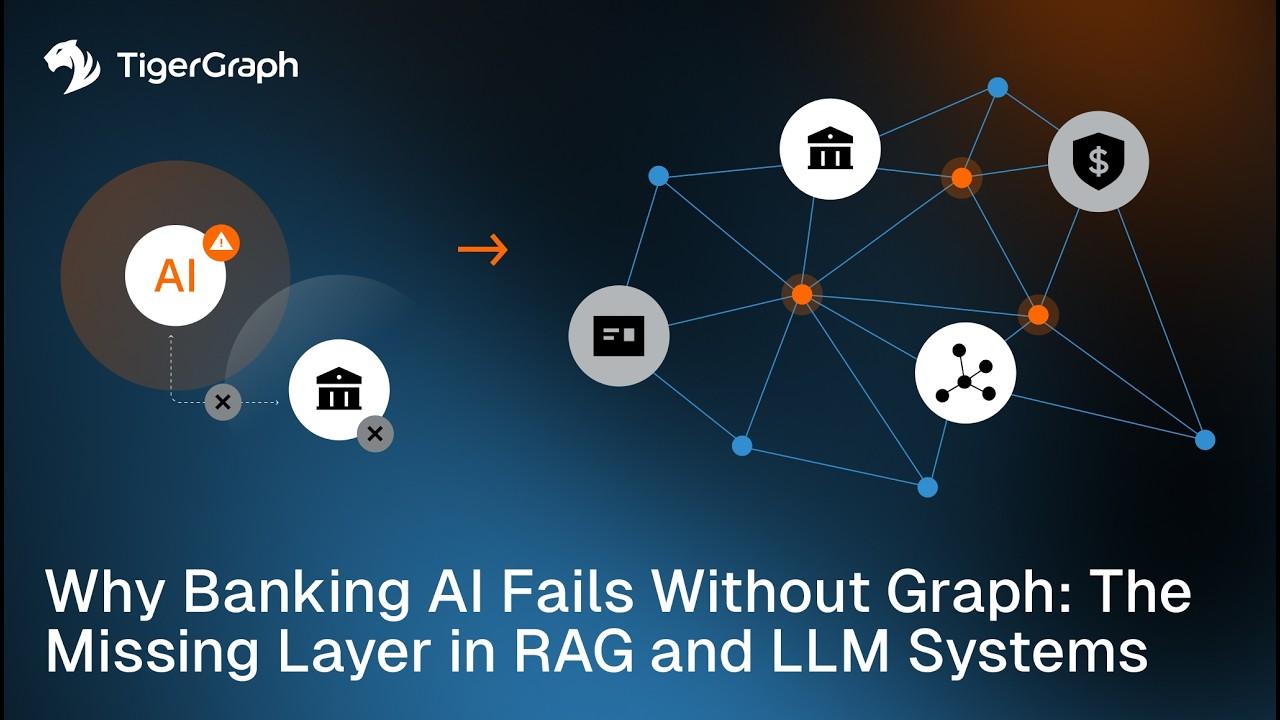
    Why Banking AI Fails Without Graph The Missing Layer in RAG and LLM Systems

    Banking AI is moving fast but many LLM and RAG initiatives inside financial services are quietly stalling. Not because the models are not powerful. Not because teams lack data. But because the systems cannot reliably connect what matters m

    Discover
    Definition
    BeginnerDefinitionFeb 23, 2026

    Knowledge Graph

    A knowledge graph is a structured representation of entities and relationships that embodies context. It models real-world things such as people, accounts, devices, events, policies, products, and concepts as entities. It then captures how those entities connect so teams and systems interpret relationships consistently and appropriately across data sources. Teams

    Discover
    Definition
    DefinitionFeb 23, 2026

    Semi-Structured Data

    Semi-structured data has some recognizable structure, but does not enforce a single, stable schema across all records. This semi-structured data definition explains why the data is easier to parse than free-form content, but still difficult to query consistently at scale. When people ask what semi-structured data is, they are usually referring

    Discover
    DefinitionFeb 13, 2026

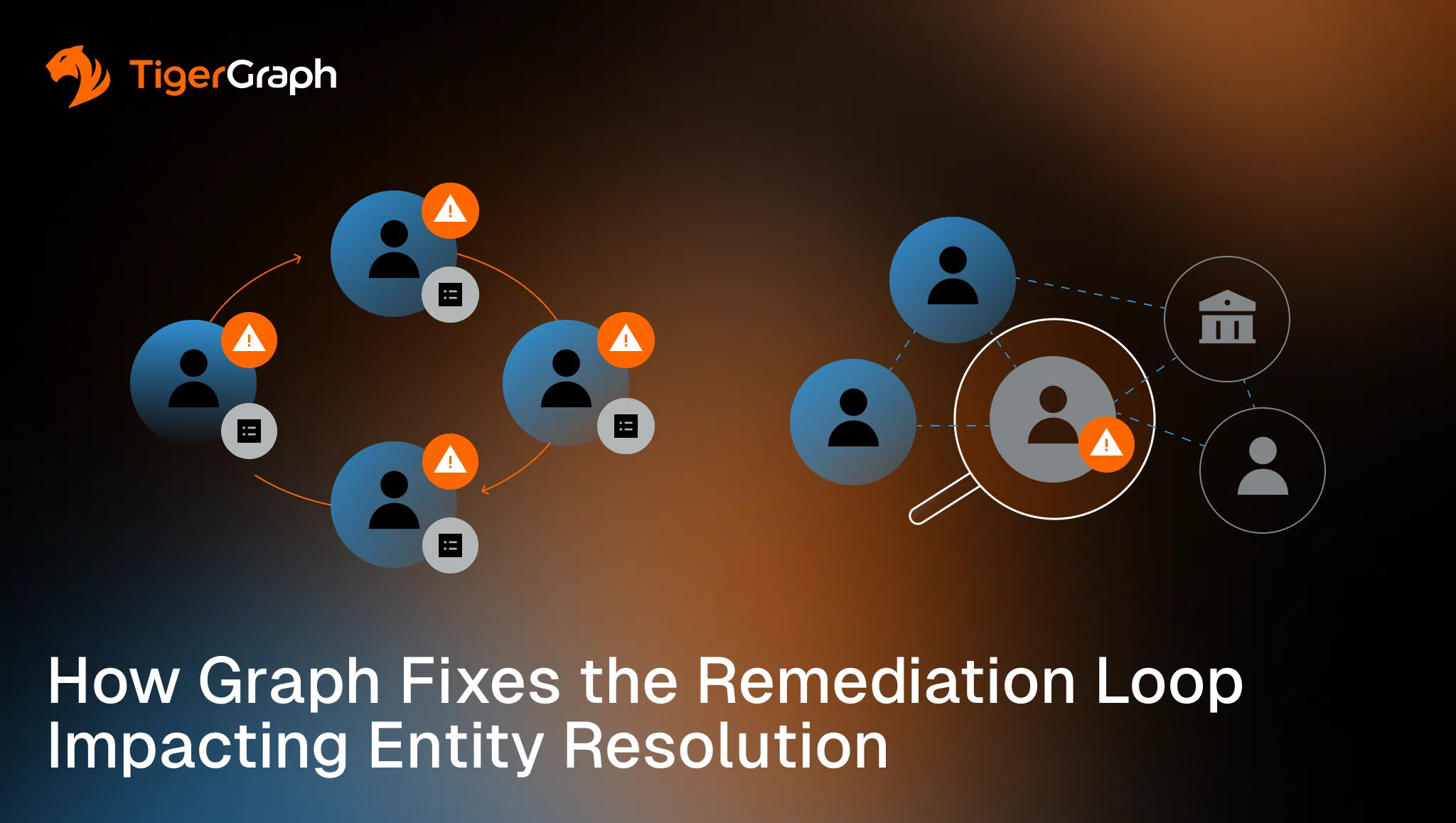
    How Graph Fixes the Remediation Loop Impacting Entity Resolution

    Remediation is supposed to be temporary. Alerts are investigated, issues are corrected, and over time, similar problems should appear less frequently because prior work carries forward. When that does not happen, though, remediation becomes a loop. The same entity types reappear, the same inconsistencies resurface and

    Discover
    Tutorial28 min · Feb 12, 2026

    Build Your First AI Ready Graph App in 30 Mins with TigerGraph Savanna

    Most AI and graph projects sound great on paper and then stall in setup, schema debates, or tooling sprawl. This webinar is different. Watch “Build Your First AI-Ready Graph App in 30 Minutes”, for a hands-on session using TigerGraph Savan

    Discover
    BeginnerDefinitionFeb 11, 2026

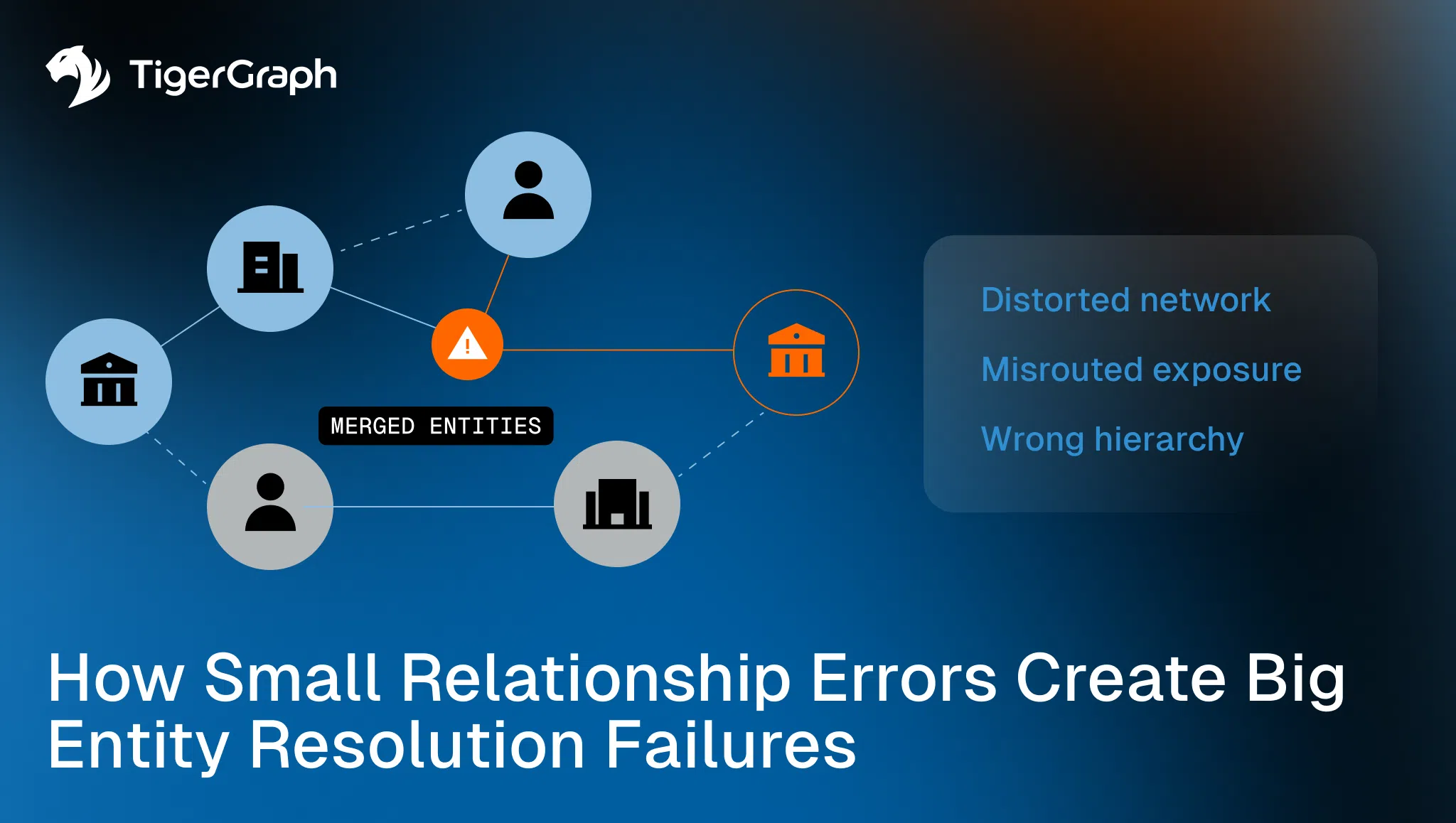
    How Small Relationship Errors Create Big Entity Resolution Failures

    Entity resolution is often discussed as a record-matching problem, with a focus on which records belong together and which do not. But many resolution failures have less to do with the records themselves and more to do with the relationships that connect them. In graph-based systems,

    Discover
    Definition
    DefinitionFeb 8, 2026

    Retrieval-Augmented Generation (RAG)

    Retrieval-augmented generation (RAG) is an AI application framework that improves AI responses by first retrieving supplemental data from trusted data sources to provide the generative model a relevant foundation of information to work with. In many enterprise stacks, RAG AI is the shorthand for that retrieval-plus-generation workflow. That small shift

    Discover
    1234…64