
TigerGraph
ResourcesPathfinderDiscord(opens in a new tab)
Resources

Everything, In One Wall

Videos, courses, hands-on tutorials, docs, and blog posts. One place for every phase of learning.

TigerGraph
ResourcesPathfinderDiscord(opens in a new tab)

© 2026 Tiger Graph Dev Hub. All rights reserved.

  • Privacy Policy|
  • Terms of Service

Applied · 5

Clear all
  • Beginner
  • Reference
  • Tutorial
  • Case study
  • Article

Levels

  • All Resources
  • Beginner
  • Intermediate
  • Advanced

Categories

  • Videos514
  • Docs644

37 resources · page 2 of 4

NewestOldest
3 Col Grid2 Col GridList
BeginnerArticle
Glossary
50
  • Blog posts222
  • Code & samples126
  • Graph Resources52
  • Assets

    • Definition36
    • Tutorial113
    • How-to guide319
    • Reference312
    • Concept109
    • Troubleshooting12
    • Security advisory4
    • Runbook
    • Article173
    • Case study26
    • Talk298
    • Release note24
    • Demo114
    • Webinar12
    • Event12
    • Report24

    Tags

    • #Fraud and AML
    • #Entity resolution
    • #Recommendations
    • #GraphRAG and AI
    • #Graph machine learning
    • #Search
    • #Network analysis
    • #Performance and scale
    • #Running TigerGraph
    • #Evaluating graph
    Apr 8, 2026

    Why Your Cybersecurity Graph isn’t Deep Enough

    Many organizations have introduced graph technology into their cybersecurity stack. They connect users to IP addresses, devices to sessions, and domains to authentication attempts. Compared to flat reporting tables, this represents real progress. But connecting adjacent events is not the same as modeling attack structure. Modern attacks are
    Discover
    BeginnerArticleDec 17, 2025

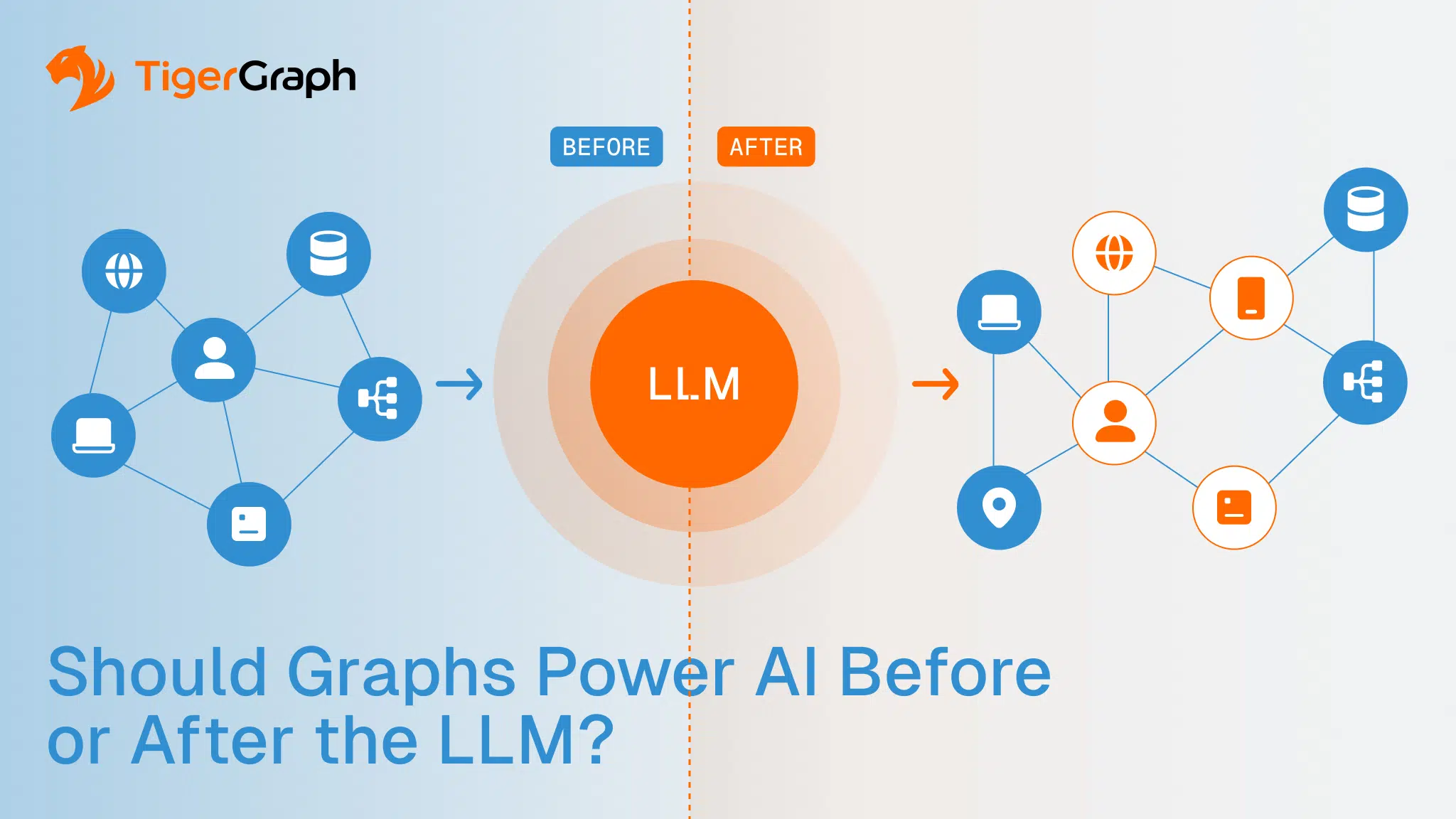
    Should Graphs Power AI Before or After the LLM?

    Enterprises designing modern AI systems eventually run into the same architectural crossroads. They see that a graph can strengthen their AI. Should the graph be used in the retrieval phase, shaping the context the model receives before the LLM generates a response, or in the validation

    Discover
    BeginnerArticleDec 3, 2025

    Modeling Molecules and Beyond: How Graph Databases Unlock Scientific Discovery

    Graph technology has become important in scientific research because researchers across biology, chemistry and drug discovery face a shared challenge. Scientific data is becoming larger, more interconnected, and more difficult to explore using traditional systems. Many of the systems they study, including molecules, pa

    Discover
    BeginnerArticleDec 1, 2025

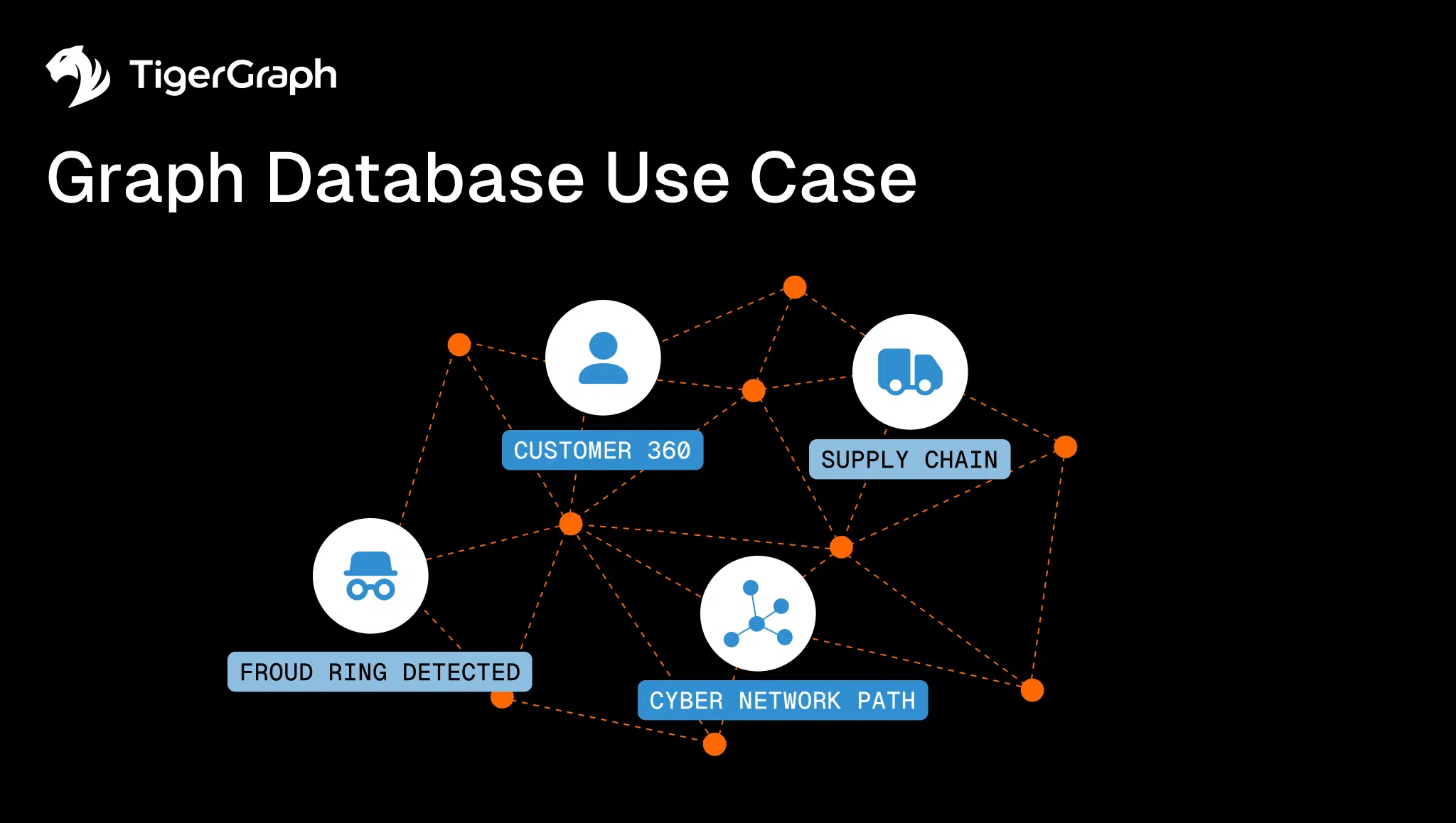
    How Graph Databases Move You From Data Points to Decisions

    Traditional databases were built for ledgers, not relationships. Yet every modern business problem, from fraud detection to customer personalization and supply-chain visibility, depends on how data points connect. That’s why graph database use cases are reshaping enterprise analytics by modeling real-world use cases as relationships

    Discover
    BeginnerArticleAug 28, 2025

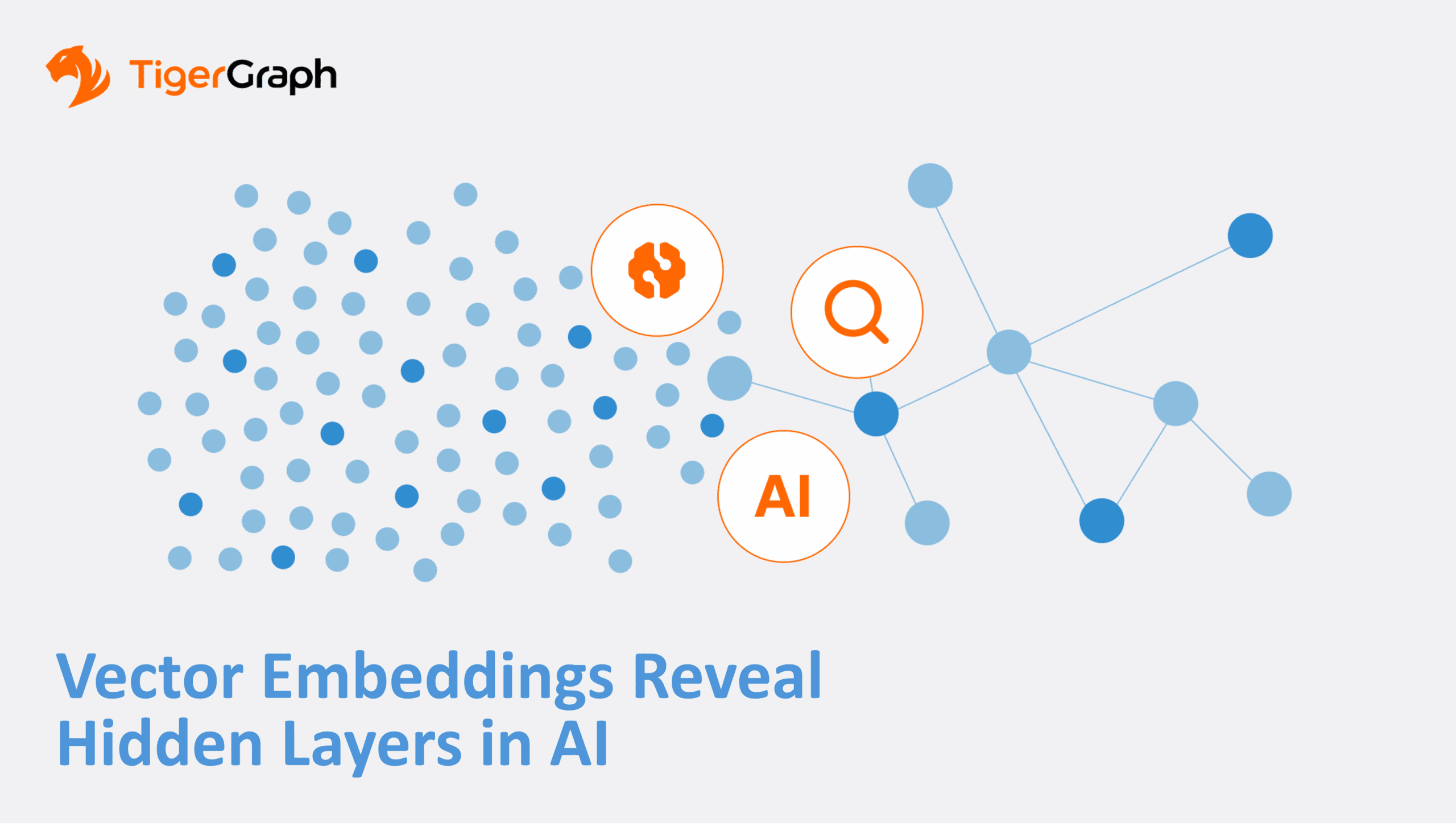
    Vector Embeddings Reveal Hidden Layers in AI

    In AI, the magic isn’t in what you see—it’s in what the system understands. That understanding is powered by vector embeddings, which are mathematical representations of complex data, such as sentences, images, human beings, or behaviors. These vectors reduce this complex information into numerical formats that machines can

    Discover
    BeginnerArticleAug 19, 2025

    How Graph Databases Power Fraud Detection in Banking

    Bank fraud today is neither obvious nor simplistic. It doesn’t announce itself; rather, it hides in plain sight. It’s buried in the fine print of millions of legitimate transactions, weaving through accounts, devices, and merchants at a speed legacy systems can’t match. The scams are bigger, smarter,

    Discover
    BeginnerArticleJun 13, 2025

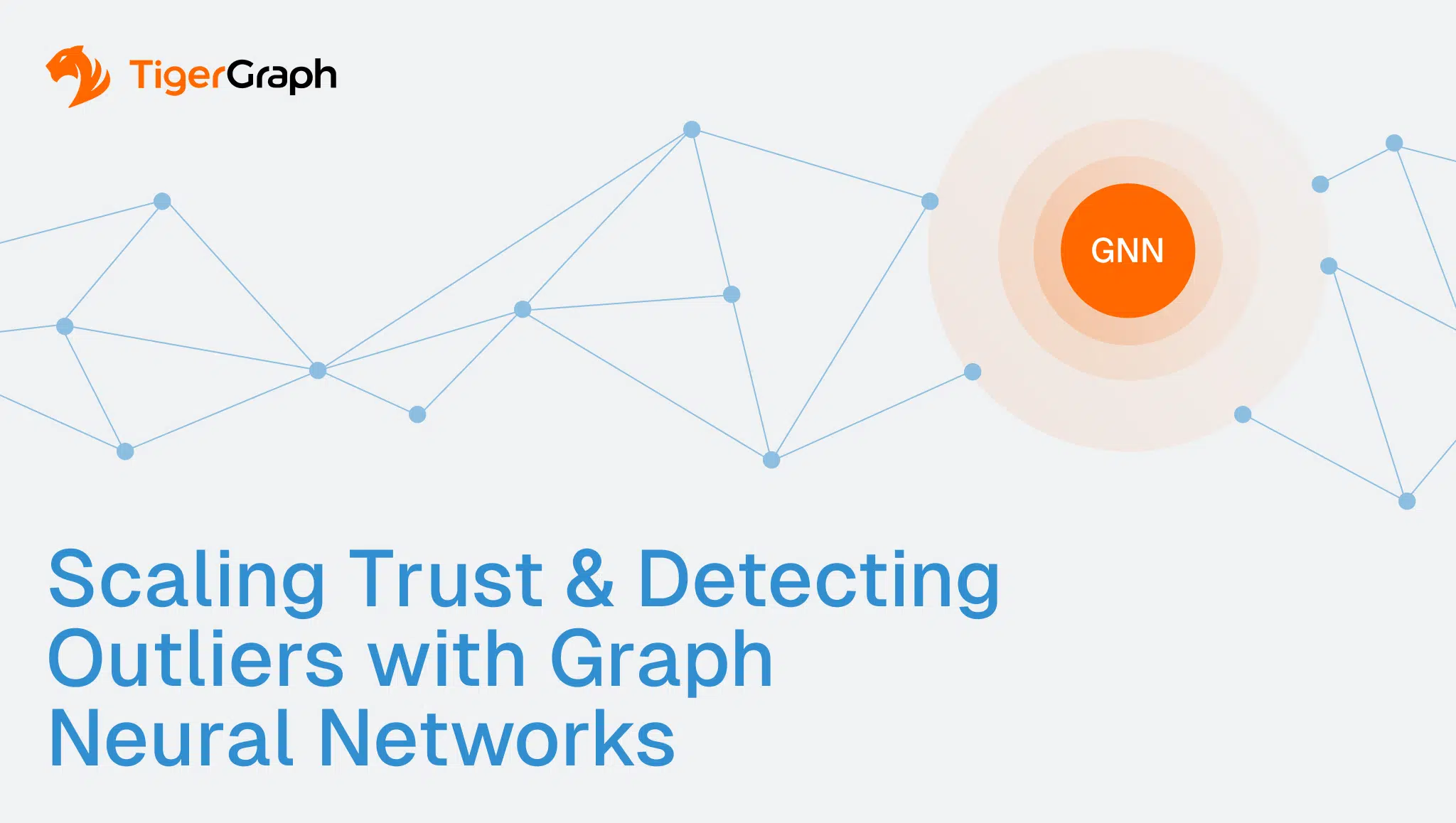
    Scaling Trust & Detecting Outliers with Graph Neural Networks

    Our world is increasingly fueled by AI-driven decision-making, so trustworthy data is non-negotiable. When algorithms determine who gets a loan, who passes a fraud screening, or which transactions are flagged for investigation, organizations must trust that these decisions are not only accurate but also explainable and

    Discover
    BeginnerArticleJun 7, 2025

    How Graph Neural Networks (GNN) Outperform Traditional Machine Learning

    Traditional machine learning can tell you a lot but not everything, and especially not when the relationships between your data points are where the real intelligence lives. And this is a big problem. Graph Neural Networks (GNNs) fundamentally change how we think about machine learning by

    Discover
    BeginnerArticleJun 7, 2025

    Why Leading Enterprises Use Graph Analytics to Power Their Customer Data Platforms

    Modern enterprises manage millions of customer interactions each day. There are endless emails, purchases, web sessions, and support tickets. Yet most of this data remains scattered across systems. Traditional customer data platforms (CDPs) unify information but rarely connect the full context behind it.

    Discover
    BeginnerArticleApr 25, 2025

    Why Fraud & Risk Teams Are Adopting Graph Analytics

    Fraud isn’t just a data problem—it’s a relationship problem. This new reality is something industry leaders are quickly coming to terms with as the scale and sophistication of fraud outpaces the capabilities of traditional detection tools. Today’s fraud isn’t confined to a single account, transaction, or

    Discover
    BeginnerArticleApr 18, 2025

    The Agentic AI/Graph Database Combo Powering Emerging Applications

    Static AI models that provide insights on demand are no longer enough. Today’s enterprise needs systems that can dynamically adapt, make autonomous decisions, and optimize workflows in real time. Enter Agentic AI, a fast-evolving approach in artificial intelligence that’s gaining serious traction for its potential to enable

    Discover
    BeginnerArticleApr 15, 2025

    Why Agentic AI Needs More Than Just Rules (It Needs Guardrails)

    Traditional AI models often operate in rigid, rule-based environments, but real-world scenarios demand nuance. Agentic AI doesn’t just follow instructions—it interprets them, reasons through options, and makes choices based on perceived goals. To do that responsibly, it needs more than logic—it needs context. Graphs

    Discover
    1234