
TigerGraph
ResourcesPathfinderDiscord(opens in a new tab)
Resources

Everything, In One Wall

Videos, courses, hands-on tutorials, docs, and blog posts. One place for every phase of learning.

TigerGraph
ResourcesPathfinderDiscord(opens in a new tab)

© 2026 Tiger Graph Dev Hub. All rights reserved.

  • Privacy Policy|
  • Terms of Service

Applied · 4

Clear all
  • Reference
  • Tutorial
  • Case study
  • Concept

Levels

  • All Resources
  • Beginner
  • Intermediate
  • Advanced

Categories

  • Videos514
  • Docs644

560 resources · page 2 of 47

NewestOldest
3 Col Grid2 Col GridList
BeginnerConceptJan 8, 2026
Glossary
50
  • Blog posts222
  • Code & samples126
  • Graph Resources52
  • Assets

    • Definition36
    • Tutorial113
    • How-to guide319
    • Reference312
    • Concept109
    • Troubleshooting12
    • Security advisory4
    • Runbook
    • Article173
    • Case study26
    • Talk298
    • Release note24
    • Demo114
    • Webinar12
    • Event12
    • Report24

    Tags

    • #Fraud and AML
    • #Entity resolution
    • #Recommendations
    • #GraphRAG and AI
    • #Graph machine learning
    • #Search
    • #Network analysis
    • #Performance and scale
    • #Running TigerGraph
    • #Evaluating graph

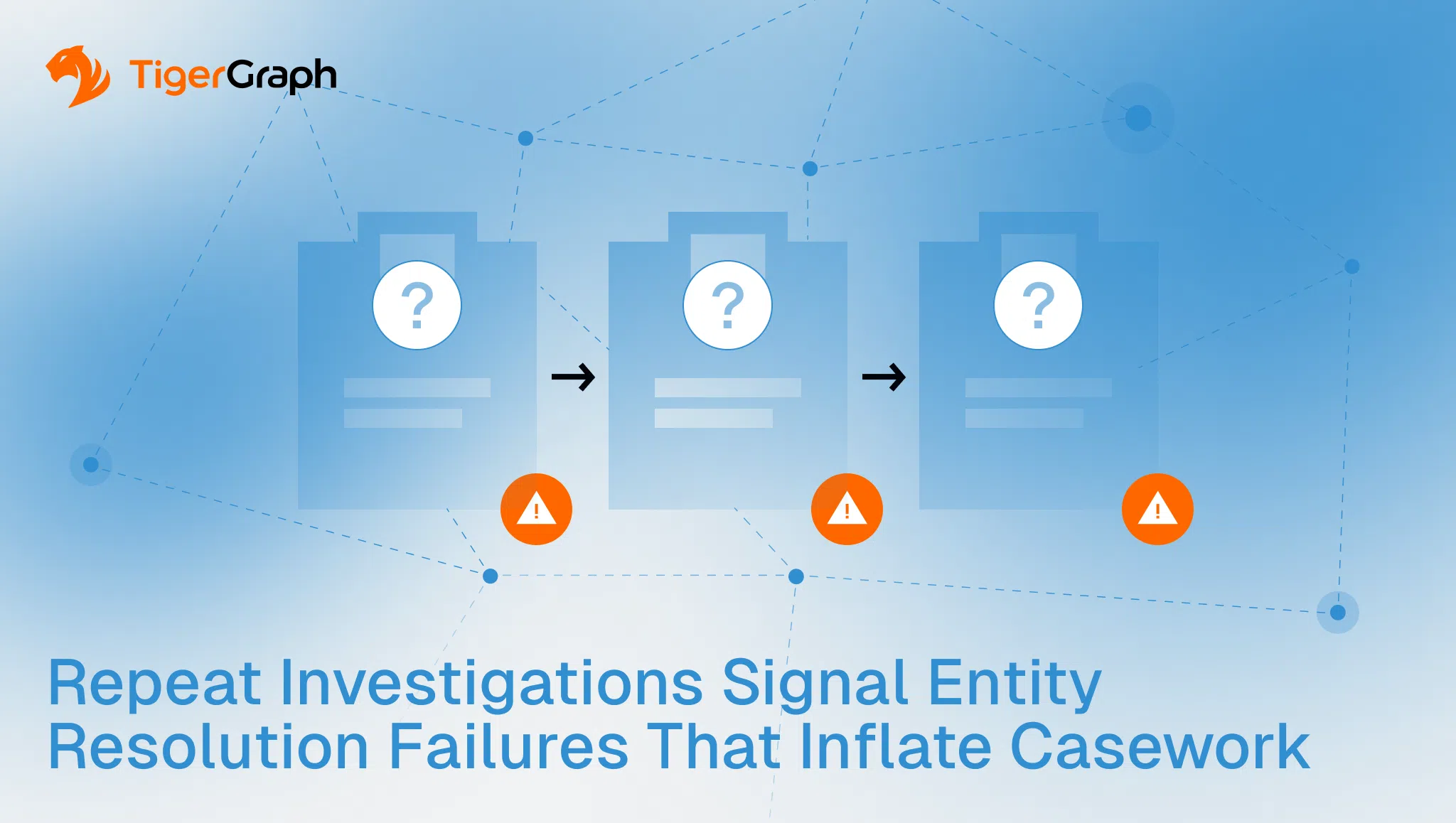
    RDF vs. Property Graph: Choosing the Right Foundation for Knowledge Graphs

    Every organization that builds a knowledge graph faces the same architectural crossroads at some point. Should the system use RDF for semantic precision, or a property graph for analytical performance? This choice determines so much, like how relationships are represented and how queries scale.
    Discover
    ConceptJan 7, 2026

    Repeat Investigations Signal Entity Resolution Failures That Inflate Casework

    When the same cases keep coming back, the problem is identity continuity. Repeat investigations often signal that entity resolution is not stable enough to carry decisions forward across workflows or over time. Prior outcomes cannot be reused with confidence, so the same exposure is reviewed again

    Discover
    Concept
    ConceptDec 12, 2025

    Graph Data Science

    Graph data science involves using graph algorithms, statistical techniques, and machine learning workflows to analyze data modeled as interconnected nodes and edges. Unlike flat tables, where rows are treated independently, graphs capture the structure of the domain itself—what entities exist, how they interact, and what those interactions mean. This form

    Discover
    BeginnerConceptOct 22, 2025

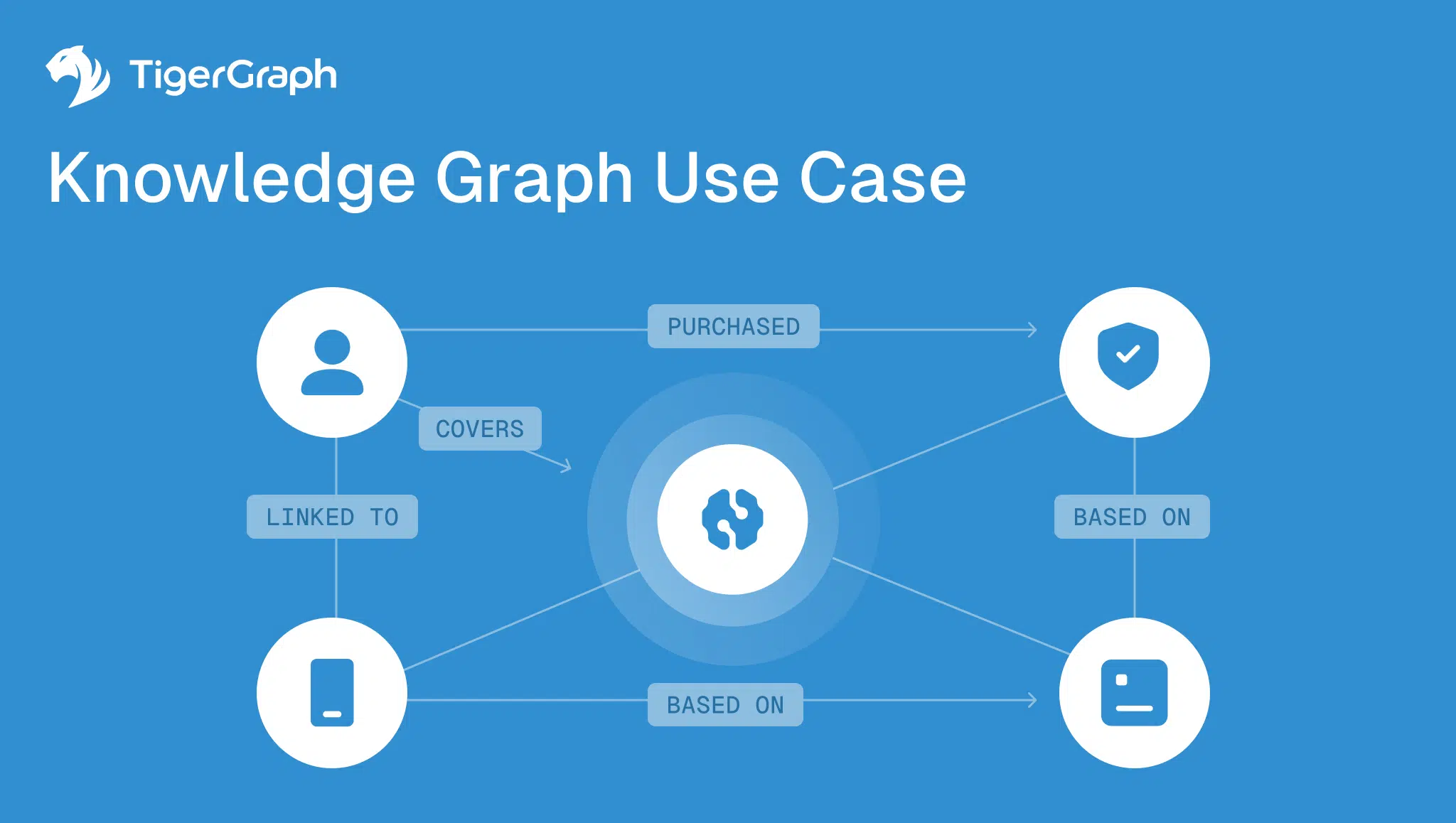
    How Knowledge Graphs Reveal Meaning Hidden in Enterprise Data

    Traditional analytics systems focus on isolated data points, but context gives information meaning. From customer insight to fraud detection, every decision depends on understanding relationships across systems. That’s why knowledge graph use cases are transforming enterprise data strategy. They connect people, processes, and events to

    Discover
    Concept
    ConceptOct 22, 2025

    Know Your Customer (KYC)

    Know Your Customer (KYC) is the process financial institutions and other regulated organizations use to verify who their customers are and to understand the risks they may pose. At its simplest, it means confirming an identity. In practice, though, KYC has evolved into an ongoing, multi-layered process that not

    Discover
    BeginnerConceptOct 20, 2025

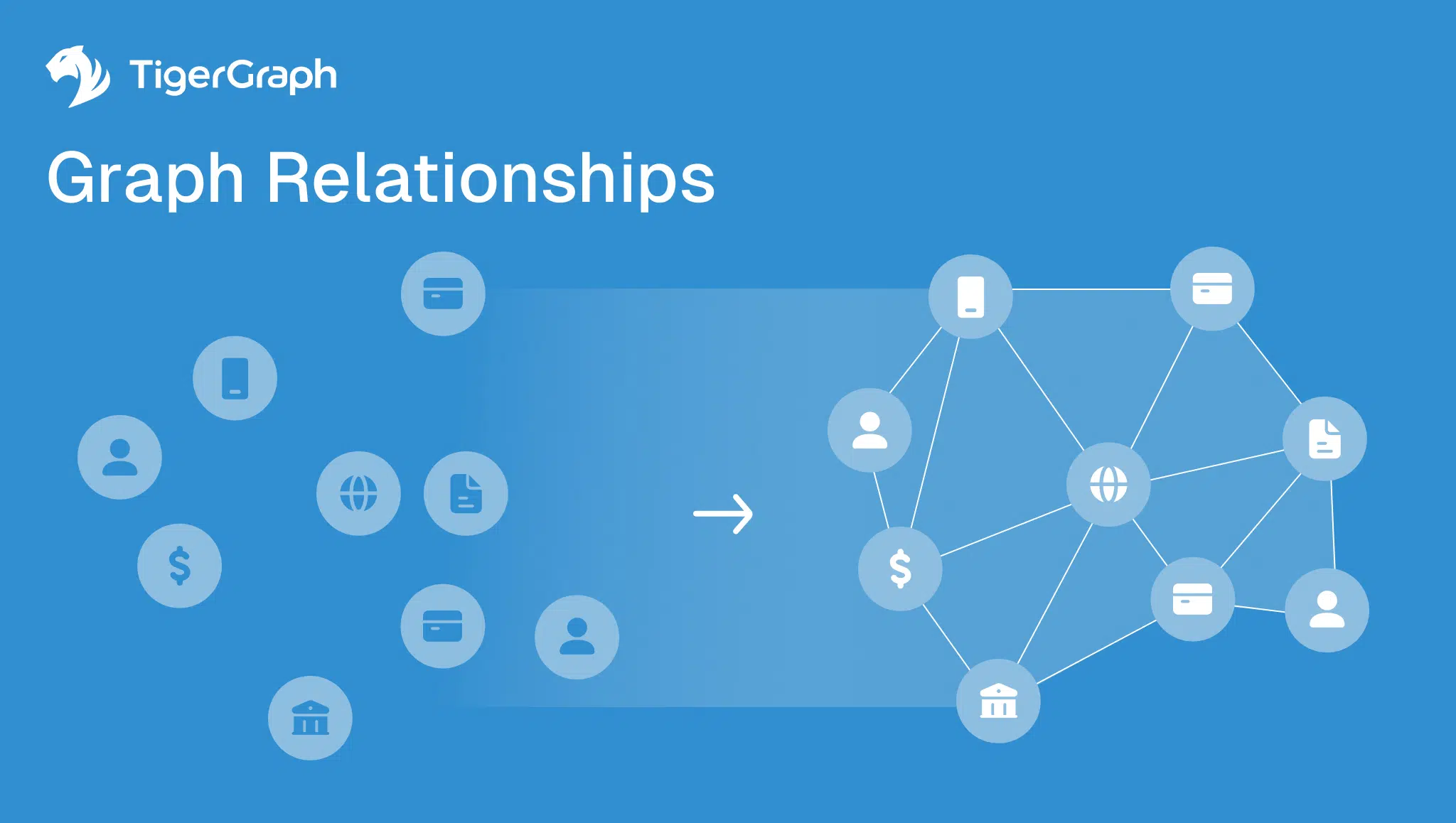
    The Power of Graph Relationships: Turning Isolated Data into Connected Insights

    Enterprises do not suffer from a lack of data, but they do suffer from data silos and a lack of connection. Context is lost. Adding relationships to the data solves this problem. Graph relationships map how people, accounts, devices, suppliers, and policies interact. And

    Discover
    AdvancedConceptOct 13, 2025

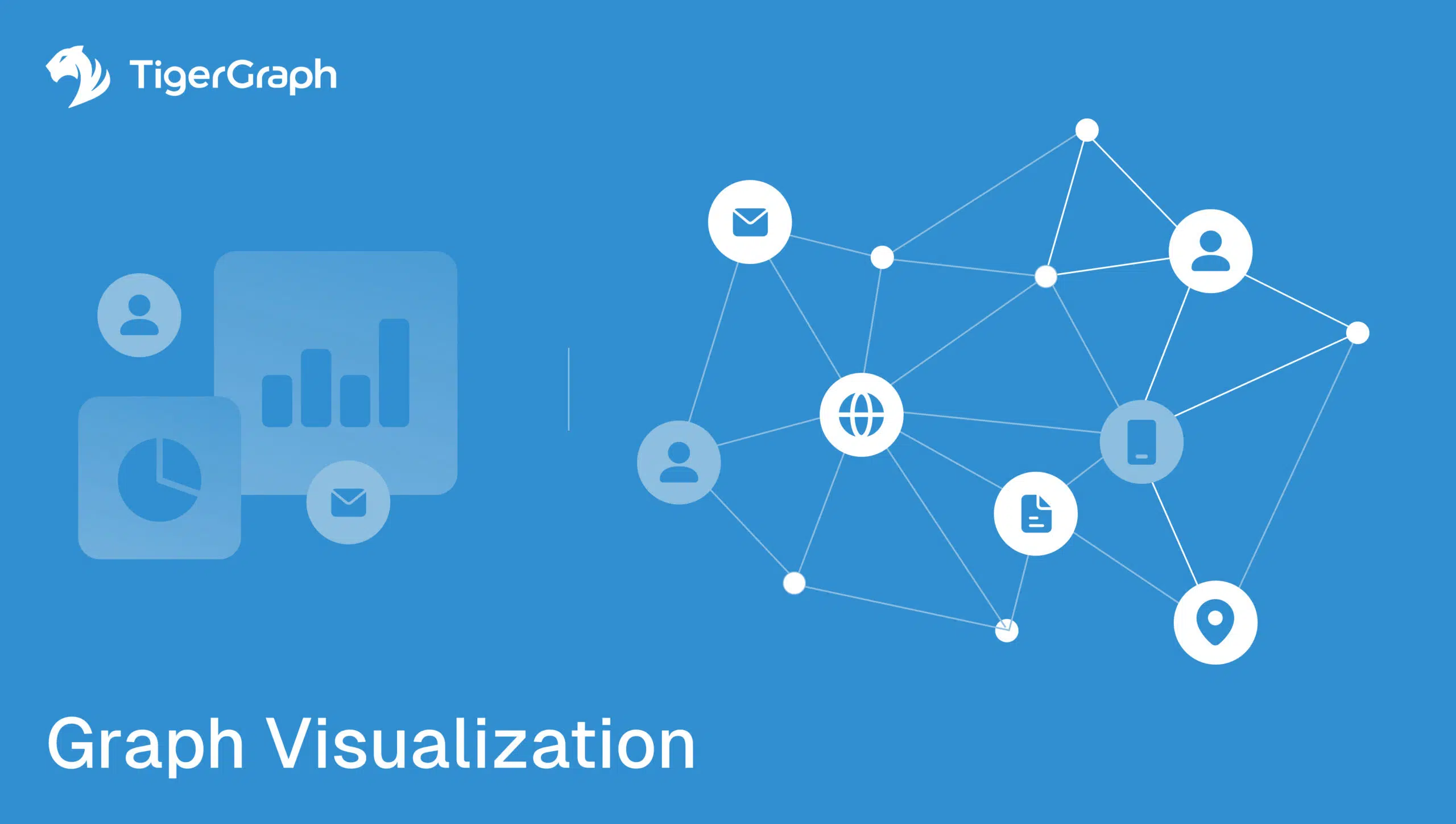
    From Data Chaos to Clarity: Why Graph Visualization Powers Smarter Decisions

    Every enterprise has an overabundance of data to contend with, and making sense of it all is challenging. Dashboards multiply, reports pile up, and somewhere in the noise, the real story gets lost. Leaders don’t struggle with access to information; they struggle with clarity.

    Discover
    AdvancedConceptOct 10, 2025

    Reducing AI Hallucinations: Why LLMs Need Knowledge Graphs for Accuracy

    Every AI leader wants helpful assistants, not confident liars. Large language models (LLMs) are powerful, but without guardrails, they hallucinate, improvise sources, and miss context across systems. Pairing LLMs and knowledge graphs fixes that gap. This architecture turns raw generation into grounded reasoning: the model

    Discover
    AdvancedConceptOct 9, 2025

    Graph Algorithms: The Secret Engine Behind Faster, Smarter Business Growth

    Every enterprise has tons of data, but most struggle to use it in ways that drive strategy. Graph algorithms are the hidden engines that bring those dots to life, revealing how people, accounts, devices, or products interact. Instead of isolated records, they uncover the relationships

    Discover
    Concept
    BeginnerConceptSep 19, 2025

    Contextual Reasoning in Graph AI

    Contextual reasoning in graph AI is the ability of an AI system to interpret data as part of a connected network of relationships. Instead of evaluating attributes in a vacuum, contextual reasoning analyzes how entities relate to one another. This lets you see more characteristics and influences, leading

    Discover
    Concept
    BeginnerConceptSep 12, 2025

    Community Detection

    Community detection is a graph analytics technique used to uncover groups of nodes that are more closely connected to each other than to the rest of the network. Graph community detection, identifies structural clusters and the relationships that define them within large-scale data systems. These groups, whether they’re fraud rings, groups

    Discover
    Concept
    BeginnerConceptSep 12, 2025

    Graph-Based Risk Scoring

    Graph-based risk scoring is a way of evaluating risk that goes beyond looking at isolated data points. Instead of asking “What did this one account do?” it asks “Who is this account connected to, and how are those connections behaving?” In a graph, entities like people, accounts, devices, or transactions

    Discover
    1234…47