TigerGraph
ResourcesPathfinderDiscord(opens in a new tab)
Resources

Everything, In One Wall

Videos, courses, hands-on tutorials, docs, and blog posts. One place for every phase of learning.

TigerGraph
ResourcesPathfinderDiscord(opens in a new tab)

© 2026 Tiger Graph Dev Hub. All rights reserved.

  • Privacy Policy|
  • Terms of Service

Applied · 5

Clear all
  • Reference
  • Tutorial
  • Case study
  • Definition
  • Concept

Levels

  • All Resources
  • Beginner
  • Intermediate
  • Advanced

Categories

  • Videos514
  • Docs644

596 resources · page 5 of 50

NewestOldest
3 Col Grid2 Col GridList
Concept
BeginnerConceptAug 21, 2025

Louvain Algorithm

Glossary
50
  • Blog posts222
  • Code & samples126
  • Graph Resources52
  • Assets

    • Definition36
    • Tutorial113
    • How-to guide319
    • Reference312
    • Concept109
    • Troubleshooting12
    • Security advisory4
    • Runbook
    • Article173
    • Case study26
    • Talk298
    • Release note24
    • Demo114
    • Webinar12
    • Event12
    • Report24

    Tags

    • #Fraud and AML
    • #Entity resolution
    • #Recommendations
    • #GraphRAG and AI
    • #Graph machine learning
    • #Search
    • #Network analysis
    • #Performance and scale
    • #Running TigerGraph
    • #Evaluating graph

    Why is the Louvain Algorithm Important? Community detection plays a crucial role in graph analytics, helping to uncover structures that are not visible in traditional tabular data. Whether you’re analyzing customer interactions, fraud networks, or protein interactions, discovering groups of tightly connected nodes can reveal everything from coordinated behavior to natural segmentation—and the Louv
    Discover
    Definition
    DefinitionAug 20, 2025

    Parallel Graph Processing

    Parallel graph processing is a method for accelerating complex graph operations by breaking them into smaller tasks that run concurrently across multiple processors. These processors might be multiple cores in a single machine or distributed across many machines in a cluster. The graph itself is divided, often by logical or

    Discover
    Concept
    BeginnerConceptAug 12, 2025

    Connected Data

    Connected data is information that does not live in isolation. It describes how entities relate to each other. In practice, connecting data means modeling relationships between people, products, organizations, transactions, digital devices, and more to reveal context that flat records overlook. So, instead of looking at a person, transaction, or device

    Discover
    Concept
    ConceptAug 12, 2025

    Graph Database Performance

    Graph database performance describes how well a graph system handles its most critical tasks, including ingesting connected data, executing queries, navigating complex relationships, and running graph algorithms. It’s not just about raw speed. A high-performing graph database can respond quickly to real-world questions, scale as data grows, and stay reliable

    Discover
    Concept
    BeginnerConceptAug 12, 2025

    Graph Traversal

    Graph traversal is the process of systematically visiting nodes (also called vertices) and following edges (the relationships between nodes) in a graph structure. It’s how queries move through connected data, asking not just what is in the graph, but how things are related. Traversal is the backbone of nearly every graph-powered application, from detecting fraud

    Discover
    Definition
    DefinitionJul 18, 2025

    Vector Databases

    A vector database is a specialized type of database designed to handle high-dimensional data representations, commonly referred to as vector embeddings. These embeddings are created by machine learning models that numerically encode the essence or meaning of the data. Imagine each piece of data, whether it’s a document, image, or user profile,

    Discover
    Definition
    DefinitionJul 18, 2025

    Entity Resolution

    In a world where the same individual might appear as “Alex J.” in a CRM, “A. Johnson” in a transaction log, and “AJ-459” in a support system, entity resolution is what connects the dots. Entity resolution is the process of identifying when different data records—spread across systems, departments, or even geographies—refer

    Discover
    Definition
    DefinitionJul 18, 2025

    Digital Twin

    A digital twin isn’t just a 3D rendering or one-time simulation; it’s a living, breathing virtual version of a real-world system or process. Think of it as a digital counterpart that continuously evolves based on real-time data from its physical twin. From factory floors and supply chains to hospital patients and smart cities,

    Discover
    IntermediateTutorialJun 6, 2025

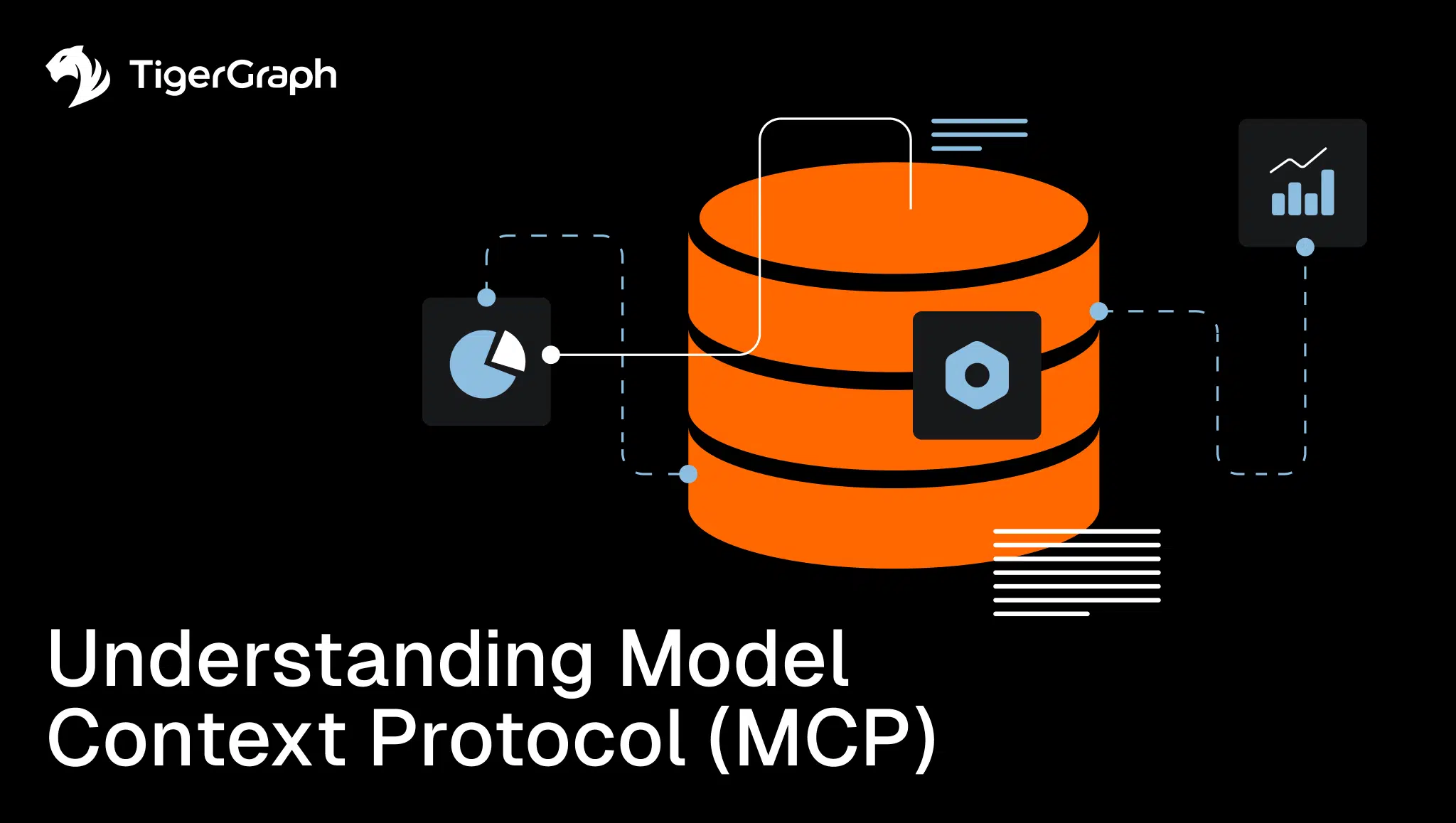
    Understanding Model Context Protocol (MCP)

    The Model Context Protocol (MCP) is an open standard that aims to streamline how AI models, particularly Large Language Models (LLMs), connect with external data sources and tools. Think of it as a universal language that allows AI to access and utilize information from various systems in a standardized way.

    Discover
    AdvancedCase studyMay 29, 2025

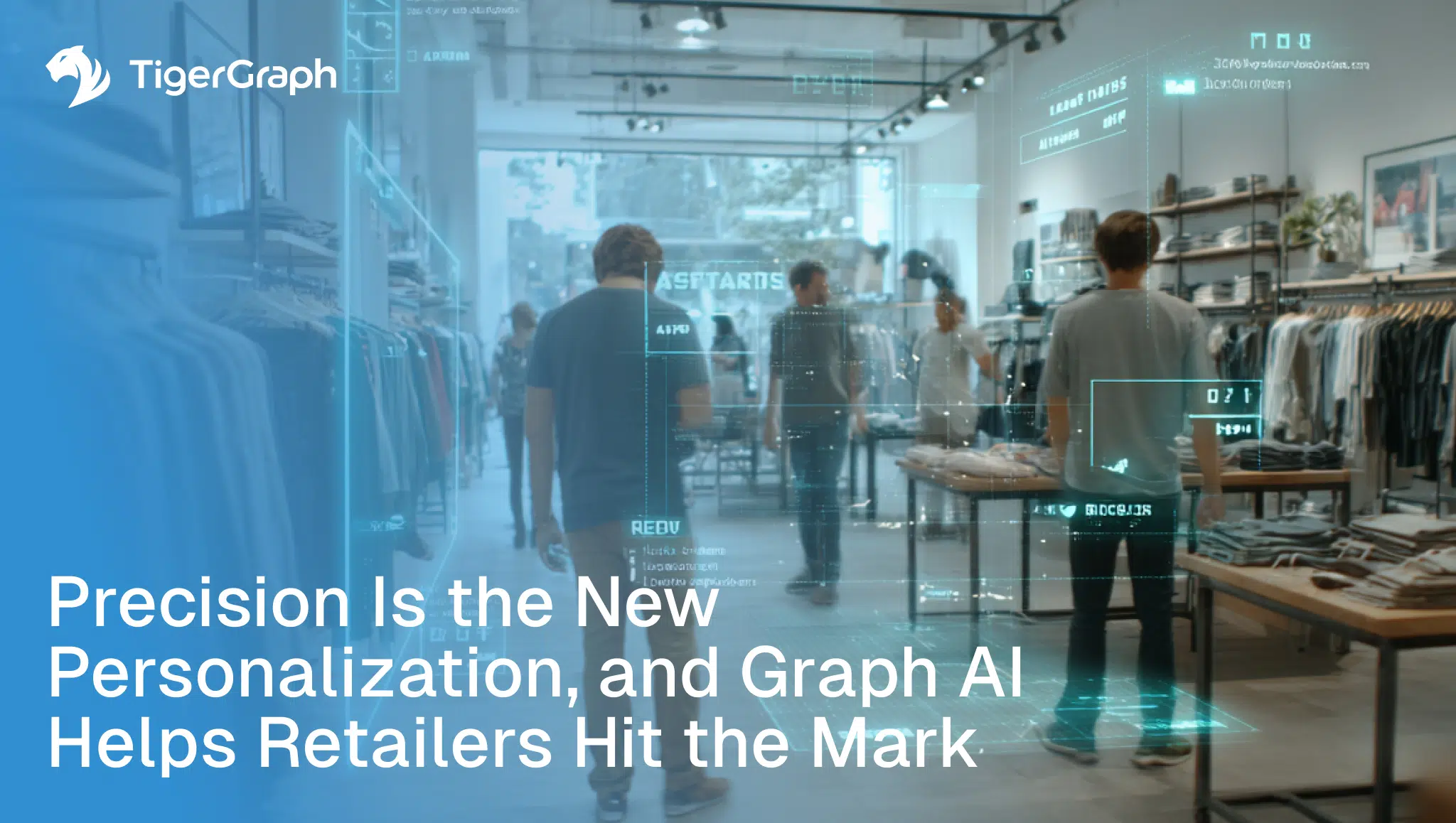
    Precision Is the New Personalization, and Graph AI Helps Retailers Hit the Mark

    Traditional retail personalization strategies have often fallen short. Segment-based campaigns and rules-based engines deliver recommendations that are too broad, too late, or too irrelevant. At best, these experiences feel impersonal; at worst, they feel intrusive or out of touch. Today’s consumers expect

    Discover
    Concept
    ConceptMay 15, 2025

    Scalable Graph Database

    What the Enterprise Gets Wrong About Scalable Graph Databases Many enterprises assume scalability in a graph database simply means storing more data or expanding disk capacity. But graph workloads aren’t just about size—they’re about traversals, pattern matching, deep-link reasoning, and concurrent execution. Systems may buckle under real-world pressure without scaling query performance, ingestion

    Discover
    Definition
    BeginnerDefinitionApr 18, 2025

    Fraud Detection Graph Database

    A fraud detection graph database identifies suspicious behavior by analyzing the relationships between entities like users, accounts, transactions, devices, and IPs. These entities are modeled as nodes, with interactions (logins, payments, shared infrastructure) represented as edges. This graph-native approach supports payment fraud detection and transacti

    Discover
    1…456…50
