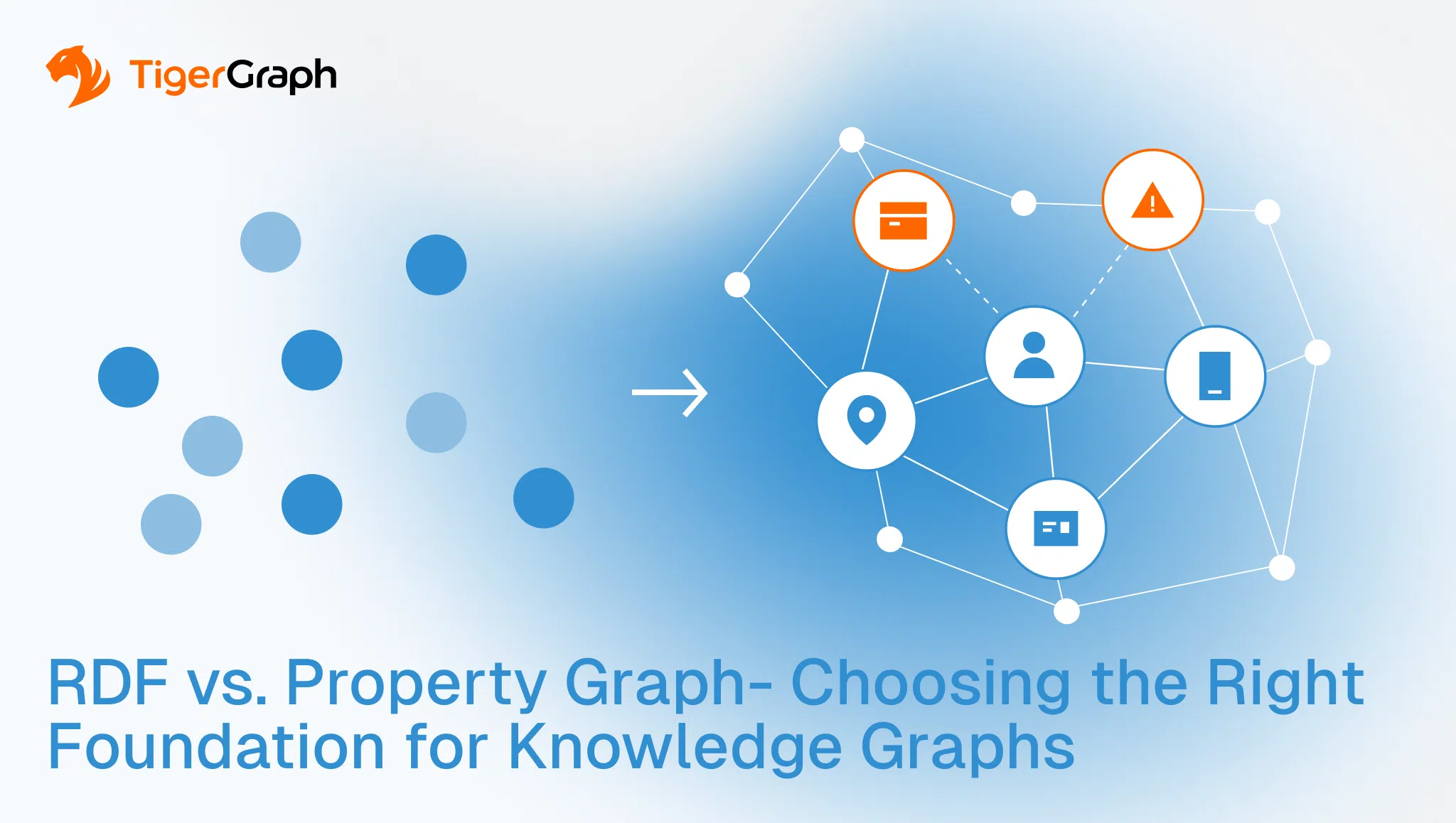
BeginnerConceptJan 8, 2026RDF vs. Property Graph: Choosing the Right Foundation for Knowledge GraphsEvery organization that builds a knowledge graph faces the same architectural crossroads at some point. Should the system use RDF for semantic precision, or a property graph for analytical performance? This choice determines so much, like how relationships are represented and how queries scale.Discover
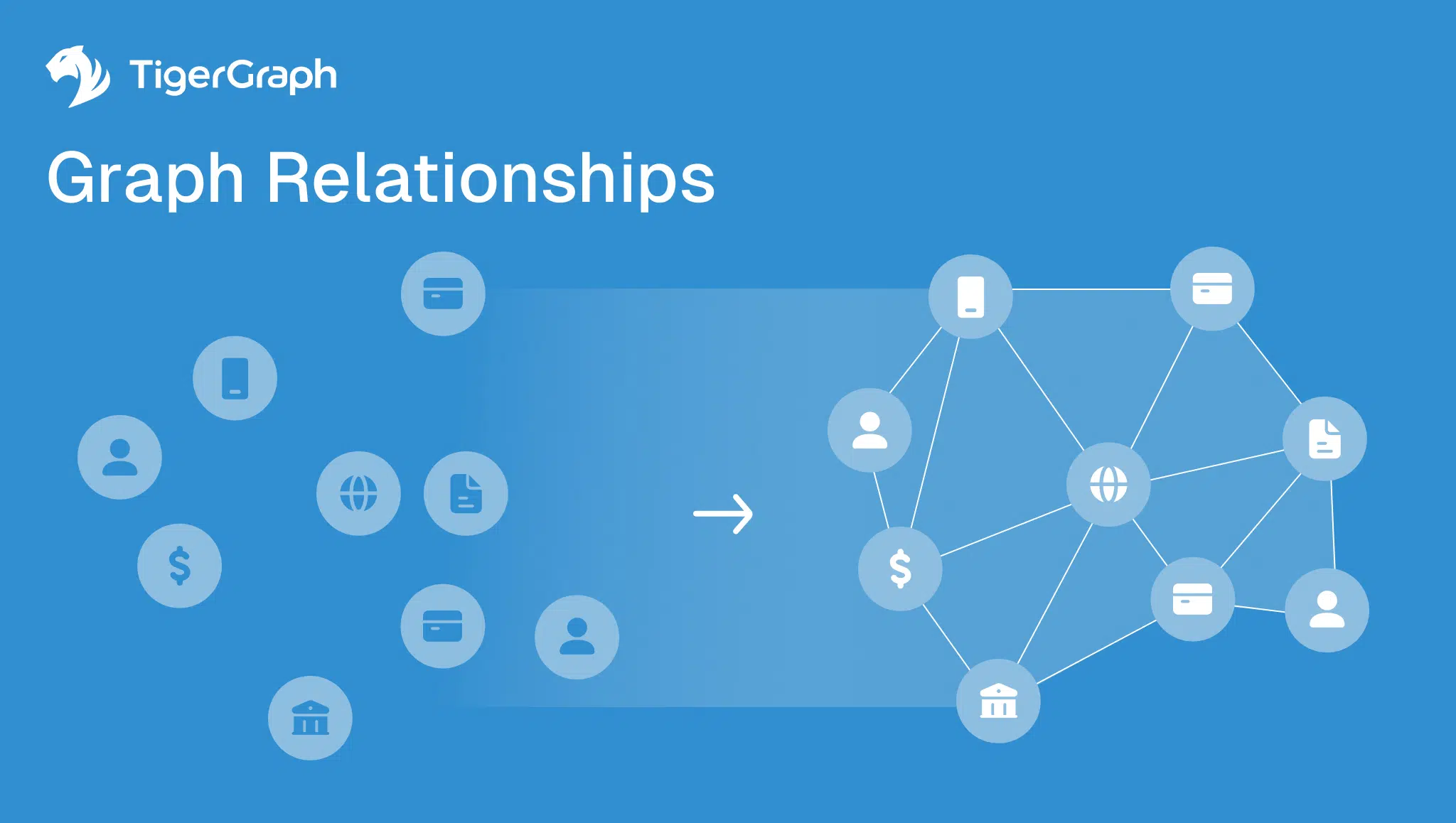
BeginnerConceptOct 20, 2025The Power of Graph Relationships: Turning Isolated Data into Connected InsightsEnterprises do not suffer from a lack of data, but they do suffer from data silos and a lack of connection. Context is lost. Adding relationships to the data solves this problem. Graph relationships map how people, accounts, devices, suppliers, and policies interact. AndDiscover
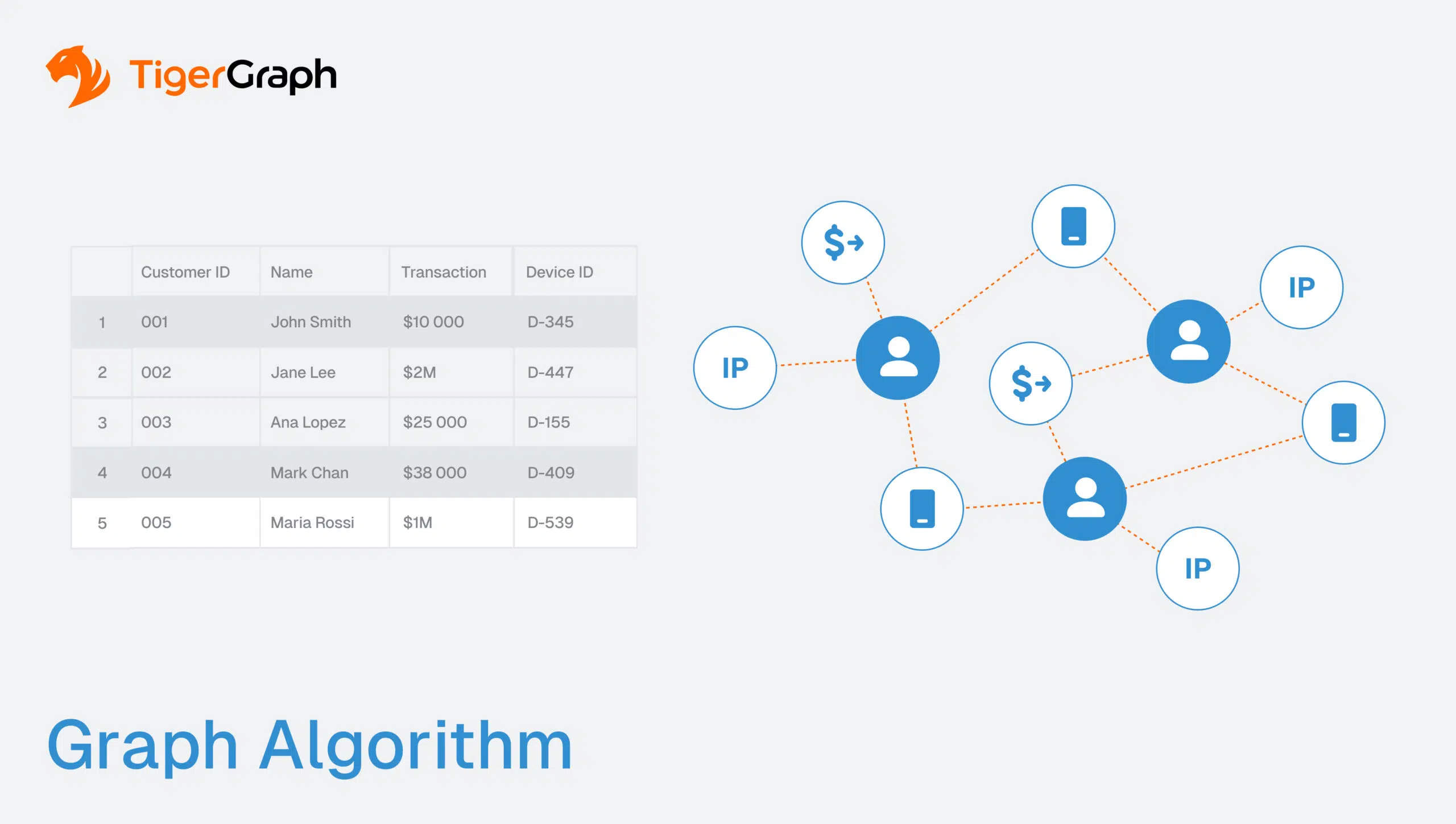
AdvancedConceptOct 9, 2025Graph Algorithms: The Secret Engine Behind Faster, Smarter Business GrowthEvery enterprise has tons of data, but most struggle to use it in ways that drive strategy. Graph algorithms are the hidden engines that bring those dots to life, revealing how people, accounts, devices, or products interact. Instead of isolated records, they uncover the relationshipsDiscover
ConceptConceptSep 12, 2025Graph Data Loading PerformanceGraph data loading performance measures how quickly a graph database can ingest, process, and prepare connected data for use. Unlike simple record inserts in relational systems, graph loading has to capture not only entities (nodes) but also the relationships (edges) that connect them. The performance of this process isDiscover
ConceptConceptAug 12, 2025Graph Database PerformanceGraph database performance describes how well a graph system handles its most critical tasks, including ingesting connected data, executing queries, navigating complex relationships, and running graph algorithms. It’s not just about raw speed. A high-performing graph database can respond quickly to real-world questions, scale as data grows, and stay reliableDiscover
ConceptConceptMay 15, 2025Scalable Graph DatabaseWhat the Enterprise Gets Wrong About Scalable Graph Databases Many enterprises assume scalability in a graph database simply means storing more data or expanding disk capacity. But graph workloads aren’t just about size—they’re about traversals, pattern matching, deep-link reasoning, and concurrent execution. Systems may buckle under real-world pressure without scaling query performance, ingestionDiscover
ConceptConceptApr 4, 2025Real-Time Graph AnalyticsReal-time graph analytics refers to the ability to process, analyze, and act on data the moment it is created. Rather than relying on scheduled batch jobs to crunch yesterday’s numbers, real-time systems operate on live streams—capturing transactional data, sensor signals, application logs, user interactions, and more as they happen. ThisDiscover
Tutorial1h 32m · Jan 14, 2021January 2021 Graph Gurus Workshop: Double the Performance of Your Fraud Detection SystemFinancial transaction fraud costs hundreds of billions in losses worldwide and affects all industries as online sales became the dominant channel with the COVID-19 pandemic. Current fraud detection solutions are struggling to keep up, especDiscover
ConceptAdvancedConceptv4.3Continuous Availability OverviewIntroduction HA (High Availability) is a generic term used to describe a computer system which has been architected to deliver higher levels of operational performance through enhanced uptime aDiscover
ConceptAdvancedConceptHow Savanna worksPurpose-built for graph analytics, TigerGraph Savanna empowers users to independently scale compute and storage resources, optimizing performance and cost-efficiency according to their specific requirements.Discover
ConceptAdvancedConceptRead/Write and Read Only WorkspacesRead-Write and Read-Only Workspaces will connect to the same database allowing users to dynamically control OLTP (define) and OLAP (define) workloads for complete isolation of analytical andDiscover