TigerGraph
ResourcesPathfinderDiscord(opens in a new tab)
Resources

Everything, In One Wall

Videos, courses, hands-on tutorials, docs, and blog posts. One place for every phase of learning.

TigerGraph
ResourcesPathfinderDiscord(opens in a new tab)

© 2026 Tiger Graph Dev Hub. All rights reserved.

  • Privacy Policy|
  • Terms of Service

Applied · 3

Clear all
  • Tutorial
  • Case study
  • Article

Levels

  • All Resources
  • Beginner
  • Intermediate
  • Advanced

Categories

  • Videos514
  • Docs644
  • Glossary50
  • Blog posts222

Assets

  • Definition36
  • Tutorial113
  • How-to guide319
  • Reference312

Tags

  • #Fraud and AML
  • #Entity resolution
  • #Recommendations
  • #GraphRAG and AI
  • #Graph machine learning
  • #Search
  • #Network analysis
  • #Performance and scale
  • #Running TigerGraph

312 resources · page 10 of 26

NewestOldest
3 Col Grid2 Col GridList
ArticleOct 7, 2025

Graph for LLM Observability. The Missing Layer in Agentic AI

Graph for LLM Observability is The Missing Layer in Agentic AI Systems Today’s large language models (LLMs) aren’t just responding to prompts; they’re taking action. As these models evolve into autonomous agents capable of making decisions, adapting to new information, and chaining complex tasks together, the stakes get higher. This new generation of agentic AI
Code & samples
126
  • Graph Resources52
  • Concept
    109
  • Troubleshooting12
  • Security advisory4
  • Runbook
  • Article173
  • Case study26
  • Talk298
  • Release note24
  • Demo114
  • Webinar12
  • Event12
  • Report24
  • #Evaluating graph
    Discover
    ArticleOct 3, 2025

    Before You Flag It as Fraud, Know Who You’re Dealing With

    Banks operate on trust, but that trust is under siege. Every new account or transaction could belong to a loyal customer, or to a fraudster exploiting blind spots. Knowing the difference has become the defining challenge for fraud prevention and compliance. The reputational damage

    Discover
    ArticleOct 1, 2025

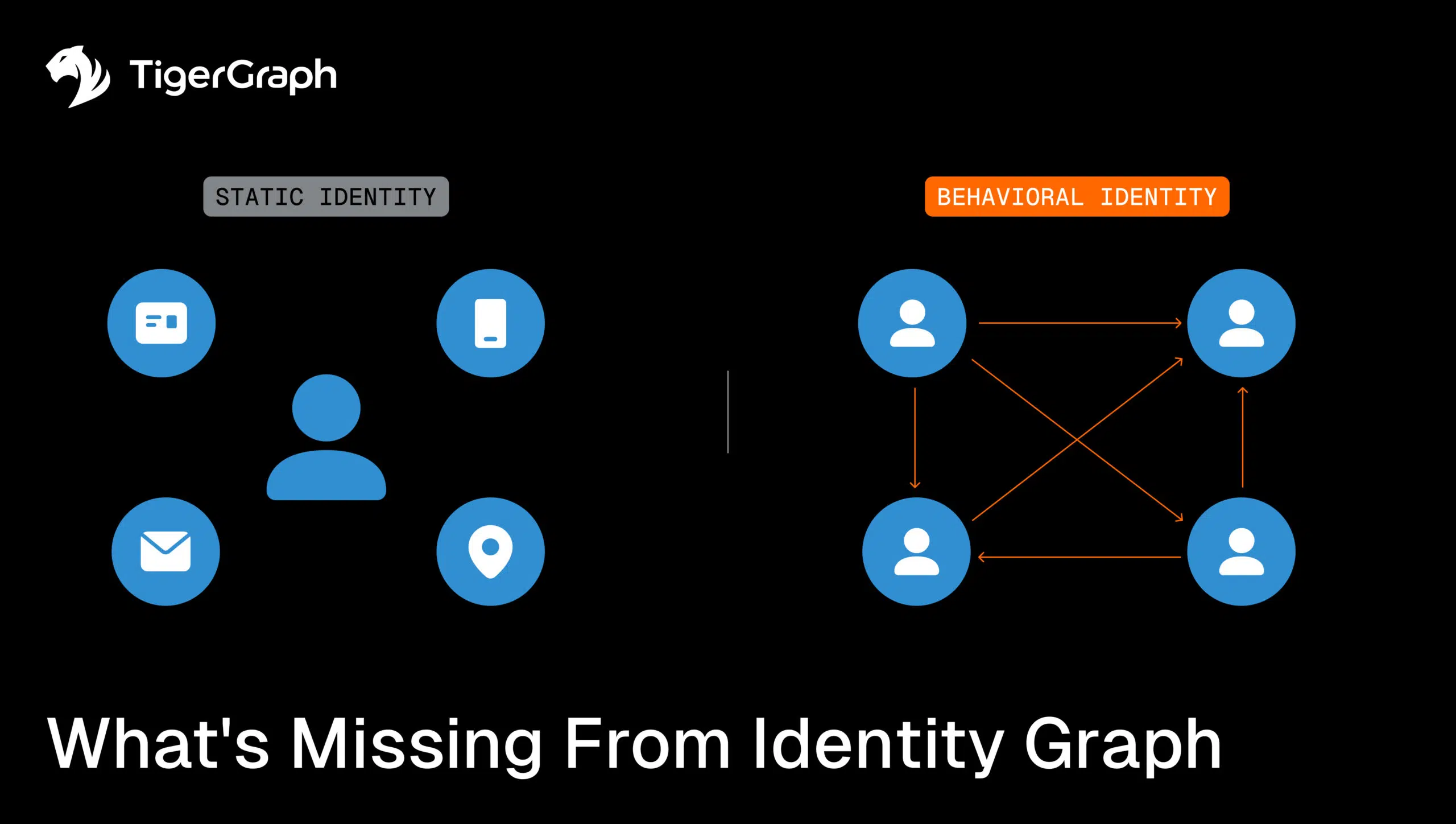
    What’s Missing from Your Identity Graph? Behavior.

    Behavior is the missing layer in most identity graphs, especially when it comes to financial crime and AML/KYC programs. Although banks have unified names, addresses, and device IDs into consolidated profiles, what they often lack is the dynamic activity that exposes risk in real time. Forward-thinking businesses are

    Discover
    ArticleSep 30, 2025

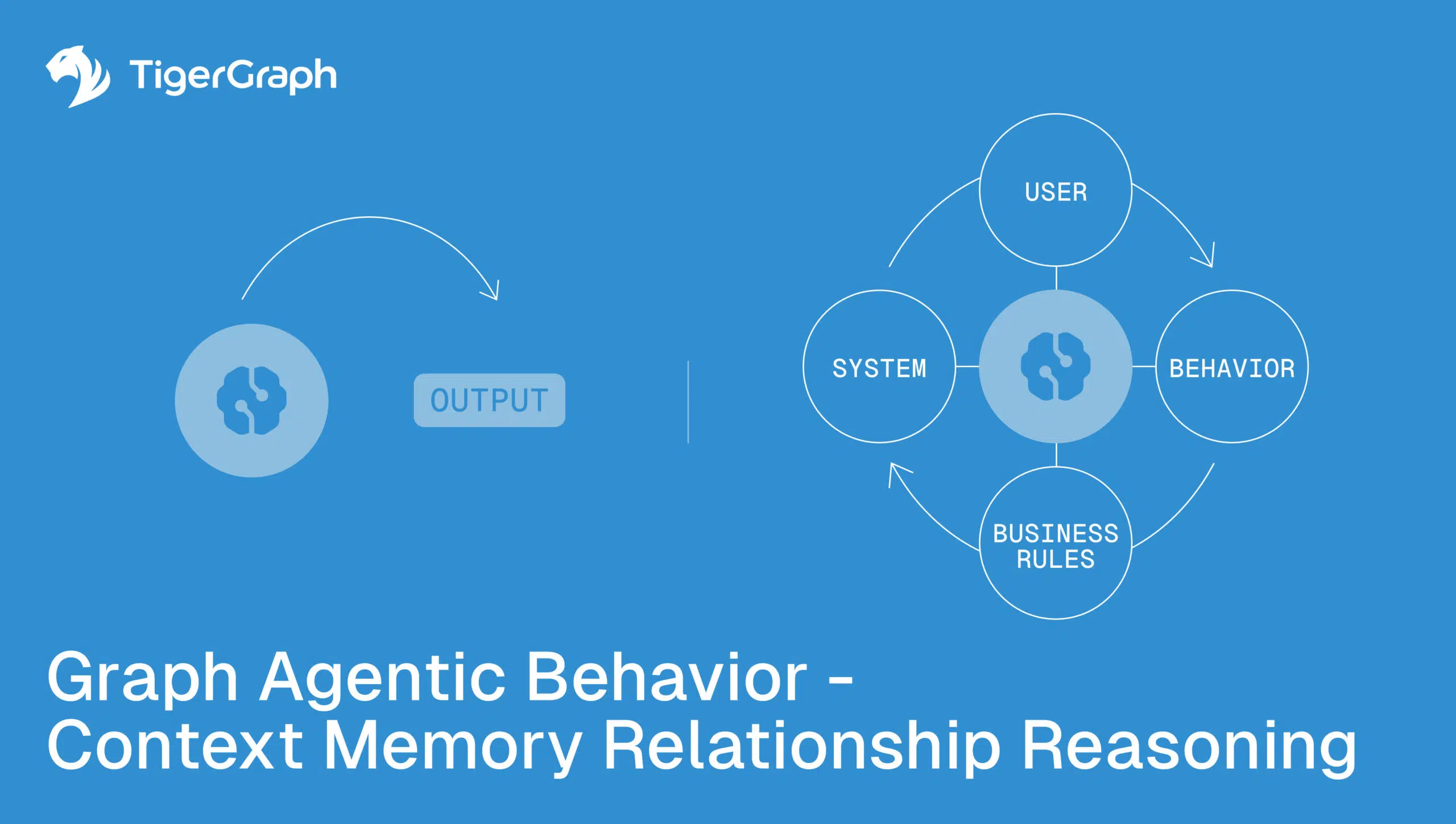
    Graph-Powered Agentic AI. Real-Time Context and Reasoning

    Using Graph to Ground Agent Reasoning in Real Time Autonomous AI agents don’t just need instructions—they need context to reason. As AI systems grow more agentic, taking initiative, coordinating tasks, and acting independently, the question becomes not just what they’re doing, but how they decide what to do. This context-grounded reasoning isn’t a bonus feature.

    Discover
    ArticleSep 25, 2025

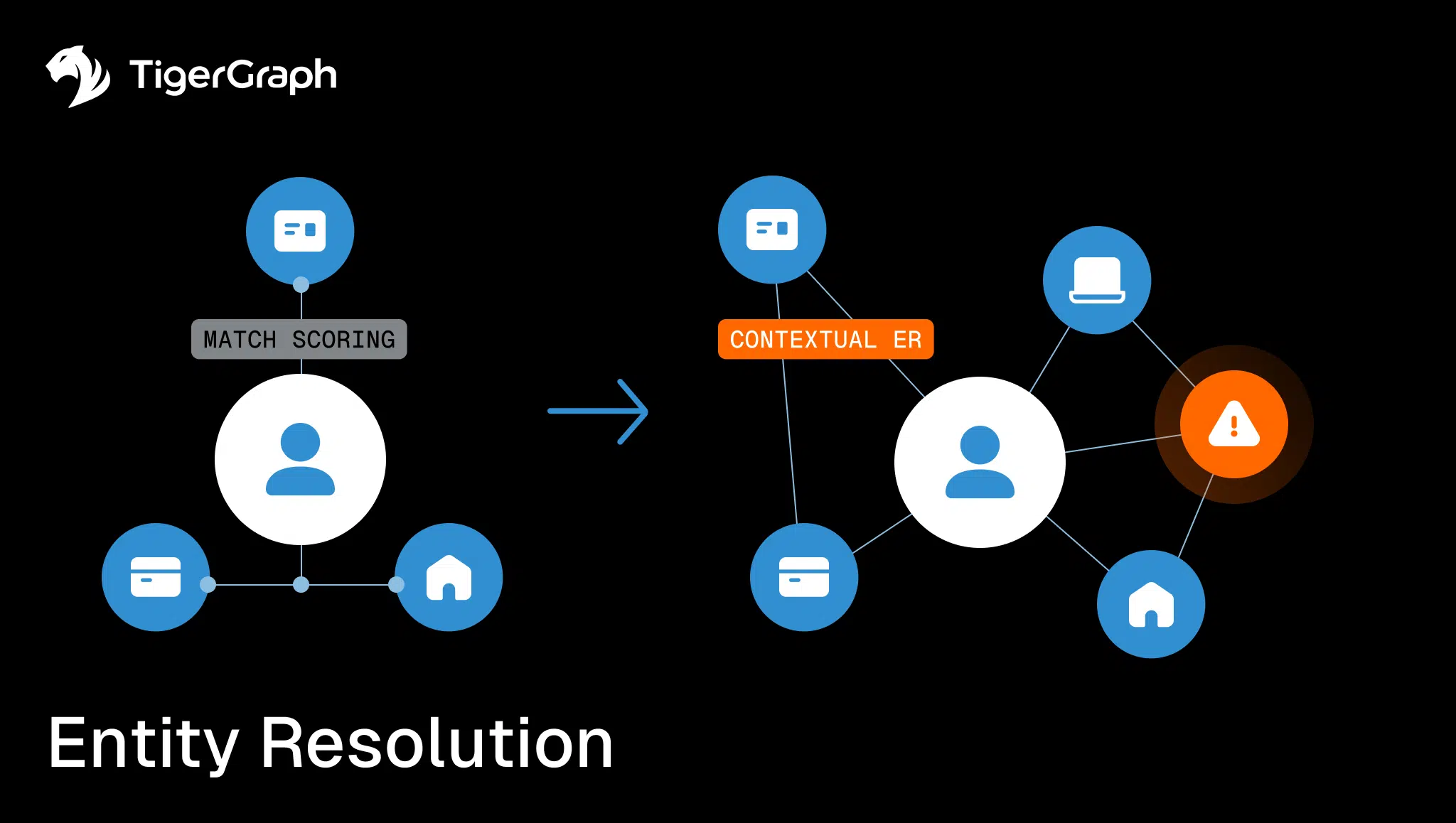
    Contextual Entity Resolution in Banking – Beyond Just Matching

    Every major bank faces one deceptively simple question: Who are we really dealing with? It’s a question that runs through every process in modern banking, from onboarding to fraud detection to AML/KYC compliance—all of which hinge on identity resolution in banking. Most institutions rely on match

    Discover
    ArticleSep 23, 2025

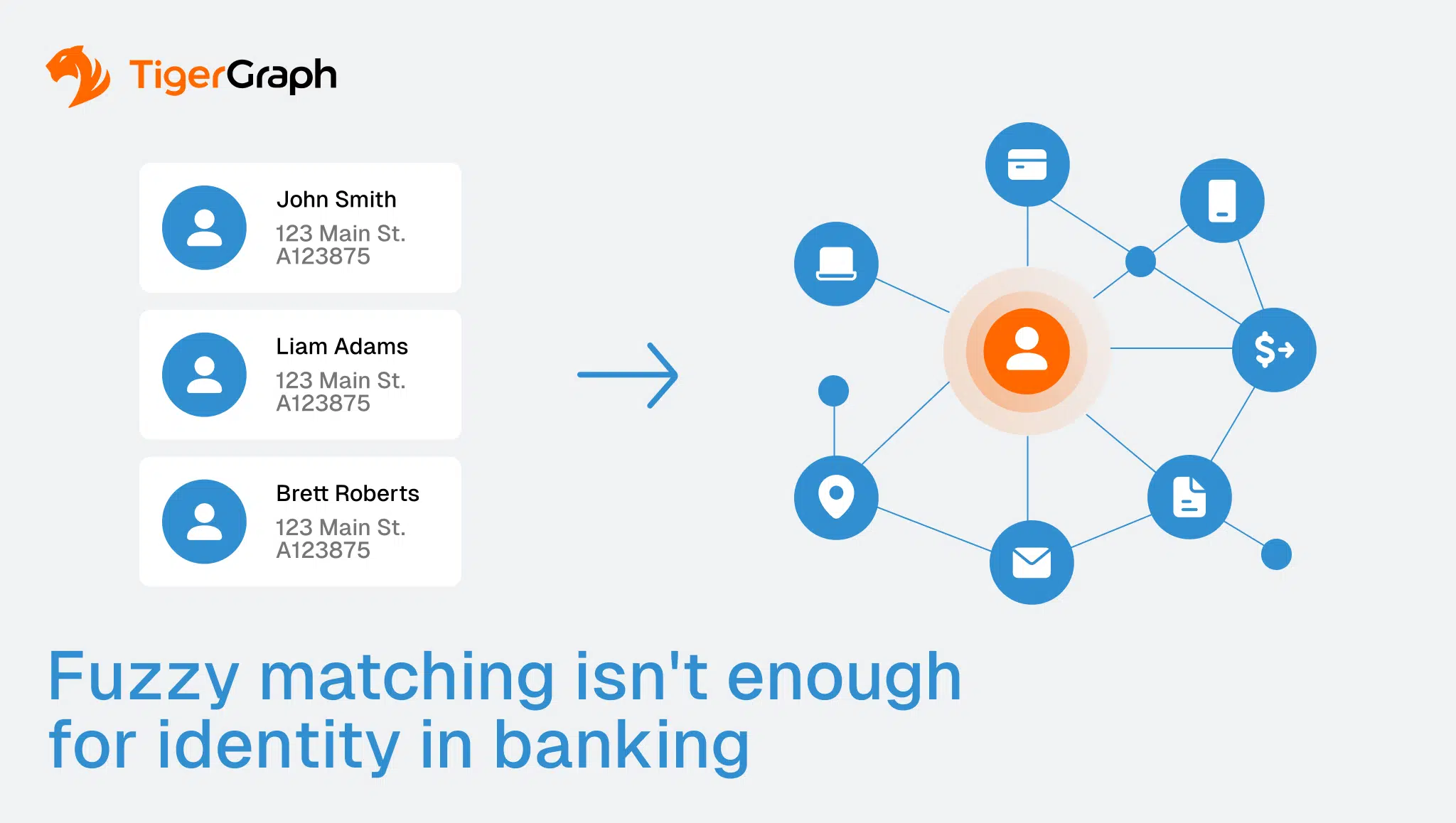
    Why Match Scoring Fails | Graph-Powered Identity Resolution in Banking

    Why Matching Scoring Isn’t Enough for Identity in Banking Identity is the heart of modern banking. Every compliance check, every AML investigation, every onboarding workflow ultimately depends on answering one deceptively simple question: who are we really dealing with? This is the challenge of identity resolution in banking. And the stakes could not be higher.

    Discover
    AdvancedArticleSep 18, 2025

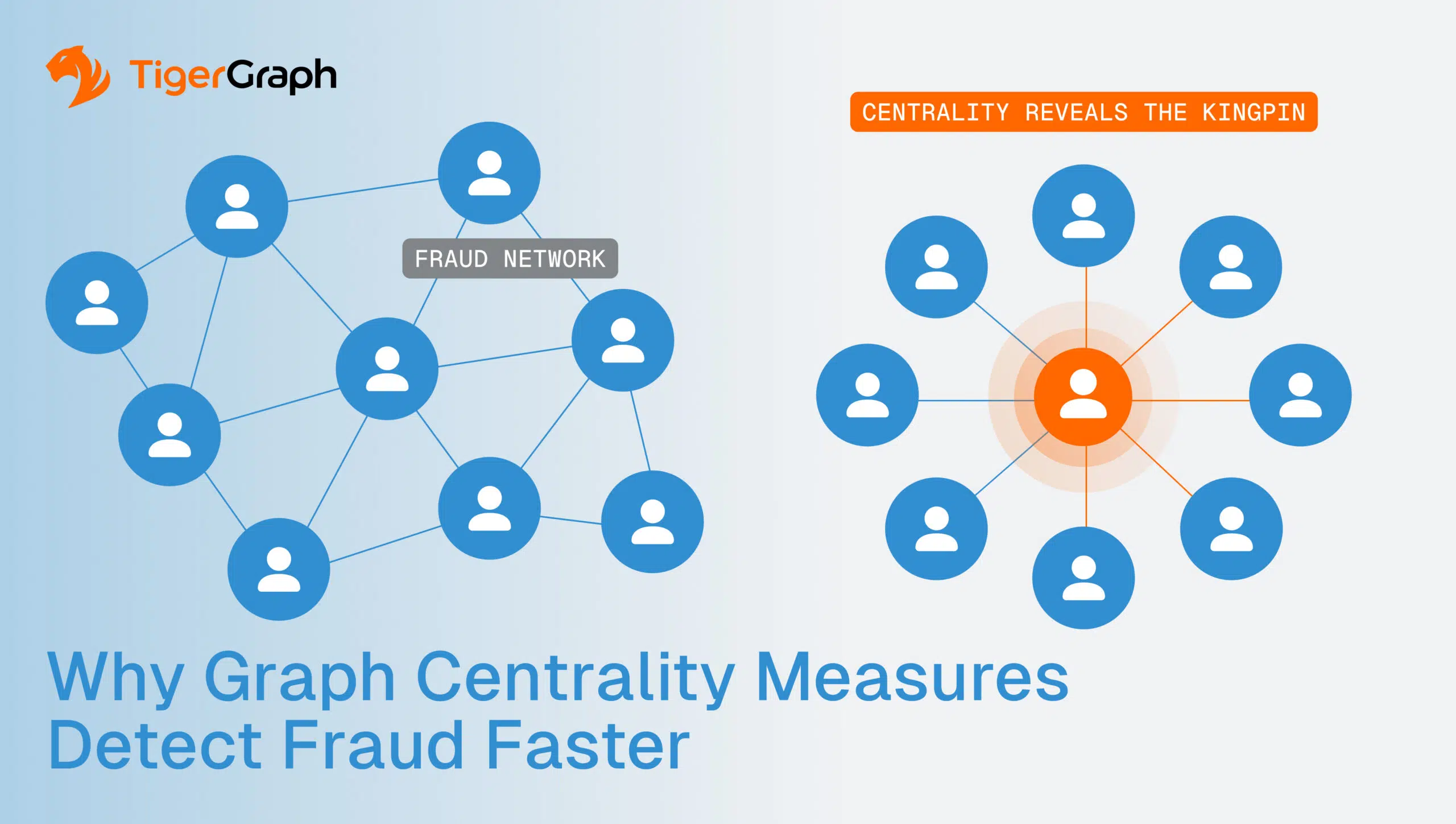
    Why Graph Centrality Measures Detect Fraud Faster

    Fraud hides in the connections between people, accounts, merchants, and devices. It spreads quietly until the losses add up. Traditional fraud detection tools look for anomalies in transactions, but they miss which entities matter most in a fraud network. This is why fraud network analysis powered by graph

    Discover
    AdvancedArticleSep 15, 2025

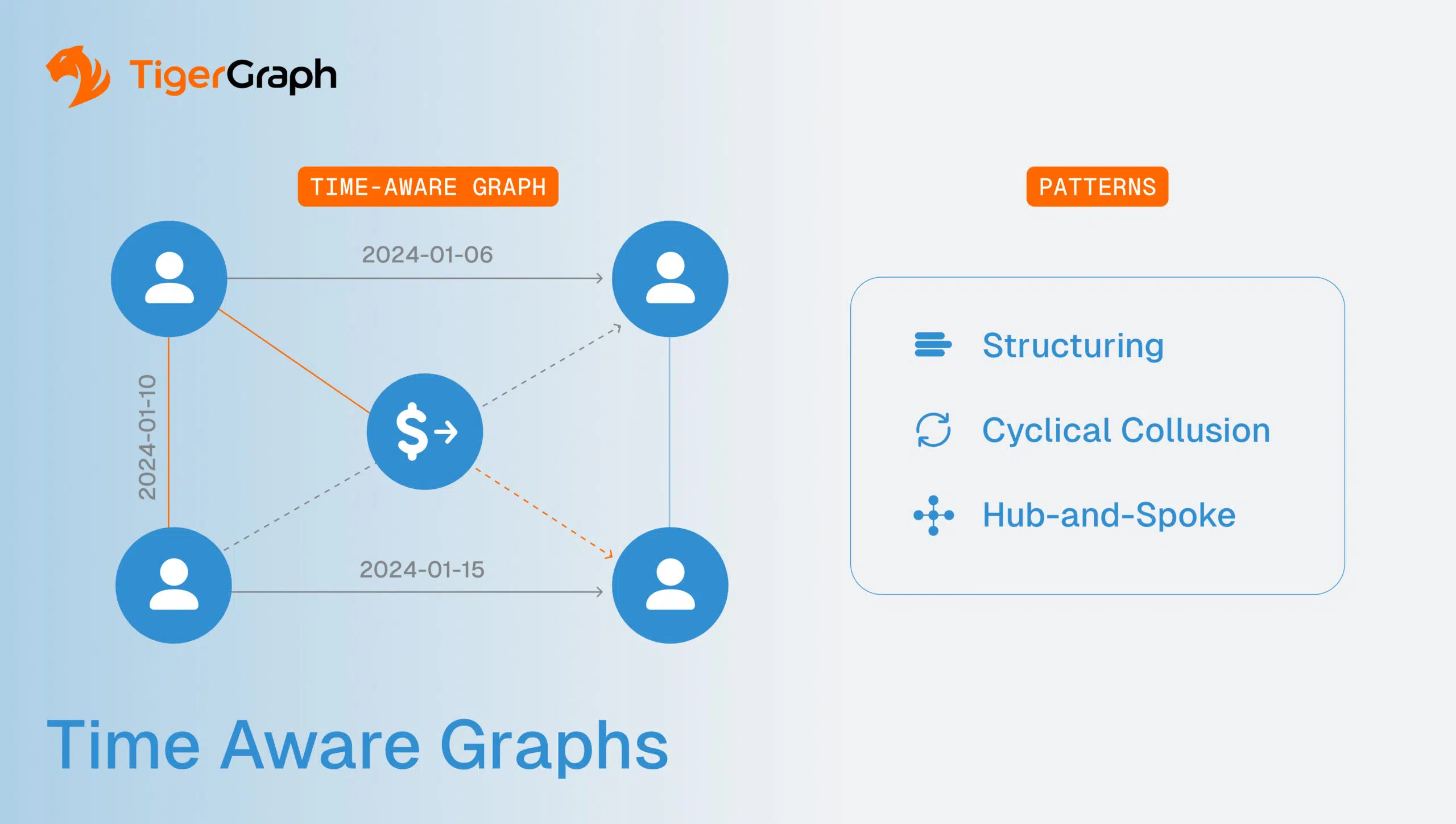
    Time-Aware Graphs: Solving Temporal Risk in AML

    The AML problem isn’t static, and your graph can’t be either. Money laundering doesn’t follow neat rows in a spreadsheet. It mutates over time. A series of deposits just under reporting thresholds may appear benign until you notice they always occur right before the cutoff windows. Layering schemes

    Discover
    AdvancedArticleSep 10, 2025

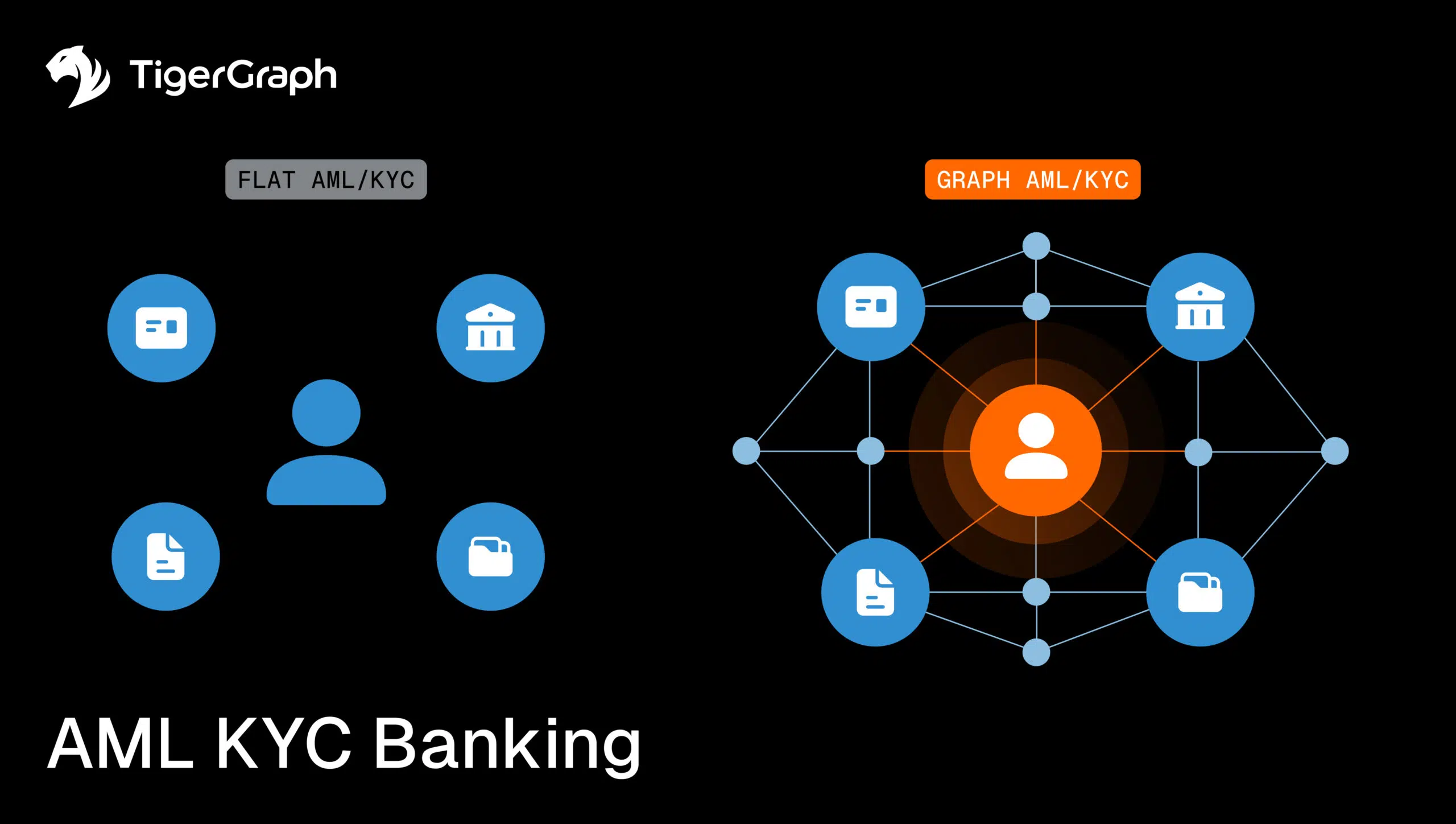
    How Graph Databases Power AML/KYC in Banking

    Compliance is at a breaking point. Anti-Money Laundering (AML) and Know Your Customer (KYC) requirements have never been more demanding. Banks are expected to stop financial crime while maintaining seamless customer experiences, and all under the scrutiny of regulators who demand accuracy, auditability, and explainability. The challenge isn’t

    Discover
    AdvancedArticleSep 8, 2025

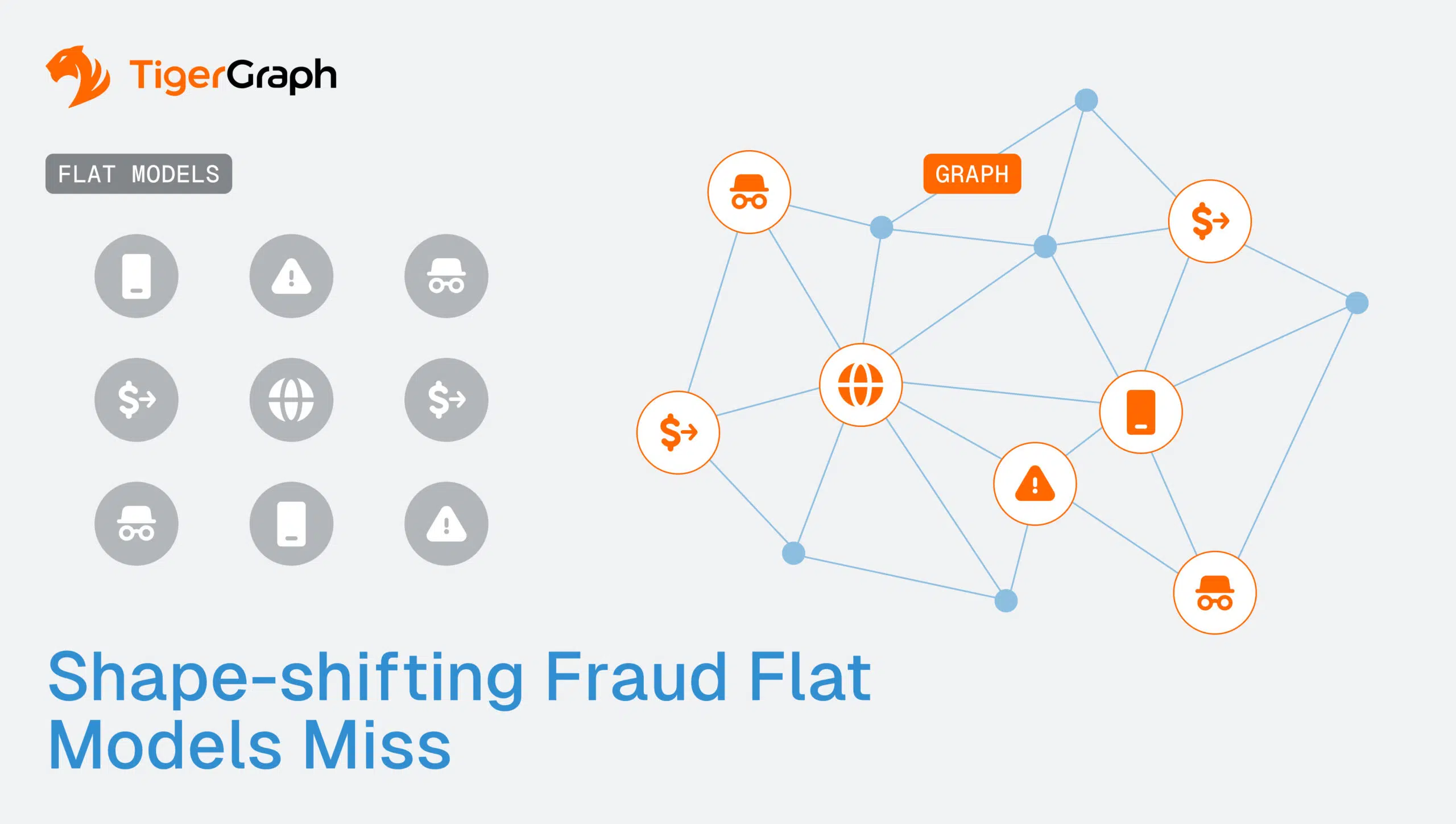
    Shape-shifting Fraud Flat Models Miss

    Why Detecting Fraud Rings and Collusion Requires a Graph-First Approach Fraud today isn’t a single stolen card or a suspicious wire. It’s organized, adaptive, sprawling, and hard to spot. Networks of mule accounts, synthetic identities, complicit merchants, and cross-border facilitators work together in carefully orchestrated rings. By the time a traditional detection system flags a

    Discover
    AdvancedArticleSep 3, 2025

    How to Future-Proof KYC Against Regulatory Change

    Regulatory compliance has always been a moving target, but Know Your Customer (KYC) stands apart for how quickly the ground shifts beneath it. One year, banks are grappling with heightened due diligence on politically exposed persons. Next, they’re adapting to crypto-linked laundering, sanctioned entities that appear overnight, or

    Discover
    ArticleSep 2, 2025

    Using Graph Context to Secure Autonomous AI Agents

    As agentic AI systems move from labs to real-world deployment, the question is changing. It’s no longer just about what these agents can do—it’s about how to keep them in check. How do you give AI agents the autonomy to act without giving them the freedom to

    Discover
    1…91011…26