TigerGraph
ResourcesPathfinderDiscord(opens in a new tab)
Resources

Everything, In One Wall

Videos, courses, hands-on tutorials, docs, and blog posts. One place for every phase of learning.

TigerGraph
ResourcesPathfinderDiscord(opens in a new tab)

© 2026 Tiger Graph Dev Hub. All rights reserved.

  • Privacy Policy|
  • Terms of Service

Applied · 3

Clear all
  • Blog posts
  • Docs
  • Code & samples

Levels

  • All Resources
  • Beginner
  • Intermediate
  • Advanced

Categories

  • Videos514
  • Docs644
  • Glossary50
  • Blog posts222

Assets

  • Definition36
  • Tutorial113
  • How-to guide319
  • Reference312

Tags

  • #Fraud and AML
  • #Entity resolution
  • #Recommendations
  • #GraphRAG and AI
  • #Graph machine learning
  • #Search
  • #Network analysis
  • #Performance and scale
  • #Running TigerGraph

992 resources · page 10 of 83

NewestOldest
3 Col Grid2 Col GridList
ArticleFeb 4, 2026

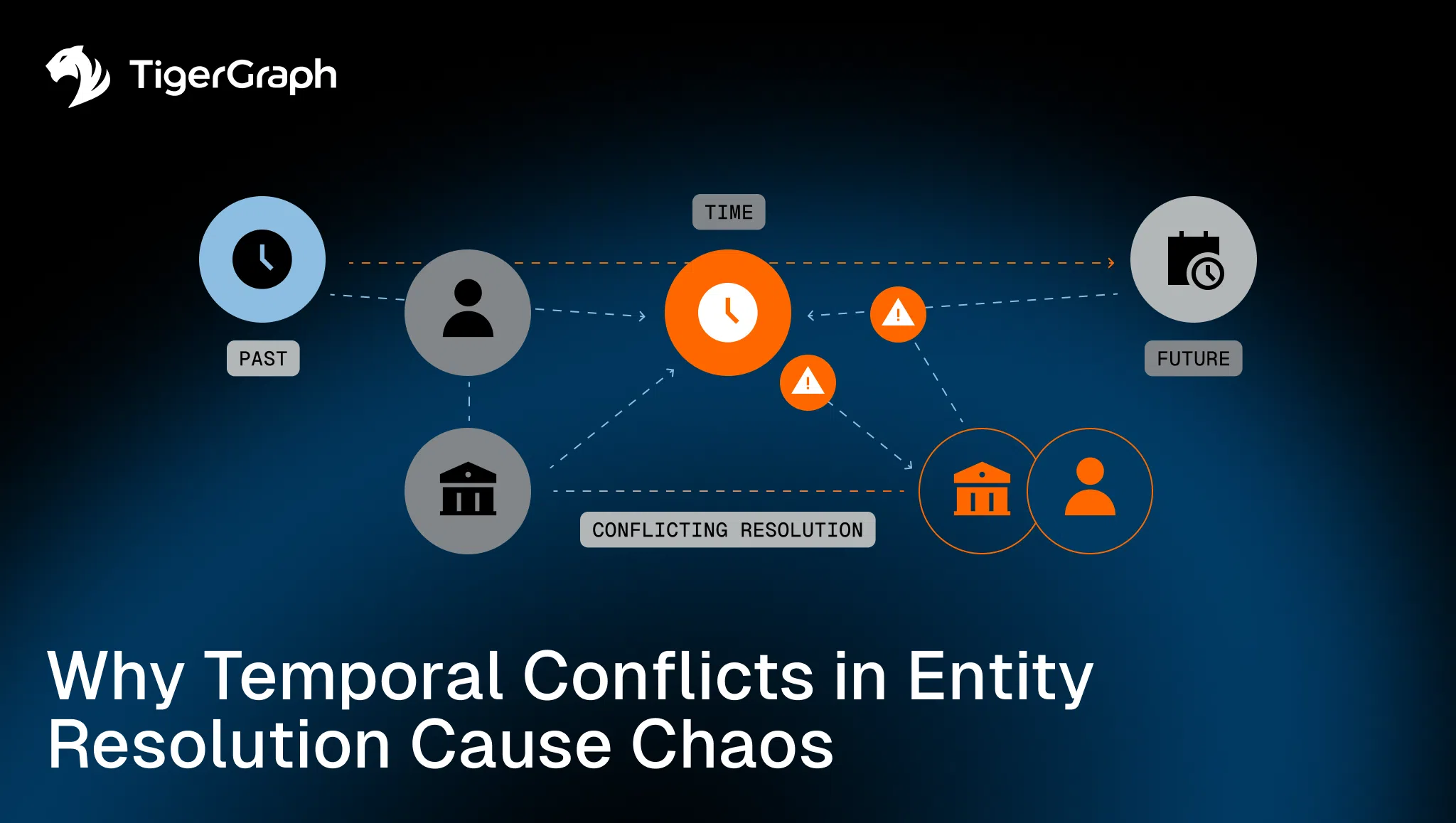
Why Temporal Conflicts in Entity Resolution Cause Chaos

Entity resolution often assumes that identity becomes more stable over time. As more data arrives, records are expected to converge, links are expected to strengthen, and confidence is expected to increase. But in reality, time can be disruptive. Many entity resolution failures do not stem from missing
Code & samples
126
  • Graph Resources52
  • Concept
    109
  • Troubleshooting12
  • Security advisory4
  • Runbook
  • Article173
  • Case study26
  • Talk298
  • Release note24
  • Demo114
  • Webinar12
  • Event12
  • Report24
  • #Evaluating graph
  • Discover
    How-to guideJan 29, 2026

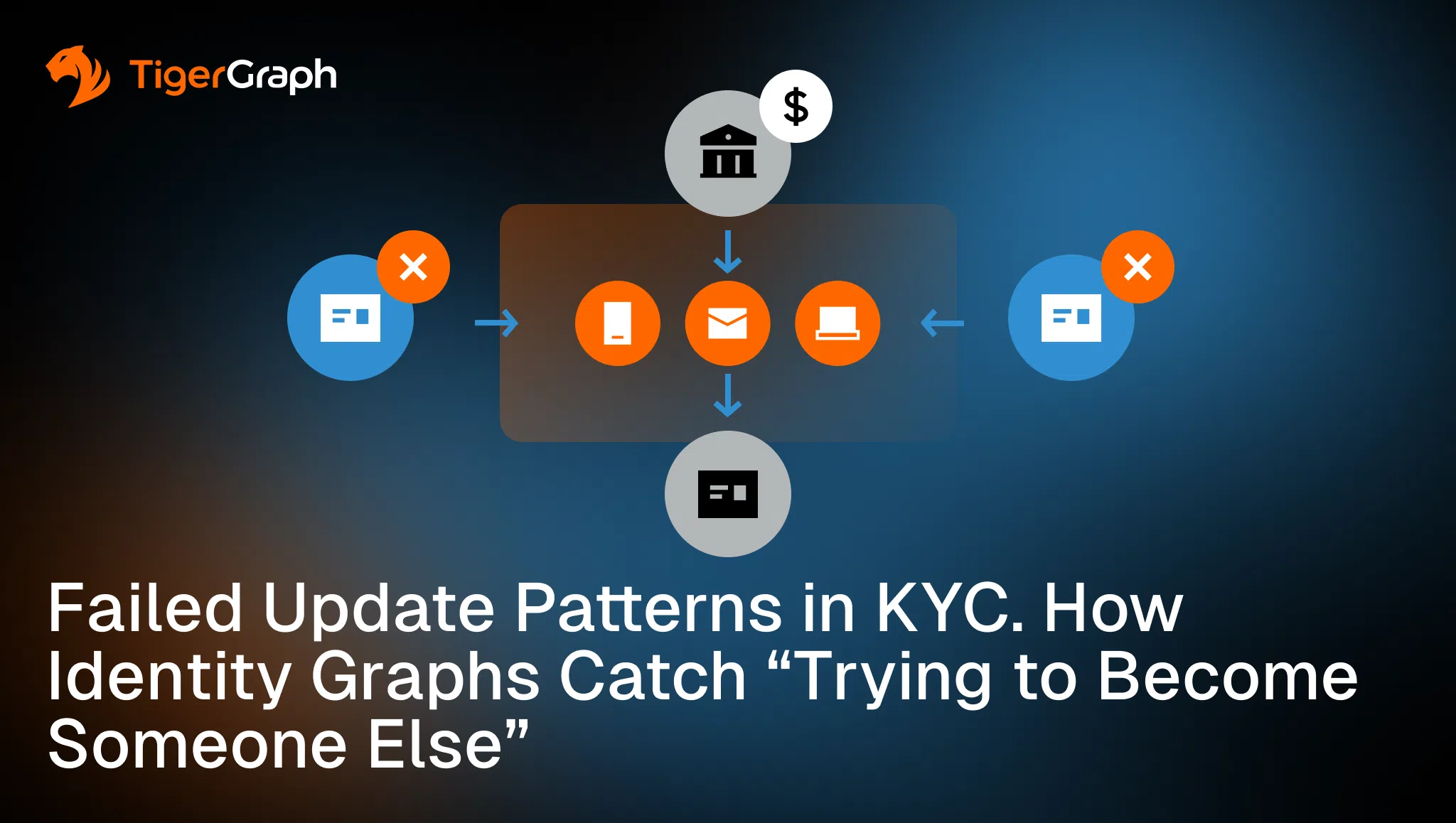
    Failed Update Patterns in KYC. How Identity Graphs Catch “Trying to Become Someone Else”

    Profile updates are a routine part of know-your-customer (KYC) operations. Customers change phone numbers, addresses and contact details. Systems validate those updates and either accept or reject them. What happens when those updates fail? In most programs, a failed update is

    Discover
    ConceptJan 28, 2026

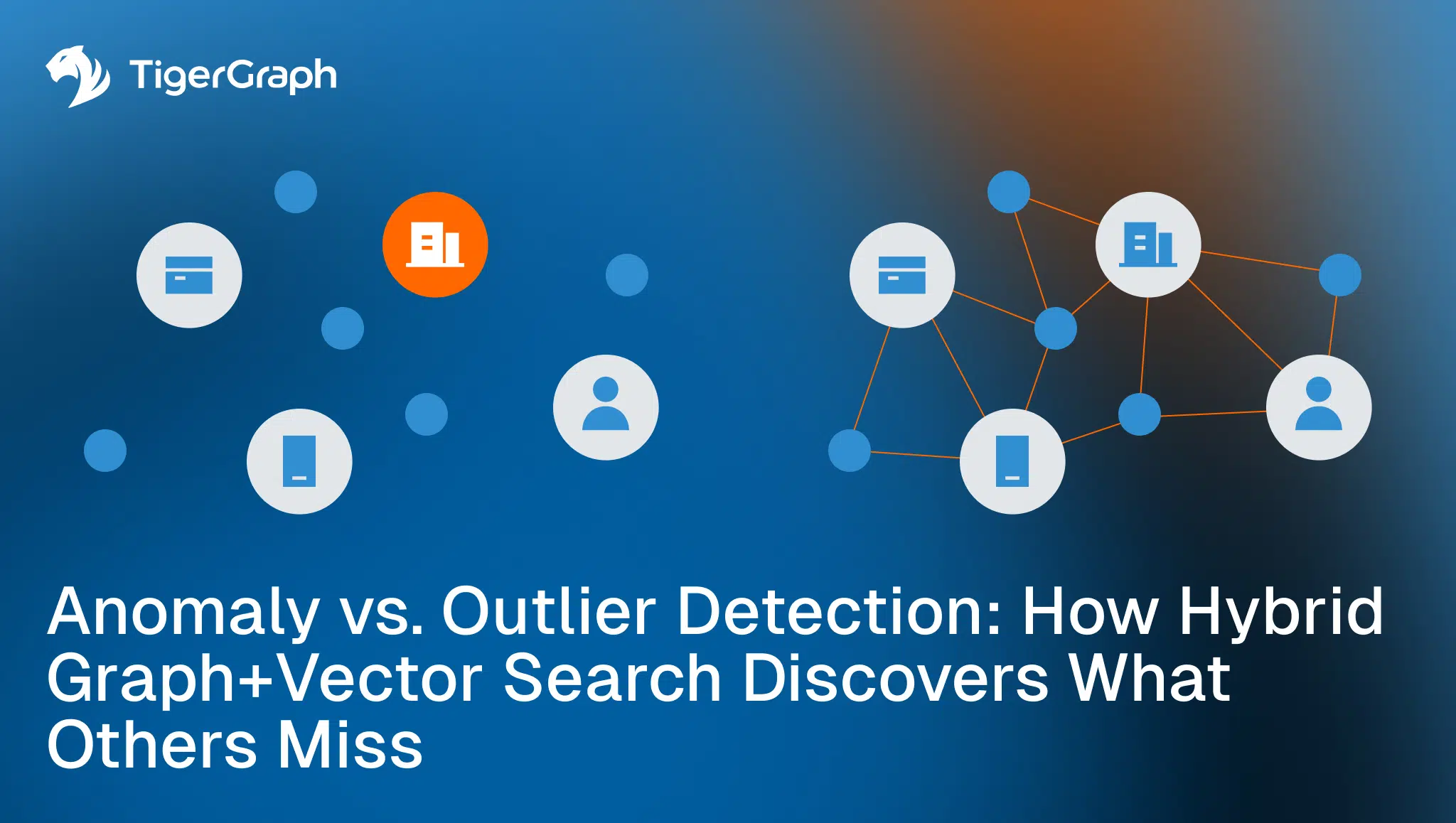
    Anomaly vs. Outlier Detection: How Hybrid Graph+Vector Search Discovers What Others Miss

    The terms anomaly detection and outlier detection are often used interchangeably, but they represent two distinct strategies for identifying irregularities in data. Understanding the difference is foundational to building effective detection models, especially in critical areas like fraud prevention, cybersecu

    Discover
    ConceptJan 22, 2026

    Money Laundering Detection with AML Graph Analytics’ Structuring and Layering

    Funds move through accounts, intermediaries, shell companies and payment channels in ways designed to break the trail. Traditional transaction monitoring tools flag isolated events but miss suspicious activity patterns that are part of a bigger story and only make sense when you view related accounts,

    Discover
    IntermediateHow-to guideJan 22, 2026

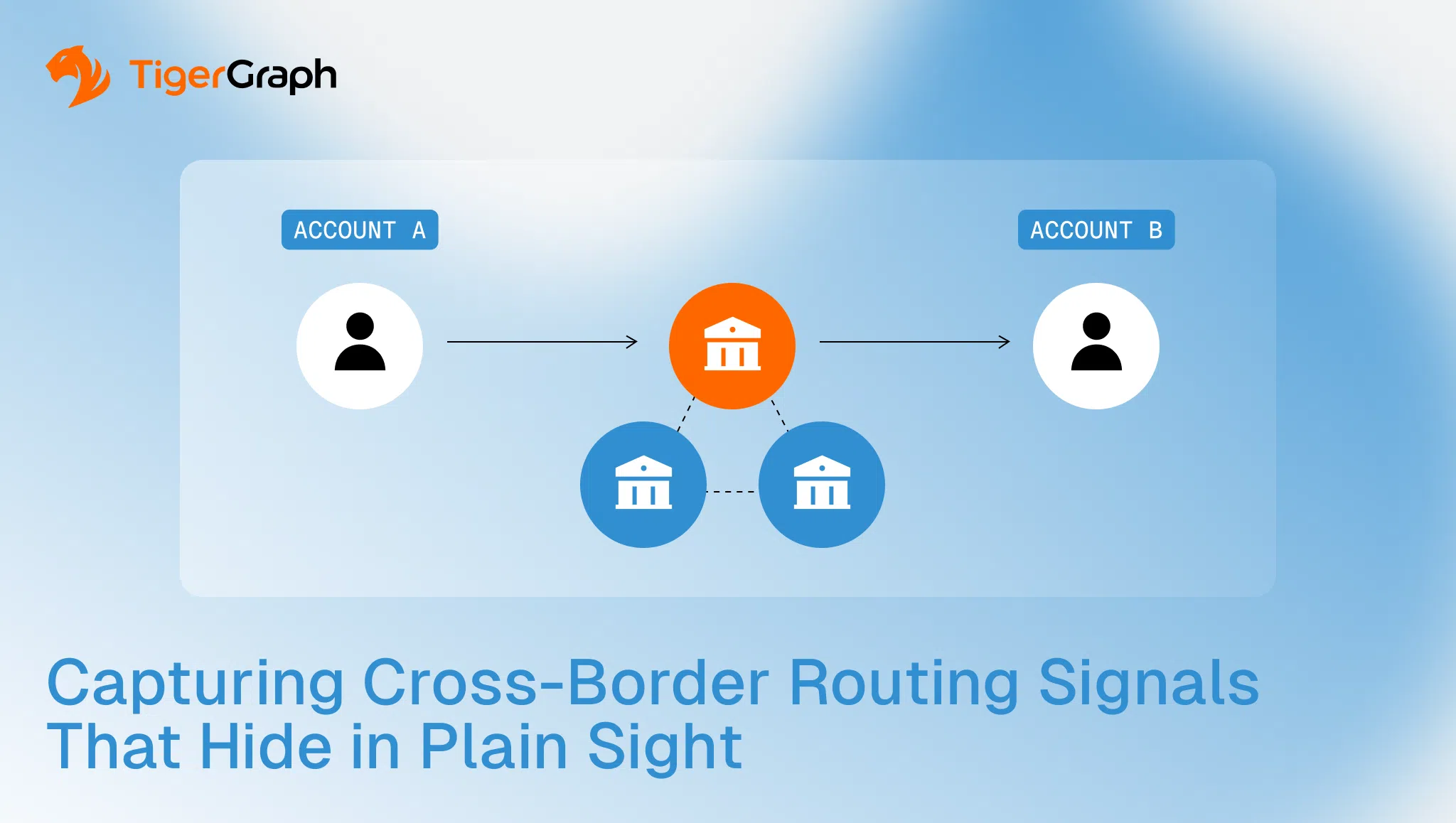
    Capturing Cross-Border Routing Signals That Hide in Plain Sight

    Cross-border routing risk usually shows up in the route choices, not the transfer amount. The same corridor, meaning the same route between two countries or jurisdictions, keeps reappearing. The same intermediary, which is the institution or account used as a middle step, shows up in the

    Discover
    How-to guideJan 21, 2026

    How Graph Analysis Finds Repeating Laundering Patterns

    A typology is a common pattern of suspicious behavior that compliance teams watch for. Some typologies show up as repeating connection patterns, such as loops, funnels, chains, and pass-through flows, not as one-off rule hits. That matters because a single transaction does not raise an alarm, but the

    Discover
    ReferenceJan 15, 2026

    A Buyer’s Guide to the Fraud Technology Market

    Fraud programs are not struggling because they lack tools. They are struggling because many tools do not share a consistent view of who is involved and how activity connects across systems. As a result, teams spend significant time rebuilding context manually before they can make a decision.

    Discover
    How-to guideJan 15, 2026

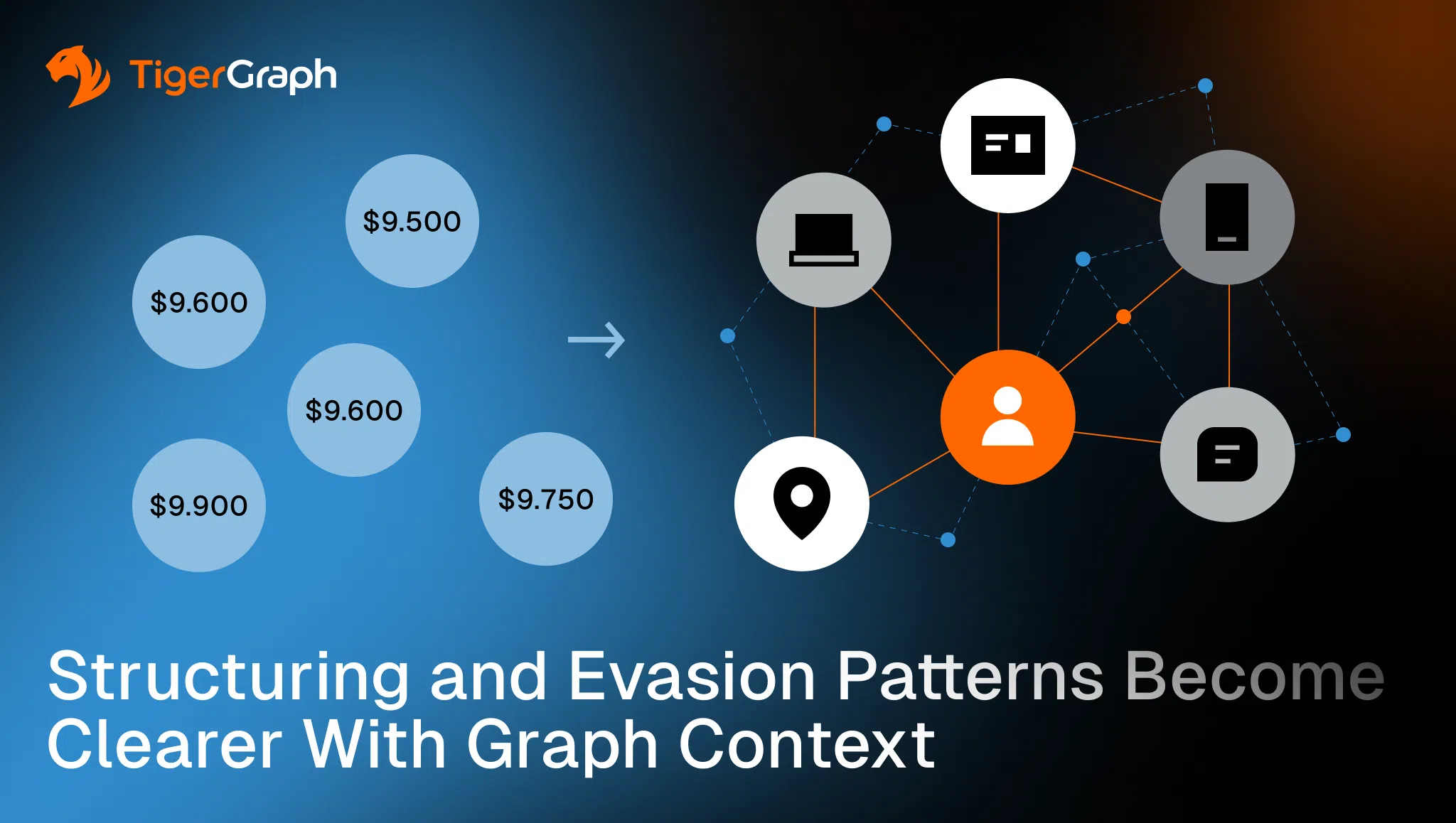
    Structuring and Evasion Patterns Become Clearer With Graph Context

    Thresholds can create blind spots. Structuring is a common example. Structuring means splitting activity into smaller transactions to avoid attention tied to thresholds. When activity is split across linked accounts, shared devices, and repeated destinations, each piece can look compliant while the combined behavior suggests coord

    Discover
    BeginnerHow-to guideJan 13, 2026

    High-Impact Graph Database Project Ideas for Modern Data Teams

    Modern data teams do not need more abstract diagrams or theoretical exercises. They need graph projects that help them understand what is really happening inside their systems. When a graph is modeled cleanly, the relationships stop being guesswork and start acting like a diagnostic instrument. Suddenly,

    Discover
    BeginnerHow-to guideJan 8, 2026

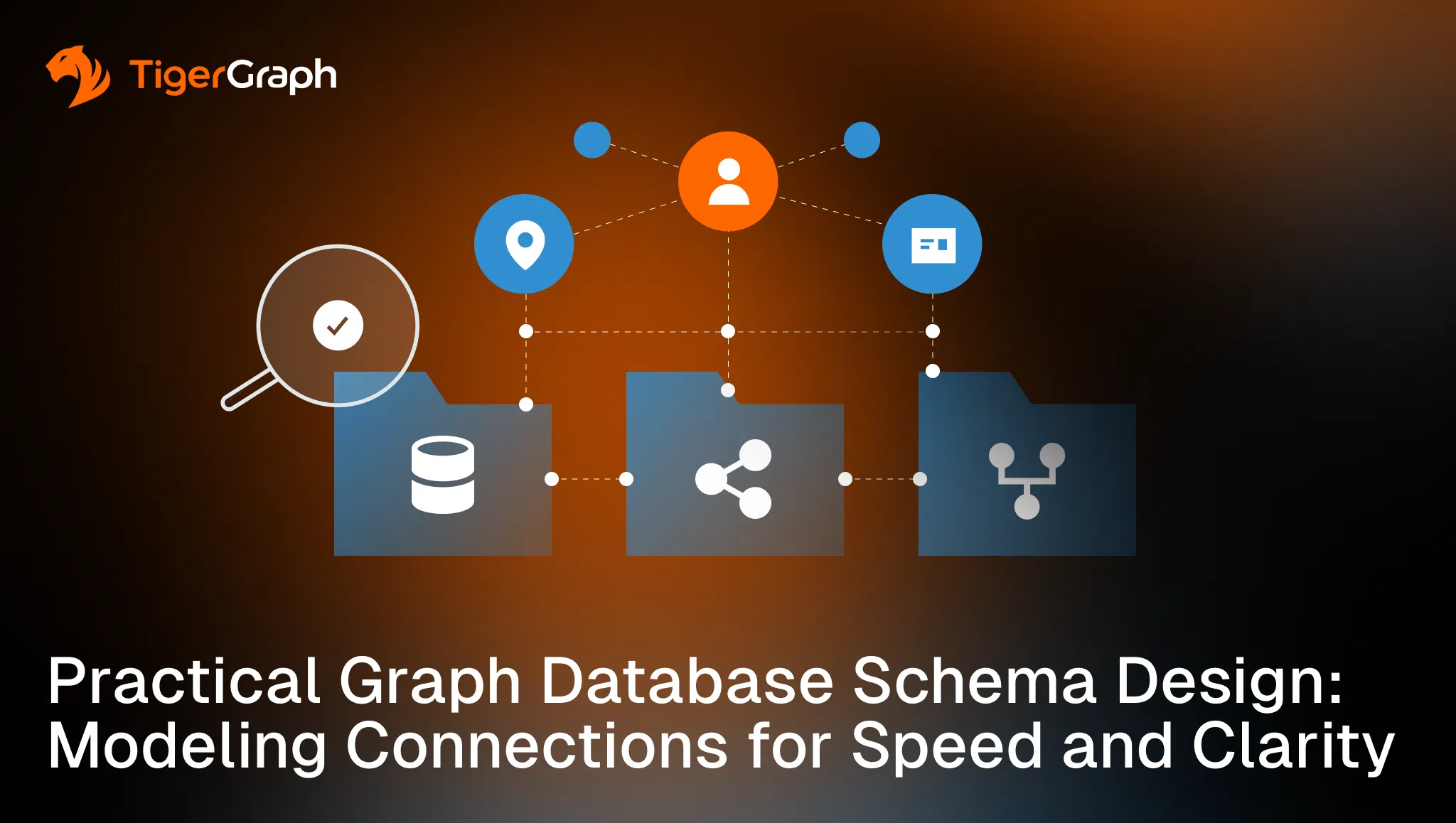
    Practical Graph Database Schema Design: Modeling Connections for Speed and Clarity

    High-Performance Graph Database Schema Design for Connected Data | TigerGraph A graph database schema defines the structure of data, including the entities in the domain, the connections between them, and the rules that shape those connections. It acts as the blueprint for how information is stored and how traversal should behave. A clear schema makes

    Discover
    BeginnerConceptJan 8, 2026

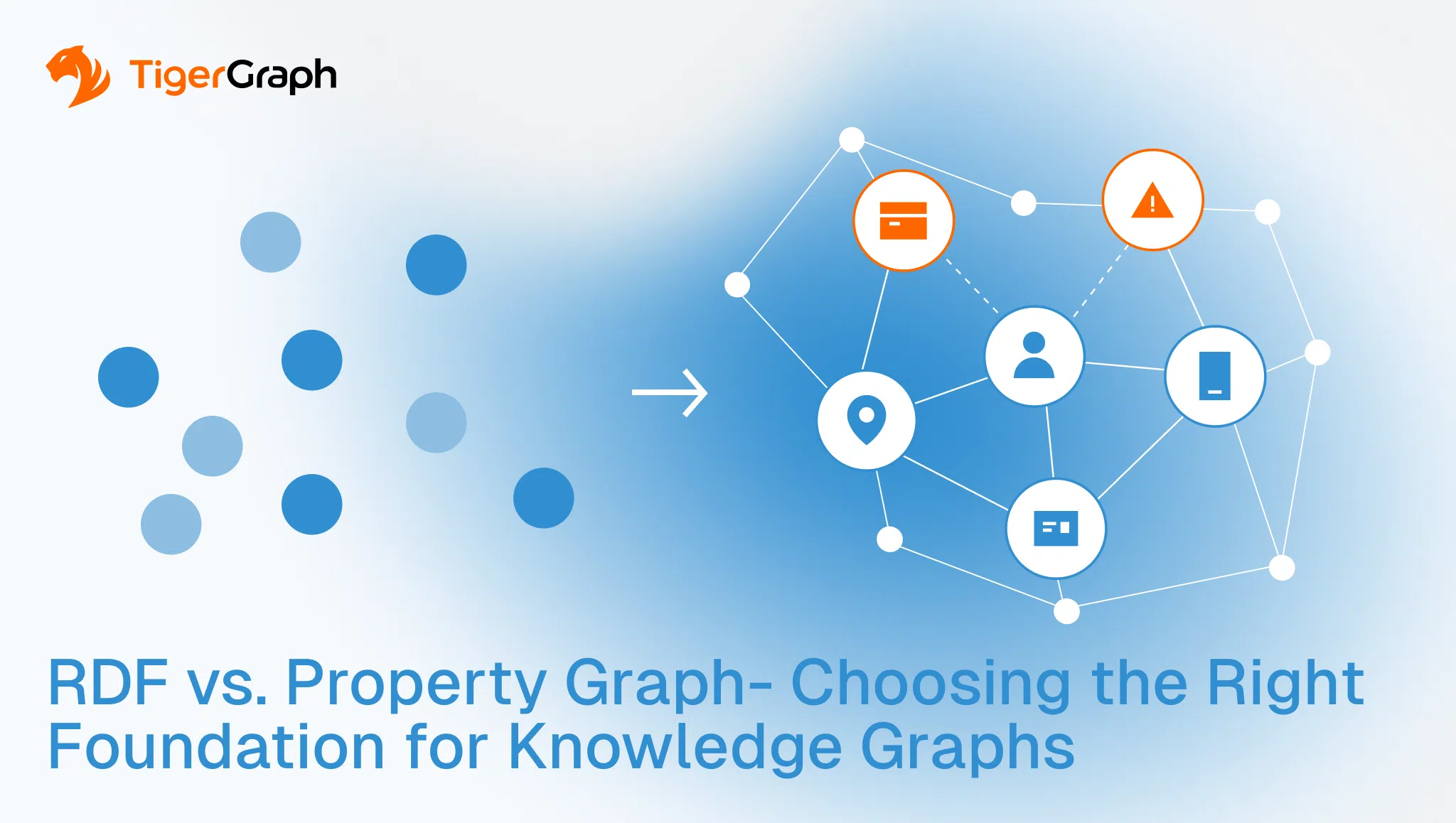
    RDF vs. Property Graph: Choosing the Right Foundation for Knowledge Graphs

    Every organization that builds a knowledge graph faces the same architectural crossroads at some point. Should the system use RDF for semantic precision, or a property graph for analytical performance? This choice determines so much, like how relationships are represented and how queries scale.

    Discover
    ConceptJan 7, 2026

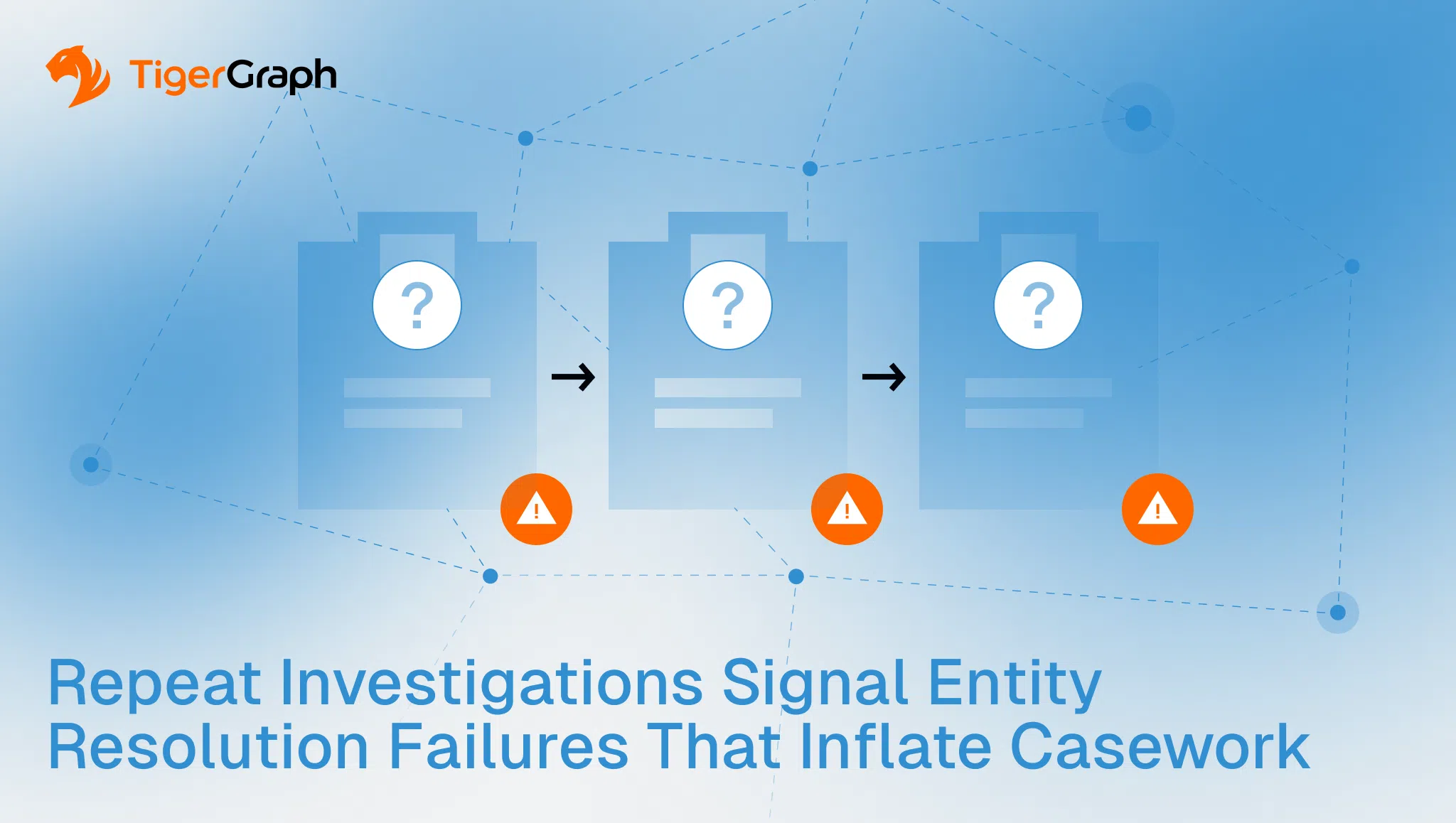
    Repeat Investigations Signal Entity Resolution Failures That Inflate Casework

    When the same cases keep coming back, the problem is identity continuity. Repeat investigations often signal that entity resolution is not stable enough to carry decisions forward across workflows or over time. Prior outcomes cannot be reused with confidence, so the same exposure is reviewed again

    Discover
    1…91011…83