
TigerGraph
ResourcesPathfinderDiscord(opens in a new tab)
Resources

Everything, In One Wall

Videos, courses, hands-on tutorials, docs, and blog posts. One place for every phase of learning.

TigerGraph
ResourcesPathfinderDiscord(opens in a new tab)

© 2026 Tiger Graph Dev Hub. All rights reserved.

  • Privacy Policy|
  • Terms of Service

Applied · 2

Clear all
  • #Graph machine learning
  • #Performance and scale

Levels

  • All Resources
  • Beginner
  • Intermediate
  • Advanced

Categories

  • Videos514
  • Docs644
  • Glossary50
  • Blog posts222

Assets

  • Definition36
  • Tutorial113
  • How-to guide319
  • Reference312

Tags

  • #Fraud and AML
  • #Entity resolution
  • #Recommendations
  • #GraphRAG and AI
  • #Graph machine learning
  • #Search
  • #Network analysis
  • #Performance and scale
  • #Running TigerGraph
  • #Evaluating graph

198 resources · page 3 of 17

NewestOldest
3 Col Grid2 Col GridList
AdvancedArticleNov 5, 2025

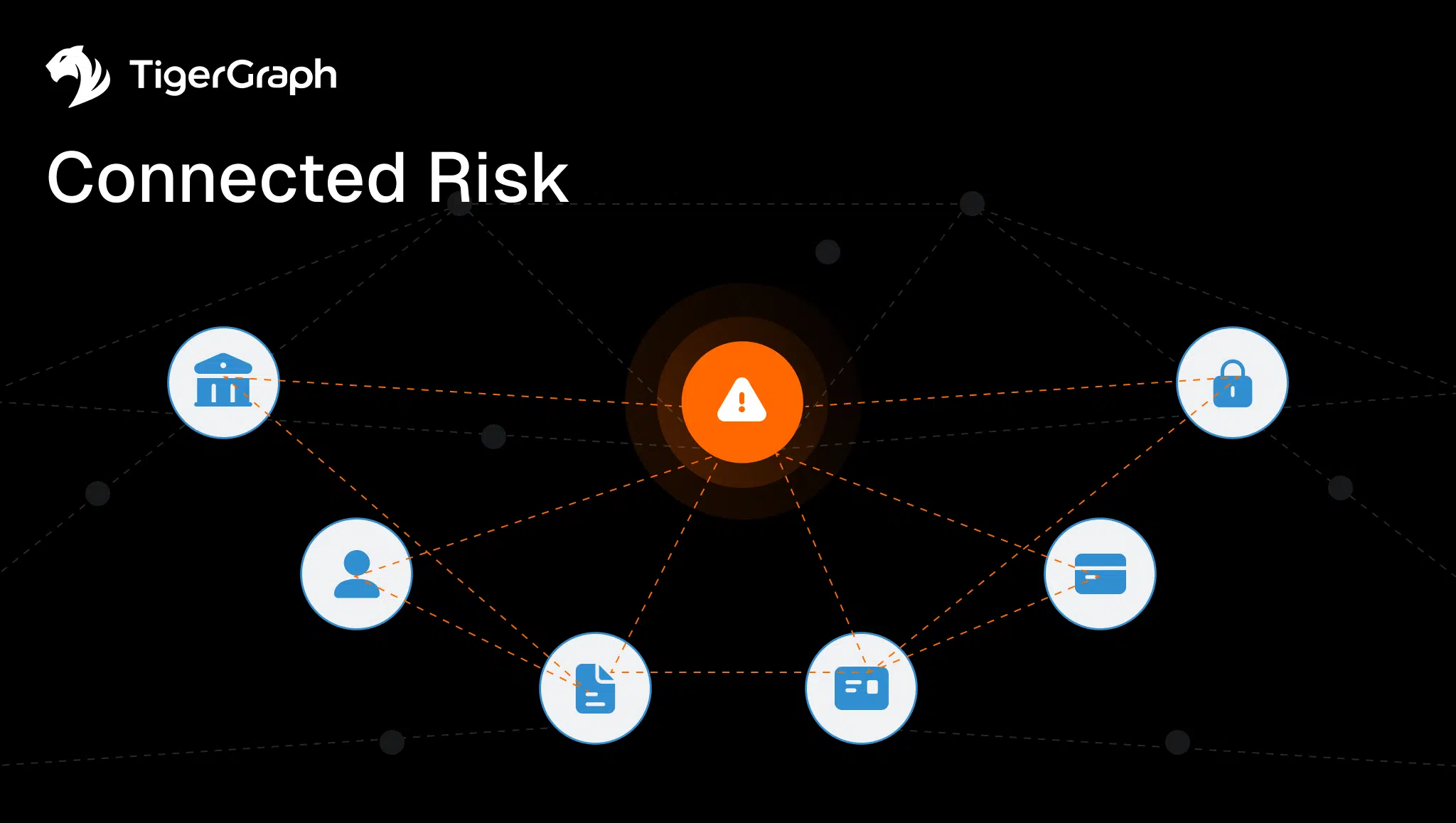
Connected Risk in Banking: How Graph Databases Build Resilience for Banks

Code & samples
126
  • Graph Resources52
  • Concept
    109
  • Troubleshooting12
  • Security advisory4
  • Runbook
  • Article173
  • Case study26
  • Talk298
  • Release note24
  • Demo114
  • Webinar12
  • Event12
  • Report24
  • Why Connected Risk Is the Next Banking Imperative Banking leaders recognize that risks do not operate in silos. A fraudster opening accounts in one channel may launder funds through another. A compliance gap in one business line may expose systemic weaknesses across the enterprise. Cyber intrusions can spread through third-party vendors. Traditional tools are designed
    Discover
    BeginnerConceptOct 20, 2025

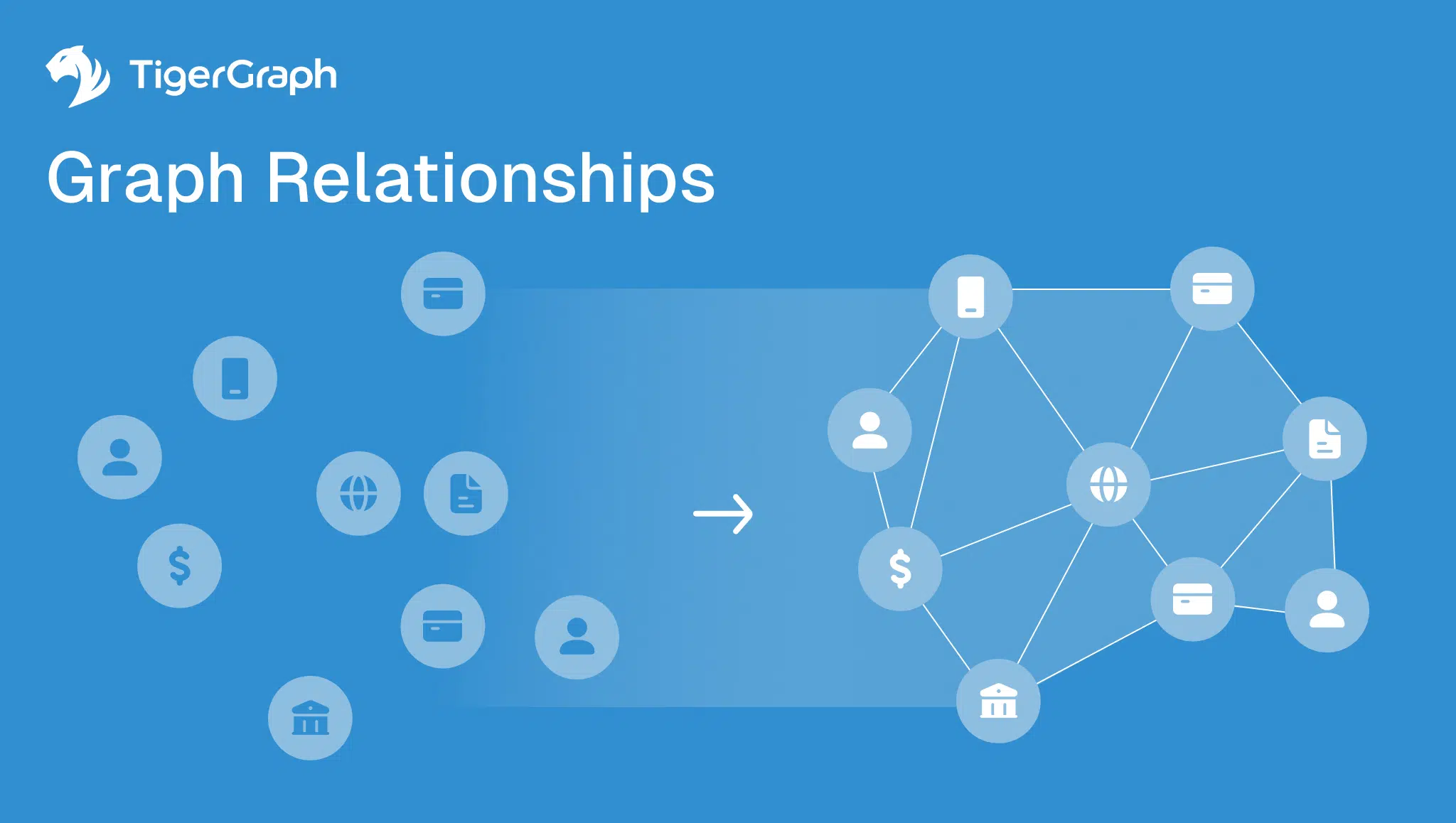
    The Power of Graph Relationships: Turning Isolated Data into Connected Insights

    Enterprises do not suffer from a lack of data, but they do suffer from data silos and a lack of connection. Context is lost. Adding relationships to the data solves this problem. Graph relationships map how people, accounts, devices, suppliers, and policies interact. And

    Discover
    AdvancedArticleOct 15, 2025

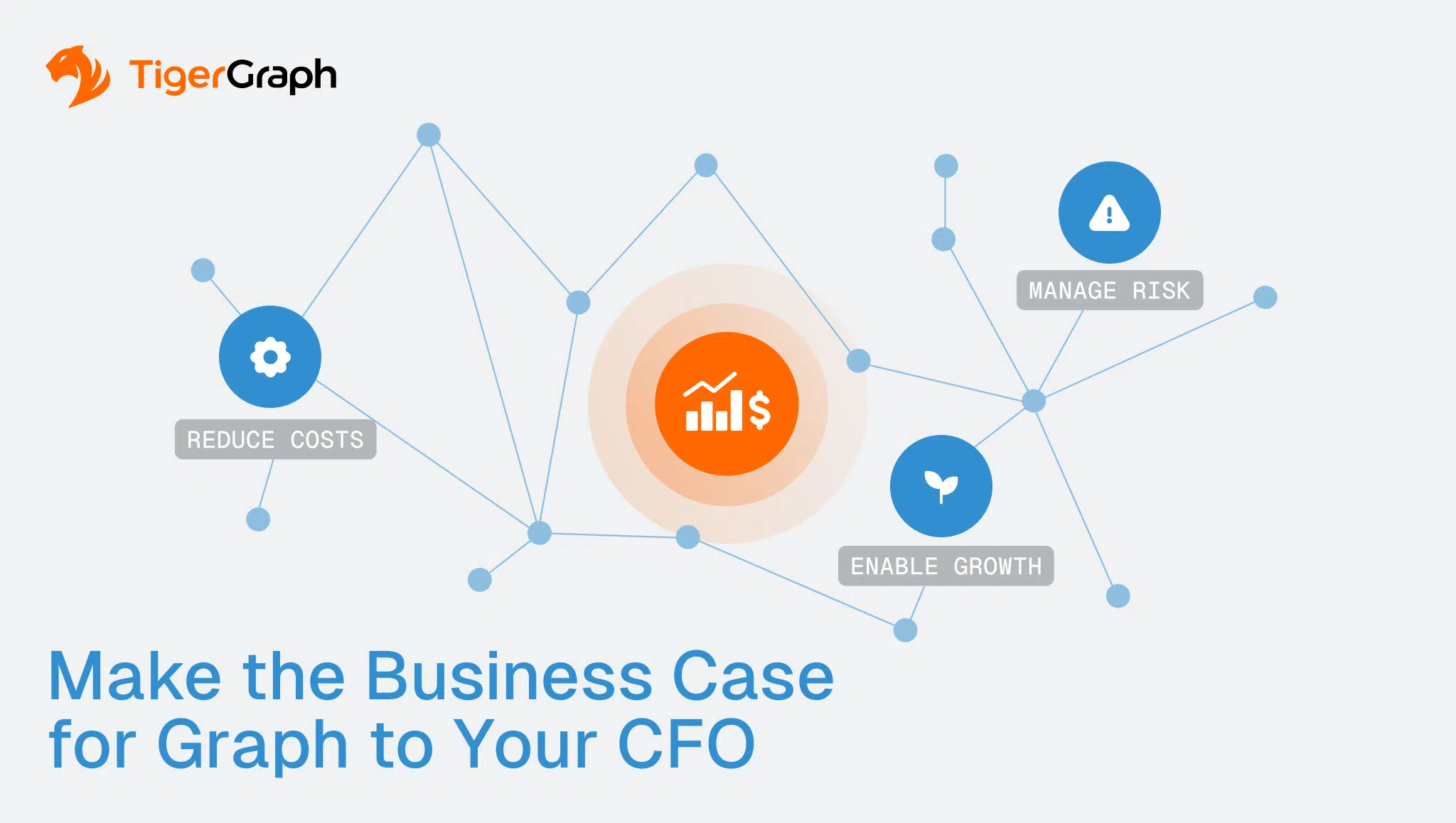
    How to Make the CFO Business Case for Graph Database

    Every CFO is charged with balancing three imperatives: reduce costs, manage risk, and enable growth. In banking, those imperatives are under acute stress. Financial crime is accelerating, with fraud losses projected to exceed $43 billion globally within five years. Regulators are levying record fines for

    Discover
    AdvancedConceptOct 9, 2025

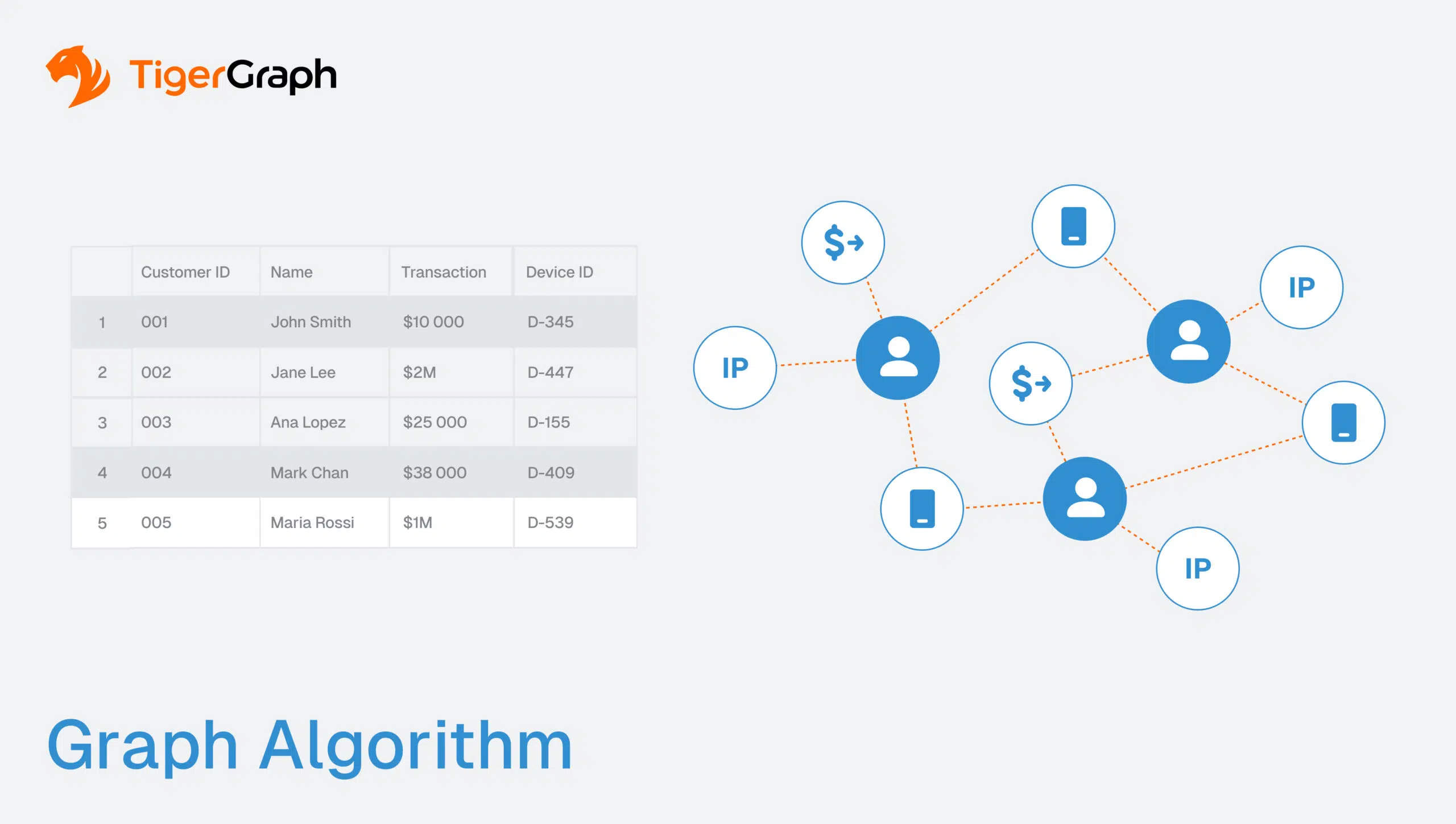
    Graph Algorithms: The Secret Engine Behind Faster, Smarter Business Growth

    Every enterprise has tons of data, but most struggle to use it in ways that drive strategy. Graph algorithms are the hidden engines that bring those dots to life, revealing how people, accounts, devices, or products interact. Instead of isolated records, they uncover the relationships

    Discover
    Definition
    BeginnerDefinitionSep 18, 2025

    Graph Neural Network (GNN)

    A Graph Neural Network is a machine learning architecture that learns from graph-structured data. Instead of treating data as flat tables or grids, GNNs learn how entities (nodes) relate to each other by passing messages across connections (edges) and aggregating neighborhood information over multiple layers.

    Discover
    AdvancedArticleSep 18, 2025

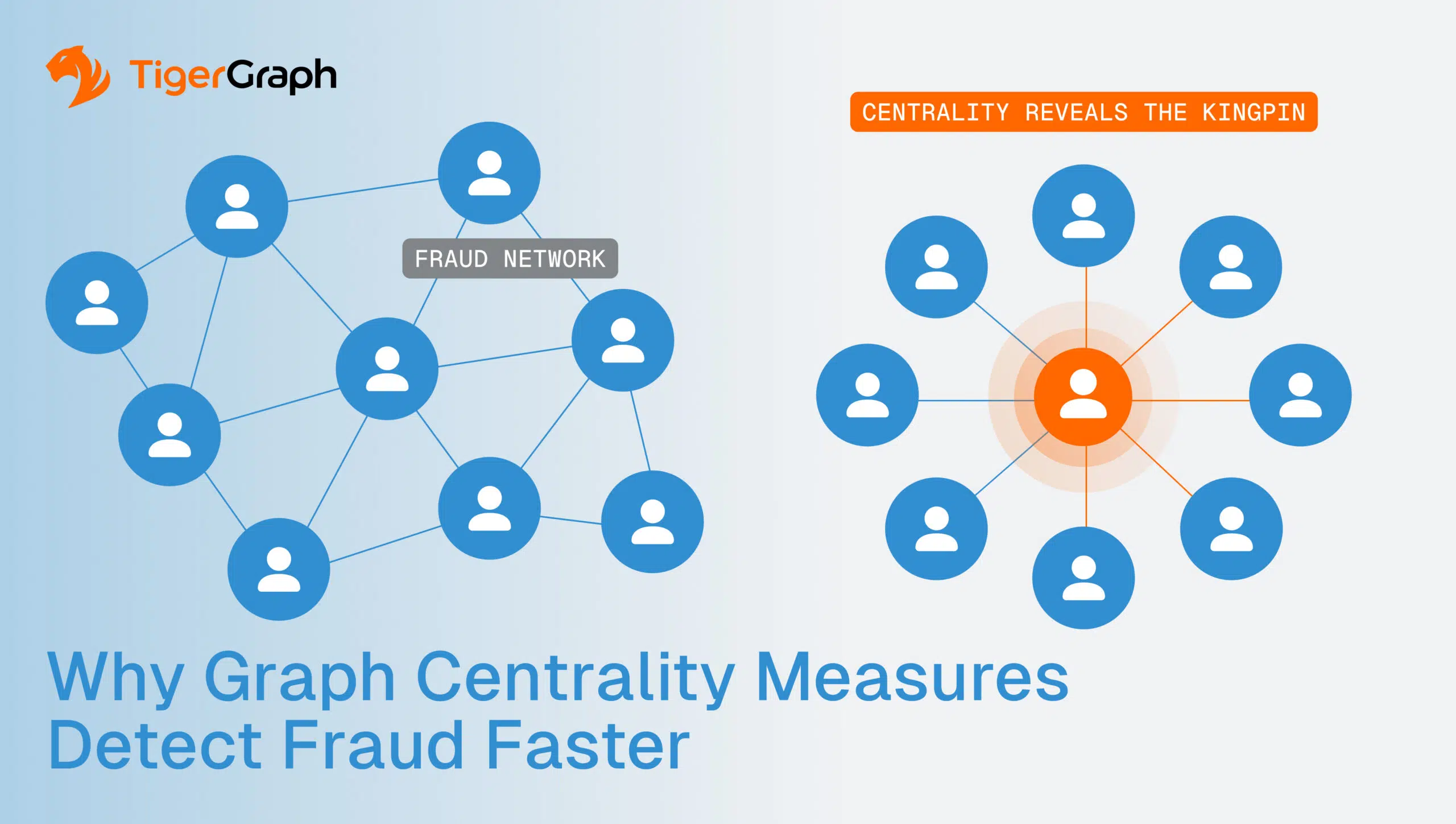
    Why Graph Centrality Measures Detect Fraud Faster

    Fraud hides in the connections between people, accounts, merchants, and devices. It spreads quietly until the losses add up. Traditional fraud detection tools look for anomalies in transactions, but they miss which entities matter most in a fraud network. This is why fraud network analysis powered by graph

    Discover
    Concept
    ConceptSep 12, 2025

    Graph Data Loading Performance

    Graph data loading performance measures how quickly a graph database can ingest, process, and prepare connected data for use. Unlike simple record inserts in relational systems, graph loading has to capture not only entities (nodes) but also the relationships (edges) that connect them. The performance of this process is

    Discover
    AdvancedArticleSep 8, 2025

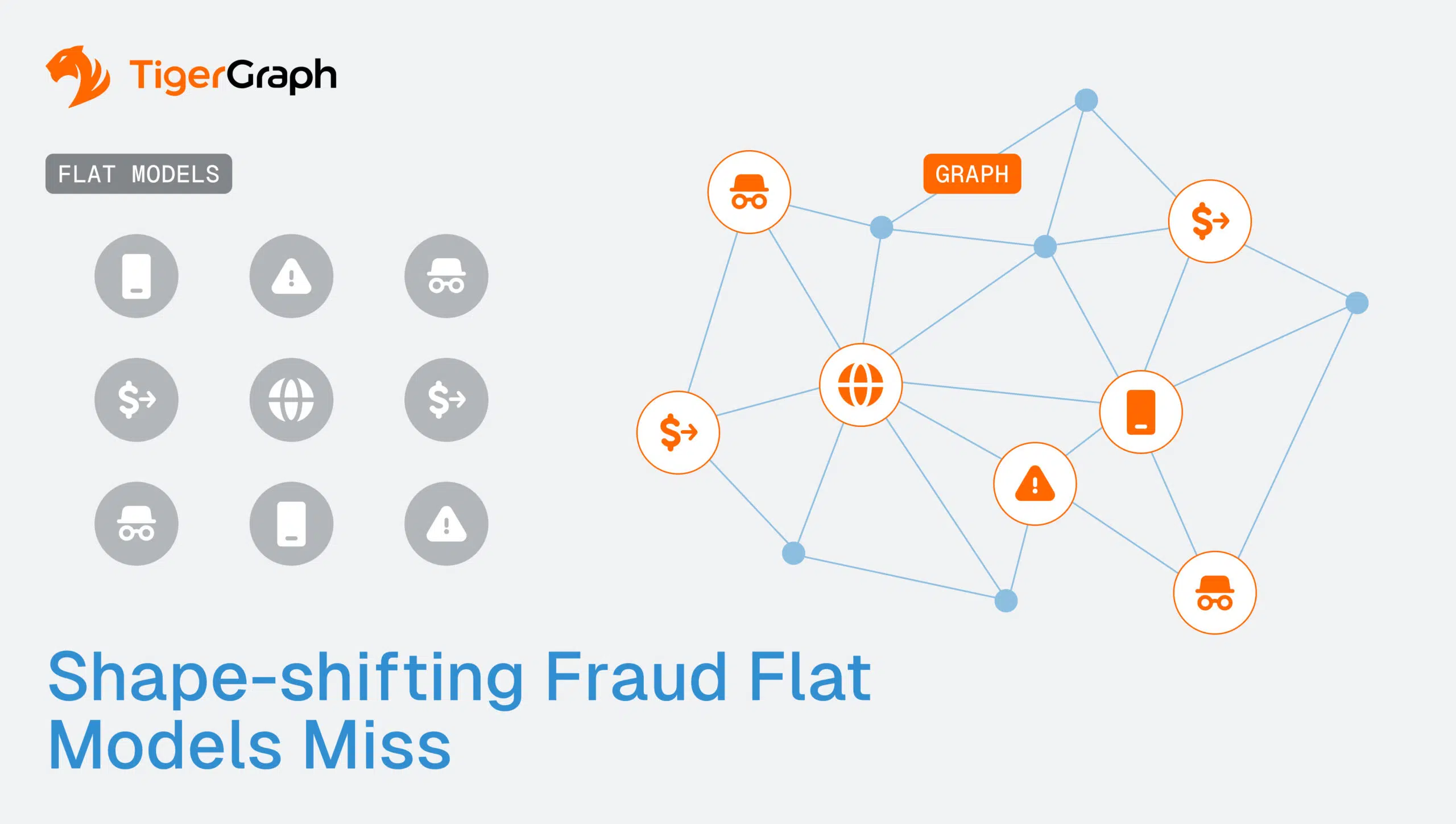
    Shape-shifting Fraud Flat Models Miss

    Why Detecting Fraud Rings and Collusion Requires a Graph-First Approach Fraud today isn’t a single stolen card or a suspicious wire. It’s organized, adaptive, sprawling, and hard to spot. Networks of mule accounts, synthetic identities, complicit merchants, and cross-border facilitators work together in carefully orchestrated rings. By the time a traditional detection system flags a

    Discover
    Definition
    DefinitionAug 20, 2025

    Parallel Graph Processing

    Parallel graph processing is a method for accelerating complex graph operations by breaking them into smaller tasks that run concurrently across multiple processors. These processors might be multiple cores in a single machine or distributed across many machines in a cluster. The graph itself is divided, often by logical or

    Discover
    Concept
    ConceptAug 12, 2025

    Graph Database Performance

    Graph database performance describes how well a graph system handles its most critical tasks, including ingesting connected data, executing queries, navigating complex relationships, and running graph algorithms. It’s not just about raw speed. A high-performing graph database can respond quickly to real-world questions, scale as data grows, and stay reliable

    Discover
    IntermediateArticleJul 22, 2025

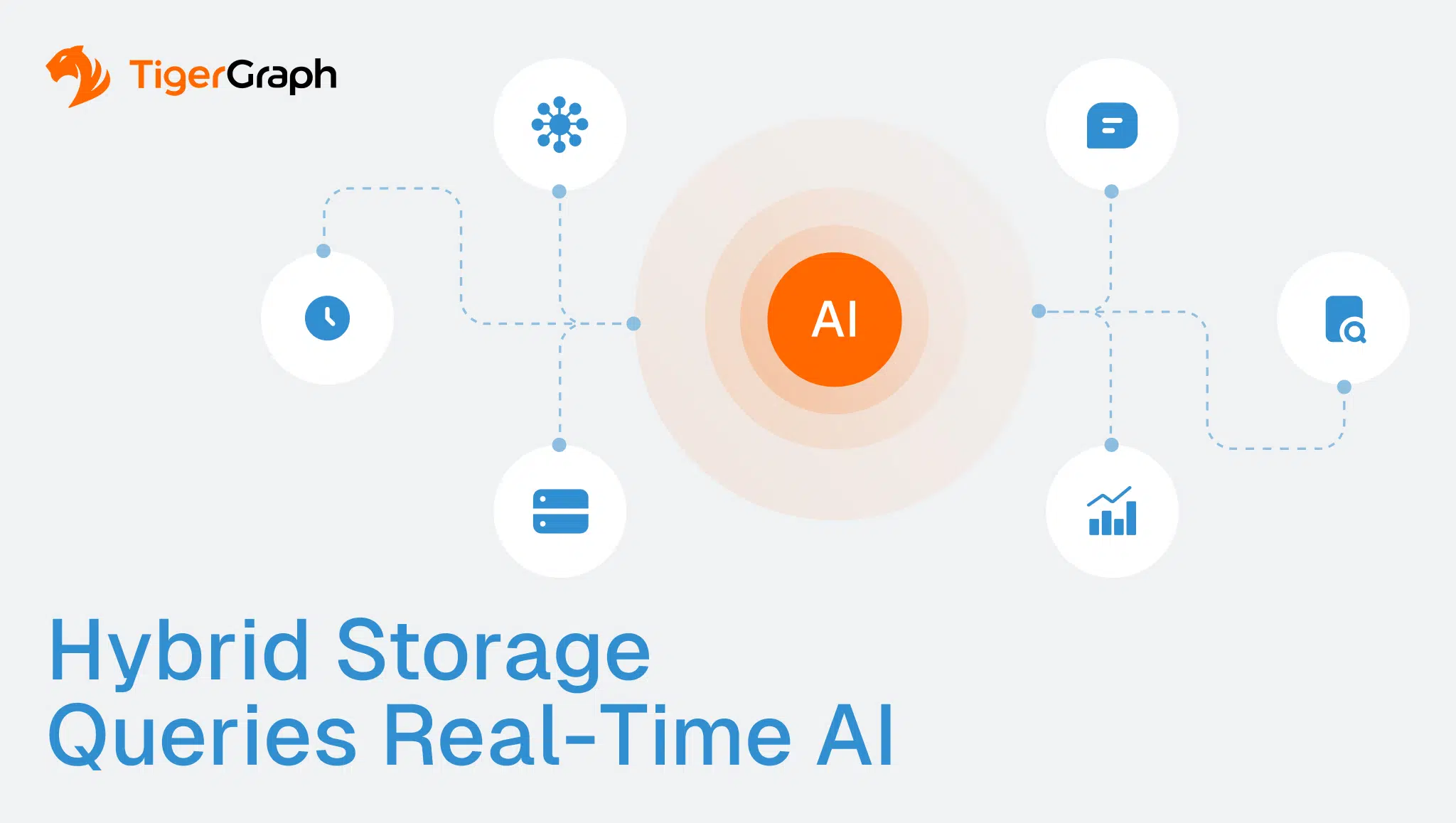
    How Hybrid Storage and Queries Power Real-Time AI

    “Fast” isn’t enough. In today’s enterprise environment, real-time AI doesn’t just mean low-latency—it means delivering the right answer based on what’s happening right now. That includes knowing what matters, who’s involved, and how one event might trigger another across your systems. This level of intelligence requires data

    Discover
    Definition
    DefinitionJul 18, 2025

    Digital Twin

    A digital twin isn’t just a 3D rendering or one-time simulation; it’s a living, breathing virtual version of a real-world system or process. Think of it as a digital counterpart that continuously evolves based on real-time data from its physical twin. From factory floors and supply chains to hospital patients and smart cities,

    Discover
    1234…17