TigerGraph
ResourcesPathfinderDiscord(opens in a new tab)
Resources

Everything, In One Wall

Videos, courses, hands-on tutorials, docs, and blog posts. One place for every phase of learning.

TigerGraph
ResourcesPathfinderDiscord(opens in a new tab)

© 2026 Tiger Graph Dev Hub. All rights reserved.

  • Privacy Policy|
  • Terms of Service

Applied · 3

Clear all
  • Concept
  • #Entity resolution
  • #GraphRAG and AI

Levels

  • All Resources
  • Beginner
  • Intermediate
  • Advanced

Categories

  • Videos514
  • Docs644
  • Glossary50
  • Blog posts222

Assets

  • Definition36
  • Tutorial113
  • How-to guide319
  • Reference312

Tags

  • #Fraud and AML
  • #Entity resolution
  • #Recommendations
  • #GraphRAG and AI
  • #Graph machine learning
  • #Search
  • #Network analysis
  • #Performance and scale
  • #Running TigerGraph
  • #Evaluating graph

11 resources

NewestOldest
3 Col Grid2 Col GridList
ConceptAug 4, 2026

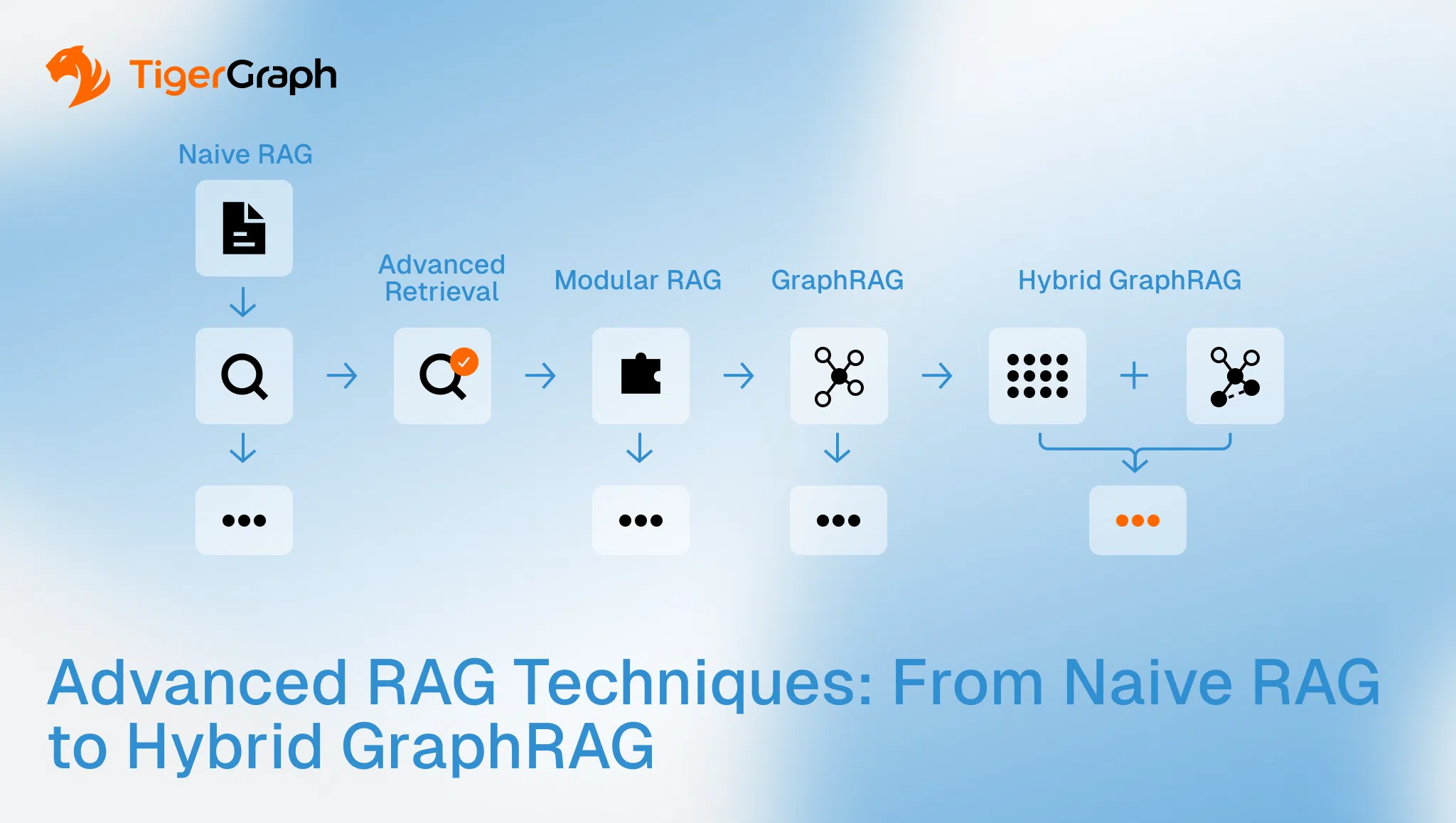
Advanced RAG Techniques: From Naive RAG to Hybrid GraphRAG

Discover advanced RAG techniques that fix retrieval quality ceilings, from chunking and re-ranking to GraphRAG and hybrid GraphRAG. Find the right architecture for your enterprise AI workload.
Code & samples
126
  • Graph Resources52
  • Concept
    109
  • Troubleshooting12
  • Security advisory4
  • Runbook
  • Article173
  • Case study26
  • Talk298
  • Release note24
  • Demo114
  • Webinar12
  • Event12
  • Report24
  • Discover
    Concept
    ConceptApr 10, 2026

    Multimodal Embeddings

    Multimodal embeddings are vector representations that allow different types of inputs, such as text and images, to be compared in the same space. Instead of creating separate representations for each format, a model maps text, images, or other inputs into a shared embedding space. When two items land close together in

    Discover
    ConceptFeb 27, 2026

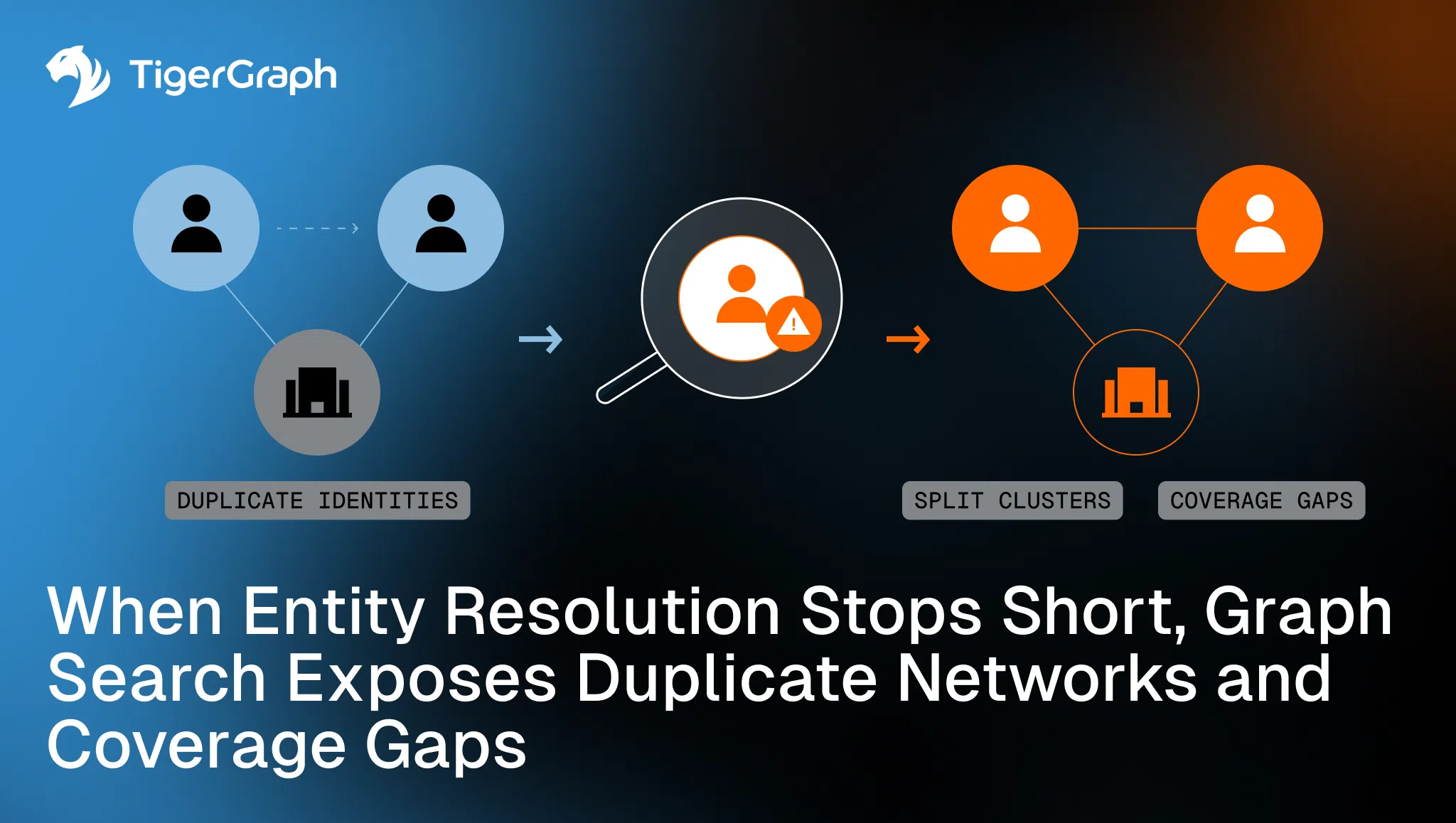
    When Entity Resolution Stops Short, Graph Search Exposes Duplicate Networks and Coverage Gaps

    Entity resolution (ER) quality issues surface as blind spots. They could be duplicate identities that never converge, clusters that should be connected but are not, or networks that stop expanding even though relevant data exists. These failures are difficult to detect because

    Discover
    ConceptFeb 20, 2026

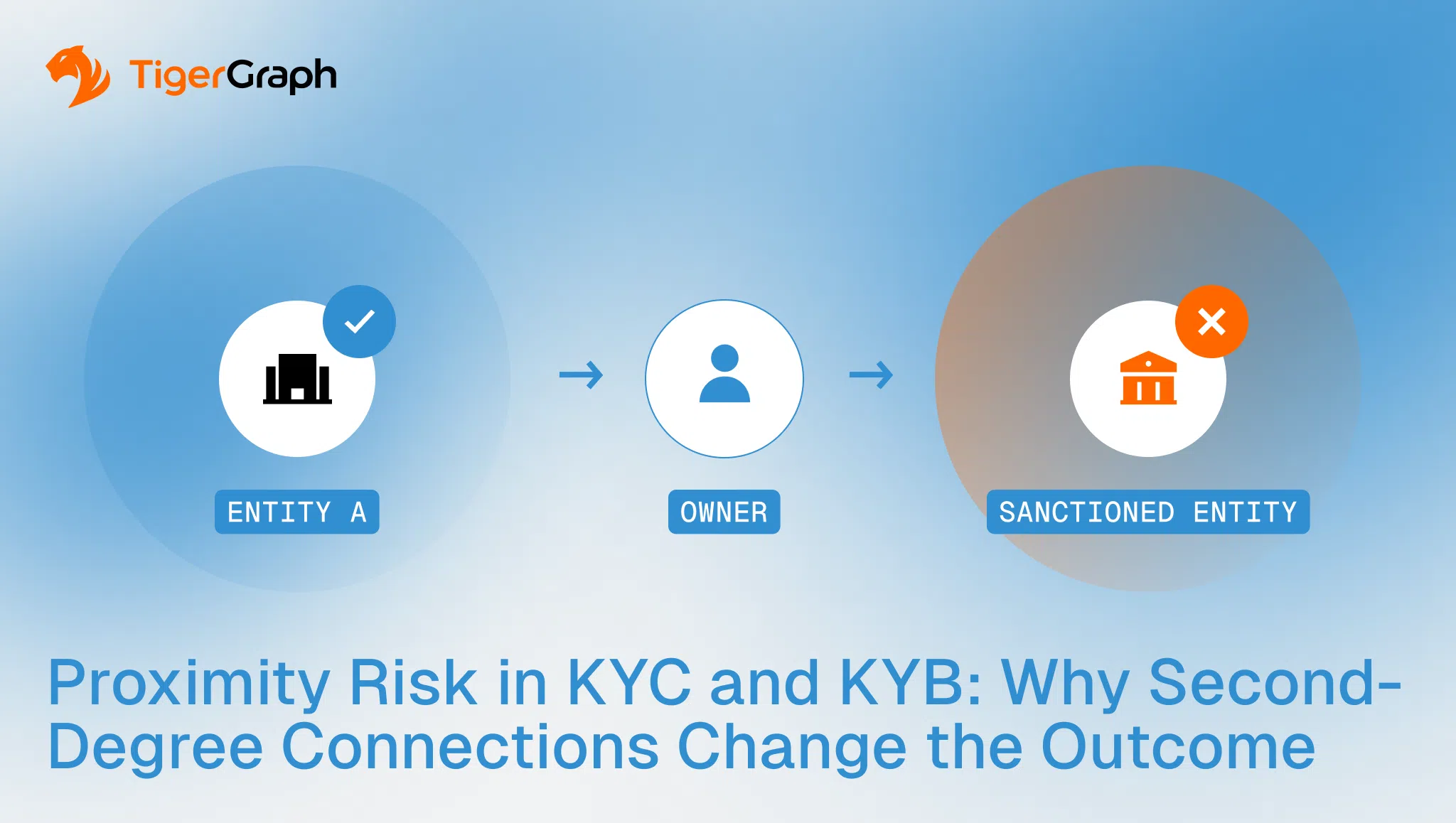
    Proximity Risk in KYC and KYB: Why Second-Degree Connections Change the Outcome

    Most know-your-customer (KYC) and know-your-business (KYB) reviews focus on the entity being evaluated. The core question is straightforward. Does this customer, business or counterparty present unacceptable risk? That framing works when risk is contained within the entity itself. It becomes incomplete when relevant

    Discover
    BeginnerConceptJan 8, 2026

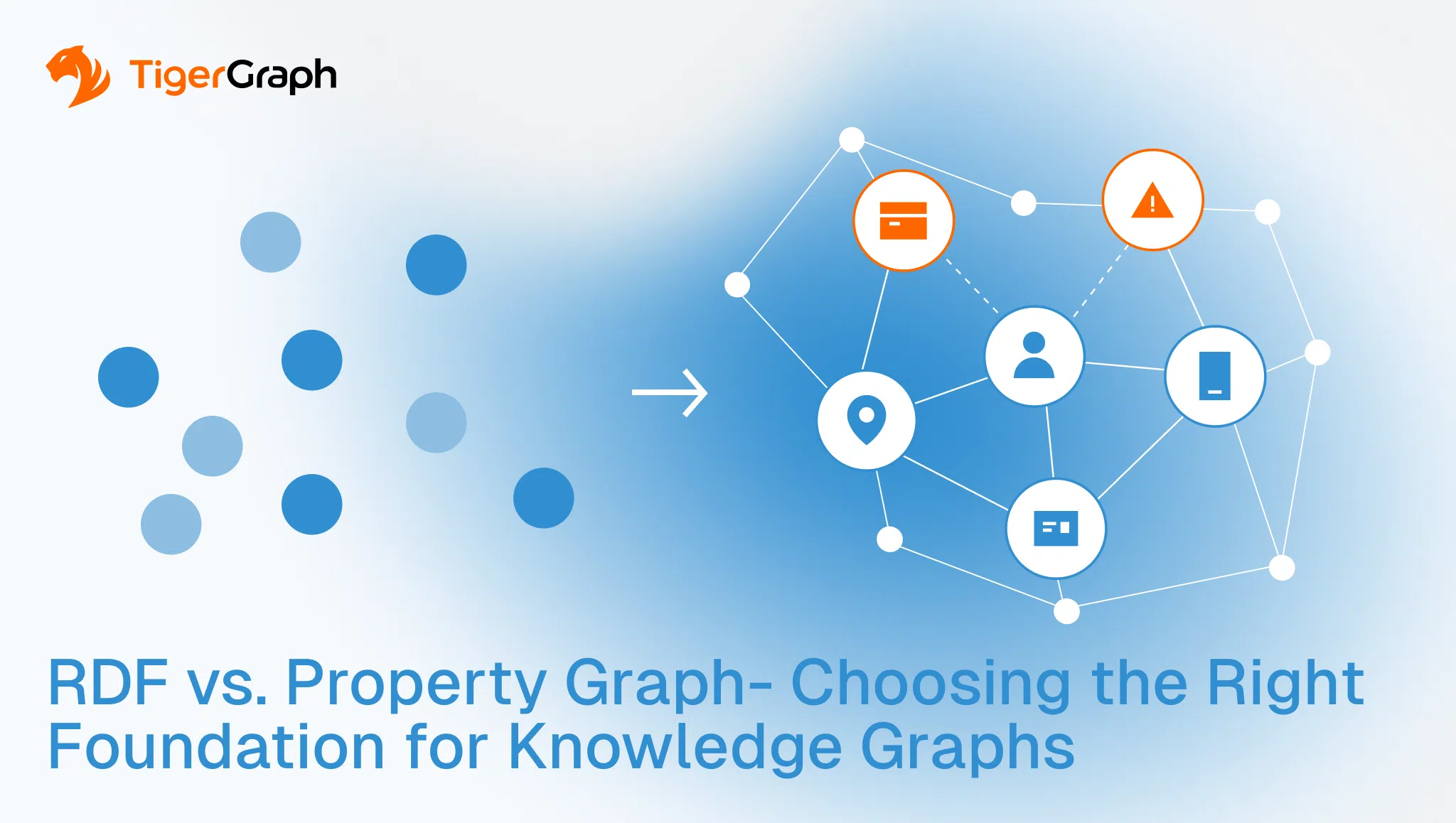
    RDF vs. Property Graph: Choosing the Right Foundation for Knowledge Graphs

    Every organization that builds a knowledge graph faces the same architectural crossroads at some point. Should the system use RDF for semantic precision, or a property graph for analytical performance? This choice determines so much, like how relationships are represented and how queries scale.

    Discover
    ConceptJan 7, 2026

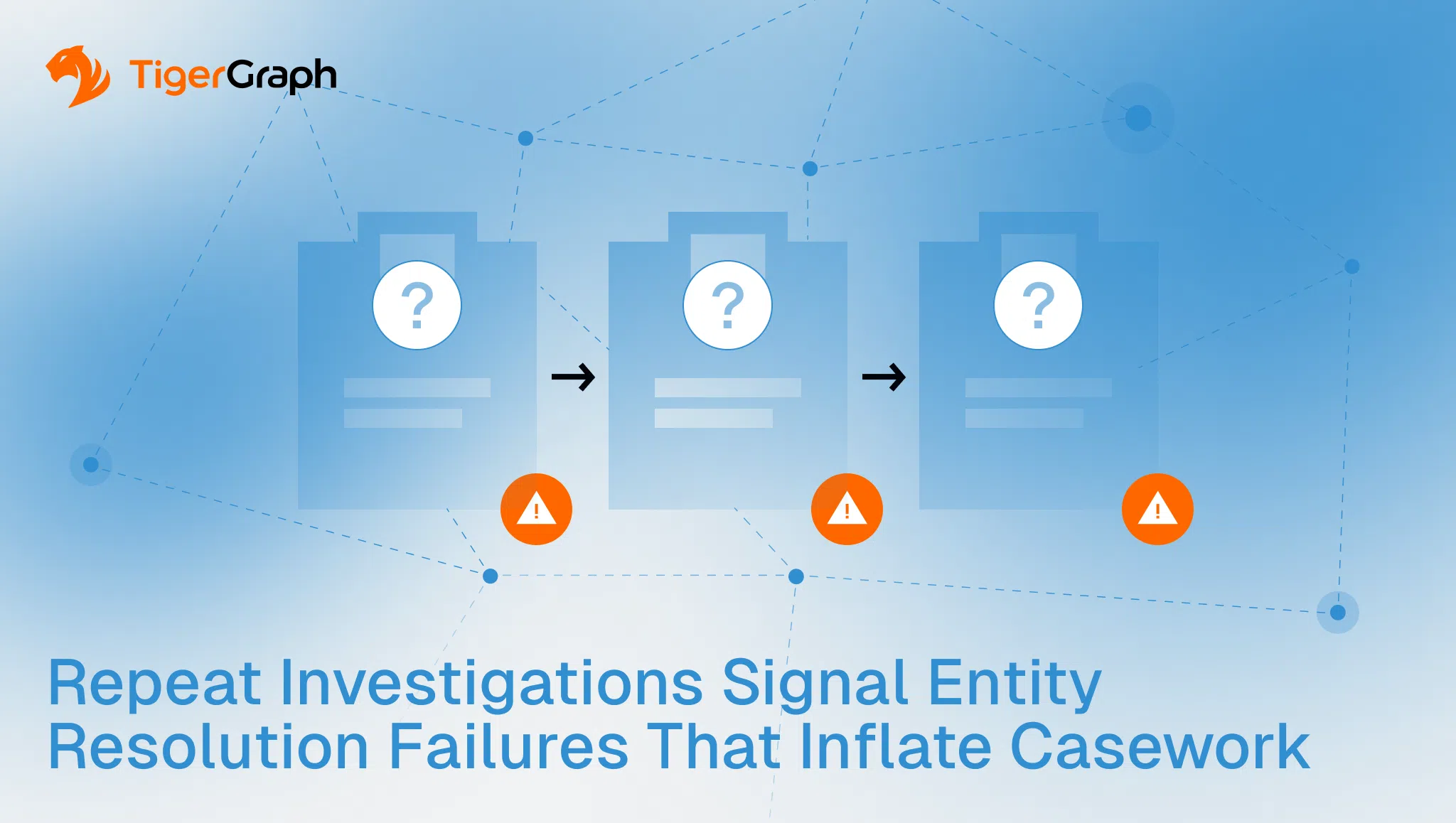
    Repeat Investigations Signal Entity Resolution Failures That Inflate Casework

    When the same cases keep coming back, the problem is identity continuity. Repeat investigations often signal that entity resolution is not stable enough to carry decisions forward across workflows or over time. Prior outcomes cannot be reused with confidence, so the same exposure is reviewed again

    Discover
    AdvancedConceptOct 10, 2025

    Reducing AI Hallucinations: Why LLMs Need Knowledge Graphs for Accuracy

    Every AI leader wants helpful assistants, not confident liars. Large language models (LLMs) are powerful, but without guardrails, they hallucinate, improvise sources, and miss context across systems. Pairing LLMs and knowledge graphs fixes that gap. This architecture turns raw generation into grounded reasoning: the model

    Discover
    Concept
    BeginnerConceptSep 19, 2025

    Contextual Reasoning in Graph AI

    Contextual reasoning in graph AI is the ability of an AI system to interpret data as part of a connected network of relationships. Instead of evaluating attributes in a vacuum, contextual reasoning analyzes how entities relate to one another. This lets you see more characteristics and influences, leading

    Discover
    Concept
    ConceptApr 4, 2025

    GraphRAG

    GraphRAG (Graph Retrieval-Augmented Generation) enhances traditional RAG by embedding knowledge graphs into the LLM inference process. Rather than retrieving isolated documents or embeddings, the system traverses a graph to extract entities, relationships, behaviors, and rules—providing context that’s structured, traversable, and explainable. In contrast to flat vector stores, wh

    Discover
    Concept
    ConceptApr 4, 2025

    Knowledge Graph LLM

    A Knowledge Graph LLM combines two essential components for building intelligent, trustworthy AI systems: a knowledge graph and a large language model (LLM). The knowledge graph provides structured meaning—it encodes entities (such as people, products, or accounts), relationships (such as ownership, sequence, or influence), and the semantics that define

    Discover
    BeginnerConceptApr 1, 2024

    Understanding Graph Embeddings

    by Dan McCreary, Head of AI at TigerGraph Graph embeddings have become increasingly important in Enterprise Knowledge Graph (EKG) strategy. Graph embeddings will soon become the de facto way to quickly find similar items in large billion-vertex EKGs. And as we have discussed in our prior articles, real-time similarity calculations are critical to many areas

    Discover