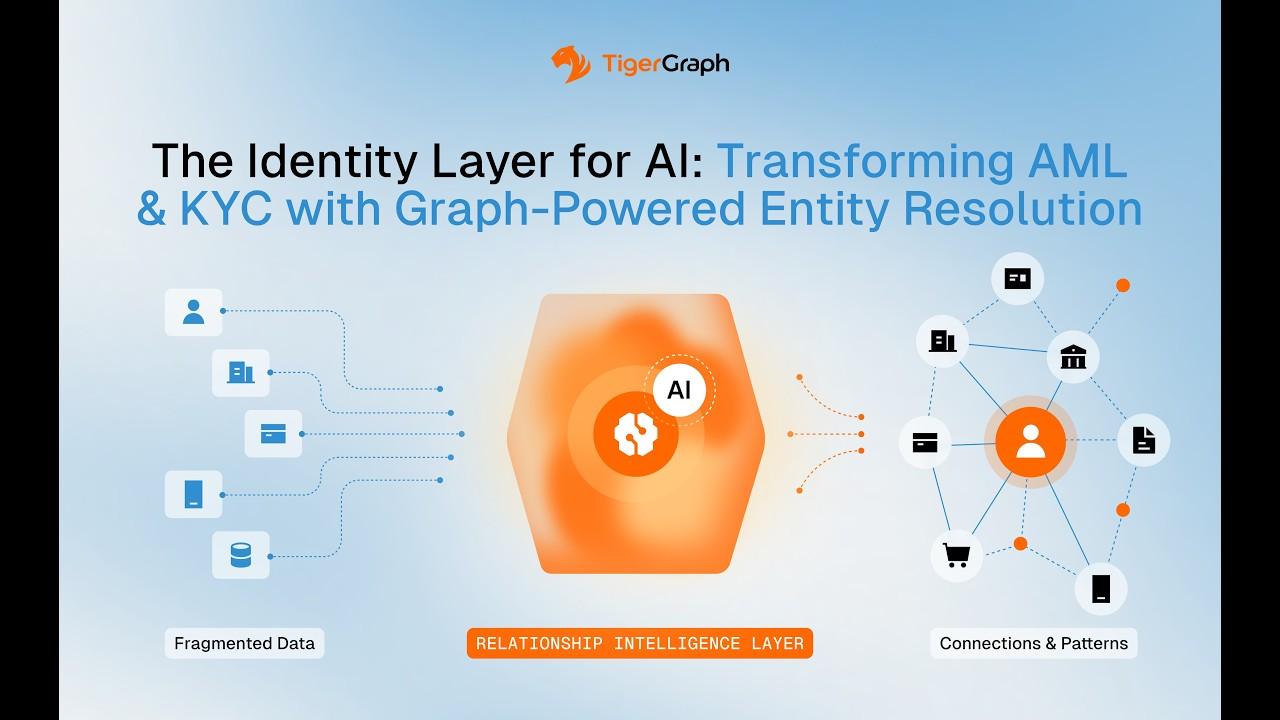
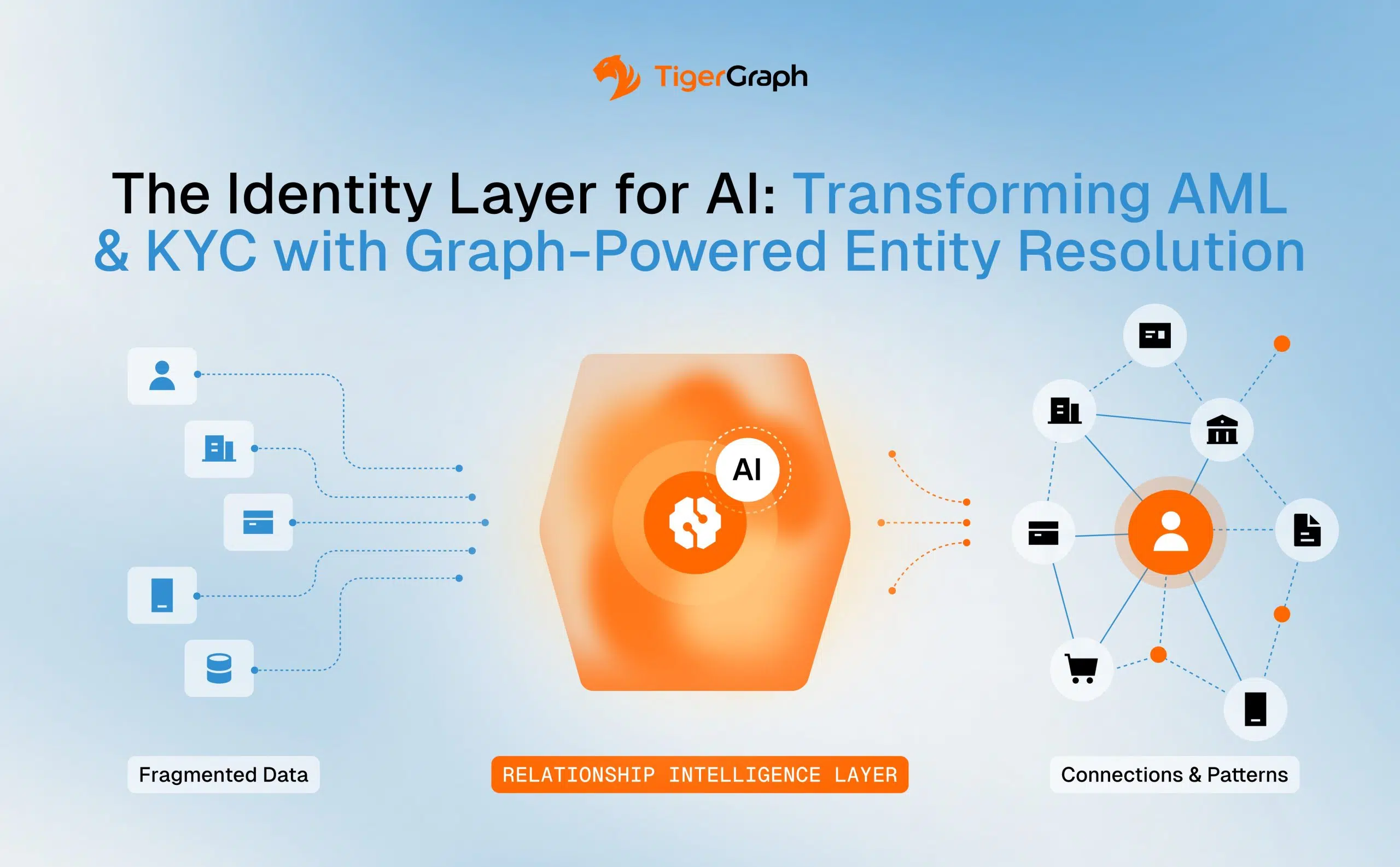
Talk39 min · Oct 5, 2026The Identity Layer for AI — Transforming AML & KYC with Graph Powered Entity Resolution 1920AI can detect patterns across millions of transactions. But when the same person or business appears across different accounts, devices, addresses, and records, AI faces a fundamental problem: it may not know who it is actually looking at.Discover
WebinarSep 23, 2026The Identity Layer for AI: Transforming AML & KYC with Graph-Powered Entity ResolutionDiscover
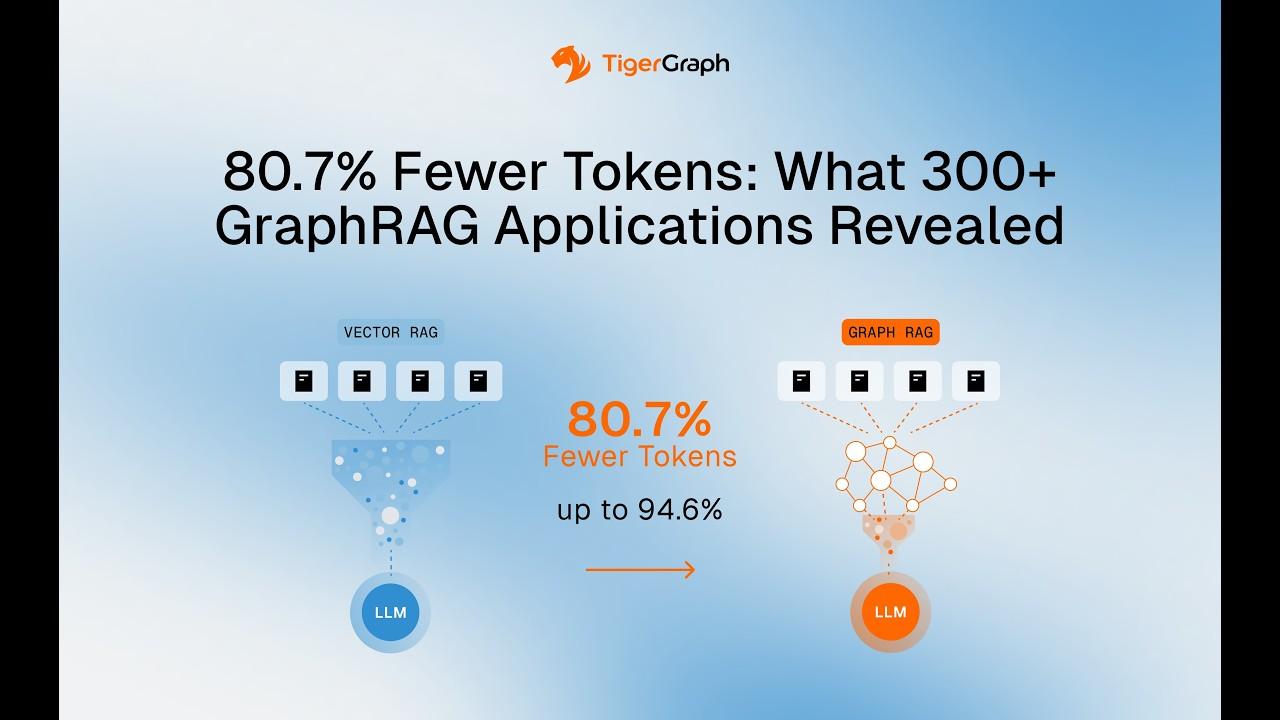
Talk37 min · Sep 3, 202680 7% Fewer Tokens What 300+ GraphRAG Applications RevealedMost RAG systems retrieve too much context and leave the language model to find the signal. GraphRAG changes the equation by retrieving connected evidence instead of isolated passages. Across TigerGraph’s GraphRAG hackathons, more than 300Discover
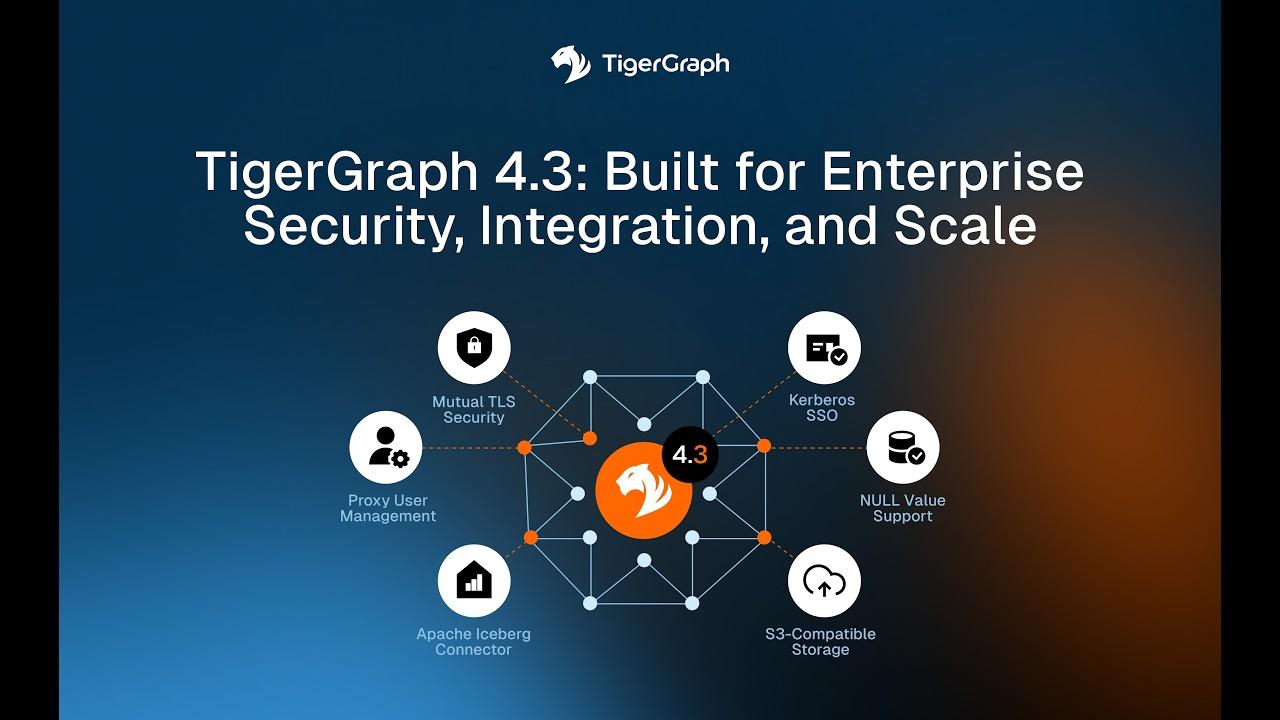
Talk40 min · Aug 5, 2026TigerGraph 4.3 Built for Enterprise Security, Integration, and ScaleEnterprise AI adoption continues to accelerate, but many graph platforms still face a major limitation: They were not built to fit naturally into enterprise environments. Many organizations can prove the value of graph technology. But gettDiscover
DefinitionJul 17, 2026Graph Neural Networks Explained: When AI Learns from ConnectionsLearn what a graph neural network is, how it learns from connections, and where GNNs outperform tabular models.Discover
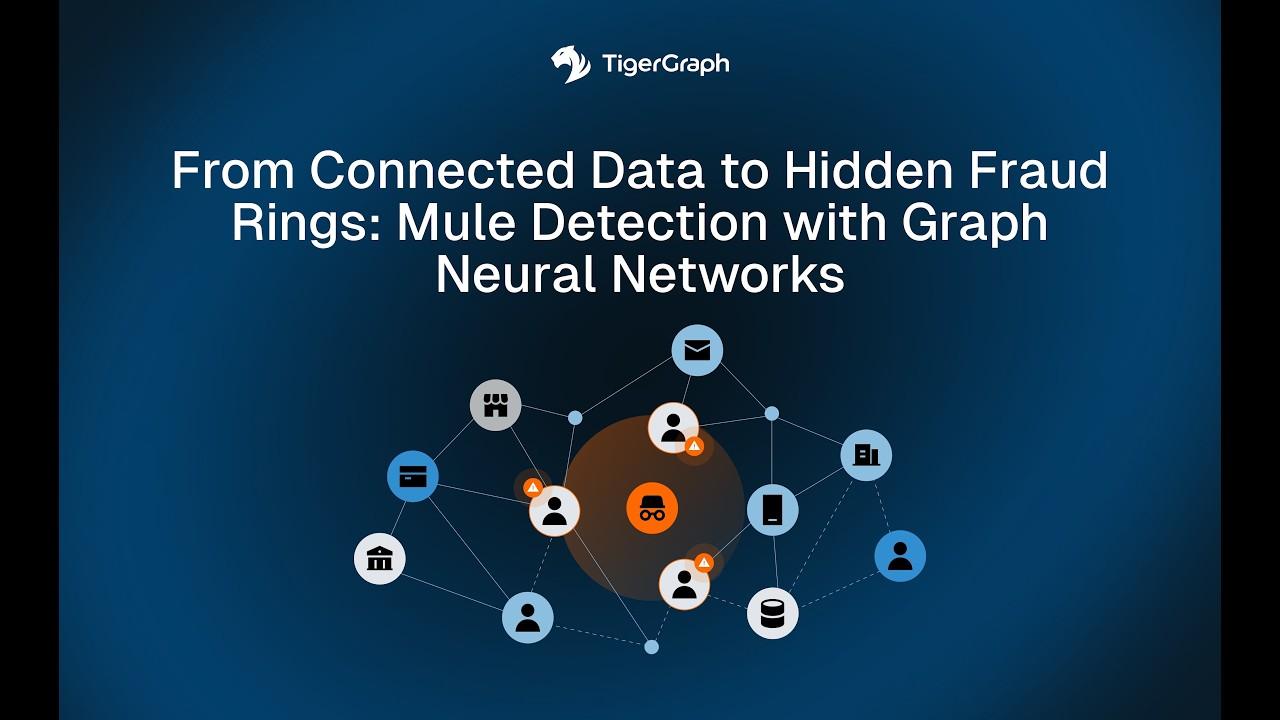
Talk36 min · Jul 1, 2026From Connected Data to Hidden Fraud Rings Mule Detection with Graph Neural NetworksBanks know about the mule accounts they have already found. The real challenge is finding the ones they haven't. Most fraud detection systems rely on rules, alerts, and connections to previously identified fraudsters. As a result, they areDiscover
Talk53 min · May 30, 2026Architecting AI That Banks Can Trust Why Knowledge Graphs Are the Missing LayerBanks are deploying AI across fraud detection, AML, underwriting, customer servicing, and real-time decisioning. But as these systems move deeper into production, a critical problem is emerging: AI can only evaluate the context it can see.Discover
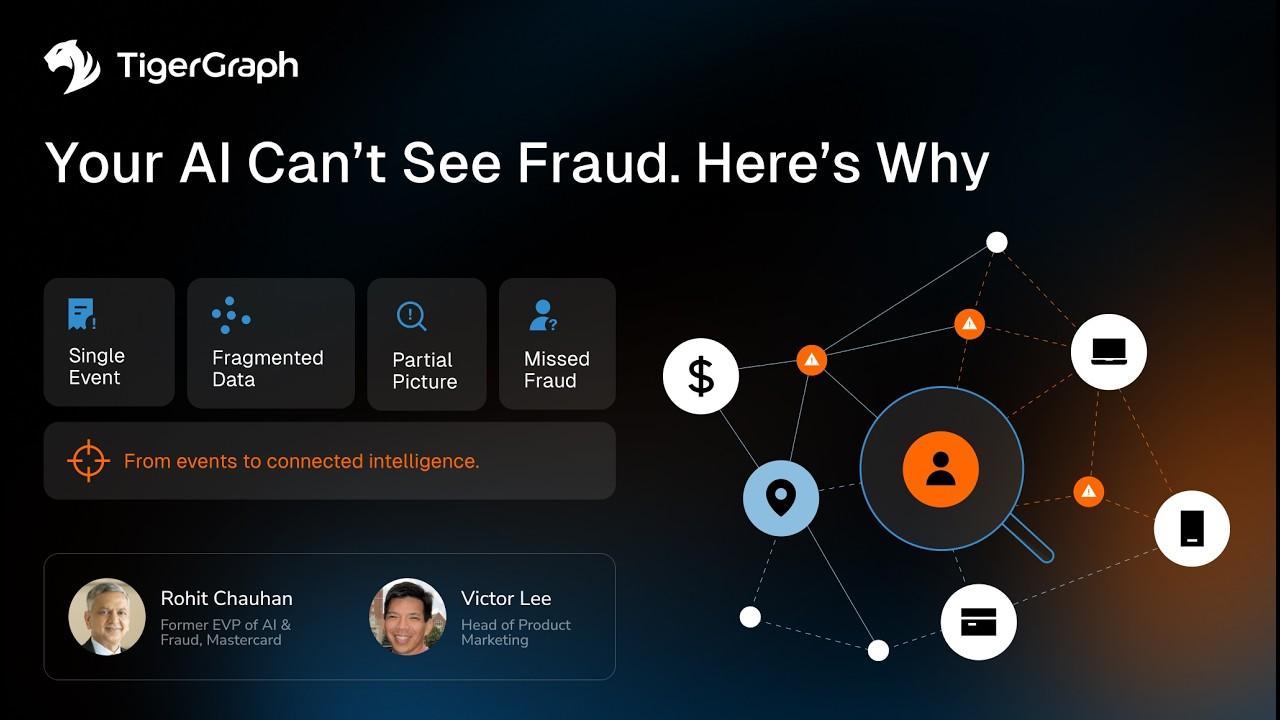
Talk35 min · May 8, 2026Your AI Can't See Fraud Here's WhyYour AI isn’t failing, but it is making decisions without the relationships that define how fraud works. Fraud does not happen in a single transaction. It emerges across identities, devices, accounts, and time. Yet most systems still evaluDiscover
DefinitionDefinitionApr 27, 2026Bidirectional RelationshipA bidirectional relationship is a connection between two entities in which each side can be accessed or traversed from the other. If a data system user searches for what a bidirectional relationship is, they will learn it is a two-way connection between data elements. In contrast, a directional relationship allowsDiscover
DefinitionDefinitionApr 10, 2026Recommendation SystemA recommendation system is a data-driven framework that identifies and ranks items based on predicted relevance to a user, entity, or context. When someone asks what a recommendation system or recommendation engine is, they are asking how platforms decide what to offer first. These systems analyze behavioral data (such asDiscover