TigerGraph
ResourcesPathfinderDiscord(opens in a new tab)
Resources

Everything, In One Wall

Videos, courses, hands-on tutorials, docs, and blog posts. One place for every phase of learning.

TigerGraph
ResourcesPathfinderDiscord(opens in a new tab)

© 2026 Tiger Graph Dev Hub. All rights reserved.

  • Privacy Policy|
  • Terms of Service

Applied · 3

Clear all
  • Blog posts
  • Code & samples
  • How-to guide

Levels

  • All Resources
  • Beginner
  • Intermediate
  • Advanced

Categories

  • Videos514
  • Docs644
  • Glossary50
  • Blog posts222

Assets

  • Definition36
  • Tutorial113
  • How-to guide319
  • Reference312

Tags

  • #Fraud and AML
  • #Entity resolution
  • #Recommendations
  • #GraphRAG and AI
  • #Graph machine learning
  • #Search
  • #Network analysis
  • #Performance and scale
  • #Running TigerGraph

81 resources · page 1 of 7

NewestOldest
3 Col Grid2 Col GridList
AdvancedHow-to guideNov 13, 2026
Code & samples
126
  • Graph Resources52
  • Concept
    109
  • Troubleshooting12
  • Security advisory4
  • Runbook
  • Article173
  • Case study26
  • Talk298
  • Release note24
  • Demo114
  • Webinar12
  • Event12
  • Report24
  • #Evaluating graph
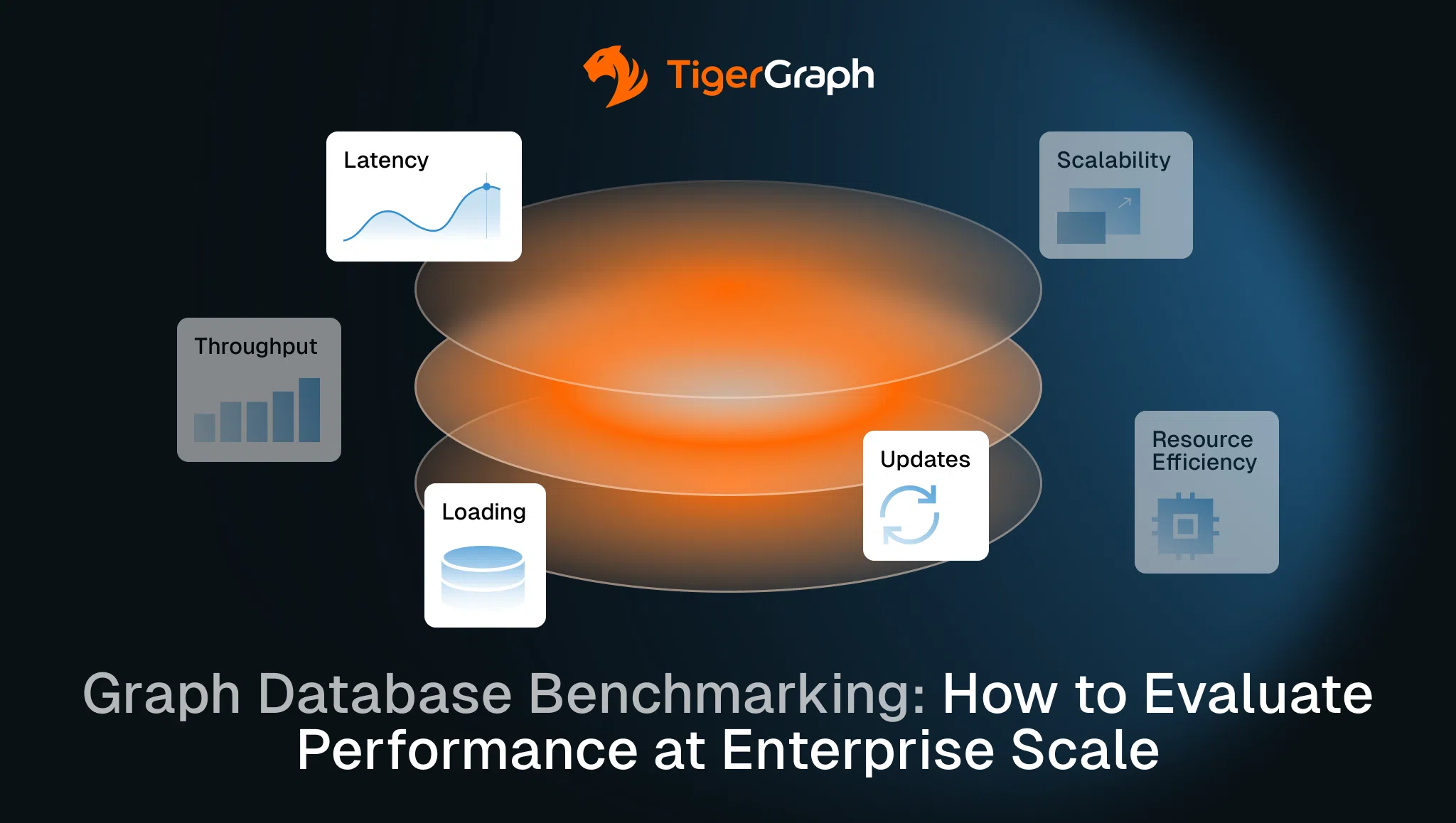
  • Graph Database Benchmarking: How to Evaluate Performance at Enterprise Scale

    A graph database can look fast in testing and struggle in production. Learn seven dimensions for benchmarking graph databases at enterprise scale.
    Discover
    AdvancedHow-to guideNov 13, 2026

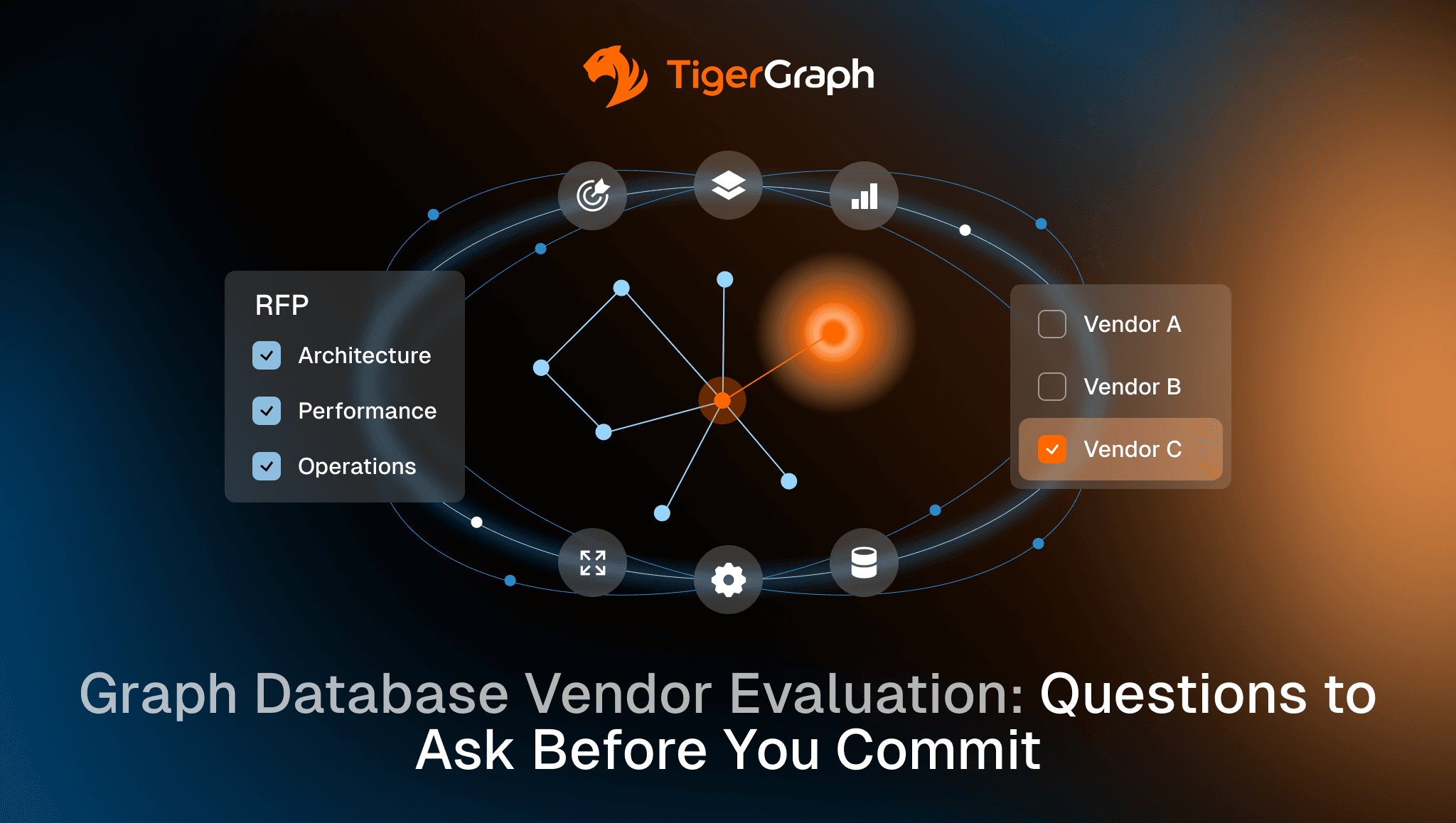
    Graph Database Vendor Evaluation: Questions to Ask Before You Commit

    Choosing a graph database? Use this vendor evaluation guide: requirements, RFP questions, proof of concept steps, and due diligence checks before you commit.

    Discover
    How-to guideOct 16, 2026

    Install the TigerGraph MCP

    Six steps to get TigerGraph tools working inside your editor. Each step below gives the commands for macOS and Windows, and for Claude Code and Cursor. Follow the ones that match your setup.

    Discover
    How-to guideJul 22, 2026

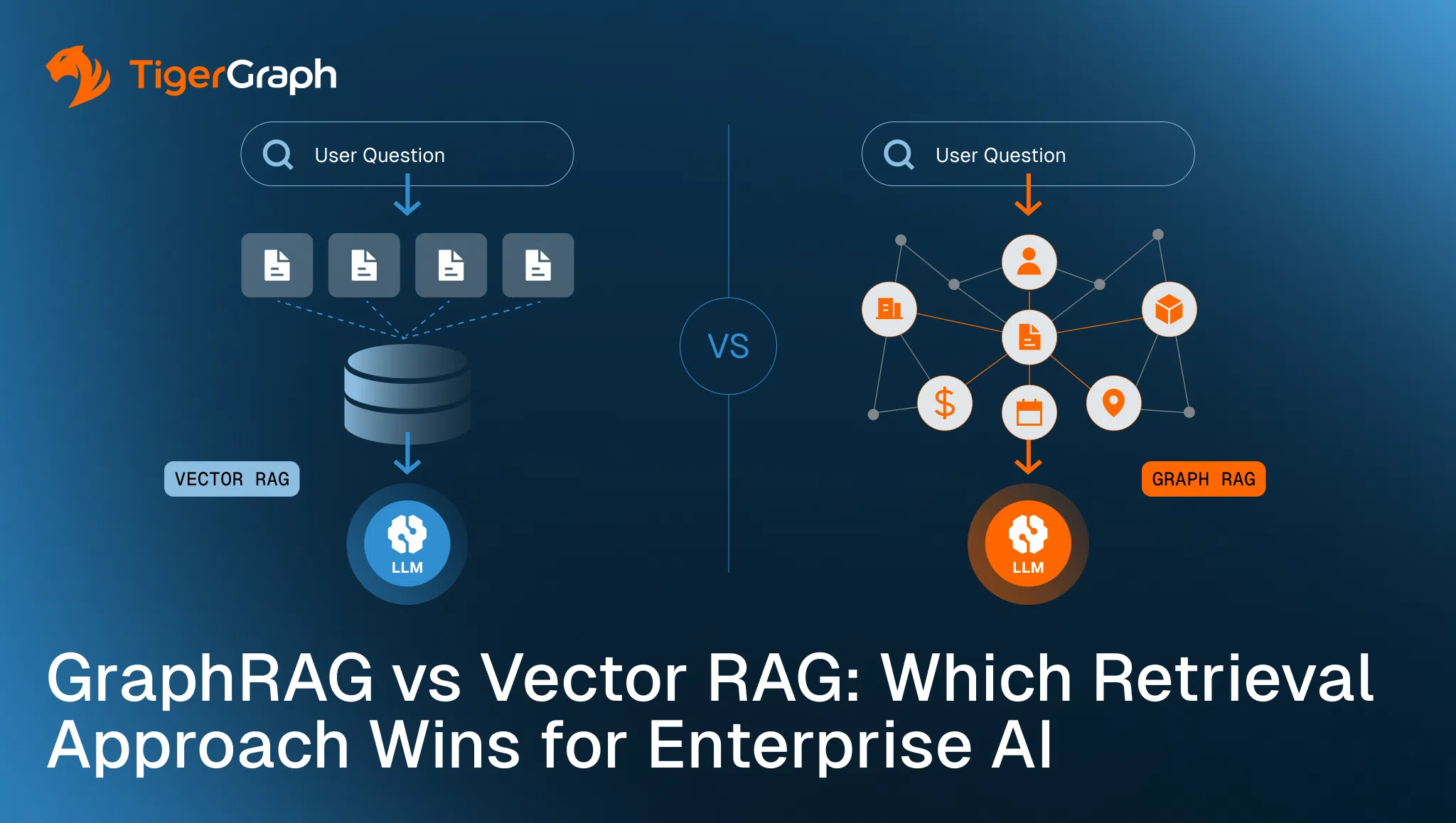
    GraphRAG vs Vector RAG: Which Retrieval Approach Wins for Enterprise AI

    Vector RAG and GraphRAG solve different retrieval problems. Compare both across accuracy, explainability, and use-case fit, and learn why hybrid retrieval is becoming the enterprise default.

    Discover
    AdvancedHow-to guideJun 23, 2026

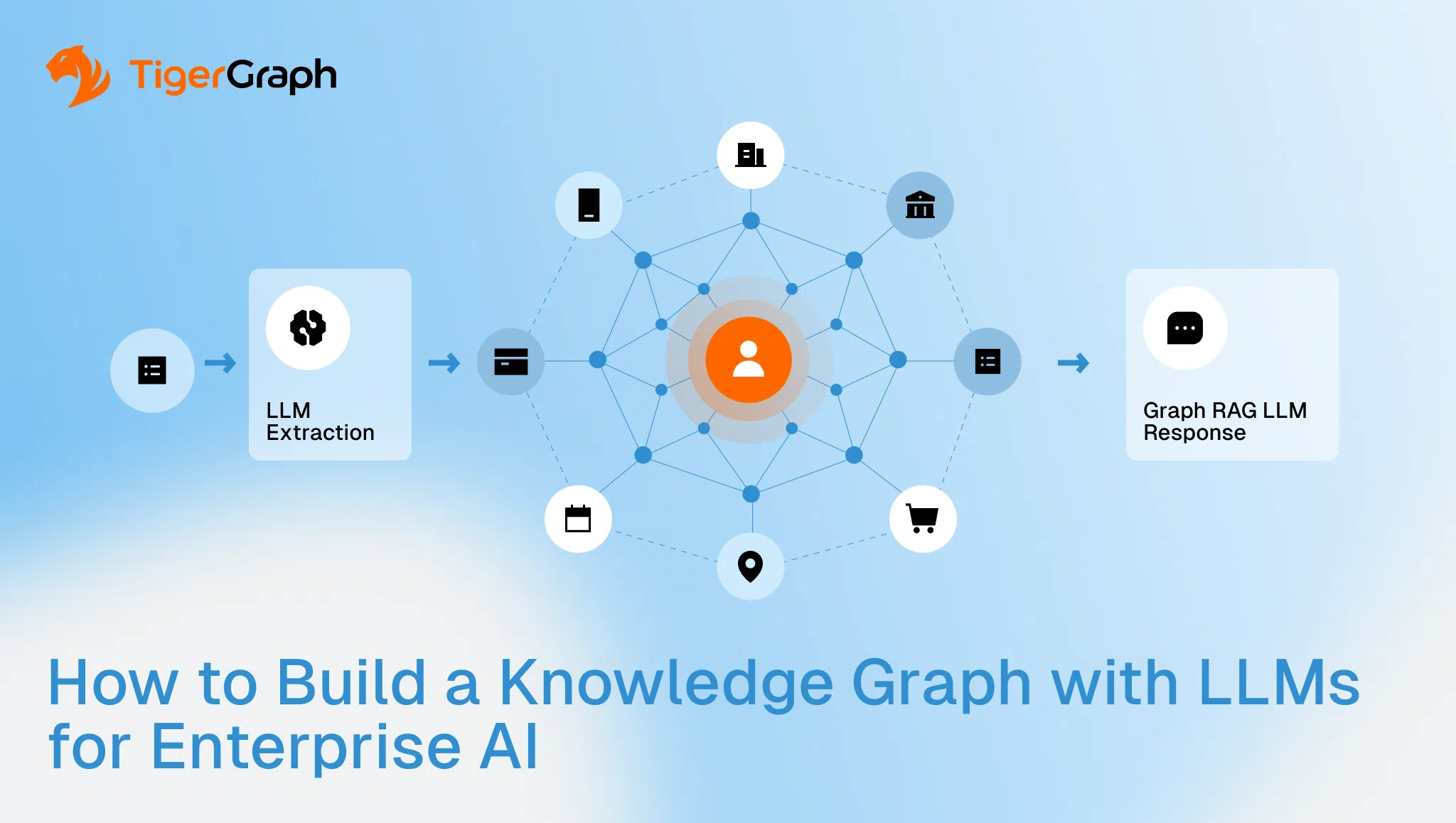
    How to Build a Knowledge Graph with LLMs for Enterprise AI

    Learn how to build an enterprise knowledge graph with LLMs: entity extraction, schema design, GraphRAG integration, data governance, and production-scale architecture.

    Discover
    How-to guideFeb 25, 2026

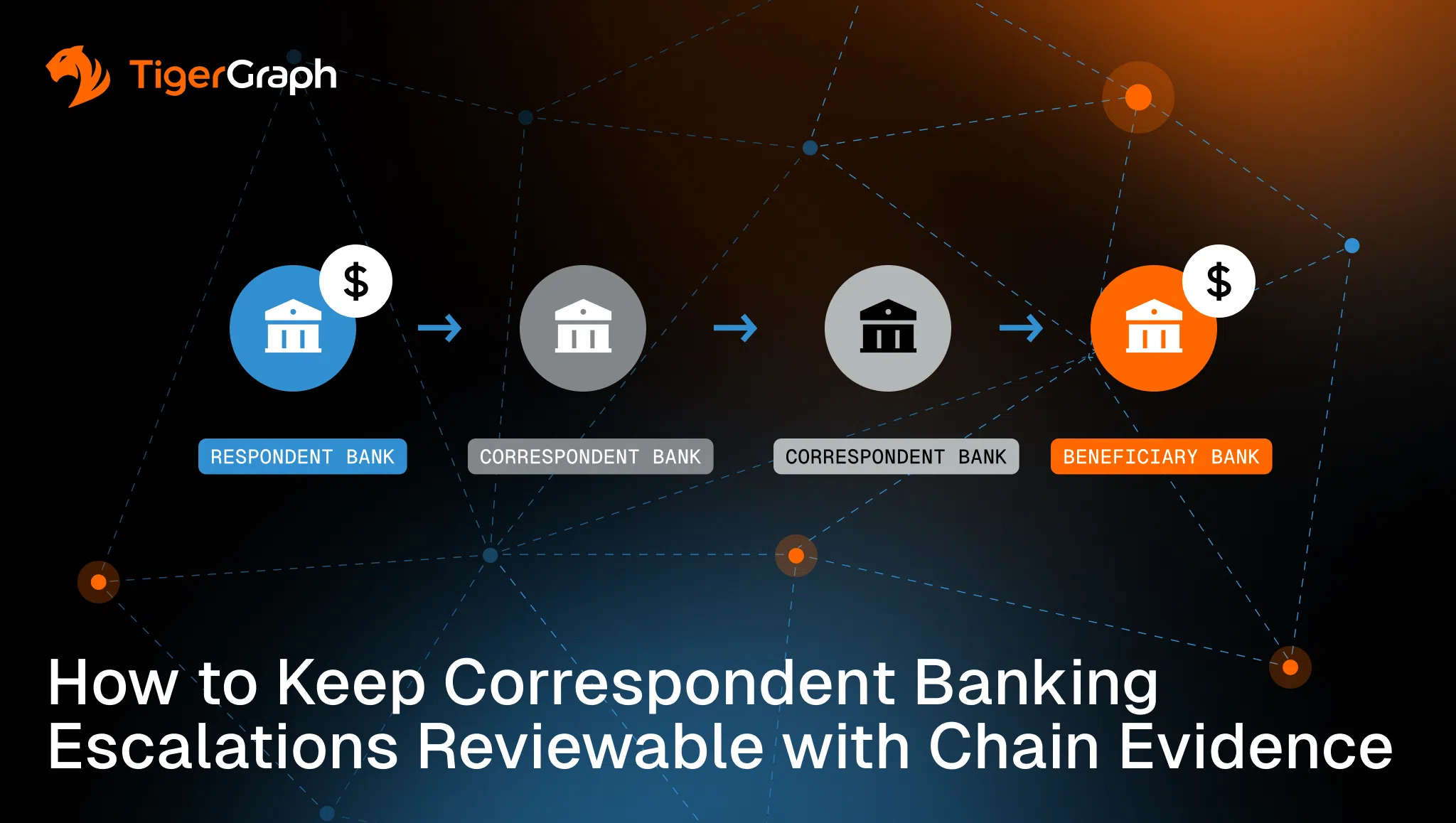
    How to Keep Correspondent Banking Escalations Reviewable with Chain Evidence

    Many escalation decisions in correspondent banking are unknowingly made in the dark, as they often depend on relationship chains that are not visible in the transaction record. Teams need a way to retrieve a broader chain quickly and preserve it as evidence so reviewers can

    Discover
    How-to guideFeb 20, 2026

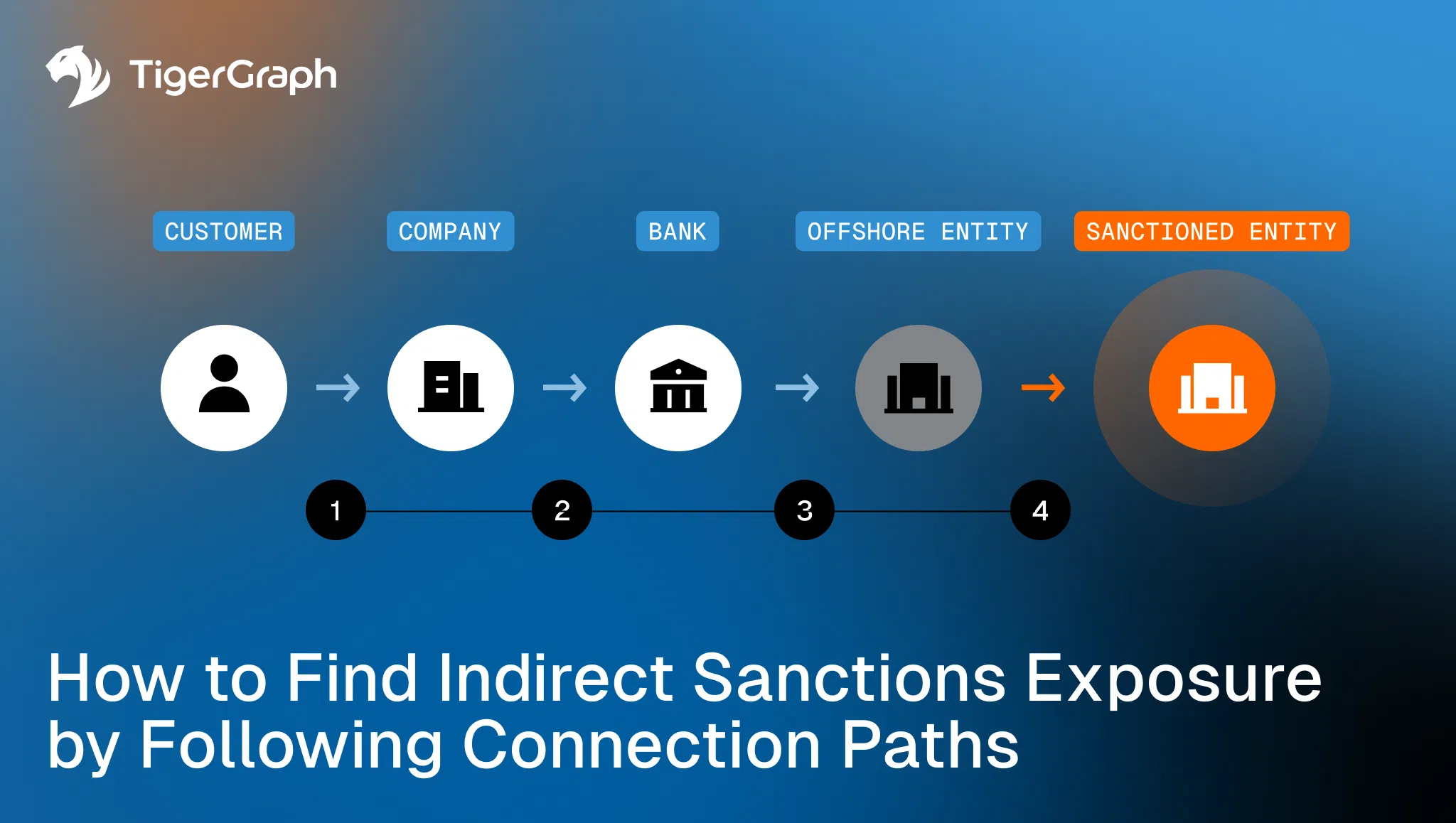
    How to Find Indirect Sanctions Exposure by Following Connection Paths

    Sanctions exposure often does not show up as a clean match to a name on a list. It shows up one or two relationship steps away, through intermediaries, ownership layers, shared infrastructure, or routing choices that only become clear when you follow the chain. Direct

    Discover
    How-to guideJan 29, 2026

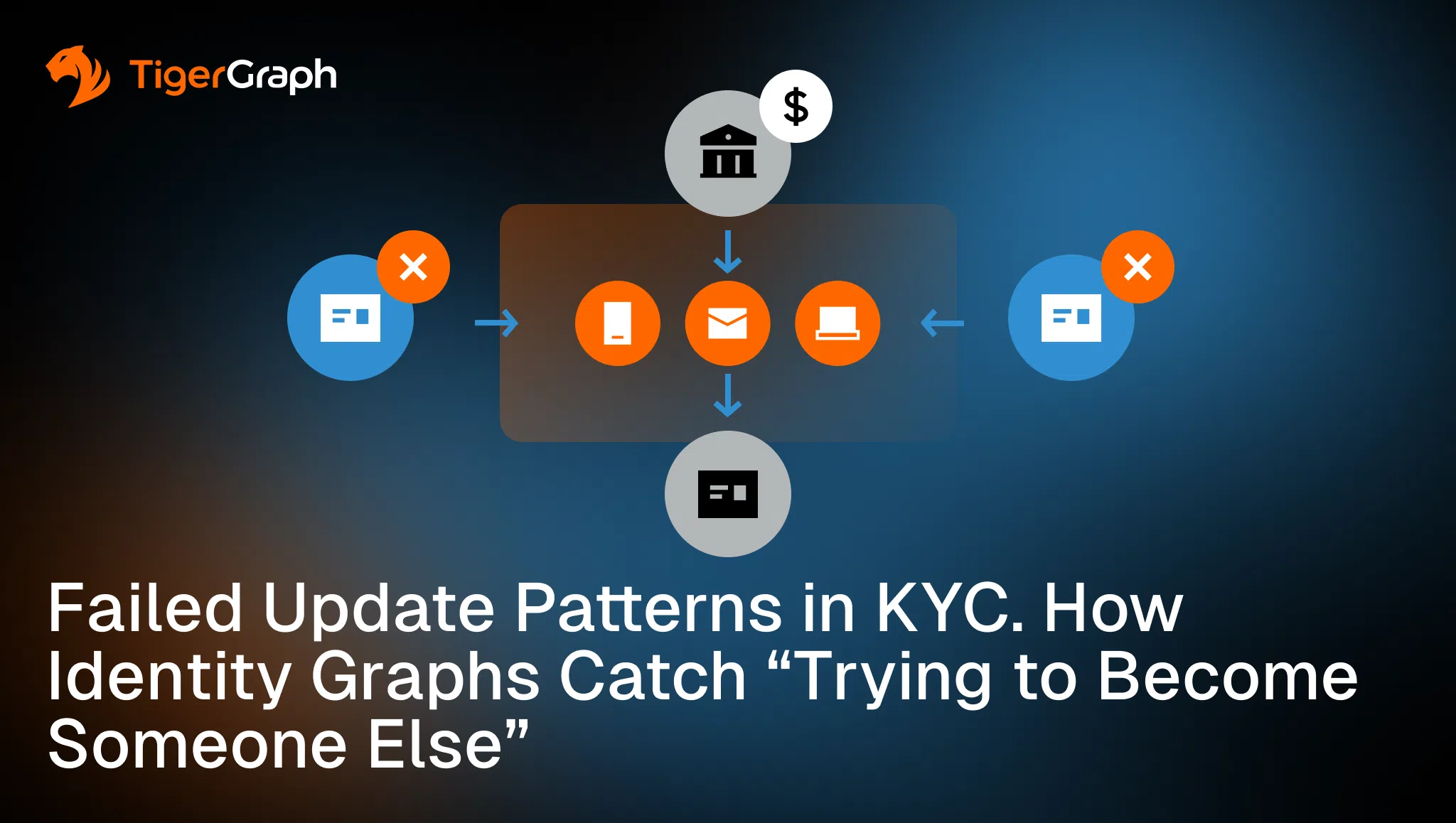
    Failed Update Patterns in KYC. How Identity Graphs Catch “Trying to Become Someone Else”

    Profile updates are a routine part of know-your-customer (KYC) operations. Customers change phone numbers, addresses and contact details. Systems validate those updates and either accept or reject them. What happens when those updates fail? In most programs, a failed update is

    Discover
    IntermediateHow-to guideJan 22, 2026

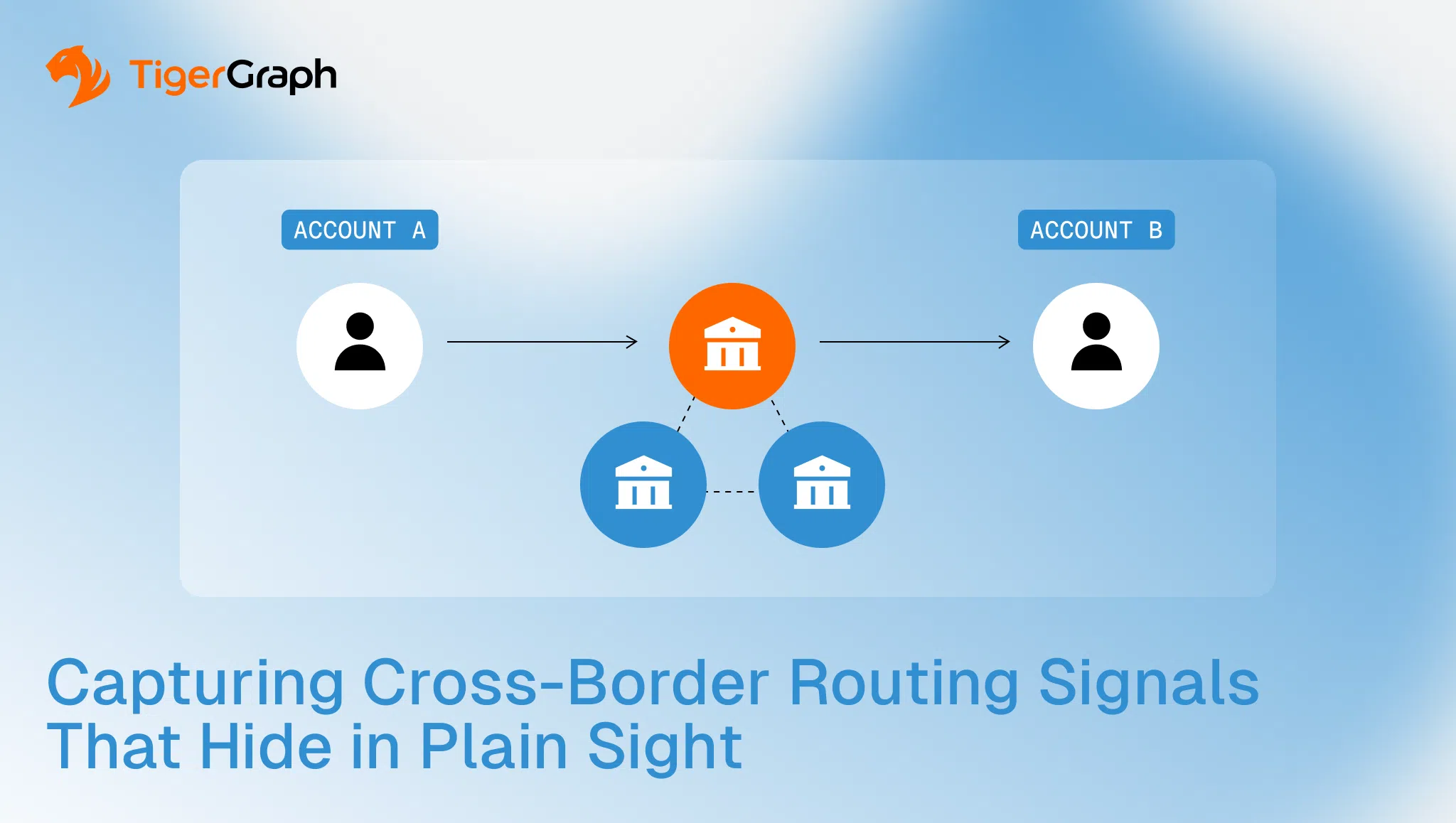
    Capturing Cross-Border Routing Signals That Hide in Plain Sight

    Cross-border routing risk usually shows up in the route choices, not the transfer amount. The same corridor, meaning the same route between two countries or jurisdictions, keeps reappearing. The same intermediary, which is the institution or account used as a middle step, shows up in the

    Discover
    How-to guideJan 21, 2026

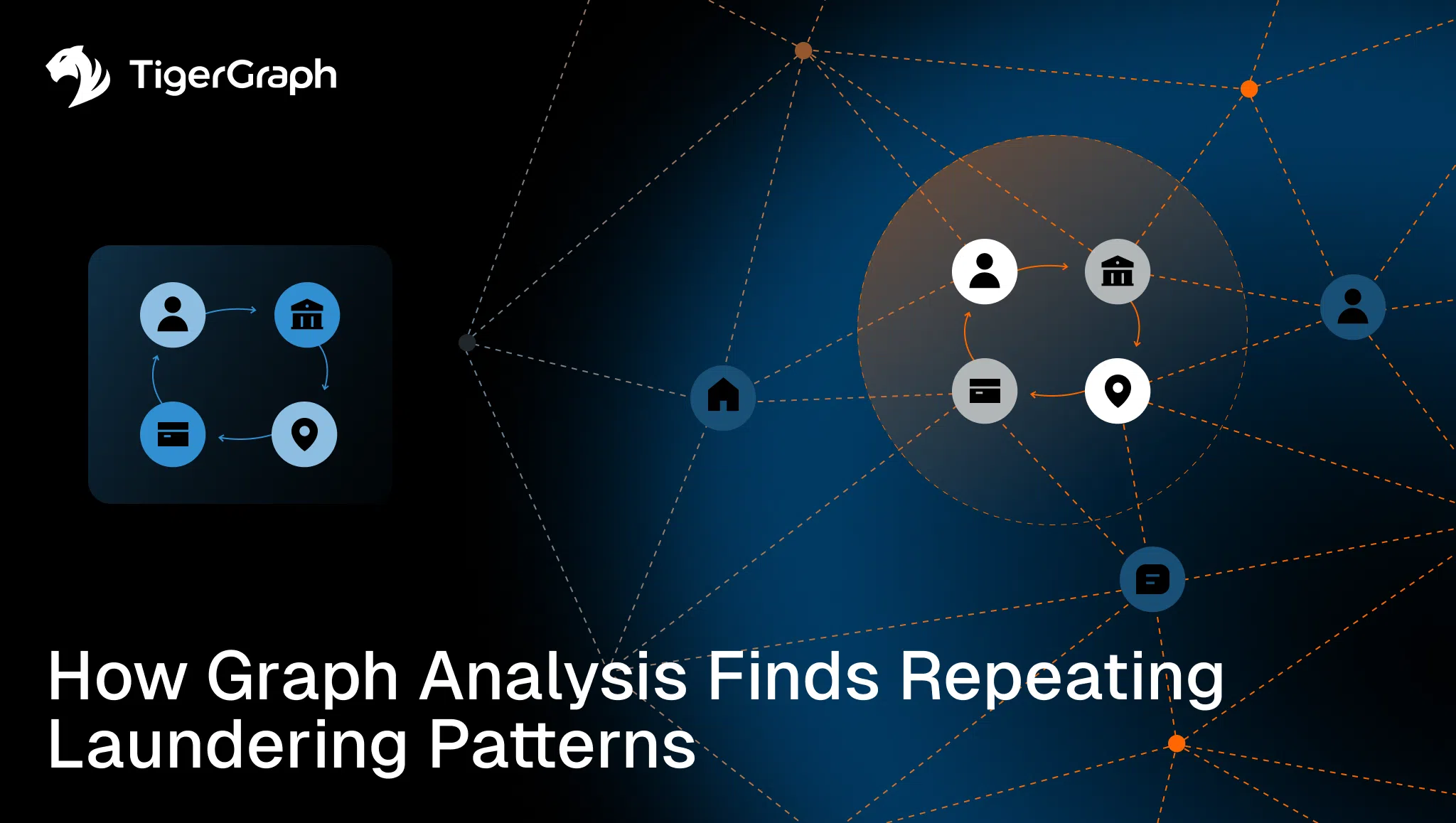
    How Graph Analysis Finds Repeating Laundering Patterns

    A typology is a common pattern of suspicious behavior that compliance teams watch for. Some typologies show up as repeating connection patterns, such as loops, funnels, chains, and pass-through flows, not as one-off rule hits. That matters because a single transaction does not raise an alarm, but the

    Discover
    How-to guideJan 15, 2026

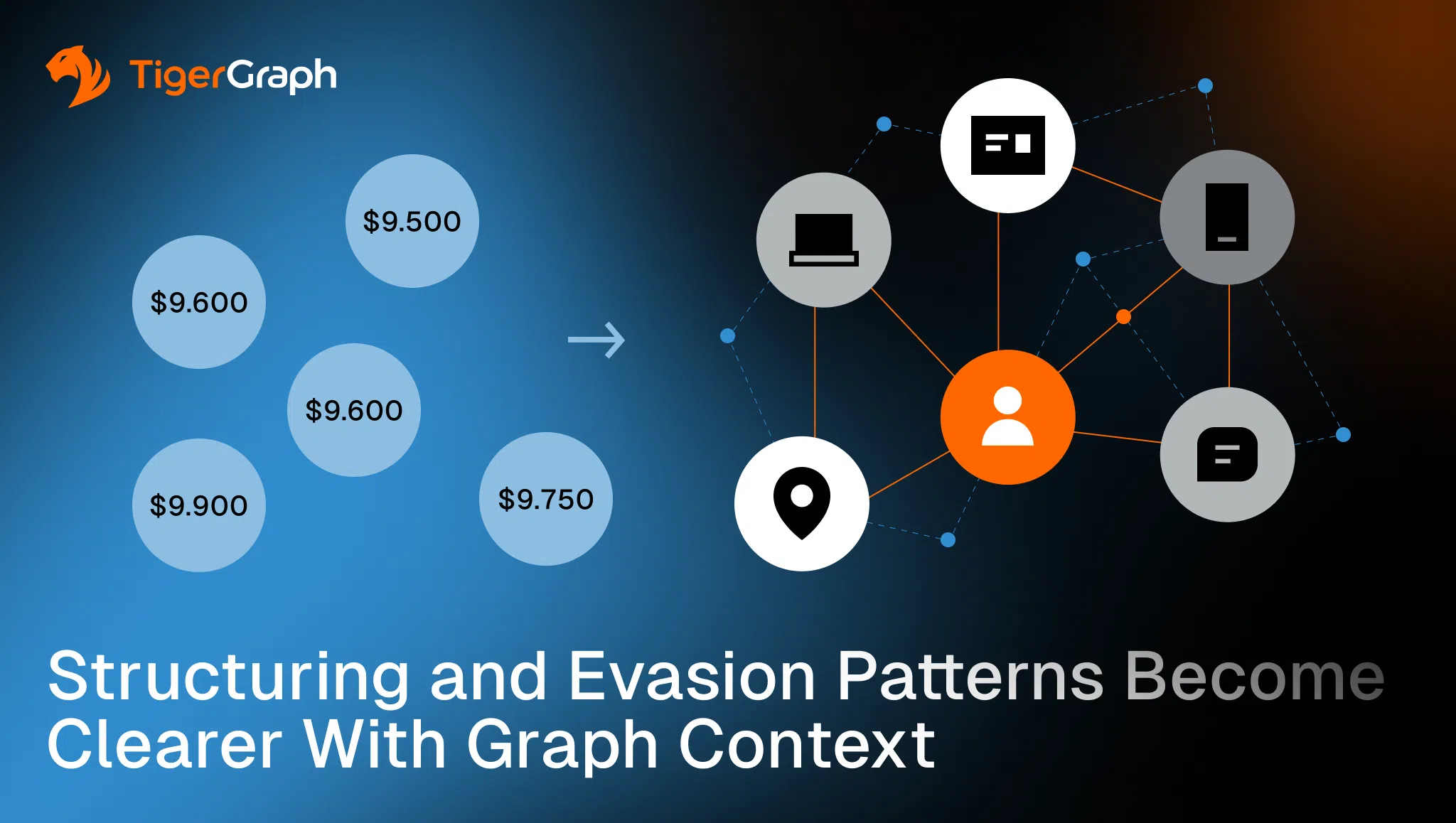
    Structuring and Evasion Patterns Become Clearer With Graph Context

    Thresholds can create blind spots. Structuring is a common example. Structuring means splitting activity into smaller transactions to avoid attention tied to thresholds. When activity is split across linked accounts, shared devices, and repeated destinations, each piece can look compliant while the combined behavior suggests coord

    Discover
    BeginnerHow-to guideJan 13, 2026

    High-Impact Graph Database Project Ideas for Modern Data Teams

    Modern data teams do not need more abstract diagrams or theoretical exercises. They need graph projects that help them understand what is really happening inside their systems. When a graph is modeled cleanly, the relationships stop being guesswork and start acting like a diagnostic instrument. Suddenly,

    Discover
    1234567