
TigerGraph
ResourcesPathfinderDiscord(opens in a new tab)
Resources

Everything, In One Wall

Videos, courses, hands-on tutorials, docs, and blog posts. One place for every phase of learning.

TigerGraph
ResourcesPathfinderDiscord(opens in a new tab)

© 2026 Tiger Graph Dev Hub. All rights reserved.

  • Privacy Policy|
  • Terms of Service

Applied · 4

Clear all
  • Reference
  • Article
  • Tutorial
  • Case study

Levels

  • All Resources
  • Beginner
  • Intermediate
  • Advanced

Categories

  • Videos514
  • Docs644

624 resources · page 9 of 52

NewestOldest
3 Col Grid2 Col GridList
ArticleDec 11, 2025

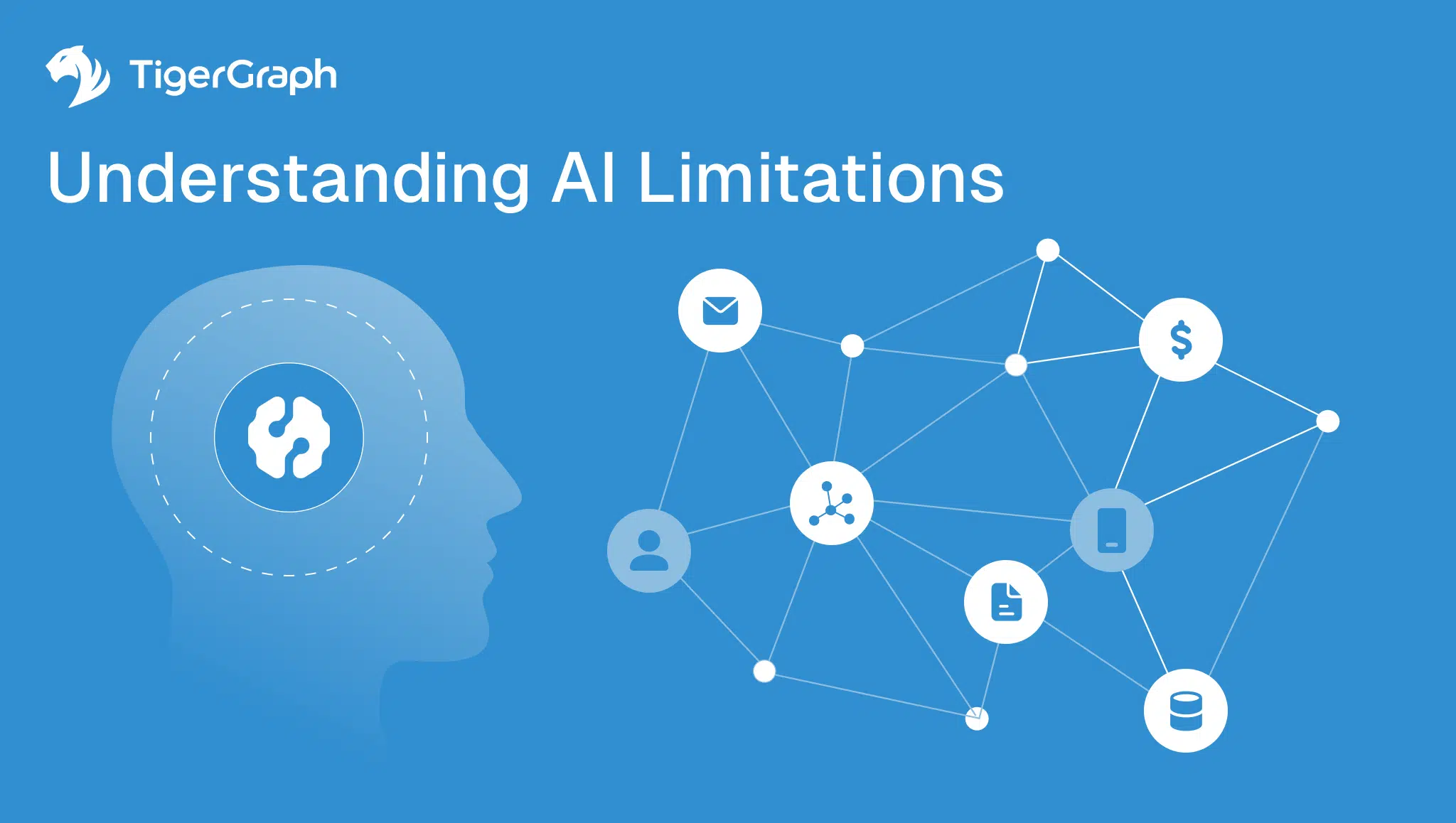
Understanding the Limitations of AI in Enterprise Systems

Glossary
50
  • Blog posts222
  • Code & samples126
  • Graph Resources52
  • Assets

    • Definition36
    • Tutorial113
    • How-to guide319
    • Reference312
    • Concept109
    • Troubleshooting12
    • Security advisory4
    • Runbook
    • Article173
    • Case study26
    • Talk298
    • Release note24
    • Demo114
    • Webinar12
    • Event12
    • Report24

    Tags

    • #Fraud and AML
    • #Entity resolution
    • #Recommendations
    • #GraphRAG and AI
    • #Graph machine learning
    • #Search
    • #Network analysis
    • #Performance and scale
    • #Running TigerGraph
    • #Evaluating graph

    AI has progressed at a remarkable pace, but the limitations of AI are emerging just as quickly. The moment organizations apply AI to decisions that determine financial exposure, operational stability, customer safety or regulatory scrutiny, failure modes become visible. Enterprises need a clear view of these risks
    Discover
    AdvancedArticleDec 10, 2025

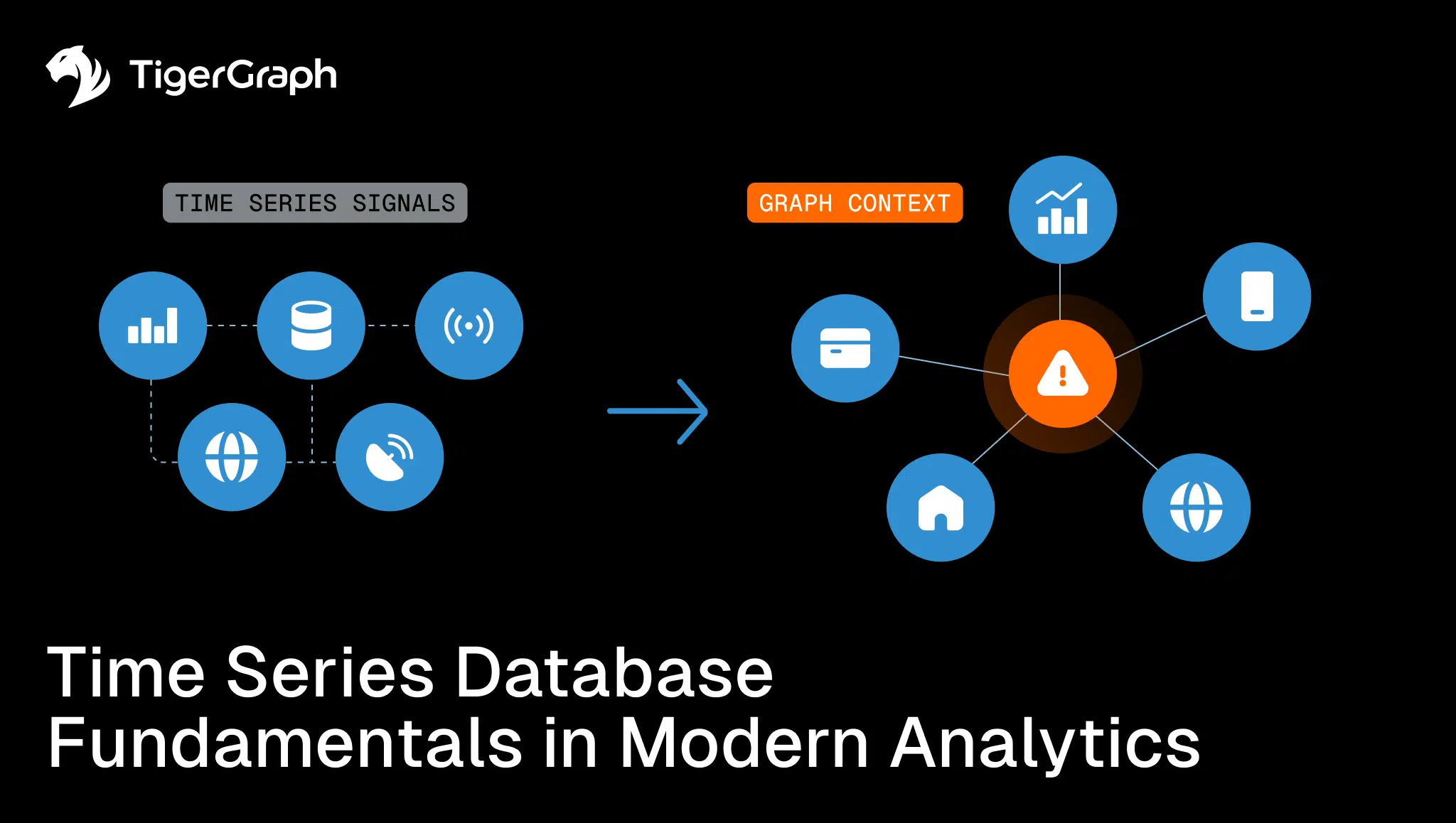
    Time Series Database Fundamentals in Modern Analytics

    A time series database organizes data by timestamp and captures how values evolve across continuous intervals. It is a core component of monitoring, forecasting, and large-scale operational analysis. This article describes how time series databases function, where they perform best, and where they require additional context, and it

    Discover
    AdvancedArticleDec 8, 2025

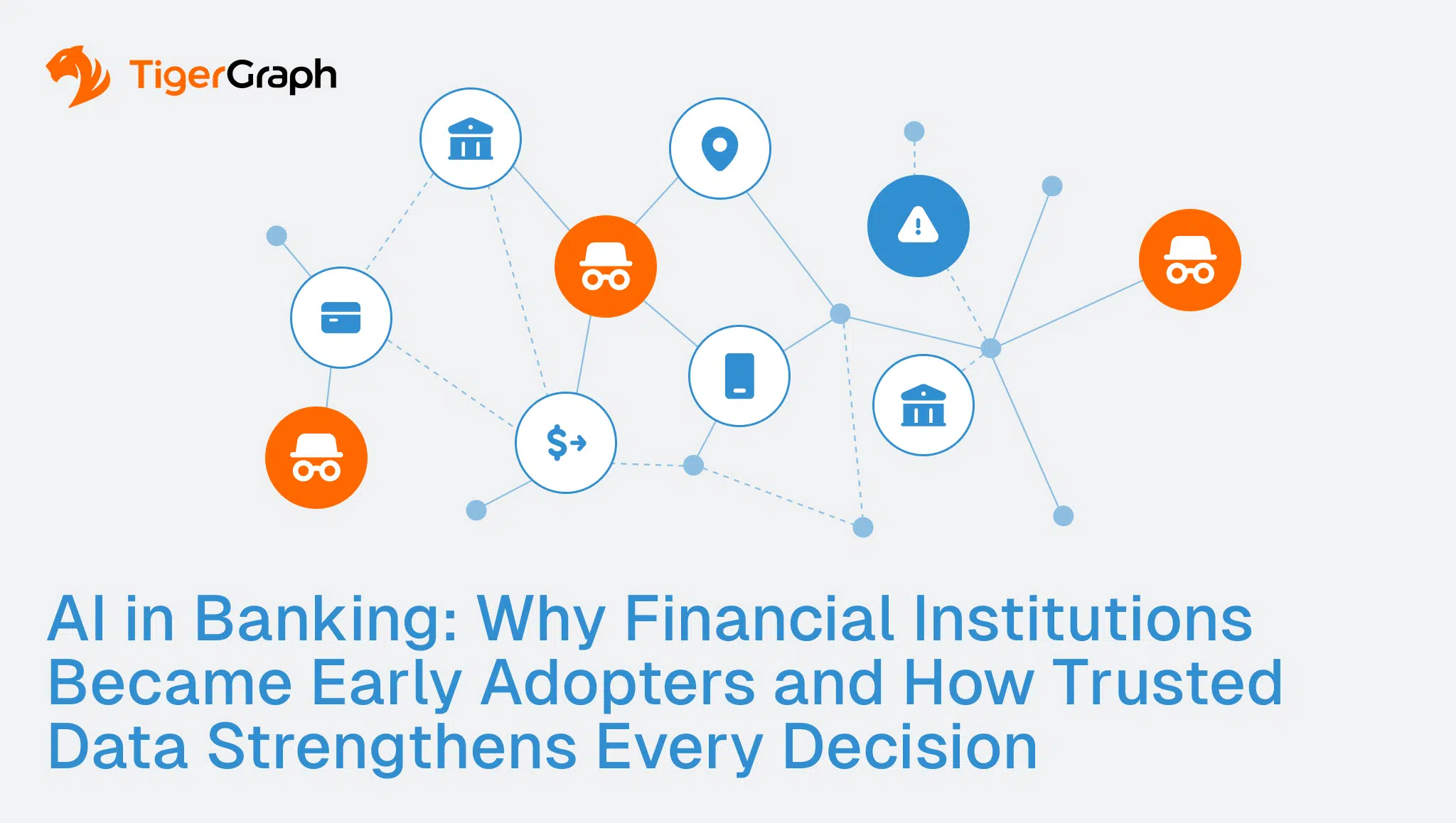
    AI in Banking: Why Financial Institutions Became Early Adopters and How Trusted Data Strengthens Every Decision

    Banks stepped into AI long before the rest of the world caught on. Not because they were chasing the “futuristic innovation” trend, but because they operate in a reality where hesitation is expensive and ignorance is dangerous. A single

    Discover
    BeginnerArticleDec 3, 2025

    Modeling Molecules and Beyond: How Graph Databases Unlock Scientific Discovery

    Graph technology has become important in scientific research because researchers across biology, chemistry and drug discovery face a shared challenge. Scientific data is becoming larger, more interconnected, and more difficult to explore using traditional systems. Many of the systems they study, including molecules, pa

    Discover
    BeginnerArticleDec 1, 2025

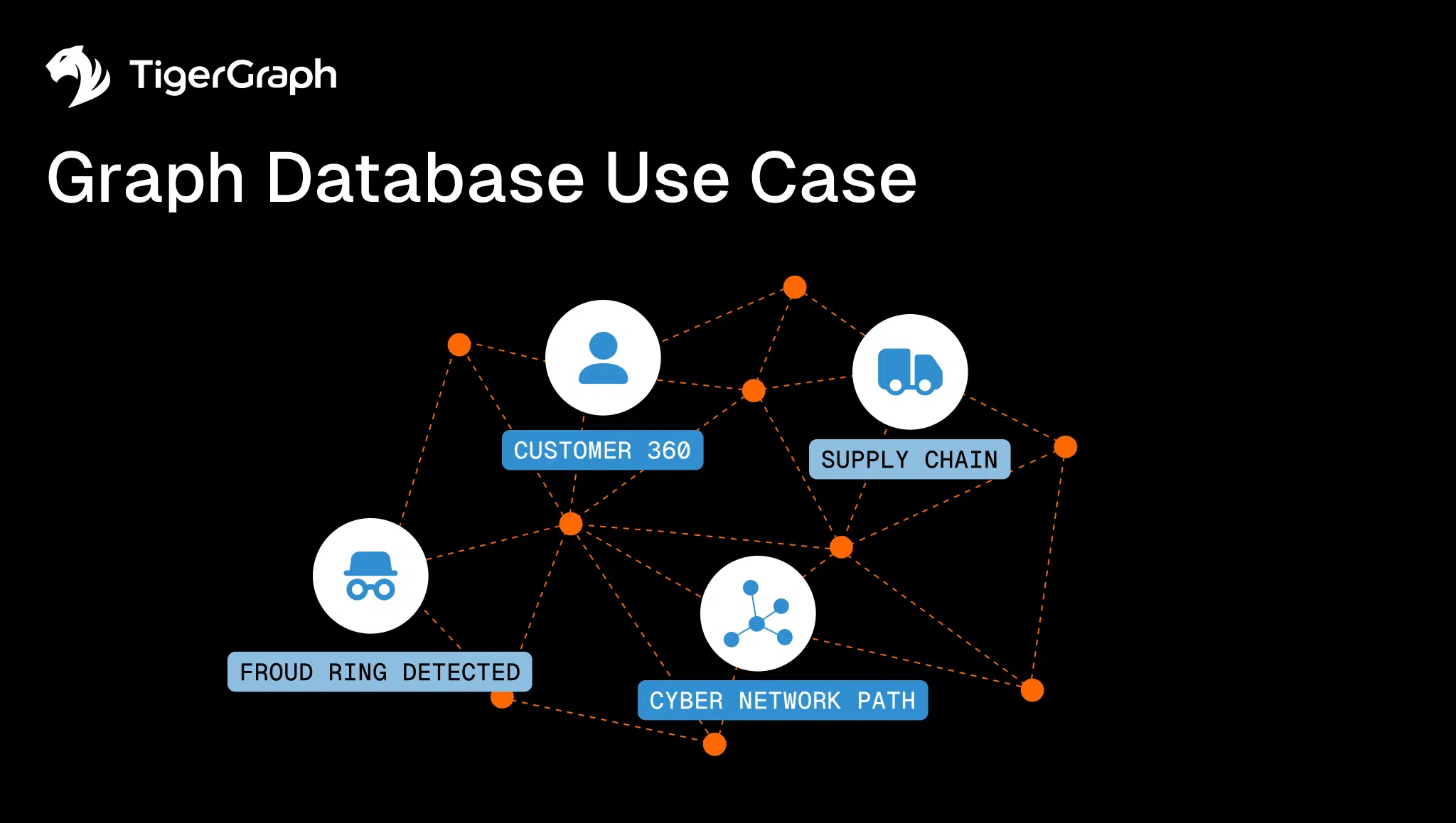
    How Graph Databases Move You From Data Points to Decisions

    Traditional databases were built for ledgers, not relationships. Yet every modern business problem, from fraud detection to customer personalization and supply-chain visibility, depends on how data points connect. That’s why graph database use cases are reshaping enterprise analytics by modeling real-world use cases as relationships

    Discover
    ArticleNov 24, 2025

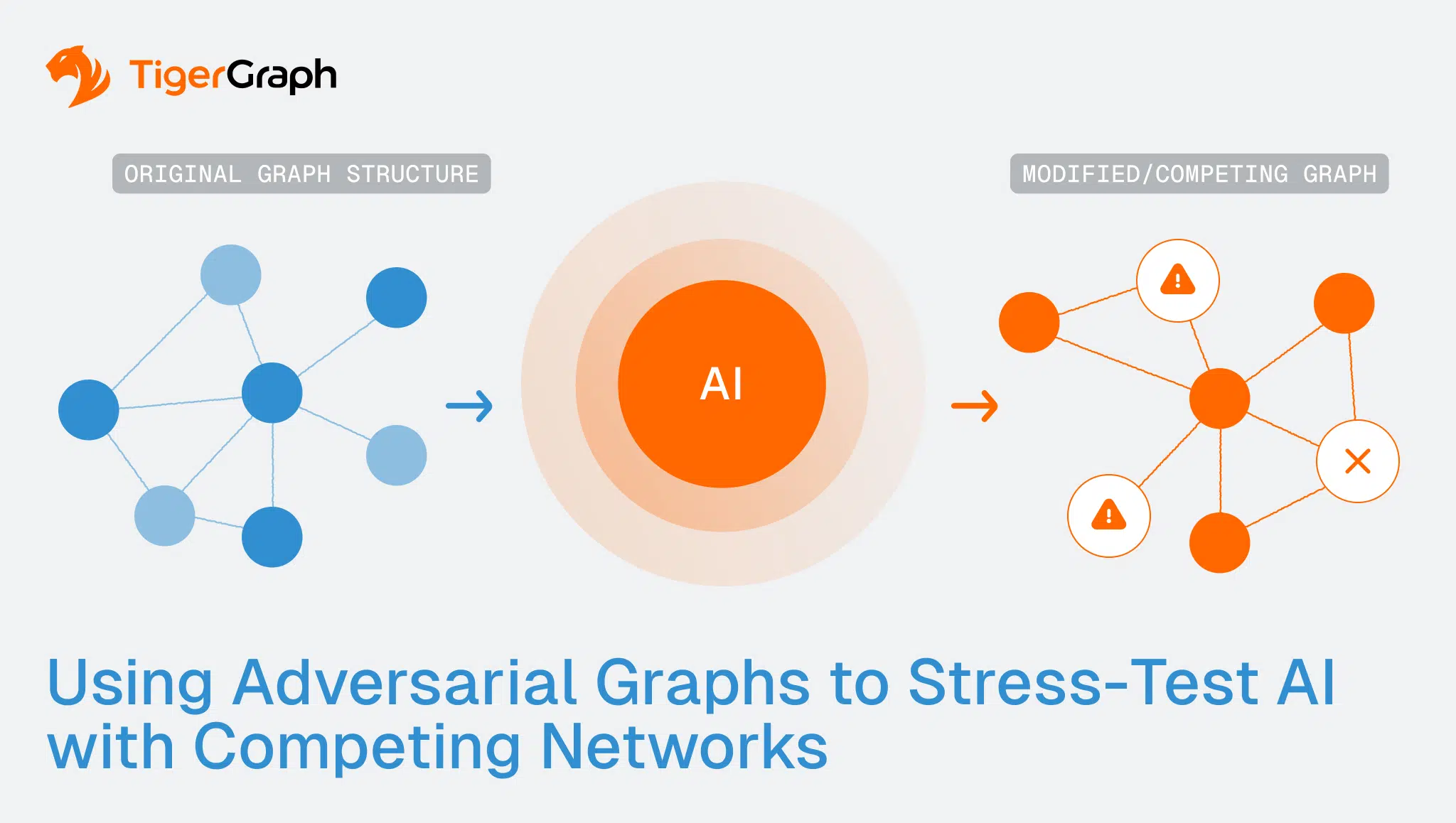
    Using Adversarial Graphs to Stress-Test AI with Competing Networks

    AI systems are getting better at working with graphs, but that improvement raises a new question: How do we know a graph-powered system will hold up when conditions are less than ideal? In machine learning, adversarial examples test how models behave when inputs are intentionally manipulated.

    Discover
    ArticleNov 17, 2025

    Why Hybrid Graph Architecture Strengthens Agentic AI

    Agentic AI systems plan, evaluate, and adjust their actions to achieve a goal. They do more than generate responses. They reason through multi-step tasks, maintain awareness of their progress, and decide how to proceed based on what they observe. To operate this way, Agentic AI systems require context

    Discover
    ArticleNov 11, 2025

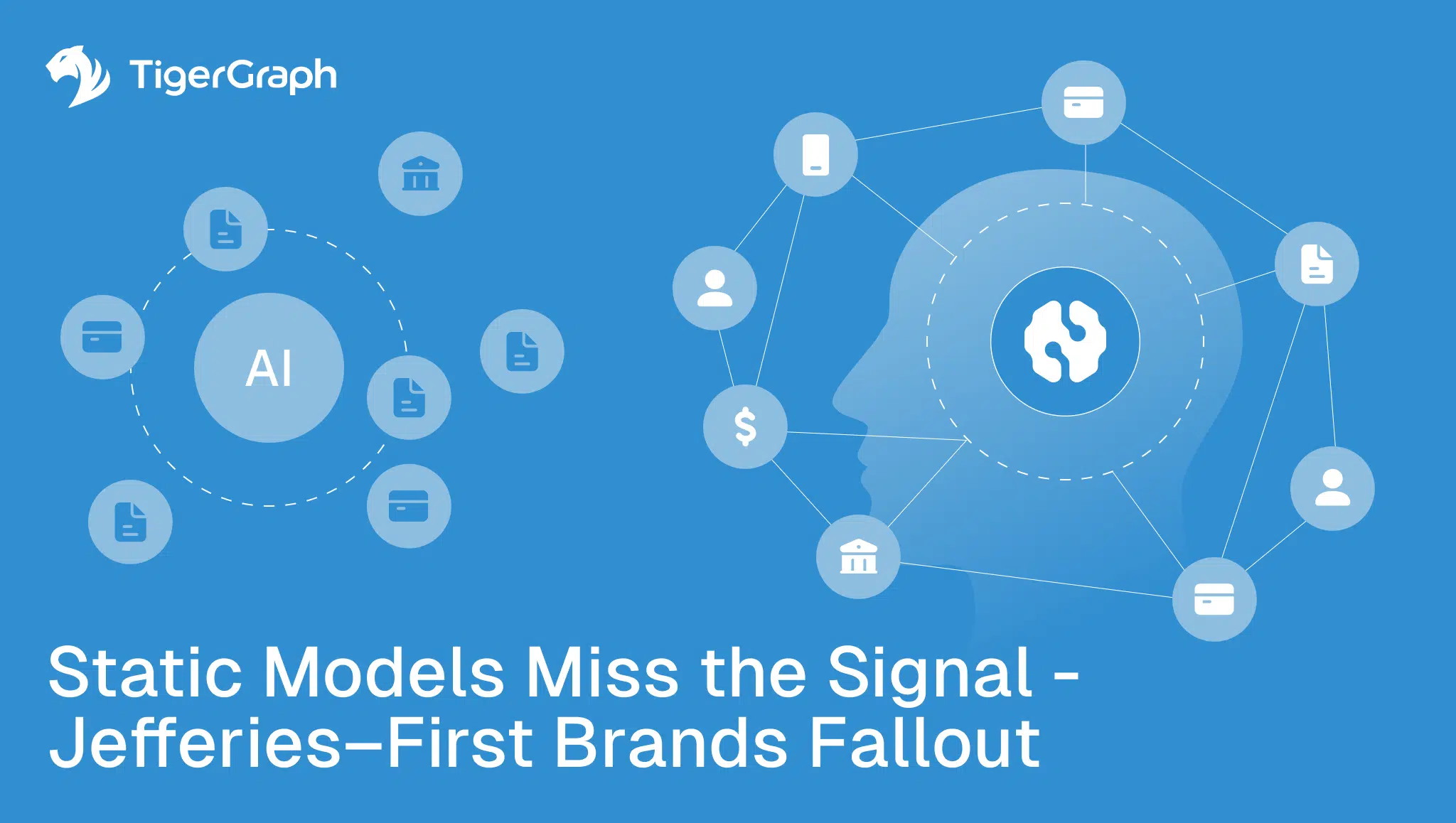
    How Jefferies’ First Brands Scandal Exposed the Limits of Static AI and Why Graph Intelligence Is the Future of Financial Risk Detection

    When Jefferies Financial Group revealed that it had been defrauded by bankrupt auto parts maker First Brands, it highlighted the fragility of traditional financial intelligence. The firm’s exposure wasn’t buried in a bad

    Discover
    ArticleNov 6, 2025

    How Graph Could Have Exposed Suspicious Loans for Zions and Western Alliance Banks

    When two U.S. regional banks, Zions Bancorp and Western Alliance, reported massive loan losses tied to the same guarantors and investment groups, markets reacted with alarm. The lawsuits allege shared borrowers, misrepresented collateral, and overlapping assets worth hundreds of millions of dollars.

    Discover
    AdvancedArticleNov 5, 2025

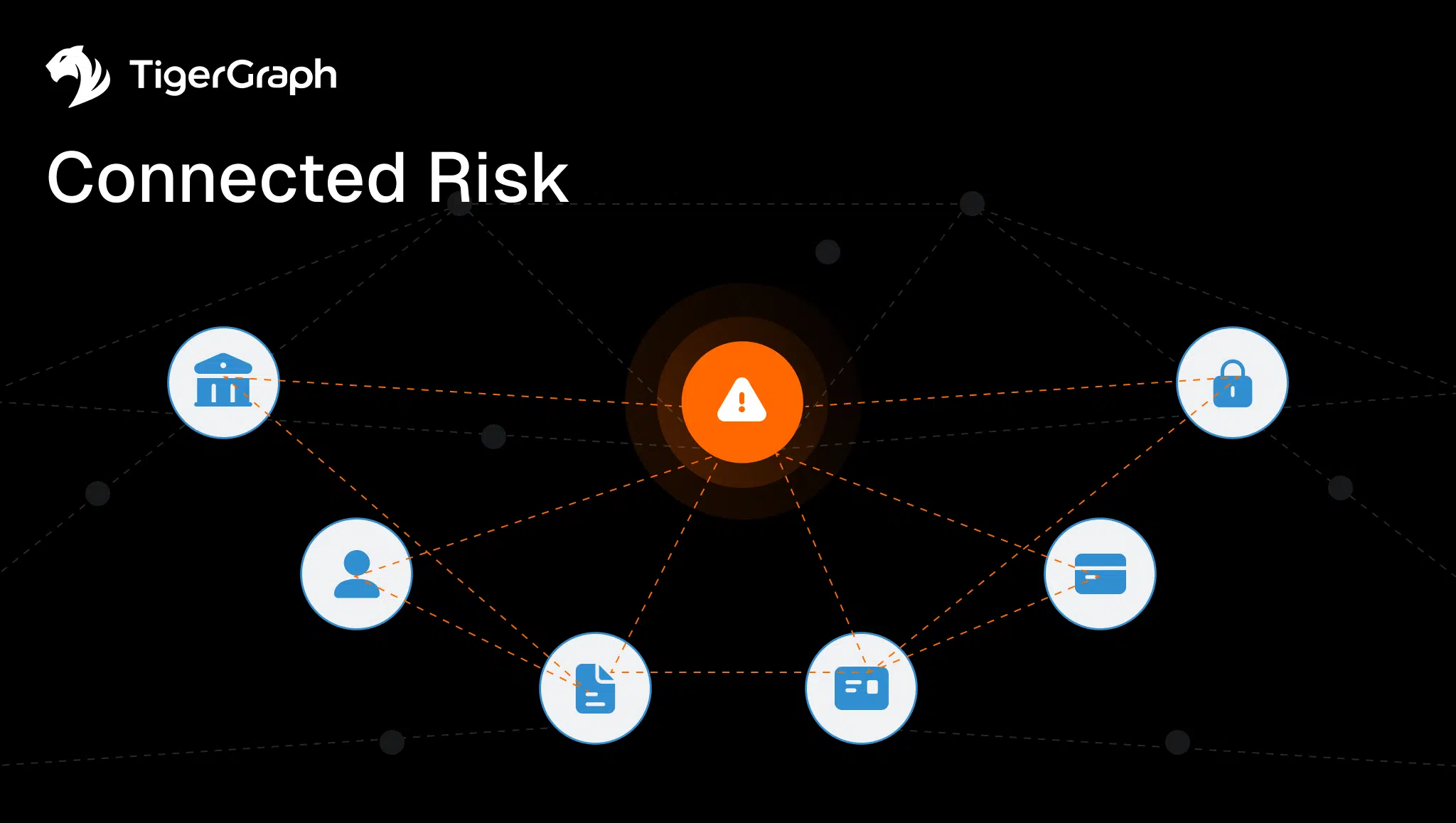
    Connected Risk in Banking: How Graph Databases Build Resilience for Banks

    Why Connected Risk Is the Next Banking Imperative Banking leaders recognize that risks do not operate in silos. A fraudster opening accounts in one channel may launder funds through another. A compliance gap in one business line may expose systemic weaknesses across the enterprise. Cyber intrusions can spread through third-party vendors. Traditional tools are designed

    Discover
    ArticleOct 29, 2025

    Smarter Threat Detection Starts with Connected Security Analytics

    Cyber threats evolve faster than most organizations can respond. Every day introduces new exploits, new identities, and new entry points. Yet most security systems still treat each log, alert, and anomaly as an isolated event. Without context, detection becomes guesswork. Modern cybersecurity use cases powered by graph

    Discover
    ArticleOct 27, 2025

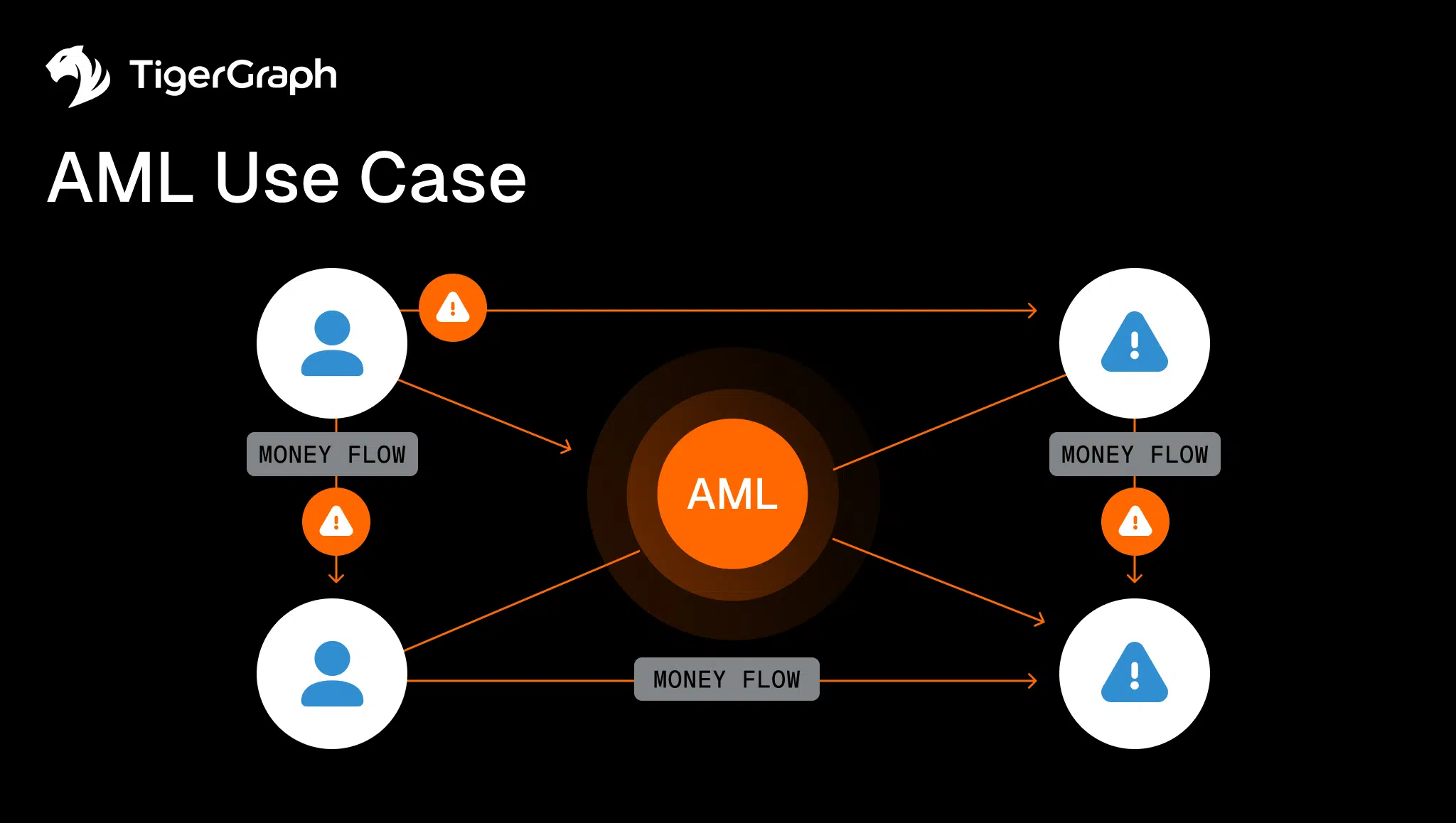
    How Graph-Powered AML Systems Catch What Traditional Rules Miss

    Financial crime evolves faster than compliance systems. Static AML monitoring tools built on decades-old frameworks struggle to interpret modern, cross-border transaction behavior. They rely on rules that look for surface-level anomalies like amount, frequency, or geography. But they don’t understand intent. They can’t see relations

    Discover
    1…8910…52