DefinitionDefinitionApr 27, 2026Bidirectional RelationshipA bidirectional relationship is a connection between two entities in which each side can be accessed or traversed from the other. If a data system user searches for what a bidirectional relationship is, they will learn it is a two-way connection between data elements. In contrast, a directional relationship allowsDiscover
DefinitionDefinitionApr 10, 2026Recommendation SystemA recommendation system is a data-driven framework that identifies and ranks items based on predicted relevance to a user, entity, or context. When someone asks what a recommendation system or recommendation engine is, they are asking how platforms decide what to offer first. These systems analyze behavioral data (such asDiscover
DefinitionDefinitionApr 10, 2026Agentic AIAgentic AI refers to artificial intelligence systems that can plan and execute actions in pursuit of a defined goal. Most traditional AI systems respond to a prompt and generate a single output. For example, you ask a question and the system produces an answer. Once the response is delivered, the interactionDiscover
DefinitionBeginnerDefinitionApr 10, 2026Shortest PathThe shortest path is the most efficient way to travel from one point to another within a network. In graph theory, the shortest path in a graph refers to calculating the route between two nodes that minimizes total cost. A node represents a point, and edges connect those points. EachDiscover
DefinitionDefinitionApr 6, 2026EmbeddingAn embedding in machine learning is a way to represent complex information as numbers so a system can compare items consistently. This matters because many real-world inputs, such as language, images, audio, and behavior patterns, contain rich, nuanced information whose meaning isn’t adequately captured by a set of fields in aDiscover
DefinitionDefinitionApr 6, 2026Vector SearchVector search is a way of finding information based on similarity instead of exact matches. Traditional search systems look for the same words you typed. Vector search looks for items that are similar in meaning or behavior, even if they do not use the same words or phrases. It works byDiscover
DefinitionBeginnerDefinitionFeb 23, 2026Knowledge GraphA knowledge graph is a structured representation of entities and relationships that embodies context. It models real-world things such as people, accounts, devices, events, policies, products, and concepts as entities. It then captures how those entities connect so teams and systems interpret relationships consistently and appropriately across data sources. TeamsDiscover
DefinitionDefinitionFeb 23, 2026Semi-Structured DataSemi-structured data has some recognizable structure, but does not enforce a single, stable schema across all records. This semi-structured data definition explains why the data is easier to parse than free-form content, but still difficult to query consistently at scale. When people ask what semi-structured data is, they are usually referringDiscover
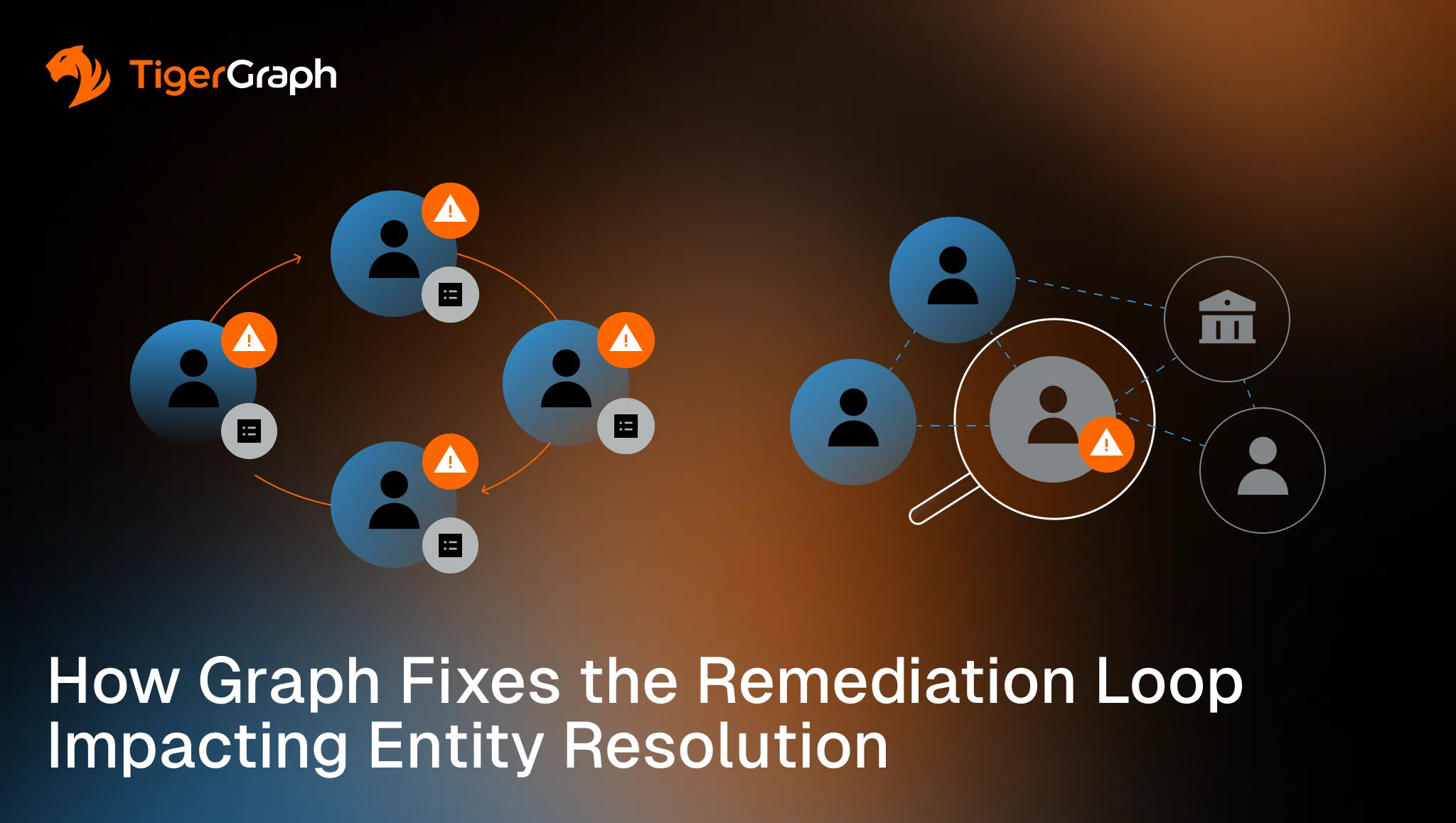
DefinitionFeb 13, 2026How Graph Fixes the Remediation Loop Impacting Entity ResolutionRemediation is supposed to be temporary. Alerts are investigated, issues are corrected, and over time, similar problems should appear less frequently because prior work carries forward. When that does not happen, though, remediation becomes a loop. The same entity types reappear, the same inconsistencies resurface andDiscover
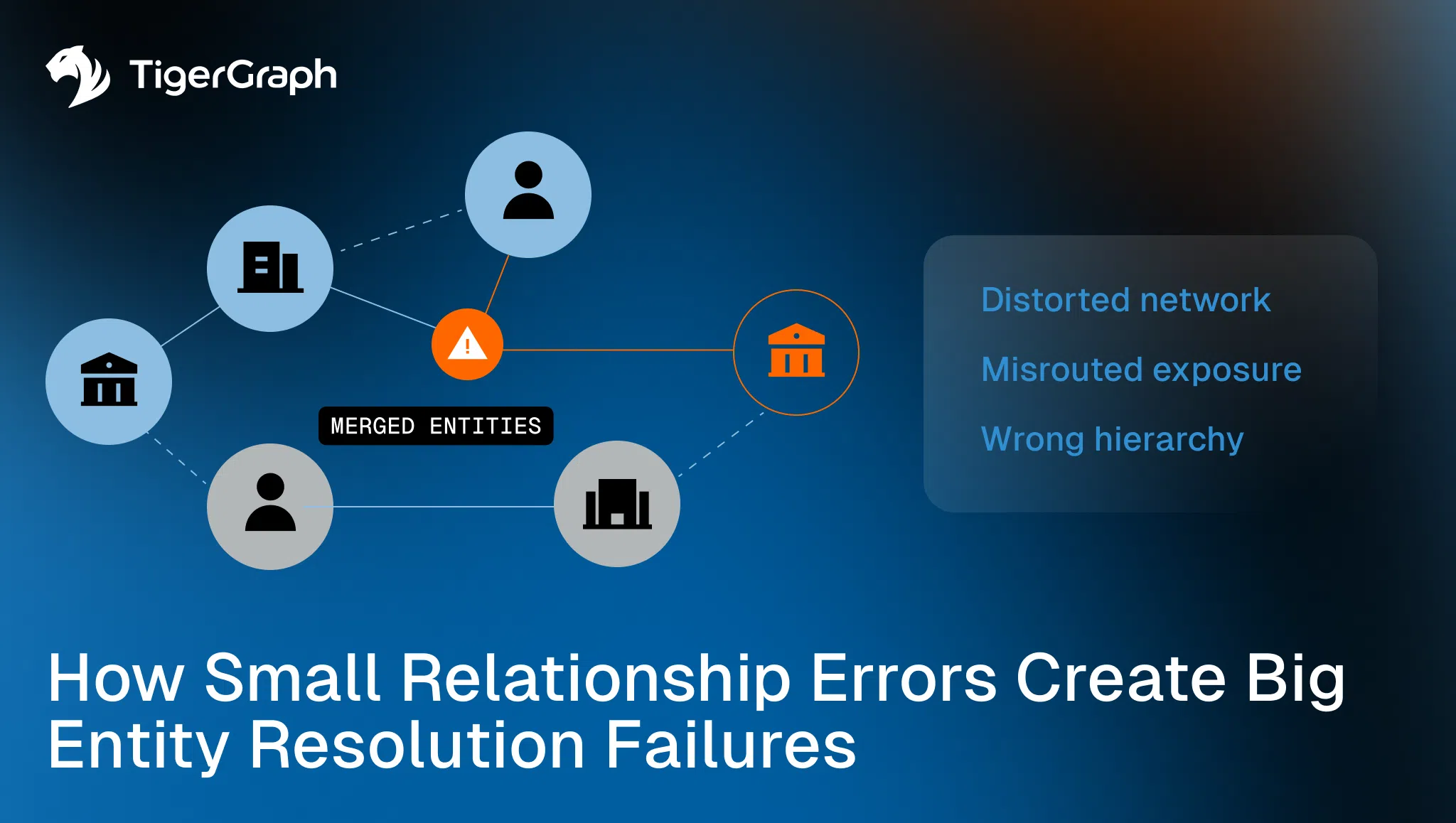
BeginnerDefinitionFeb 11, 2026How Small Relationship Errors Create Big Entity Resolution FailuresEntity resolution is often discussed as a record-matching problem, with a focus on which records belong together and which do not. But many resolution failures have less to do with the records themselves and more to do with the relationships that connect them. In graph-based systems,Discover
DefinitionDefinitionFeb 8, 2026Retrieval-Augmented Generation (RAG)Retrieval-augmented generation (RAG) is an AI application framework that improves AI responses by first retrieving supplemental data from trusted data sources to provide the generative model a relevant foundation of information to work with. In many enterprise stacks, RAG AI is the shorthand for that retrieval-plus-generation workflow. That small shiftDiscover