
TigerGraph
ResourcesPathfinderDiscord(opens in a new tab)
Resources

Everything, In One Wall

Videos, courses, hands-on tutorials, docs, and blog posts. One place for every phase of learning.

TigerGraph
ResourcesPathfinderDiscord(opens in a new tab)

© 2026 Tiger Graph Dev Hub. All rights reserved.

  • Privacy Policy|
  • Terms of Service

Applied · 4

Clear all
  • Beginner
  • #Performance and scale
  • #GraphRAG and AI
  • #Evaluating graph

Levels

  • All Resources
  • Beginner
  • Intermediate
  • Advanced

Categories

  • Videos514
  • Docs644

13 resources · page 1 of 2

NewestOldest
3 Col Grid2 Col GridList
BeginnerArticleSep 18, 2026
Glossary
50
  • Blog posts222
  • Code & samples126
  • Graph Resources52
  • Assets

    • Definition36
    • Tutorial113
    • How-to guide319
    • Reference312
    • Concept109
    • Troubleshooting12
    • Security advisory4
    • Runbook
    • Article173
    • Case study26
    • Talk298
    • Release note24
    • Demo114
    • Webinar12
    • Event12
    • Report24

    Tags

    • #Fraud and AML
    • #Entity resolution
    • #Recommendations
    • #GraphRAG and AI
    • #Graph machine learning
    • #Search
    • #Network analysis
    • #Performance and scale
    • #Running TigerGraph
    • #Evaluating graph

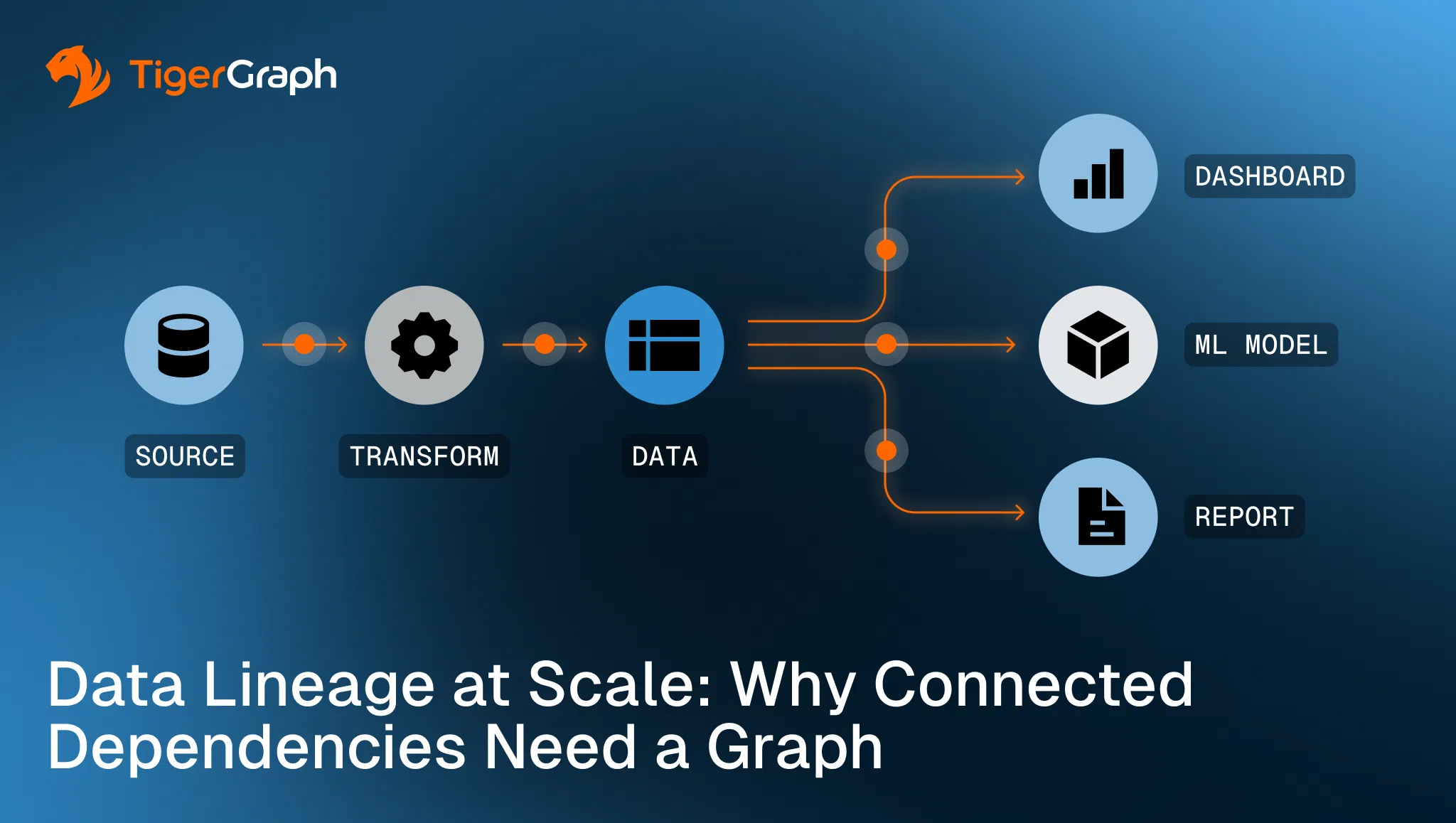
    Data Lineage at Scale: Why Connected Dependencies Need a Graph

    Traditional data lineage tools struggle with complex dependencies. Learn why graph databases are the natural foundation for enterprise data lineage at scale.
    Discover
    BeginnerblogAug 18, 2026

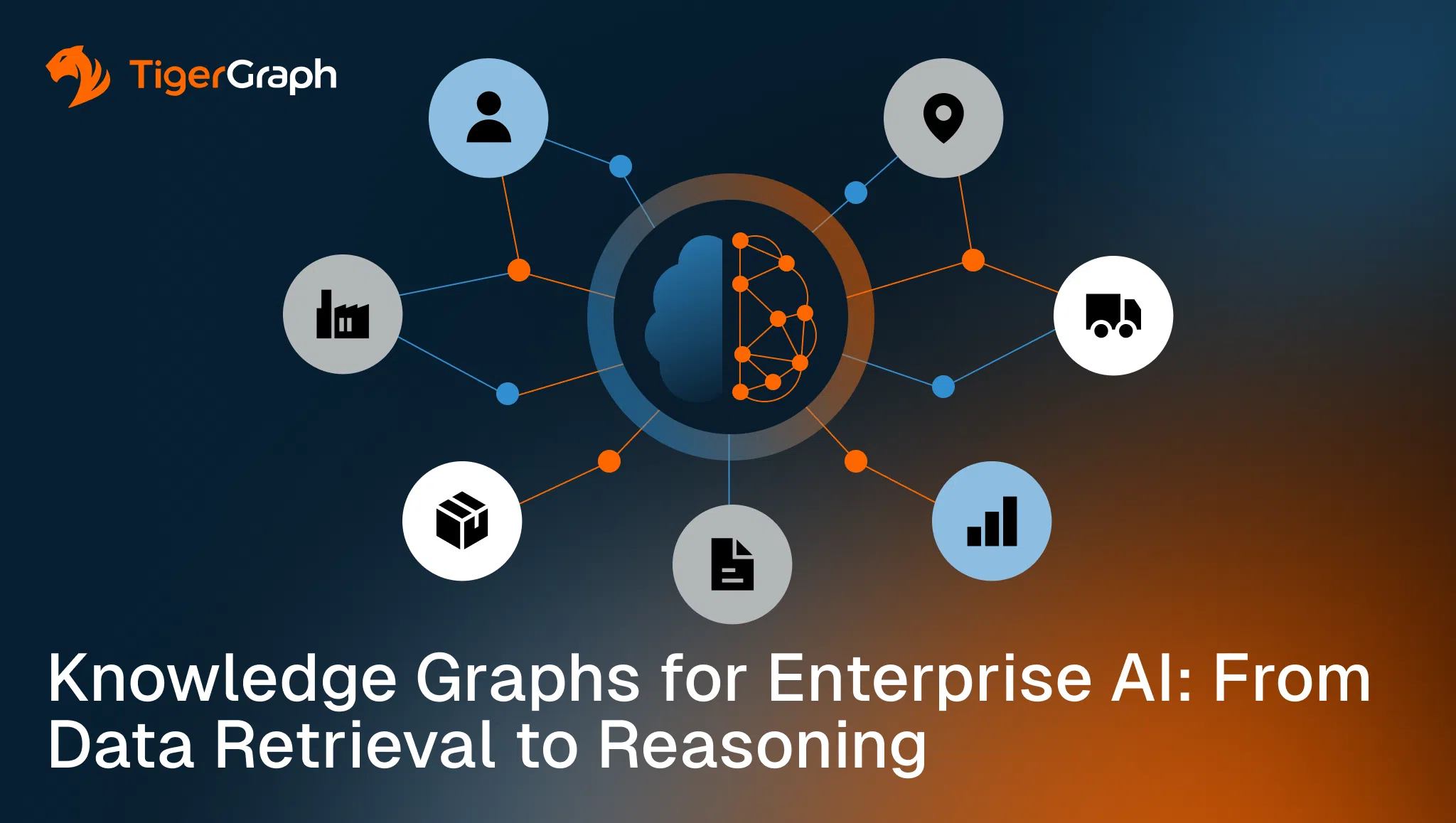
    Knowledge Graphs for Enterprise AI: From Data Retrieval to Reasoning

    Vector databases retrieve similar text. Knowledge graphs reason over connected context. Learn how knowledge graphs move enterprise AI from retrieval to reasoning.

    Discover
    BeginnerHow-to guideJan 8, 2026

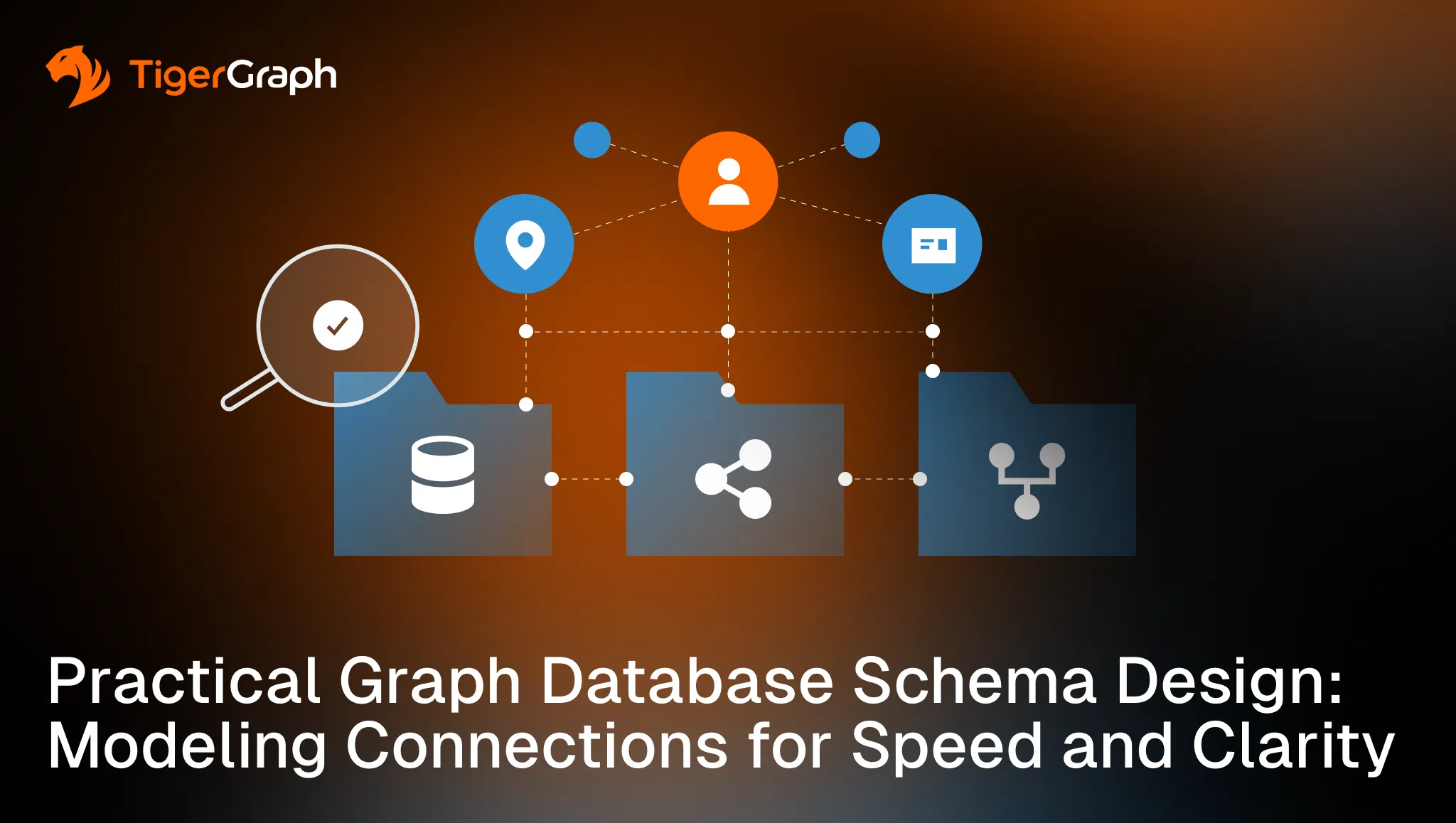
    Practical Graph Database Schema Design: Modeling Connections for Speed and Clarity

    High-Performance Graph Database Schema Design for Connected Data | TigerGraph A graph database schema defines the structure of data, including the entities in the domain, the connections between them, and the rules that shape those connections. It acts as the blueprint for how information is stored and how traversal should behave. A clear schema makes

    Discover
    BeginnerConceptJan 8, 2026

    RDF vs. Property Graph: Choosing the Right Foundation for Knowledge Graphs

    Every organization that builds a knowledge graph faces the same architectural crossroads at some point. Should the system use RDF for semantic precision, or a property graph for analytical performance? This choice determines so much, like how relationships are represented and how queries scale.

    Discover
    BeginnerArticleDec 17, 2025

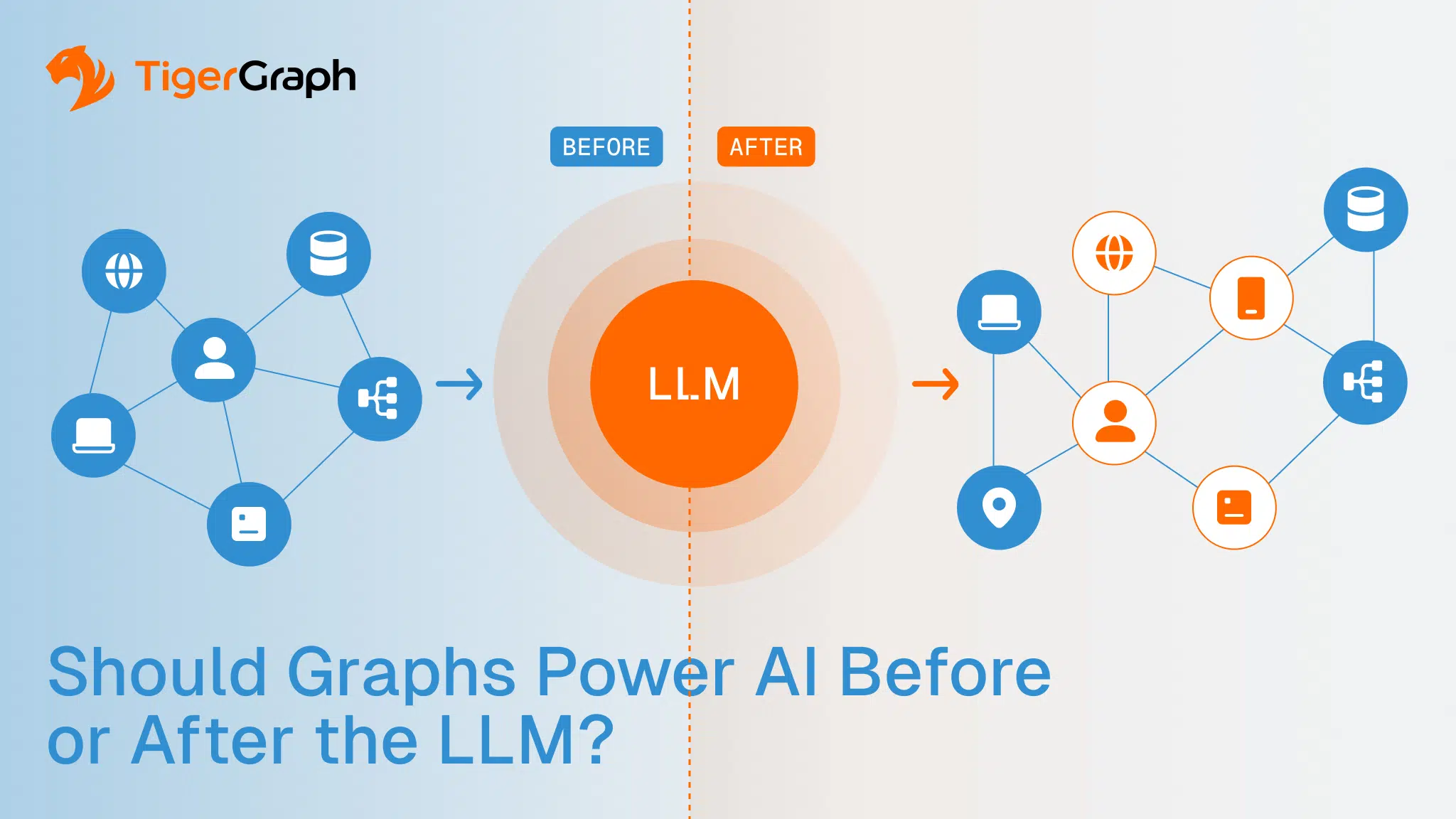
    Should Graphs Power AI Before or After the LLM?

    Enterprises designing modern AI systems eventually run into the same architectural crossroads. They see that a graph can strengthen their AI. Should the graph be used in the retrieval phase, shaping the context the model receives before the LLM generates a response, or in the validation

    Discover
    BeginnerConceptOct 20, 2025

    The Power of Graph Relationships: Turning Isolated Data into Connected Insights

    Enterprises do not suffer from a lack of data, but they do suffer from data silos and a lack of connection. Context is lost. Adding relationships to the data solves this problem. Graph relationships map how people, accounts, devices, suppliers, and policies interact. And

    Discover
    Concept
    BeginnerConceptSep 19, 2025

    Contextual Reasoning in Graph AI

    Contextual reasoning in graph AI is the ability of an AI system to interpret data as part of a connected network of relationships. Instead of evaluating attributes in a vacuum, contextual reasoning analyzes how entities relate to one another. This lets you see more characteristics and influences, leading

    Discover
    BeginnerArticleAug 28, 2025

    Vector Embeddings Reveal Hidden Layers in AI

    In AI, the magic isn’t in what you see—it’s in what the system understands. That understanding is powered by vector embeddings, which are mathematical representations of complex data, such as sentences, images, human beings, or behaviors. These vectors reduce this complex information into numerical formats that machines can

    Discover
    BeginnerArticleApr 18, 2025

    The Agentic AI/Graph Database Combo Powering Emerging Applications

    Static AI models that provide insights on demand are no longer enough. Today’s enterprise needs systems that can dynamically adapt, make autonomous decisions, and optimize workflows in real time. Enter Agentic AI, a fast-evolving approach in artificial intelligence that’s gaining serious traction for its potential to enable

    Discover
    BeginnerArticleApr 15, 2025

    Why Agentic AI Needs More Than Just Rules (It Needs Guardrails)

    Traditional AI models often operate in rigid, rule-based environments, but real-world scenarios demand nuance. Agentic AI doesn’t just follow instructions—it interprets them, reasons through options, and makes choices based on perceived goals. To do that responsibly, it needs more than logic—it needs context. Graphs

    Discover
    BeginnerArticleMar 18, 2025

    Unleashing AI’s Potential: Why Graph Databases are the Secret Weapon

    Artificial intelligence is rapidly transforming industries, but its biggest challenge remains: understanding relationships within data at scale. Traditional databases fall short, but graph databases, especially TigerGraph, bridge this gap, unlocking AI’s full potential Graph Databases: The Foundation for Smarter AI Traditional d

    Discover
    BeginnerConceptApr 1, 2024

    Understanding Graph Embeddings

    by Dan McCreary, Head of AI at TigerGraph Graph embeddings have become increasingly important in Enterprise Knowledge Graph (EKG) strategy. Graph embeddings will soon become the de facto way to quickly find similar items in large billion-vertex EKGs. And as we have discussed in our prior articles, real-time similarity calculations are critical to many areas

    Discover
    12