TigerGraph
ResourcesPathfinderDiscord(opens in a new tab)
Resources

Everything, In One Wall

Videos, courses, hands-on tutorials, docs, and blog posts. One place for every phase of learning.

TigerGraph
ResourcesPathfinderDiscord(opens in a new tab)

© 2026 Tiger Graph Dev Hub. All rights reserved.

  • Privacy Policy|
  • Terms of Service

Applied · 2

Clear all
  • #Evaluating graph
  • #Recommendations

Levels

  • All Resources
  • Beginner
  • Intermediate
  • Advanced

Categories

  • Videos514
  • Docs644
  • Glossary50
  • Blog posts222

Assets

  • Definition36
  • Tutorial113
  • How-to guide319
  • Reference312

Tags

  • #Fraud and AML
  • #Entity resolution
  • #Recommendations
  • #GraphRAG and AI
  • #Graph machine learning
  • #Search
  • #Network analysis
  • #Performance and scale
  • #Running TigerGraph
  • #Evaluating graph

107 resources · page 2 of 9

NewestOldest
3 Col Grid2 Col GridList
Concept
BeginnerConceptApr 10, 2026

Propagation in Graphs

Propagation in graphs refers to the process of spreading status information, entity descriptions, computed values, or other data across connected entities within a network. In a graph, data is represented using nodes and edges. Nodes represent entities such as people, accounts, devices, or products. Edges represent the relationships connecting those
Code & samples
126
  • Graph Resources52
  • Concept
    109
  • Troubleshooting12
  • Security advisory4
  • Runbook
  • Article173
  • Case study26
  • Talk298
  • Release note24
  • Demo114
  • Webinar12
  • Event12
  • Report24
  • Discover
    BeginnerArticleApr 10, 2026

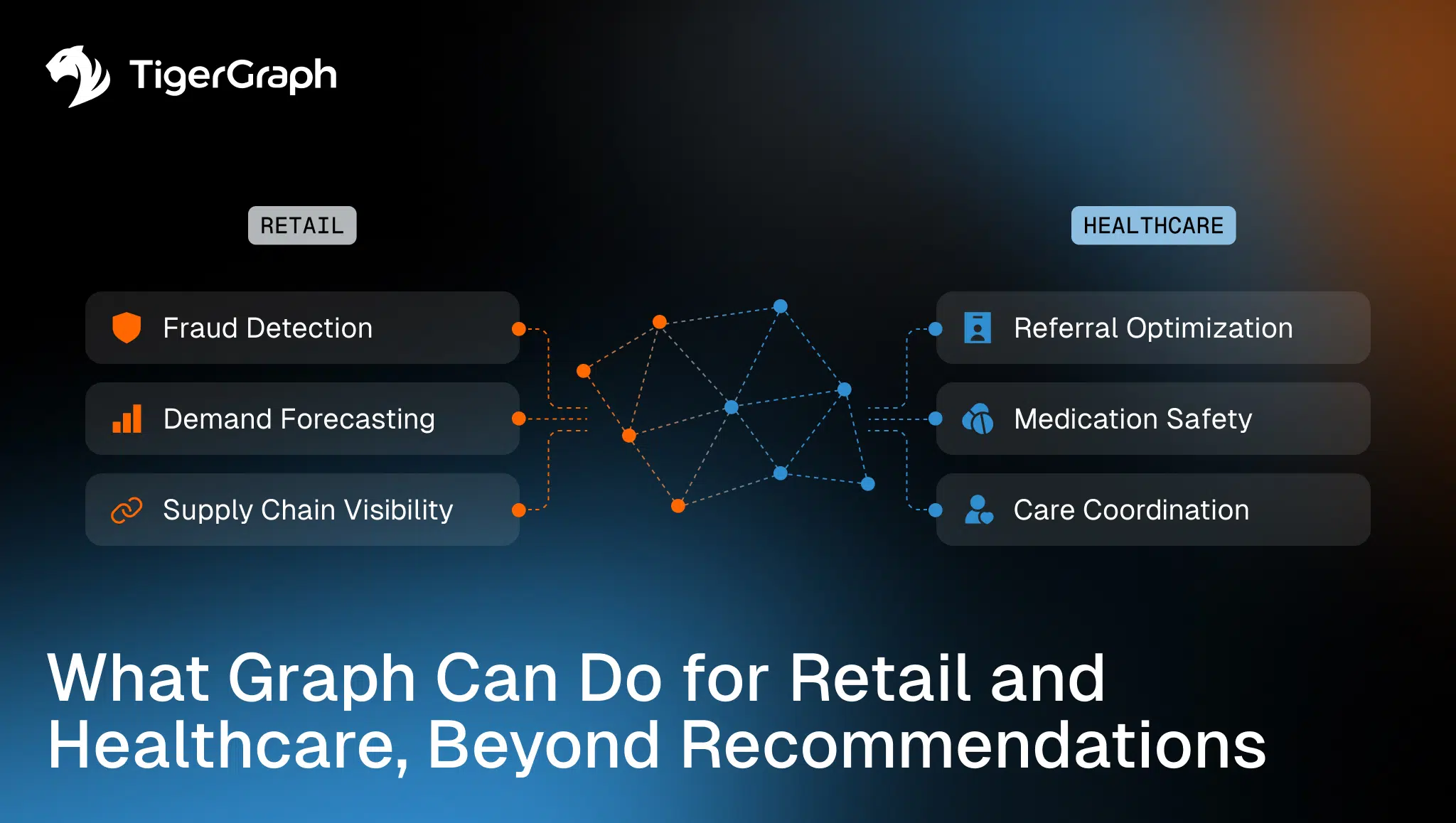
    What Graph can do for Retail and Healthcare, Beyond Recommendations

    Most organizations believe they understand their customers or patients. They have dashboards, reports and metrics trending in the right direction. What they often do not have is a clear view of how everything connects. Retailers see transactions. Healthcare systems see visits. Executives see totals, averages,

    Discover
    Definition
    DefinitionApr 6, 2026

    Vector Search

    Vector search is a way of finding information based on similarity instead of exact matches. Traditional search systems look for the same words you typed. Vector search looks for items that are similar in meaning or behavior, even if they do not use the same words or phrases. It works by

    Discover
    Definition
    BeginnerDefinitionFeb 23, 2026

    Knowledge Graph

    A knowledge graph is a structured representation of entities and relationships that embodies context. It models real-world things such as people, accounts, devices, events, policies, products, and concepts as entities. It then captures how those entities connect so teams and systems interpret relationships consistently and appropriately across data sources. Teams

    Discover
    Concept
    ConceptDec 12, 2025

    Graph Data Science

    Graph data science involves using graph algorithms, statistical techniques, and machine learning workflows to analyze data modeled as interconnected nodes and edges. Unlike flat tables, where rows are treated independently, graphs capture the structure of the domain itself—what entities exist, how they interact, and what those interactions mean. This form

    Discover
    AdvancedArticleDec 8, 2025

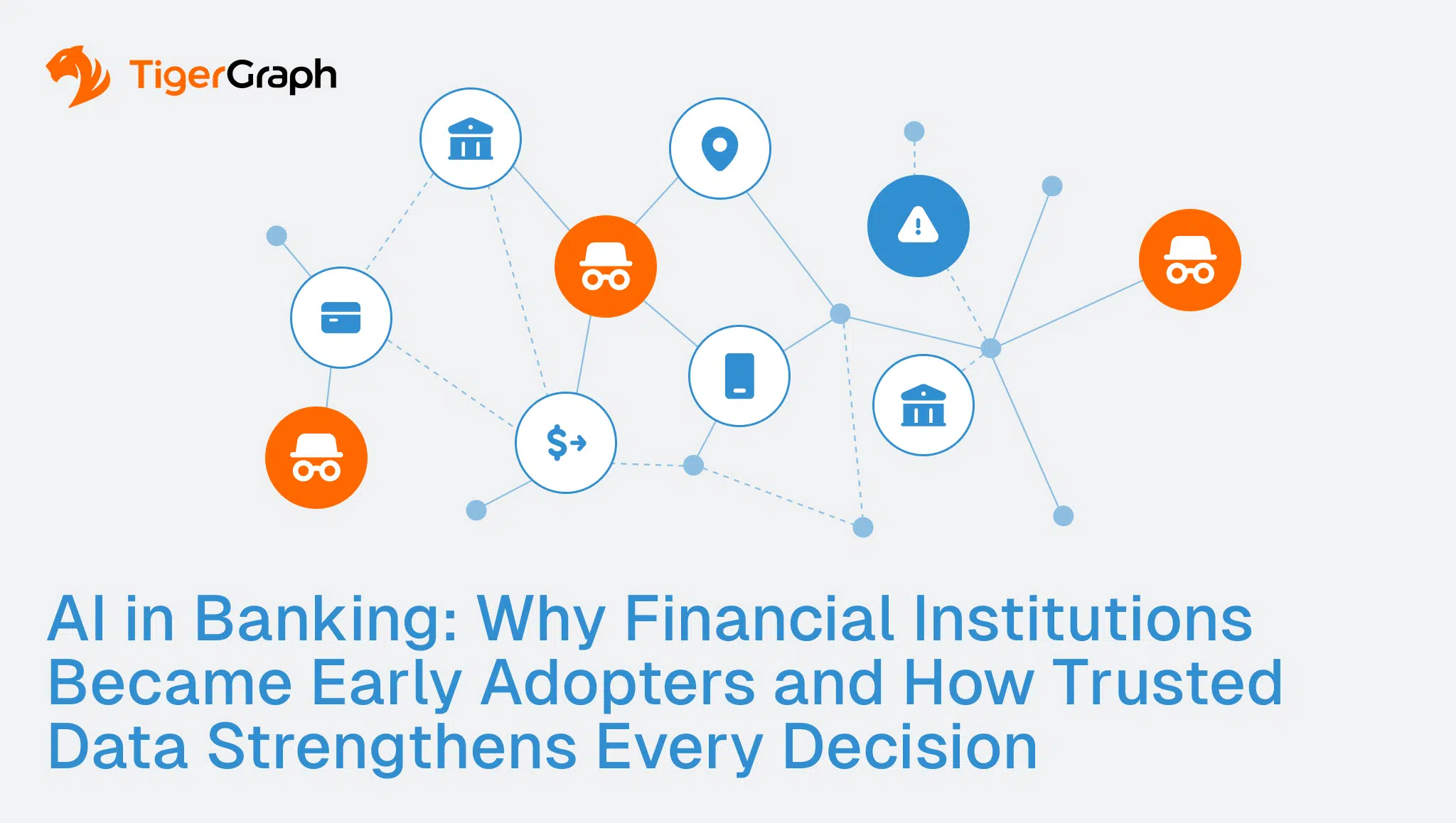
    AI in Banking: Why Financial Institutions Became Early Adopters and How Trusted Data Strengthens Every Decision

    Banks stepped into AI long before the rest of the world caught on. Not because they were chasing the “futuristic innovation” trend, but because they operate in a reality where hesitation is expensive and ignorance is dangerous. A single

    Discover
    BeginnerArticleDec 1, 2025

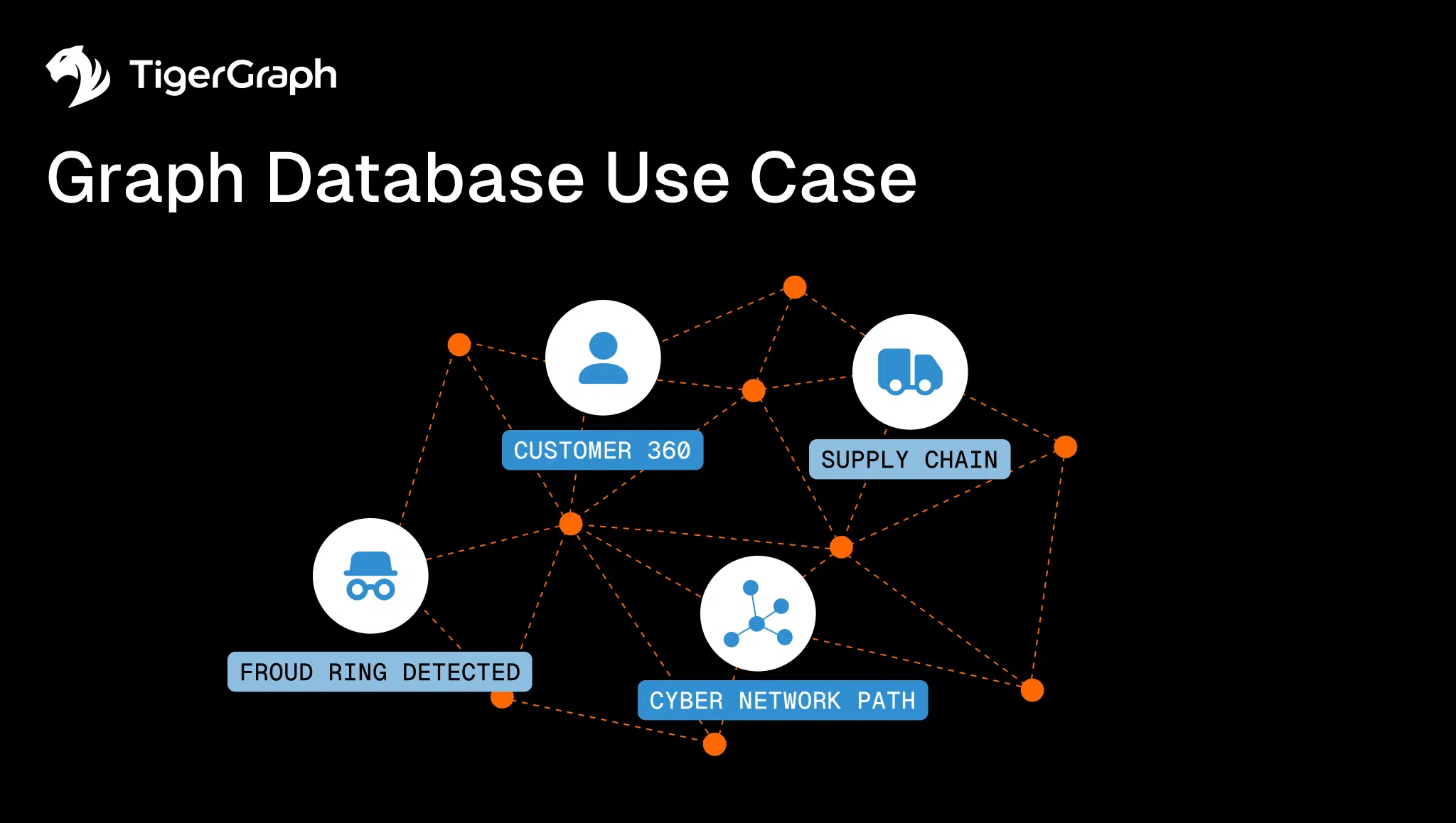
    How Graph Databases Move You From Data Points to Decisions

    Traditional databases were built for ledgers, not relationships. Yet every modern business problem, from fraud detection to customer personalization and supply-chain visibility, depends on how data points connect. That’s why graph database use cases are reshaping enterprise analytics by modeling real-world use cases as relationships

    Discover
    BeginnerConceptOct 22, 2025

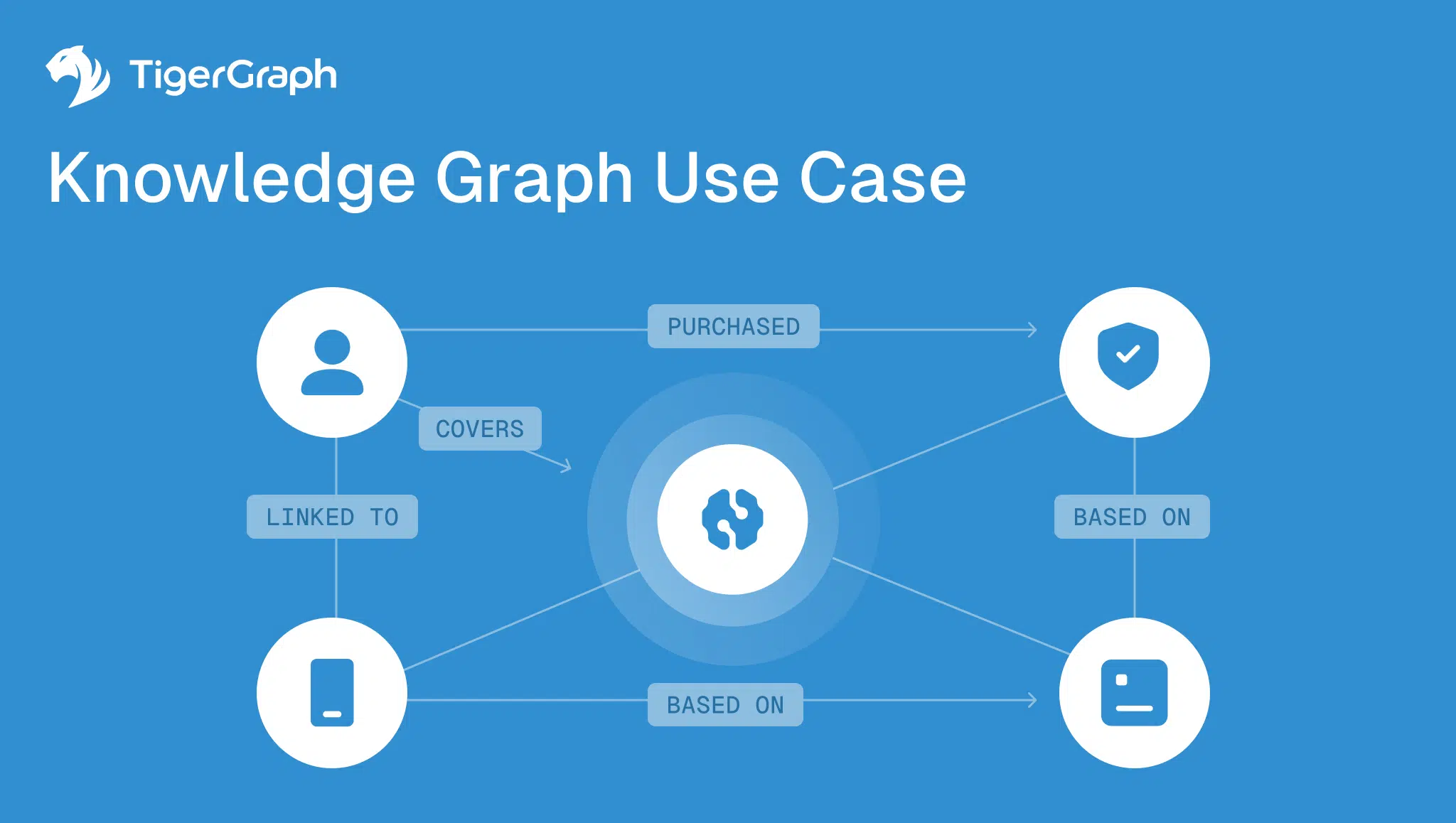
    How Knowledge Graphs Reveal Meaning Hidden in Enterprise Data

    Traditional analytics systems focus on isolated data points, but context gives information meaning. From customer insight to fraud detection, every decision depends on understanding relationships across systems. That’s why knowledge graph use cases are transforming enterprise data strategy. They connect people, processes, and events to

    Discover
    Talk35 min · Oct 2, 2025

    Turning Data into Intelligence: How Knowledge Graphs Power Modern Banking and Customer 360

    See how leading banks turn connected data into real-time, explainable decisions. Traditional data platforms show you what happened. But not how it is connected or why it matters. Learn how knowledge graphs deliver contextual, actionable int

    Discover
    Concept
    BeginnerConceptSep 12, 2025

    Community Detection

    Community detection is a graph analytics technique used to uncover groups of nodes that are more closely connected to each other than to the rest of the network. Graph community detection, identifies structural clusters and the relationships that define them within large-scale data systems. These groups, whether they’re fraud rings, groups

    Discover
    Concept
    ConceptSep 3, 2025

    Multimodal Graph Search

    Multimodal graph search is the ability to query and reason across many different types of data, including structured fields, free text, vector embeddings, images, and metadata—inside the same graph. Instead of limiting analysis to one lens, it brings multiple modalities together in a single query. That means you can ask

    Discover
    BeginnerArticleAug 28, 2025

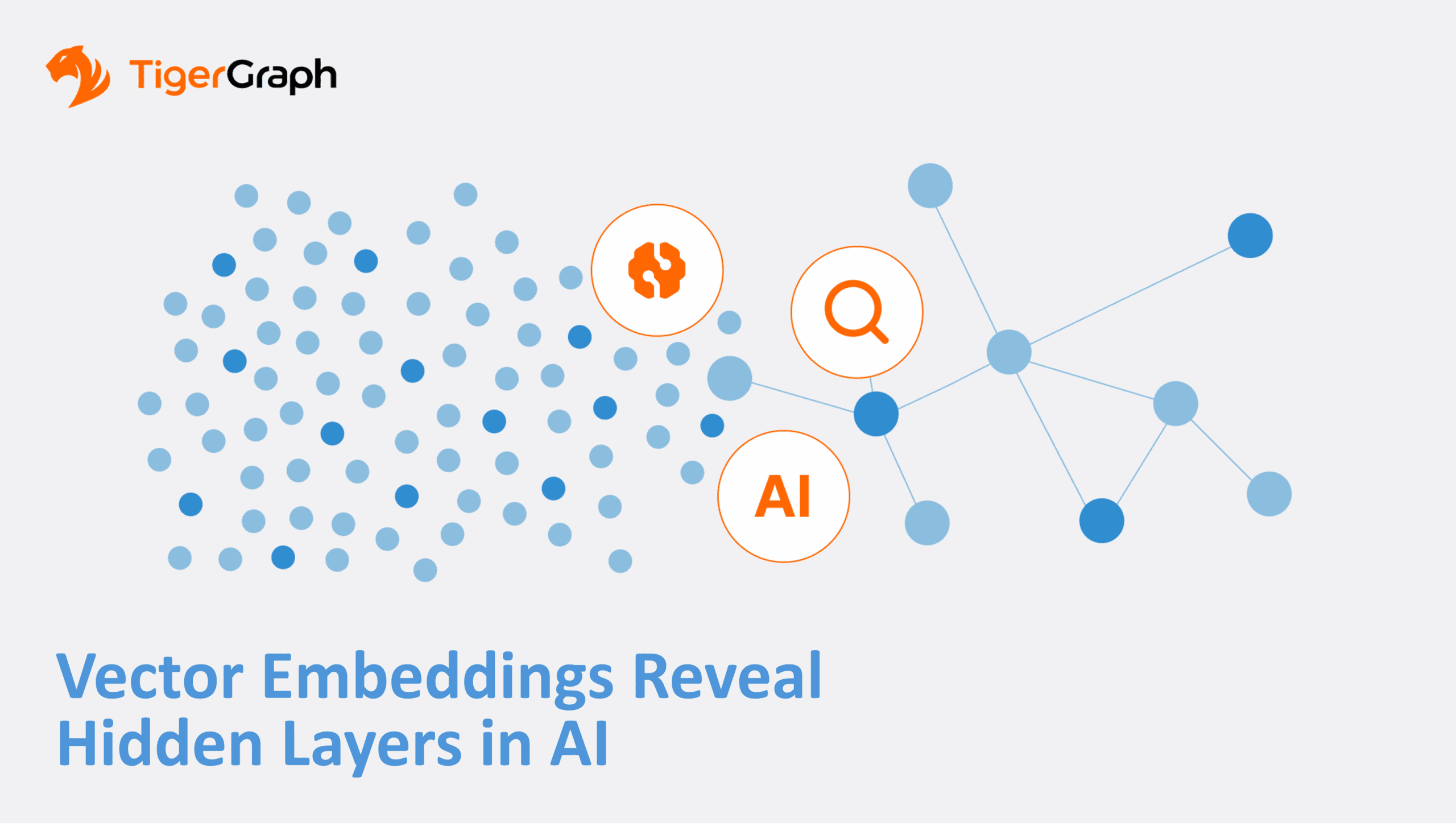
    Vector Embeddings Reveal Hidden Layers in AI

    In AI, the magic isn’t in what you see—it’s in what the system understands. That understanding is powered by vector embeddings, which are mathematical representations of complex data, such as sentences, images, human beings, or behaviors. These vectors reduce this complex information into numerical formats that machines can

    Discover
    1234…9