TigerGraph
ResourcesPathfinderDiscord(opens in a new tab)
Resources

Everything, In One Wall

Videos, courses, hands-on tutorials, docs, and blog posts. One place for every phase of learning.

TigerGraph
ResourcesPathfinderDiscord(opens in a new tab)

© 2026 Tiger Graph Dev Hub. All rights reserved.

  • Privacy Policy|
  • Terms of Service

Applied · 1

Clear all
  • #Search

Levels

  • All Resources
  • Beginner
  • Intermediate
  • Advanced

Categories

  • Videos514
  • Docs644
  • Glossary50
  • Blog posts222
  • Code & samples126
  • Graph Resources52

Assets

  • Definition36
  • Tutorial113
  • How-to guide319
  • Reference312
  • Concept

Tags

  • #Fraud and AML
  • #Entity resolution
  • #Recommendations
  • #GraphRAG and AI
  • #Graph machine learning
  • #Search
  • #Network analysis
  • #Performance and scale
  • #Running TigerGraph
  • #Evaluating graph

33 resources · page 2 of 3

NewestOldest
3 Col Grid2 Col GridList
Definition
DefinitionApr 6, 2026

Vector Search

Vector search is a way of finding information based on similarity instead of exact matches. Traditional search systems look for the same words you typed. Vector search looks for items that are similar in meaning or behavior, even if they do not use the same words or phrases. It works by
109
  • Troubleshooting12
  • Security advisory4
  • Runbook
  • Article173
  • Case study26
  • Talk298
  • Release note24
  • Demo114
  • Webinar12
  • Event12
  • Report24
  • Discover
    BeginnerArticleDec 17, 2025

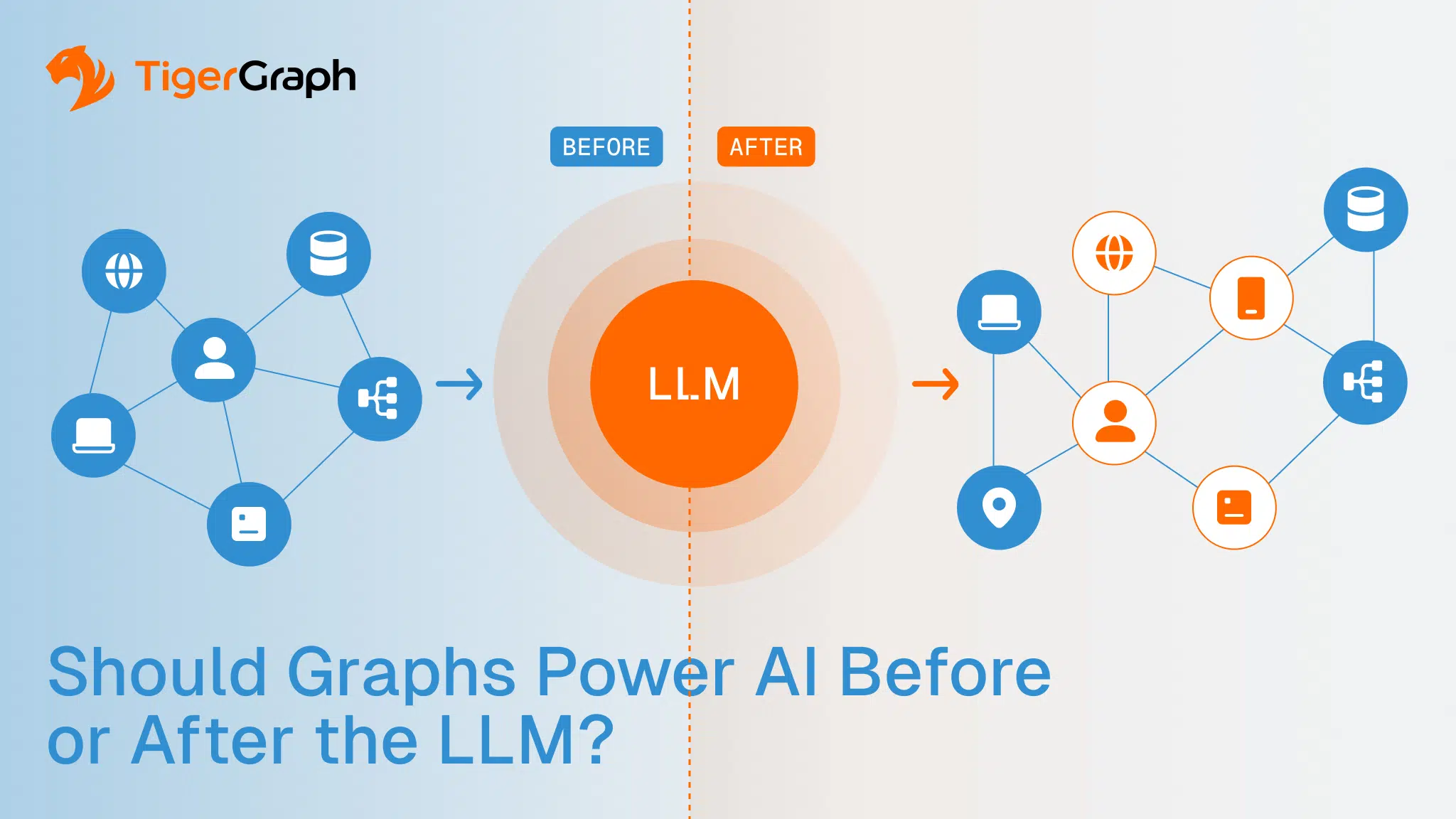
    Should Graphs Power AI Before or After the LLM?

    Enterprises designing modern AI systems eventually run into the same architectural crossroads. They see that a graph can strengthen their AI. Should the graph be used in the retrieval phase, shaping the context the model receives before the LLM generates a response, or in the validation

    Discover
    AdvancedConceptOct 13, 2025

    From Data Chaos to Clarity: Why Graph Visualization Powers Smarter Decisions

    Every enterprise has an overabundance of data to contend with, and making sense of it all is challenging. Dashboards multiply, reports pile up, and somewhere in the noise, the real story gets lost. Leaders don’t struggle with access to information; they struggle with clarity.

    Discover
    Concept
    ConceptSep 3, 2025

    Multimodal Graph Search

    Multimodal graph search is the ability to query and reason across many different types of data, including structured fields, free text, vector embeddings, images, and metadata—inside the same graph. Instead of limiting analysis to one lens, it brings multiple modalities together in a single query. That means you can ask

    Discover
    Concept
    ConceptAug 21, 2025

    Similarity Search

    Introduction to Similarity Search In many real-life applications, no two situations are exactly alike. The same object looks different in different lighting. The same person’s voice changes day to day. Two fraudulent transactions have somewhat different details, even though they were committed by the same team following the same plan. To classify data and make

    Discover
    BeginnerArticleJun 7, 2025

    How Graph Neural Networks (GNN) Outperform Traditional Machine Learning

    Traditional machine learning can tell you a lot but not everything, and especially not when the relationships between your data points are where the real intelligence lives. And this is a big problem. Graph Neural Networks (GNNs) fundamentally change how we think about machine learning by

    Discover
    Concept
    BeginnerConceptMar 31, 2025

    Graph Search

    A graph search is a method of querying and exploring connected data in a graph database, allowing users to uncover relationships, dependencies, and hidden patterns between entities. Unlike traditional SQL-based searches, which require complex joins to connect related tables, graph search leverages native graph traversal techniques to navigate nodes (vertices)

    Discover
    ArticleMar 5, 2025

    TigerGraph Hybrid Search: Graph and Vector for Smarter AI Applications

    AI Search is Broken. Let’s Fix It. AI-powered search is evolving beyond traditional methods. You’ve probably seen it firsthand. You ask an enterprise chatbot, “What’s our latest sustainability report?” and instead of a useful document, it pulls up a random marketing PDF from five years

    Discover
    How-to guide5 min · Mar 4, 2025

    How to Use TigerGraph's Hybrid Graph+Vector Search

    Explore how TigerGraph’s native vector support enables powerful hybrid graph and vector searches. By combining the strengths of graph databases and vector databases, TigerGraph allows you to perform advanced analytics on both structured and

    Discover
    ArticleJul 18, 2023

    Harnessing the Potential of Graph AI: Insights from a Marketer’s Perspective

    In the ever-evolving landscape of technology, certain innovations emerge that have the potential to shape the future. One such innovation is the emergence of graph AI. As a marketer myself, I have been a passionate advocate of graph-based technologies for business for quite some time now. And it’s exciting to witness the significant uptake of

    Discover
    Talk27 min · Sep 7, 2022

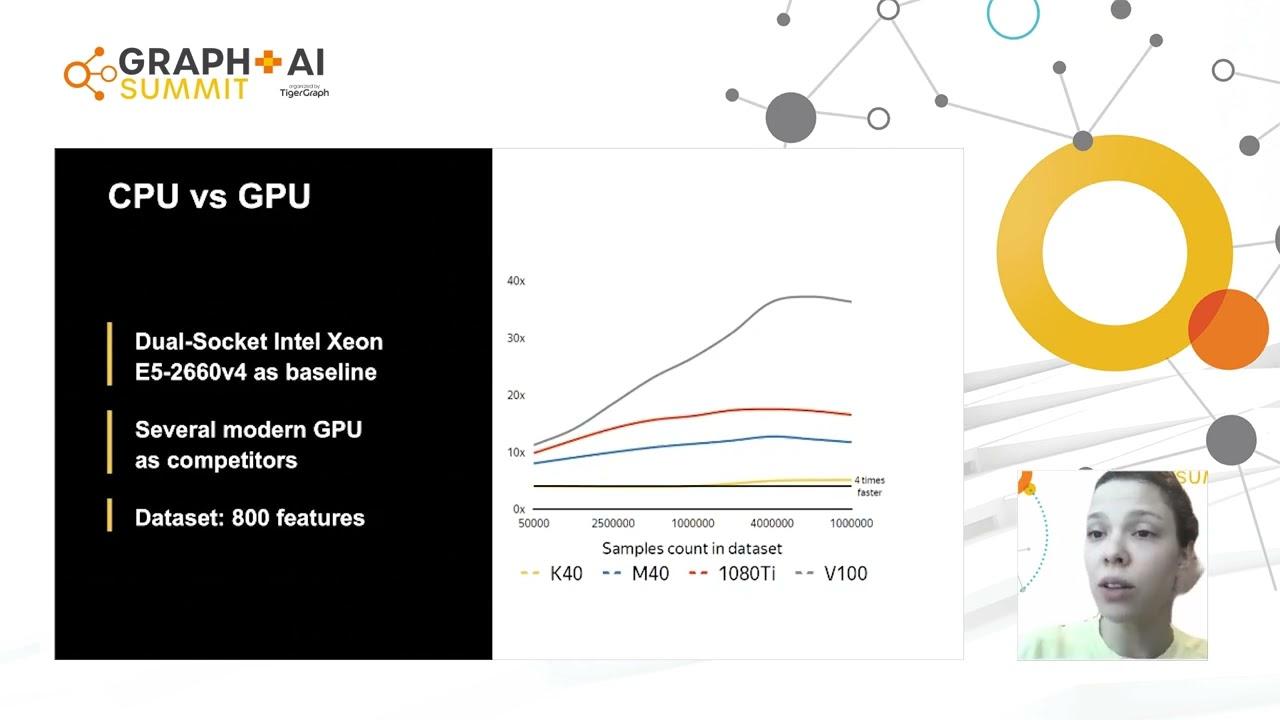
    Graph+AI Breakout: Gradient Boosting and its Usage for Graph Data

    Gradient Boosting is a powerful machine learning technique that achieves state-of-the-art results in a variety of practical tasks. Even in the era of deep learning, it is the primary method for learning problems with heterogeneous features,

    Discover
    AdvancedHow-to guideSep 6, 2022

    MinHash Based Fuzzy Match on Graph

    Many graph use cases require fuzzy matching, a method used to find similar, but not exactly matching, phrases in a database. Some examples of fuzzy matching include inputting a string of characters, searching records with similar string attribute values, or finding a set of data records that have similar string values. Fuzzy matching is valuable

    Discover
    123