TigerGraph
ResourcesPathfinderDiscord(opens in a new tab)
Resources

Everything, In One Wall

Videos, courses, hands-on tutorials, docs, and blog posts. One place for every phase of learning.

TigerGraph
ResourcesPathfinderDiscord(opens in a new tab)

© 2026 Tiger Graph Dev Hub. All rights reserved.

  • Privacy Policy|
  • Terms of Service

Levels

  • All Resources
  • Beginner
  • Intermediate
  • Advanced

Categories

  • Videos514
  • Docs644
  • Glossary50
  • Blog posts222
  • Code & samples126
  • Graph Resources52

Assets

  • Definition36
  • Tutorial113
  • How-to guide319
  • Reference312
  • Concept109

Tags

  • #Fraud and AML
  • #Entity resolution
  • #Recommendations
  • #GraphRAG and AI
  • #Graph machine learning
  • #Search
  • #Network analysis
  • #Performance and scale
  • #Running TigerGraph
  • #Evaluating graph

1608 resources · page 20 of 134

NewestOldest
3 Col Grid2 Col GridList
Definition
DefinitionSep 18, 2025

Shared-Variable Computing in Graphs

Shared-variable logic in graphs is a technique that lets different parts of a graph computation update and share information while the computation is still running. Instead of processing nodes and edges in isolation and only combining results at the end, shared-variable logic uses in-memory accumulators or temporary variables to
  • Troubleshooting12
  • Security advisory4
  • Runbook
  • Article173
  • Case study26
  • Talk298
  • Release note24
  • Demo114
  • Webinar12
  • Event12
  • Report24
  • Discover
    AdvancedArticleSep 18, 2025

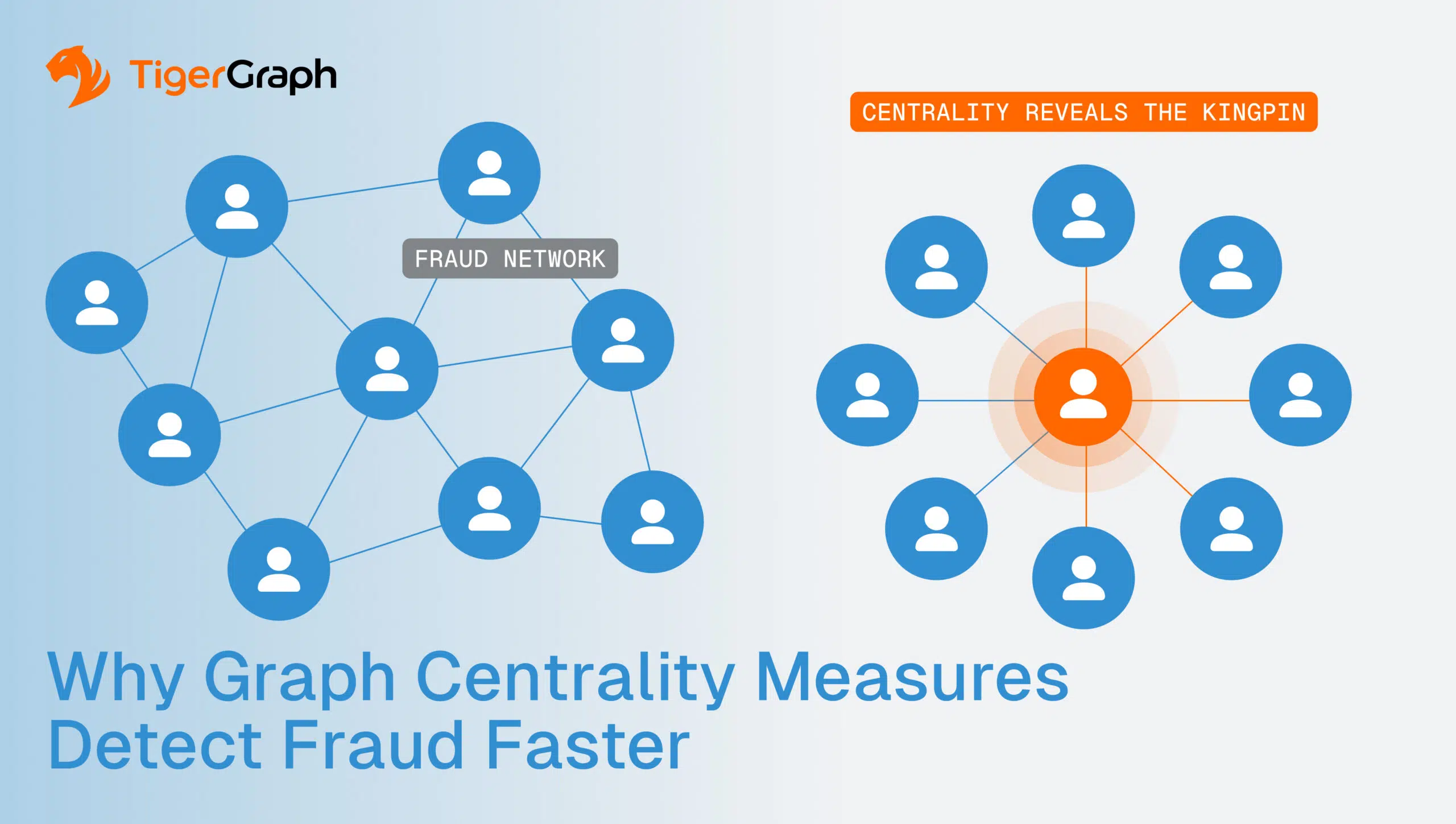
    Why Graph Centrality Measures Detect Fraud Faster

    Fraud hides in the connections between people, accounts, merchants, and devices. It spreads quietly until the losses add up. Traditional fraud detection tools look for anomalies in transactions, but they miss which entities matter most in a fraud network. This is why fraud network analysis powered by graph

    Discover
    AdvancedArticleSep 15, 2025

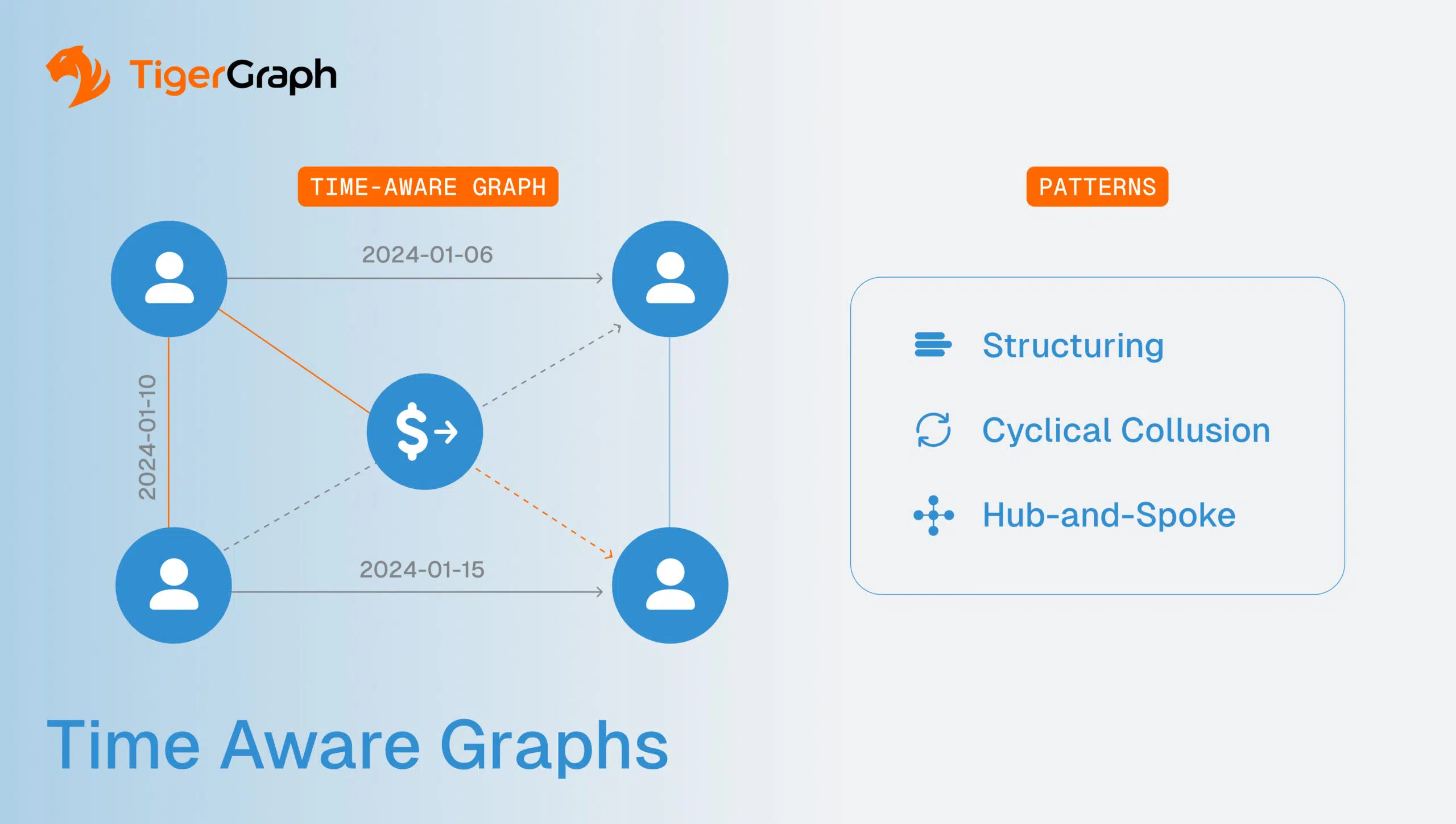
    Time-Aware Graphs: Solving Temporal Risk in AML

    The AML problem isn’t static, and your graph can’t be either. Money laundering doesn’t follow neat rows in a spreadsheet. It mutates over time. A series of deposits just under reporting thresholds may appear benign until you notice they always occur right before the cutoff windows. Layering schemes

    Discover
    Concept
    BeginnerConceptSep 12, 2025

    Community Detection

    Community detection is a graph analytics technique used to uncover groups of nodes that are more closely connected to each other than to the rest of the network. Graph community detection, identifies structural clusters and the relationships that define them within large-scale data systems. These groups, whether they’re fraud rings, groups

    Discover
    Concept
    BeginnerConceptSep 12, 2025

    Graph-Based Risk Scoring

    Graph-based risk scoring is a way of evaluating risk that goes beyond looking at isolated data points. Instead of asking “What did this one account do?” it asks “Who is this account connected to, and how are those connections behaving?” In a graph, entities like people, accounts, devices, or transactions

    Discover
    Concept
    ConceptSep 12, 2025

    Graph-Powered Cybersecurity

    Graph-powered cybersecurity uses graph databases and analytics to strengthen threat detection and response by focusing on relationships. Traditional security tools often analyze logs or events in isolation. Graphs flip that approach: they model how users, devices, applications, and systems interact over time, making it possible to spot coordinated attack patter

    Discover
    Definition
    BeginnerDefinitionSep 12, 2025

    Pattern Detection with Graphs

    Pattern detection with graphs is the process of identifying meaningful shapes, behaviors, or anomalies across connected data. Instead of examining events or records individually, graphs provide a broader perspective by illustrating how entities are interconnected. These links often form recognizable “patterns”—a fraud ring moving money through mule accounts,

    Discover
    Concept
    ConceptSep 12, 2025

    Graph Data Loading Performance

    Graph data loading performance measures how quickly a graph database can ingest, process, and prepare connected data for use. Unlike simple record inserts in relational systems, graph loading has to capture not only entities (nodes) but also the relationships (edges) that connect them. The performance of this process is

    Discover
    AdvancedArticleSep 10, 2025

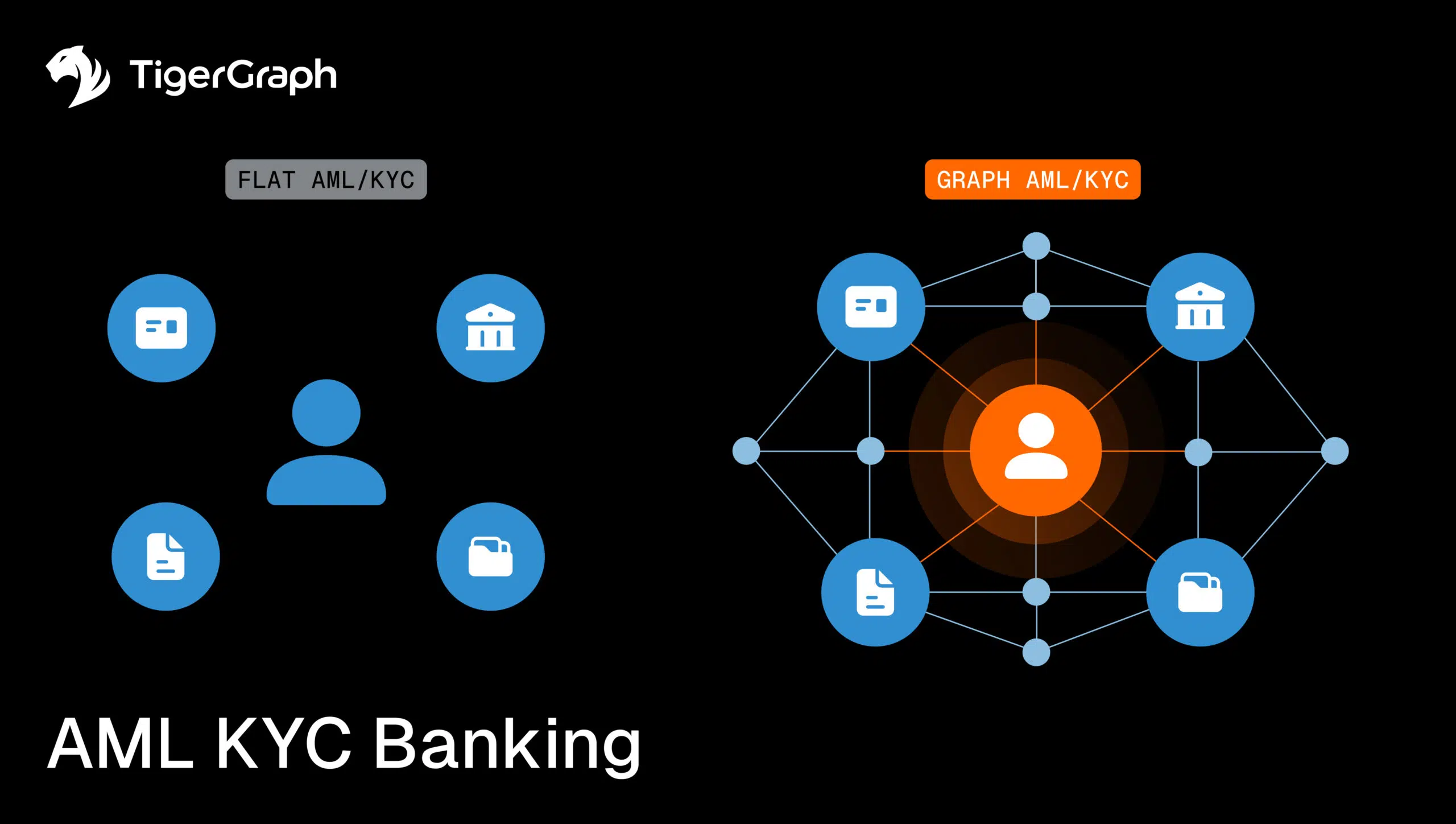
    How Graph Databases Power AML/KYC in Banking

    Compliance is at a breaking point. Anti-Money Laundering (AML) and Know Your Customer (KYC) requirements have never been more demanding. Banks are expected to stop financial crime while maintaining seamless customer experiences, and all under the scrutiny of regulators who demand accuracy, auditability, and explainability. The challenge isn’t

    Discover
    AdvancedArticleSep 8, 2025

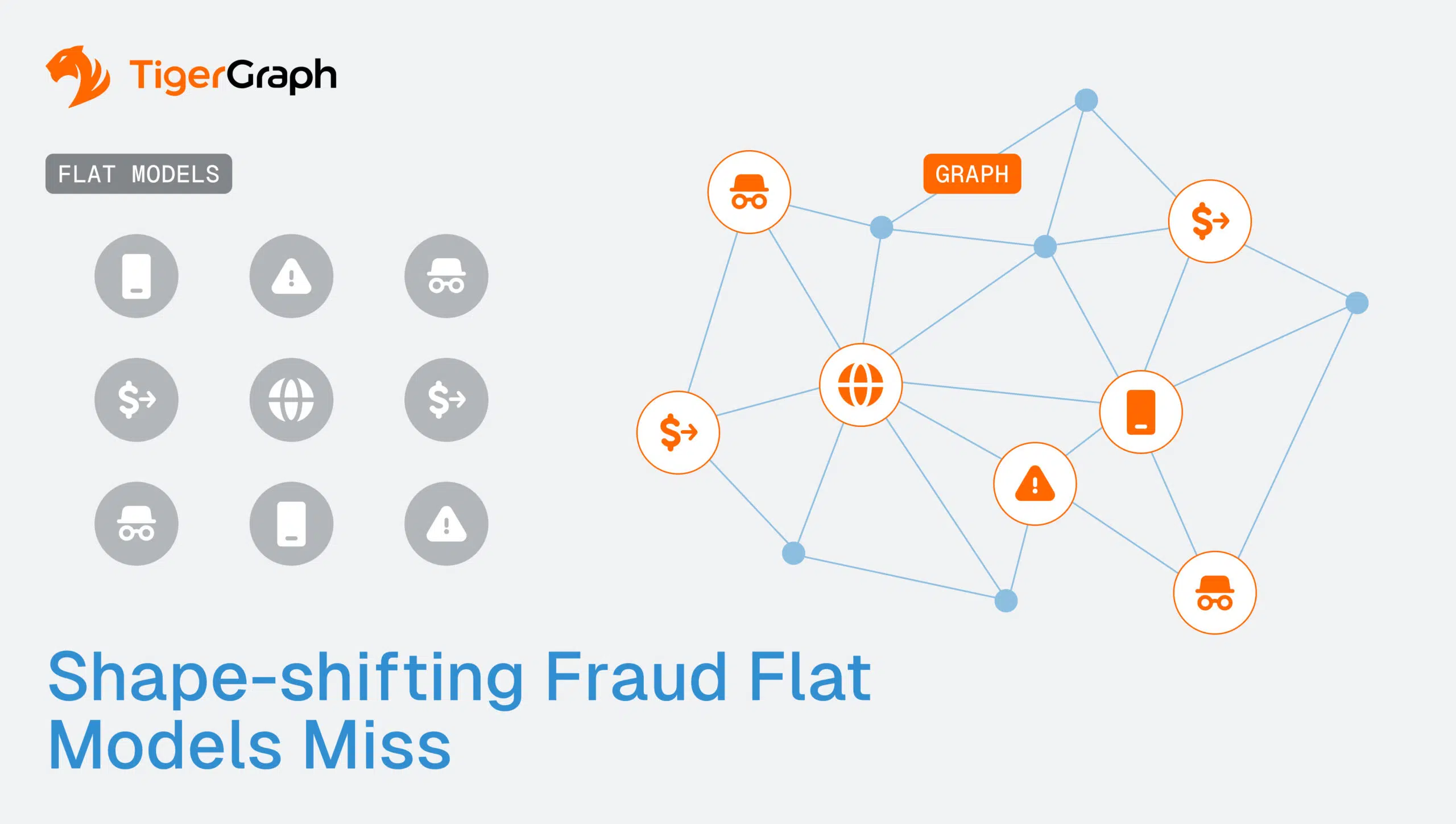
    Shape-shifting Fraud Flat Models Miss

    Why Detecting Fraud Rings and Collusion Requires a Graph-First Approach Fraud today isn’t a single stolen card or a suspicious wire. It’s organized, adaptive, sprawling, and hard to spot. Networks of mule accounts, synthetic identities, complicit merchants, and cross-border facilitators work together in carefully orchestrated rings. By the time a traditional detection system flags a

    Discover
    Talk32 min · Sep 5, 2025

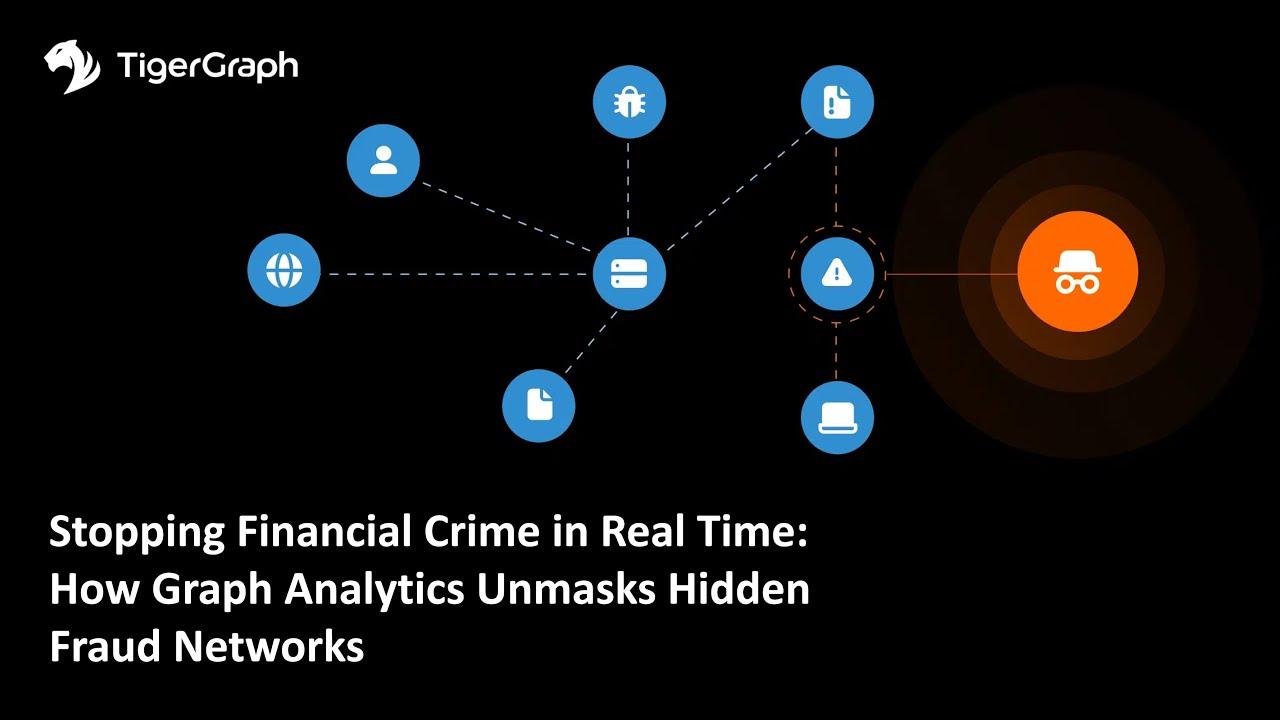
    Stopping Financial Crime in Real Time How Graph Analytics Unmasks Hidden Fraud Networks

    Fraud is evolving. Are your defenses keeping up? Traditional transaction monitoring cannot keep pace with today’s sophisticated financial crime. Fraudsters operate across accounts, devices, and borders creating hidden networks that remain

    Discover
    Concept
    ConceptSep 3, 2025

    Multimodal Graph Search

    Multimodal graph search is the ability to query and reason across many different types of data, including structured fields, free text, vector embeddings, images, and metadata—inside the same graph. Instead of limiting analysis to one lens, it brings multiple modalities together in a single query. That means you can ask

    Discover
    1…192021…134