
TigerGraph
ResourcesPathfinderDiscord(opens in a new tab)
Resources

Everything, In One Wall

Videos, courses, hands-on tutorials, docs, and blog posts. One place for every phase of learning.

TigerGraph
ResourcesPathfinderDiscord(opens in a new tab)

© 2026 Tiger Graph Dev Hub. All rights reserved.

  • Privacy Policy|
  • Terms of Service

Applied · 2

Clear all
  • #Entity resolution
  • #Evaluating graph

Levels

  • All Resources
  • Beginner
  • Intermediate
  • Advanced

Categories

  • Videos514
  • Docs644
  • Glossary50
  • Blog posts222

Assets

  • Definition36
  • Tutorial113
  • How-to guide319
  • Reference312

Tags

  • #Fraud and AML
  • #Entity resolution
  • #Recommendations
  • #GraphRAG and AI
  • #Graph machine learning
  • #Search
  • #Network analysis
  • #Performance and scale
  • #Running TigerGraph
  • #Evaluating graph

89 resources · page 3 of 8

NewestOldest
3 Col Grid2 Col GridList
ArticleMar 17, 2026

TigerGraph Welcomes Rohit Chauhan, Former Mastercard EVP of AI & Fraud, as Strategic Advisor

Former Mastercard fraud leader joins TigerGraph to help financial institutions detect complex fraud networks and modernize financial crime detection. TigerGraph today announced that Rohit Chauhan, former Executive Vice President of AI and Fraud at Mastercard, has joined the company as a
Code & samples
126
  • Graph Resources52
  • Concept
    109
  • Troubleshooting12
  • Security advisory4
  • Runbook
  • Article173
  • Case study26
  • Talk298
  • Release note24
  • Demo114
  • Webinar12
  • Event12
  • Report24
  • Discover
    ReportMar 10, 2026

    50 Signals of Entity Resolution Failure

    Discover
    ConceptFeb 27, 2026

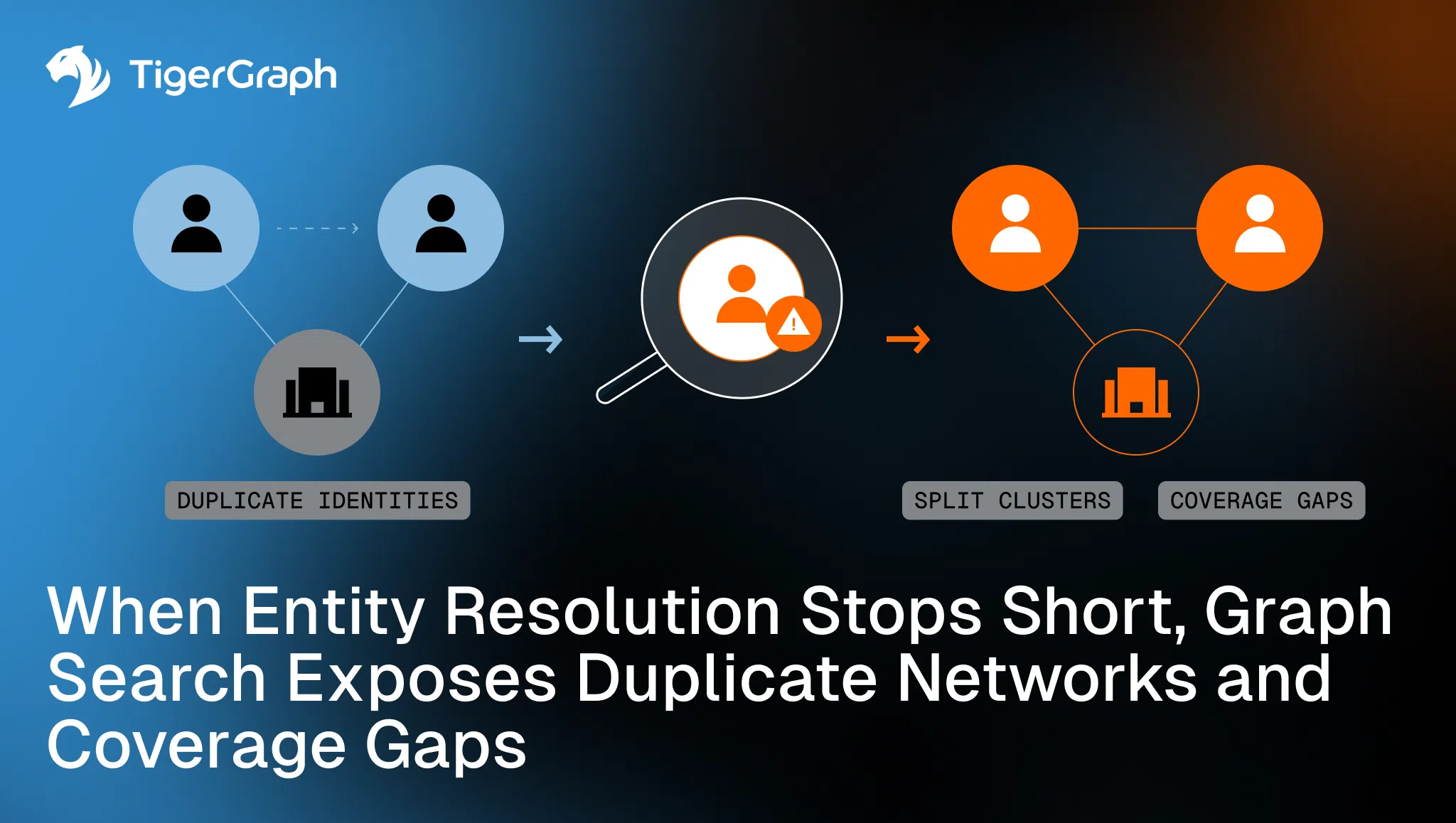
    When Entity Resolution Stops Short, Graph Search Exposes Duplicate Networks and Coverage Gaps

    Entity resolution (ER) quality issues surface as blind spots. They could be duplicate identities that never converge, clusters that should be connected but are not, or networks that stop expanding even though relevant data exists. These failures are difficult to detect because

    Discover
    Definition
    BeginnerDefinitionFeb 23, 2026

    Knowledge Graph

    A knowledge graph is a structured representation of entities and relationships that embodies context. It models real-world things such as people, accounts, devices, events, policies, products, and concepts as entities. It then captures how those entities connect so teams and systems interpret relationships consistently and appropriately across data sources. Teams

    Discover
    ConceptFeb 20, 2026

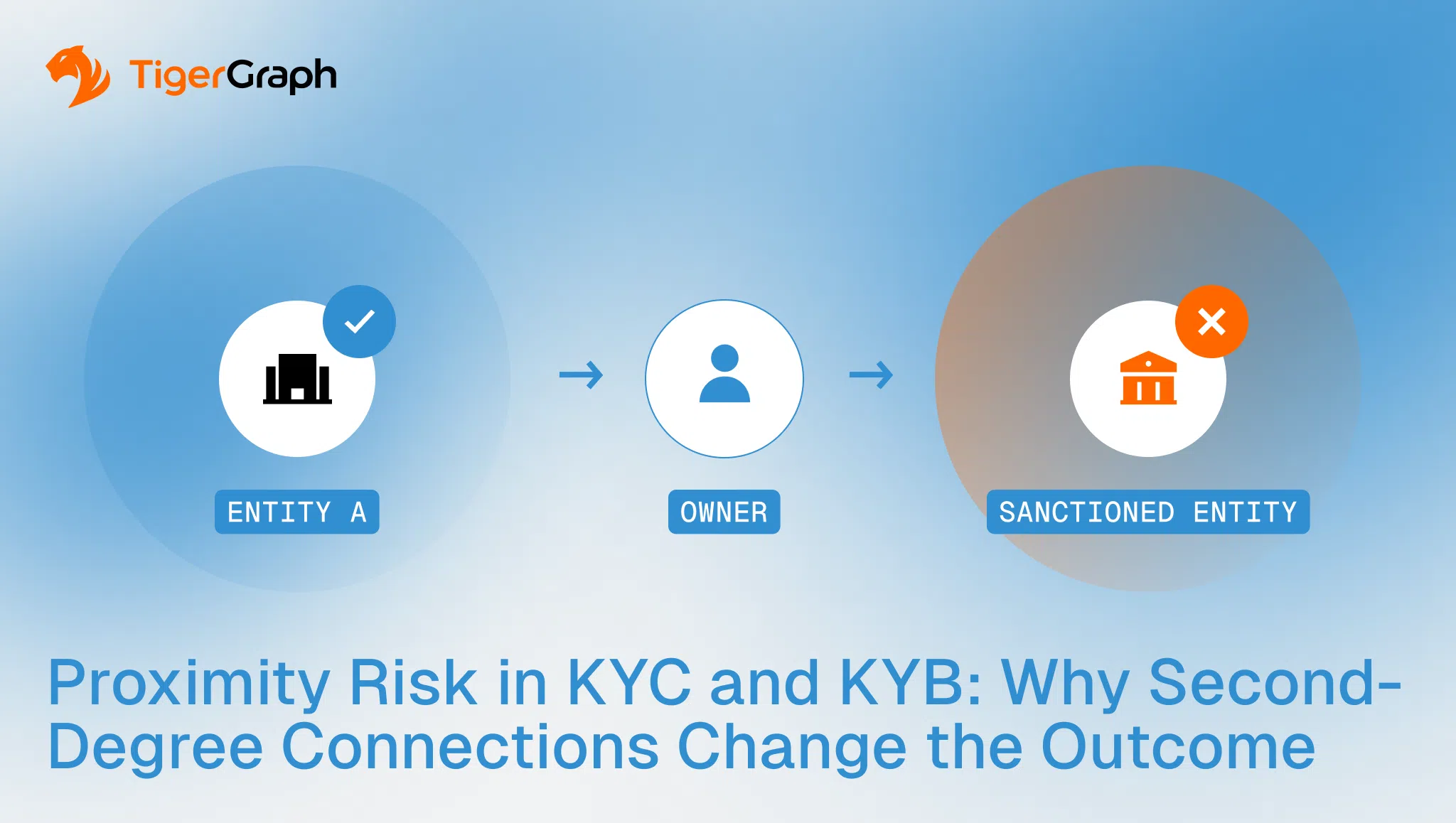
    Proximity Risk in KYC and KYB: Why Second-Degree Connections Change the Outcome

    Most know-your-customer (KYC) and know-your-business (KYB) reviews focus on the entity being evaluated. The core question is straightforward. Does this customer, business or counterparty present unacceptable risk? That framing works when risk is contained within the entity itself. It becomes incomplete when relevant

    Discover
    DefinitionFeb 13, 2026

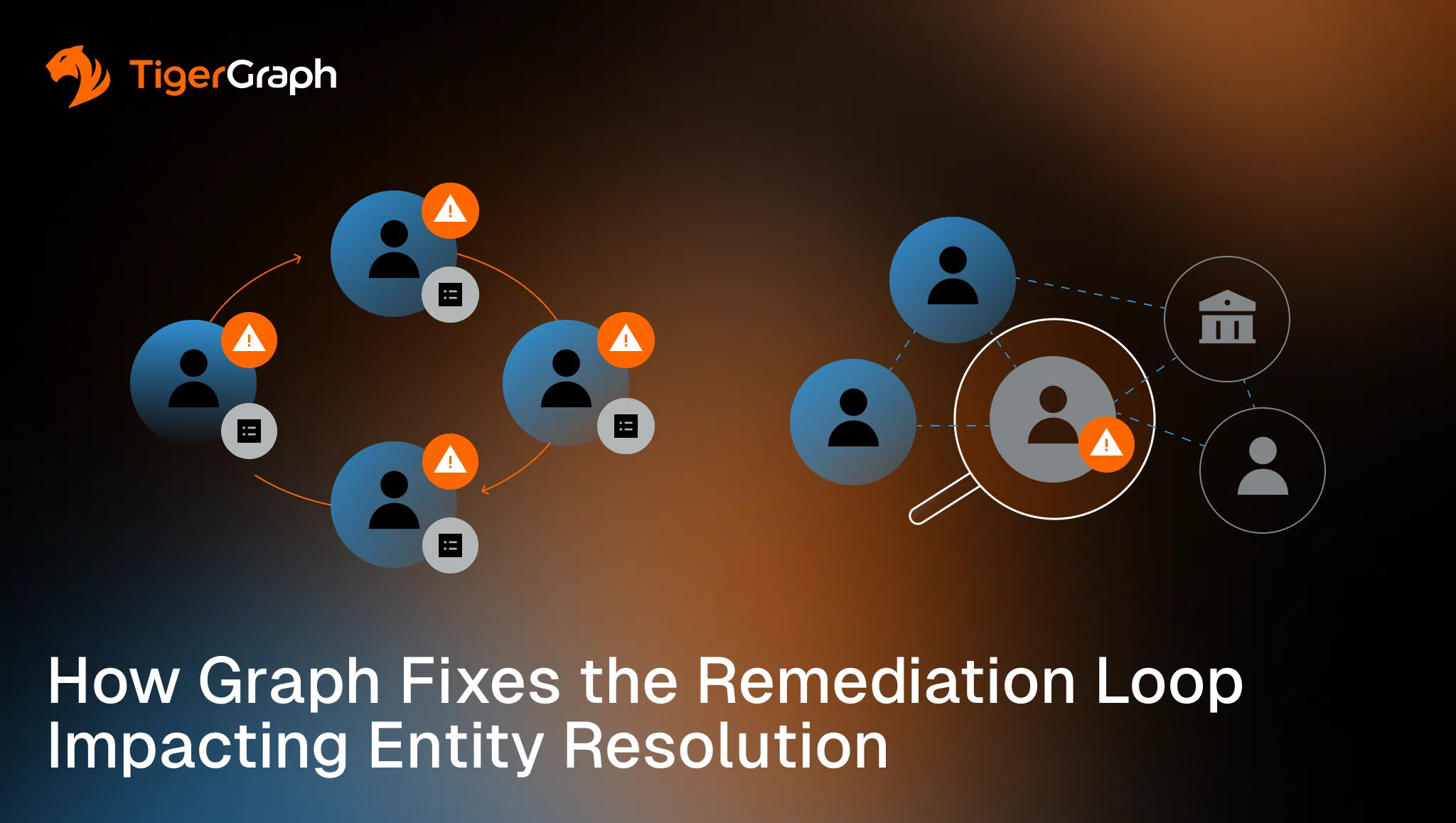
    How Graph Fixes the Remediation Loop Impacting Entity Resolution

    Remediation is supposed to be temporary. Alerts are investigated, issues are corrected, and over time, similar problems should appear less frequently because prior work carries forward. When that does not happen, though, remediation becomes a loop. The same entity types reappear, the same inconsistencies resurface and

    Discover
    BeginnerDefinitionFeb 11, 2026

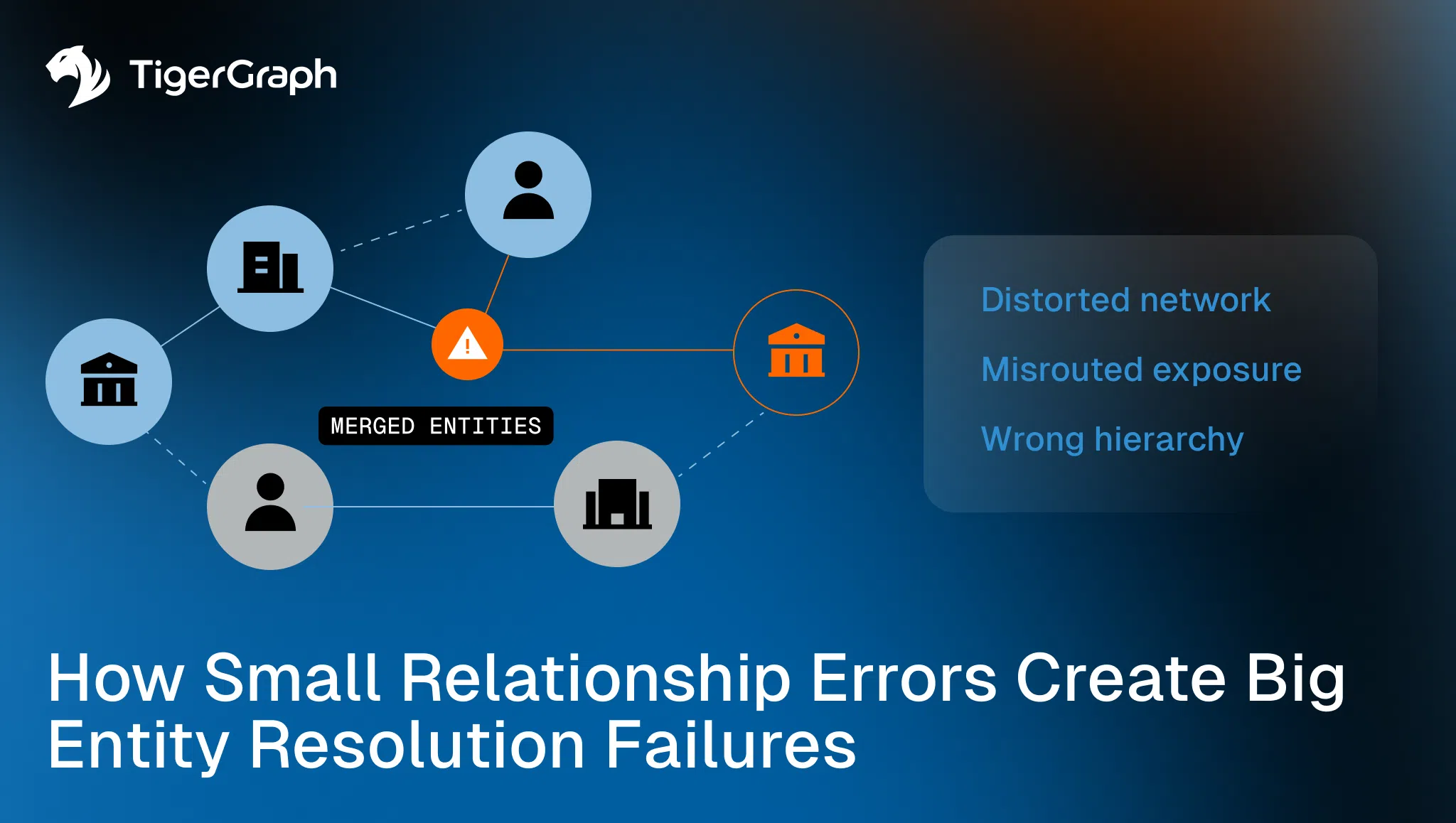
    How Small Relationship Errors Create Big Entity Resolution Failures

    Entity resolution is often discussed as a record-matching problem, with a focus on which records belong together and which do not. But many resolution failures have less to do with the records themselves and more to do with the relationships that connect them. In graph-based systems,

    Discover
    DefinitionFeb 6, 2026

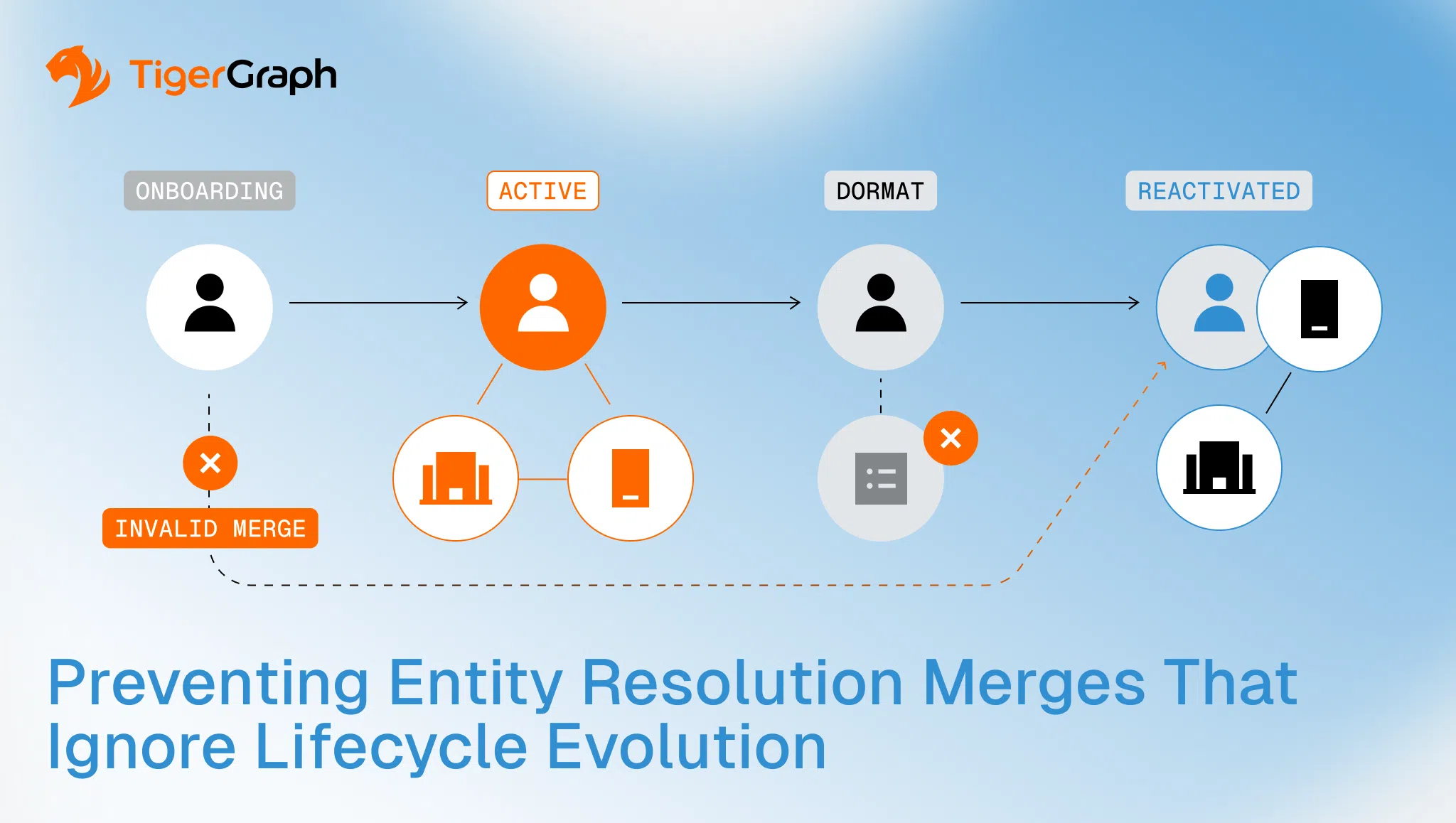
    Preventing Entity Resolution Merges That Ignore Lifecycle Evolution

    It feels logical to treat entity resolution as a convergence problem. As records arrive over time and attributes accumulate, confidence increases. Eventually, everything that belongs together is merged into a single, stable entity. But that model logic breaks down because identity does not stand still. The variables

    Discover
    ReportFeb 4, 2026

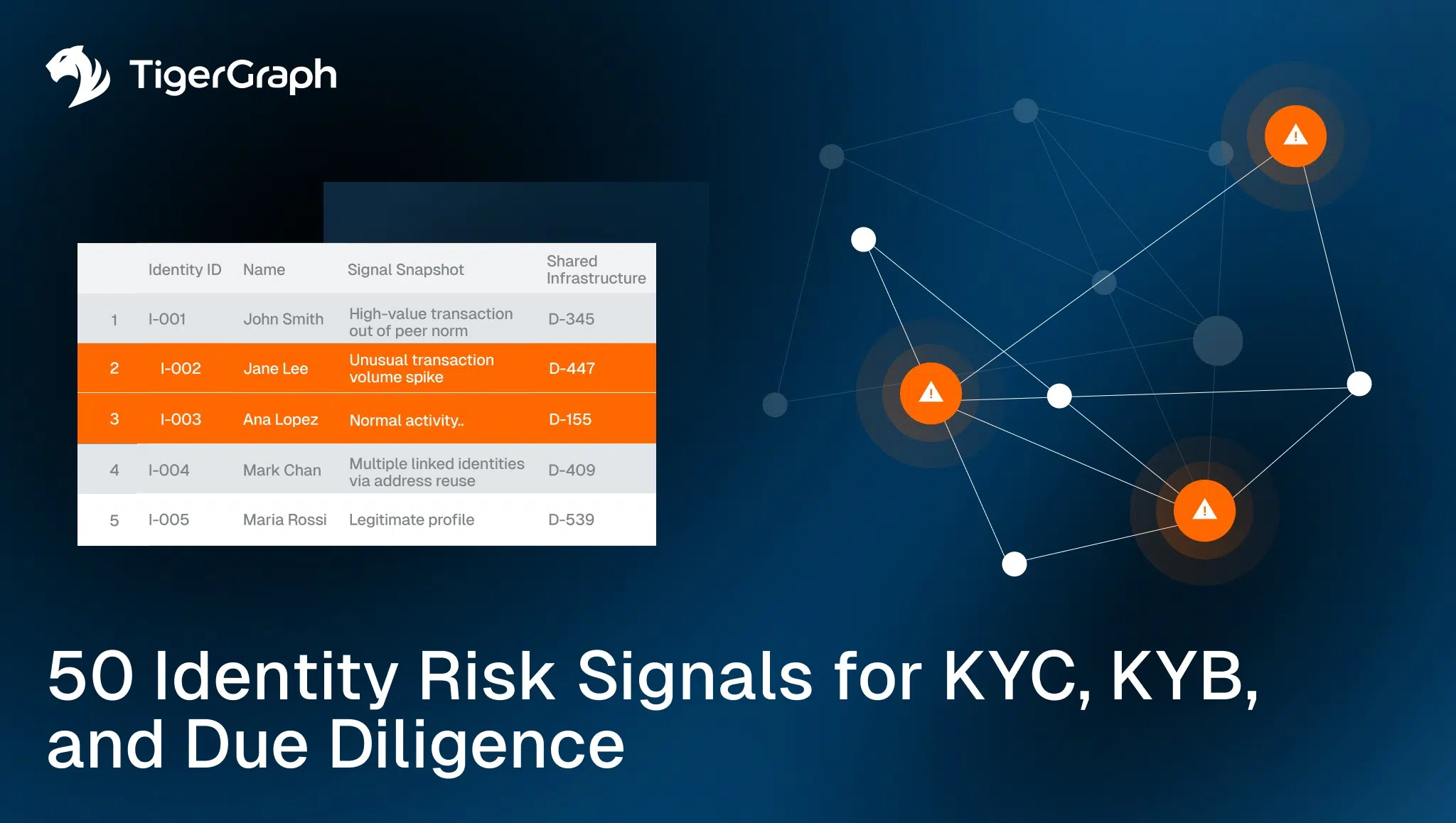
    50 Identity Risk Signals for KYC, KYB, and Due Diligence

    Discover
    ArticleFeb 4, 2026

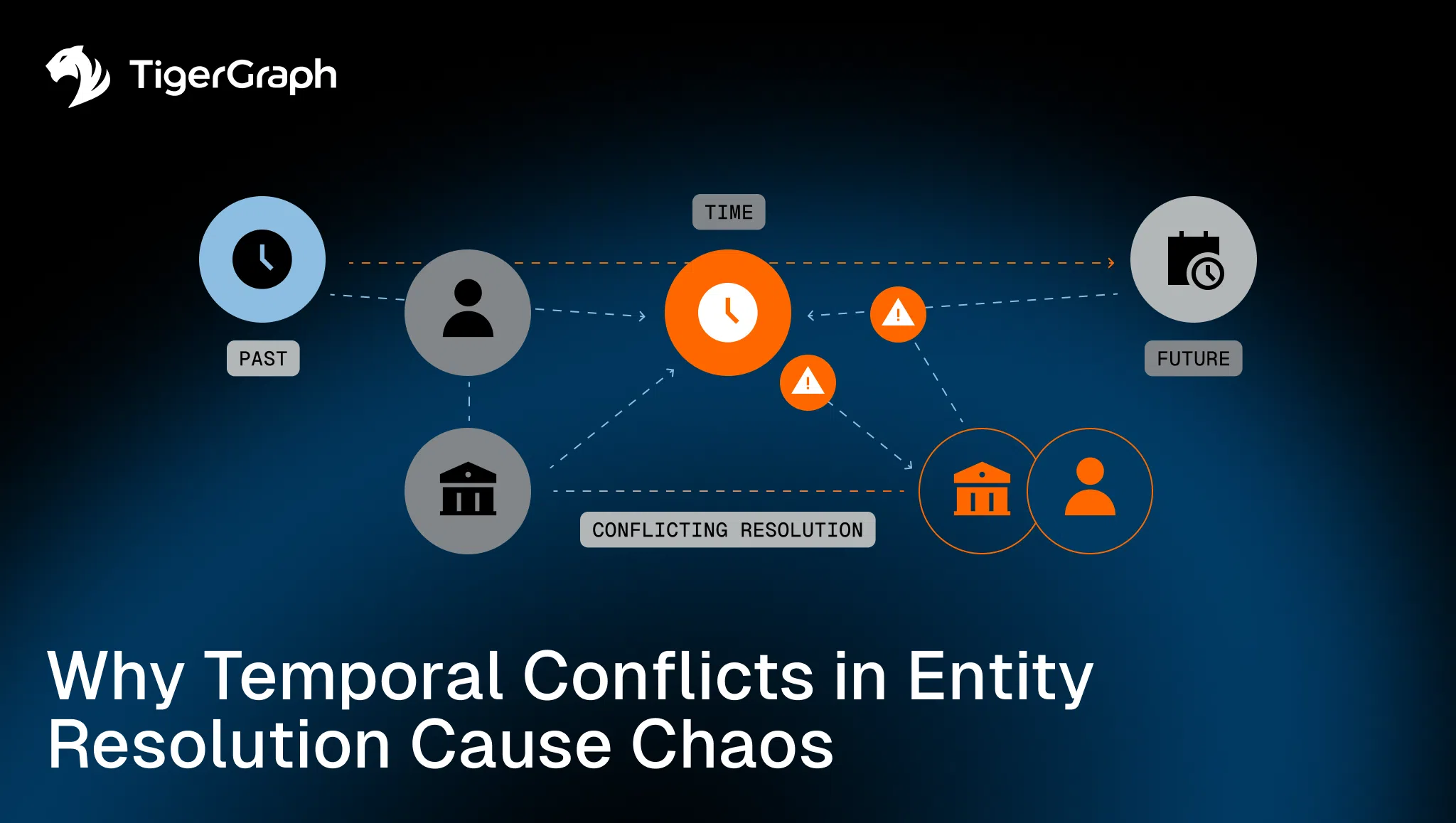
    Why Temporal Conflicts in Entity Resolution Cause Chaos

    Entity resolution often assumes that identity becomes more stable over time. As more data arrives, records are expected to converge, links are expected to strengthen, and confidence is expected to increase. But in reality, time can be disruptive. Many entity resolution failures do not stem from missing

    Discover
    How-to guideJan 29, 2026

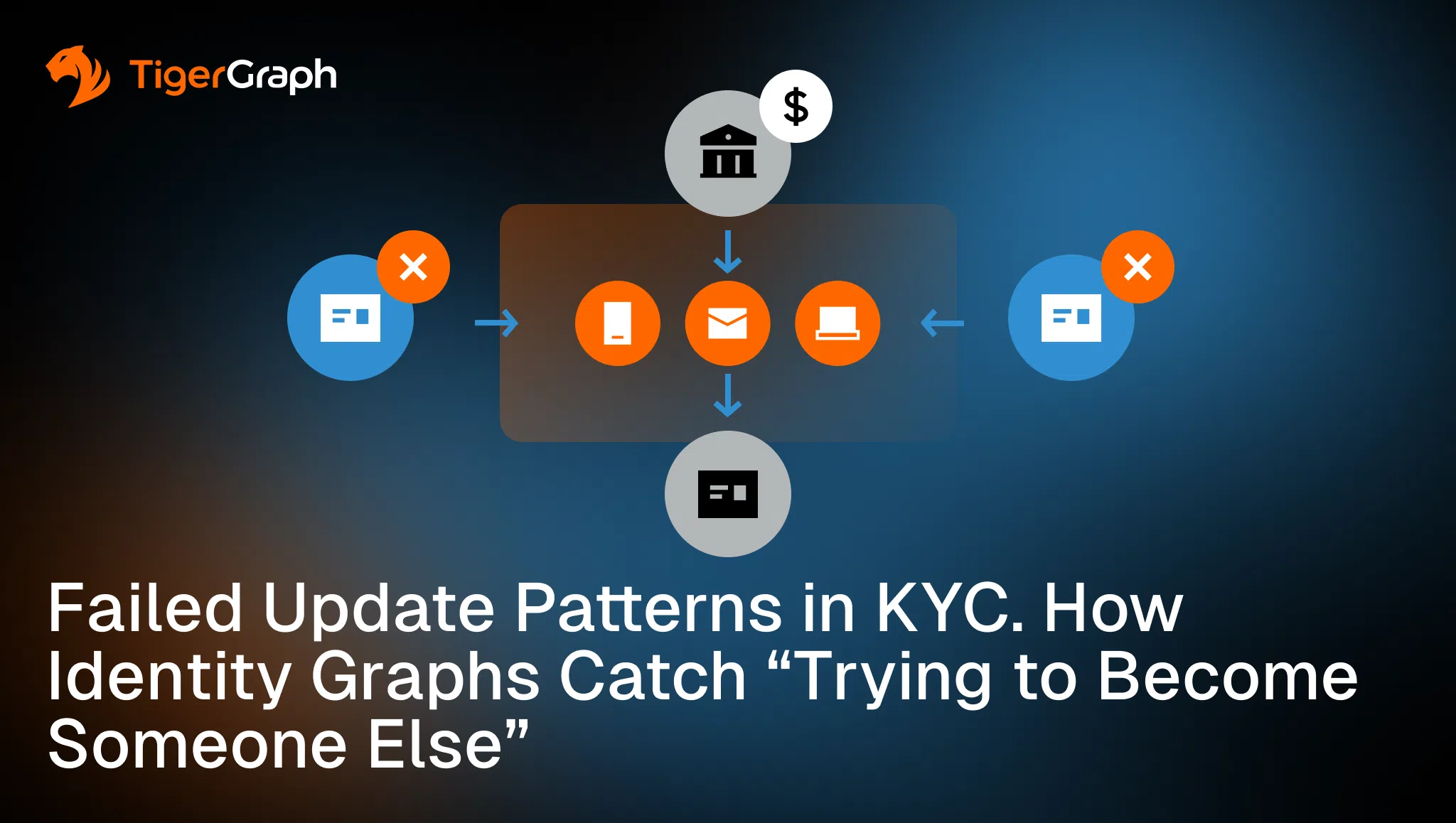
    Failed Update Patterns in KYC. How Identity Graphs Catch “Trying to Become Someone Else”

    Profile updates are a routine part of know-your-customer (KYC) operations. Customers change phone numbers, addresses and contact details. Systems validate those updates and either accept or reject them. What happens when those updates fail? In most programs, a failed update is

    Discover
    BeginnerHow-to guideJan 13, 2026

    High-Impact Graph Database Project Ideas for Modern Data Teams

    Modern data teams do not need more abstract diagrams or theoretical exercises. They need graph projects that help them understand what is really happening inside their systems. When a graph is modeled cleanly, the relationships stop being guesswork and start acting like a diagnostic instrument. Suddenly,

    Discover
    1234…8