TigerGraph
ResourcesPathfinderDiscord(opens in a new tab)
Resources

Everything, In One Wall

Videos, courses, hands-on tutorials, docs, and blog posts. One place for every phase of learning.

TigerGraph
ResourcesPathfinderDiscord(opens in a new tab)

© 2026 Tiger Graph Dev Hub. All rights reserved.

  • Privacy Policy|
  • Terms of Service

Applied · 2

Clear all
  • #Entity resolution
  • #Performance and scale

Levels

  • All Resources
  • Beginner
  • Intermediate
  • Advanced

Categories

  • Videos514
  • Docs644
  • Glossary50
  • Blog posts222

Assets

  • Definition36
  • Tutorial113
  • How-to guide319
  • Reference312

Tags

  • #Fraud and AML
  • #Entity resolution
  • #Recommendations
  • #GraphRAG and AI
  • #Graph machine learning
  • #Search
  • #Network analysis
  • #Performance and scale
  • #Running TigerGraph
  • #Evaluating graph

164 resources · page 3 of 14

NewestOldest
3 Col Grid2 Col GridList
ArticleApr 10, 2026

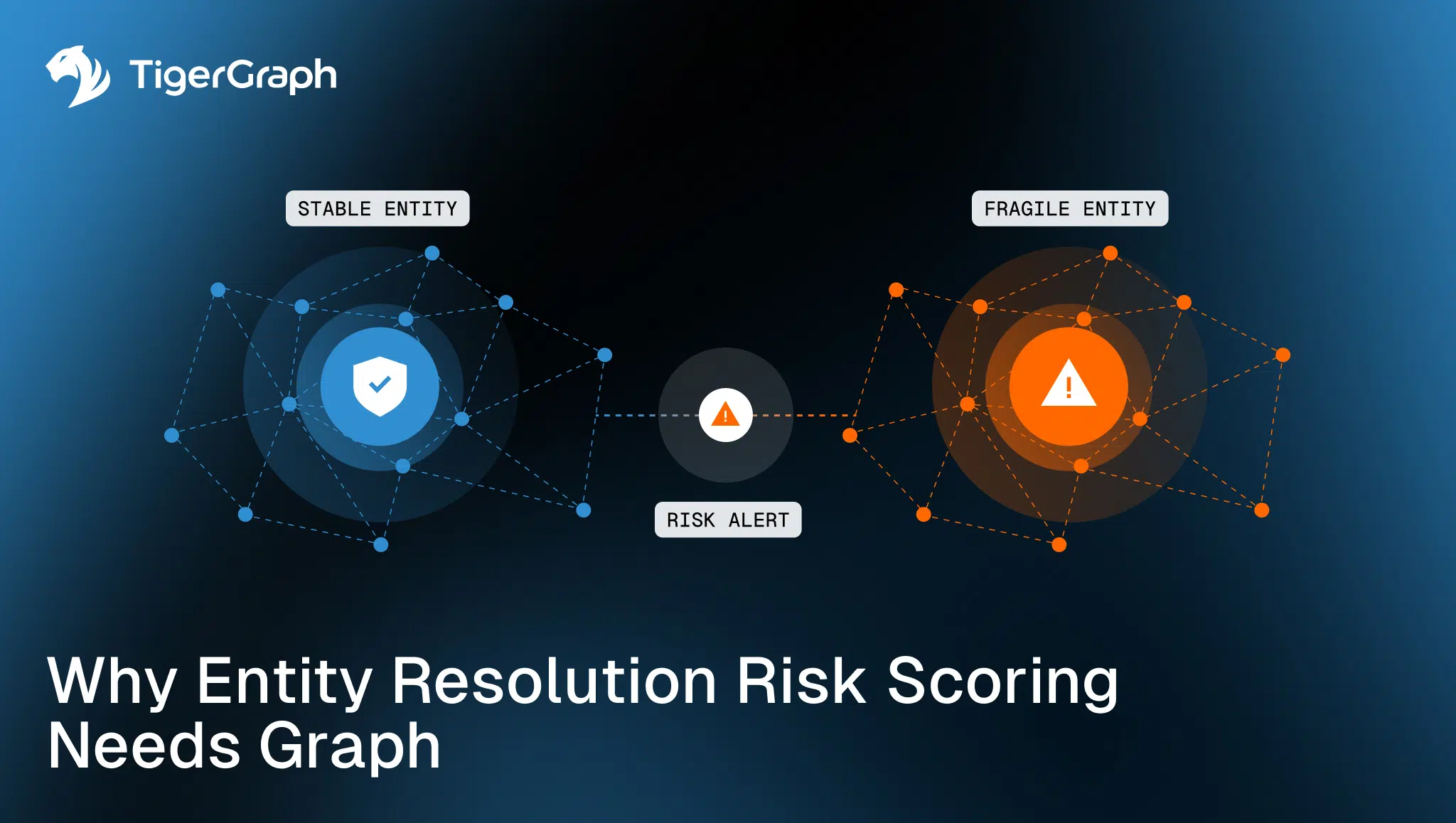
Why Entity Resolution Risk Scoring Needs Graph

Entity resolution decisions shape risk, compliance and customer experience long before a case is ever reviewed. Yet many programs treat resolution outcomes as binary. Records are linked or they are not. Entities are resolved or unresolved. That assumption creates blind exposure. Some resolved entities are structurally stable and
Code & samples
126
  • Graph Resources52
  • Concept
    109
  • Troubleshooting12
  • Security advisory4
  • Runbook
  • Article173
  • Case study26
  • Talk298
  • Release note24
  • Demo114
  • Webinar12
  • Event12
  • Report24
  • Discover
    ArticleApr 10, 2026

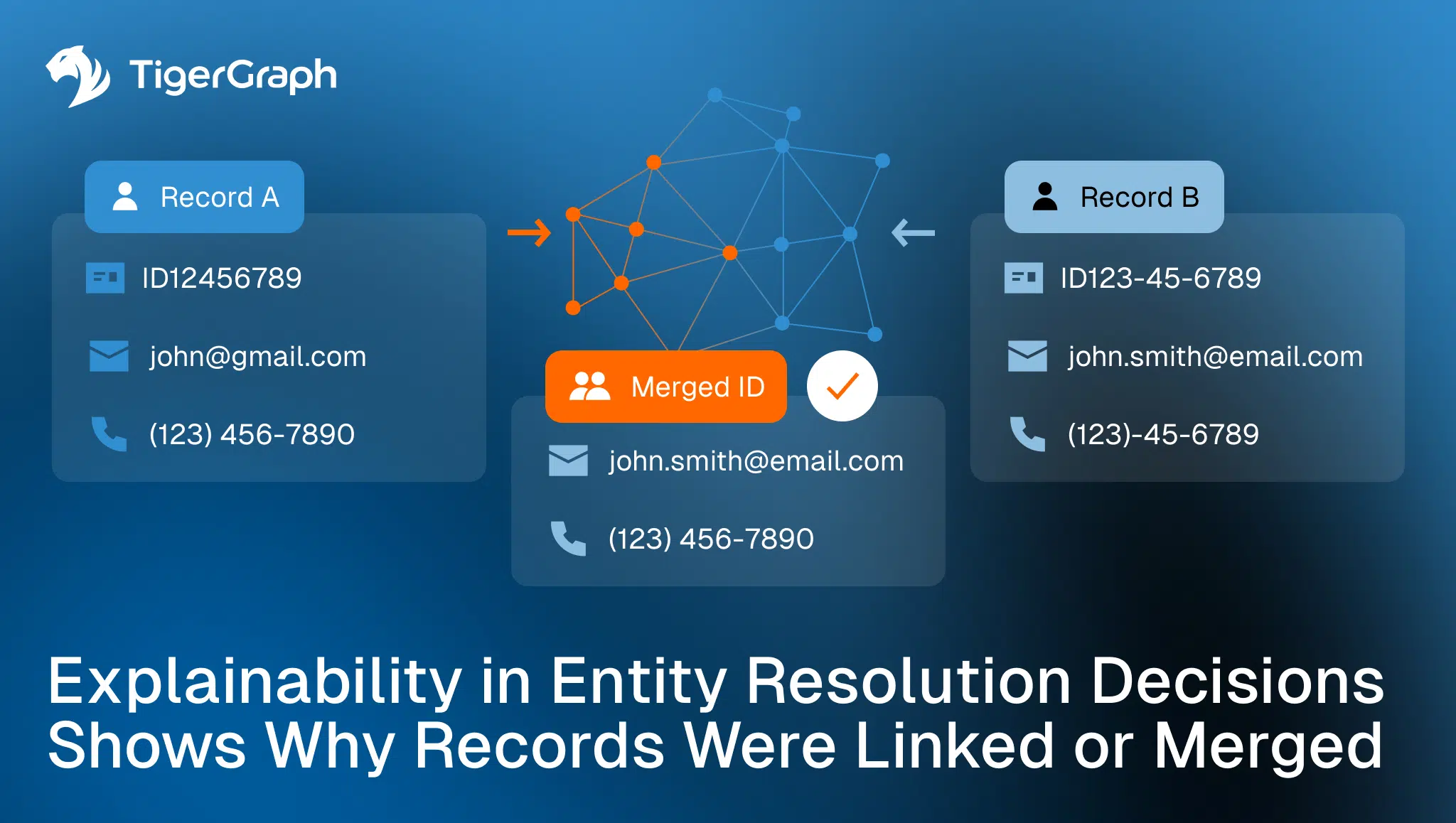
    Explainability in Entity Resolution Decisions Shows Why Records Were Linked or Merged

    Entity resolution decisions shape everything that follows. Alerts, investigations, risk scores, suppressions, and escalations all depend on whether records were linked, merged or kept separate. Yet in many programs, the reasoning behind those decisions is difficult to retrieve after the fact. When reviewers,

    Discover
    ArticleApr 10, 2026

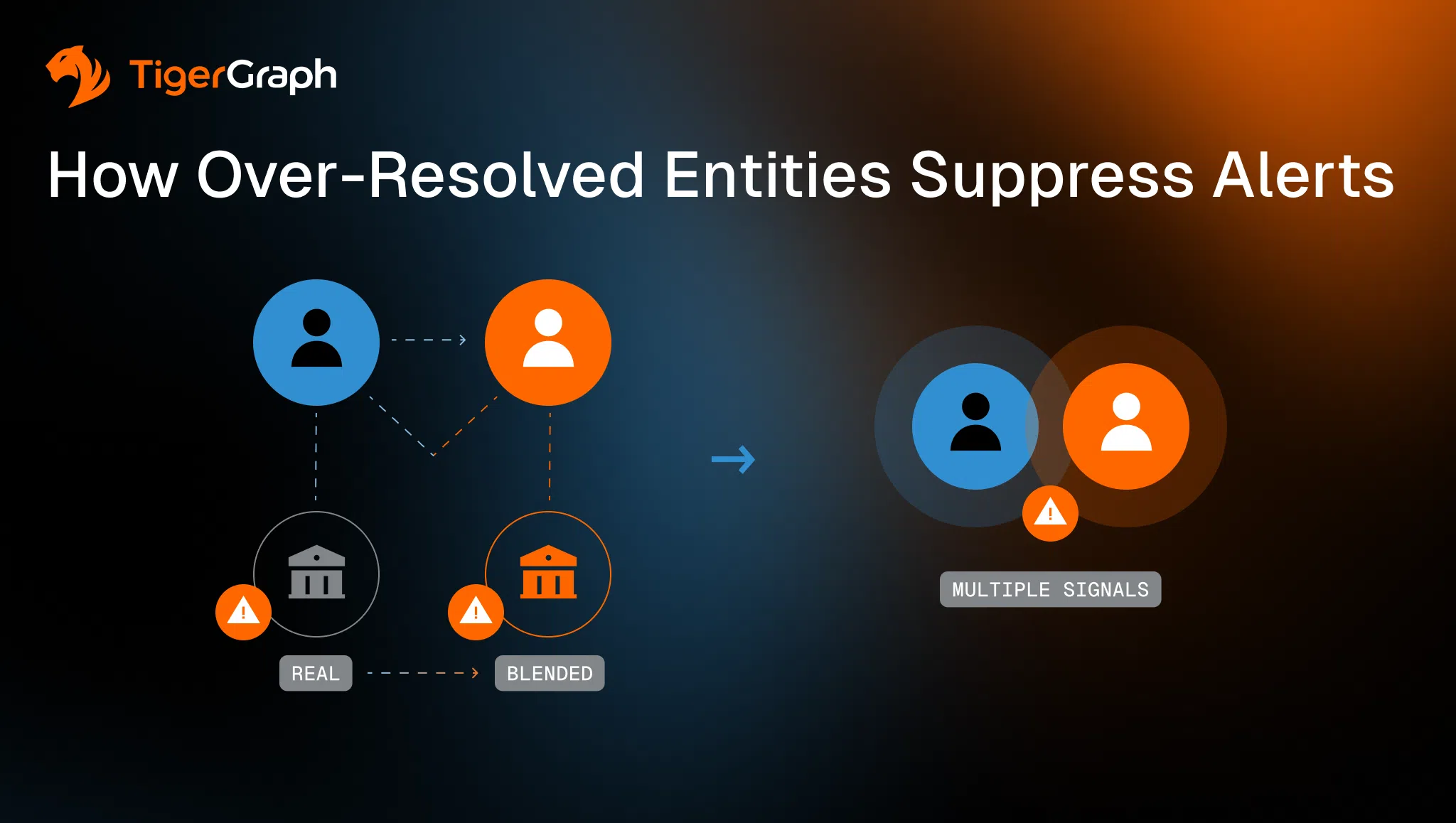
    How Over-Resolved Entities Suppress Alerts

    Most monitoring failures are discussed as detection problems, meaning missed rules, weak thresholds or gaps in coverage. Less attention is paid to a quieter failure that sits upstream of detection and quietly reshapes what the system can see: Over-resolved entities. When entity resolution collapses multiple real-world identities into a single

    Discover
    ArticleApr 9, 2026

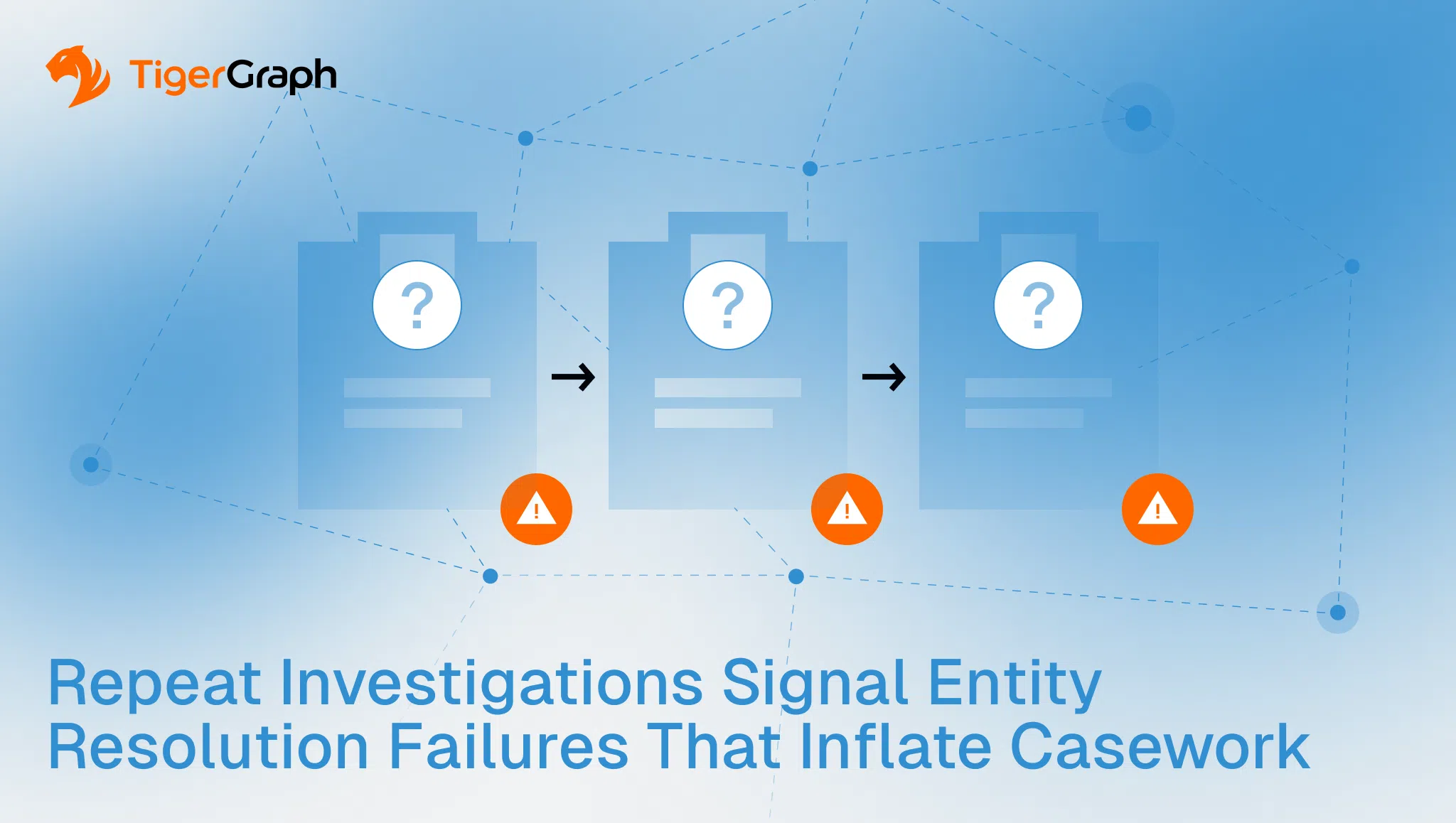
    Repeat Investigations Signal Entity Resolution Failures That Inflate Casework

    When the same cases keep coming back, the problem is identity continuity. Repeat investigations often signal that entity resolution is not stable enough to carry decisions forward across workflows or over time. Prior outcomes cannot be reused with confidence, so the same exposure is reviewed again

    Discover
    ArticleApr 9, 2026

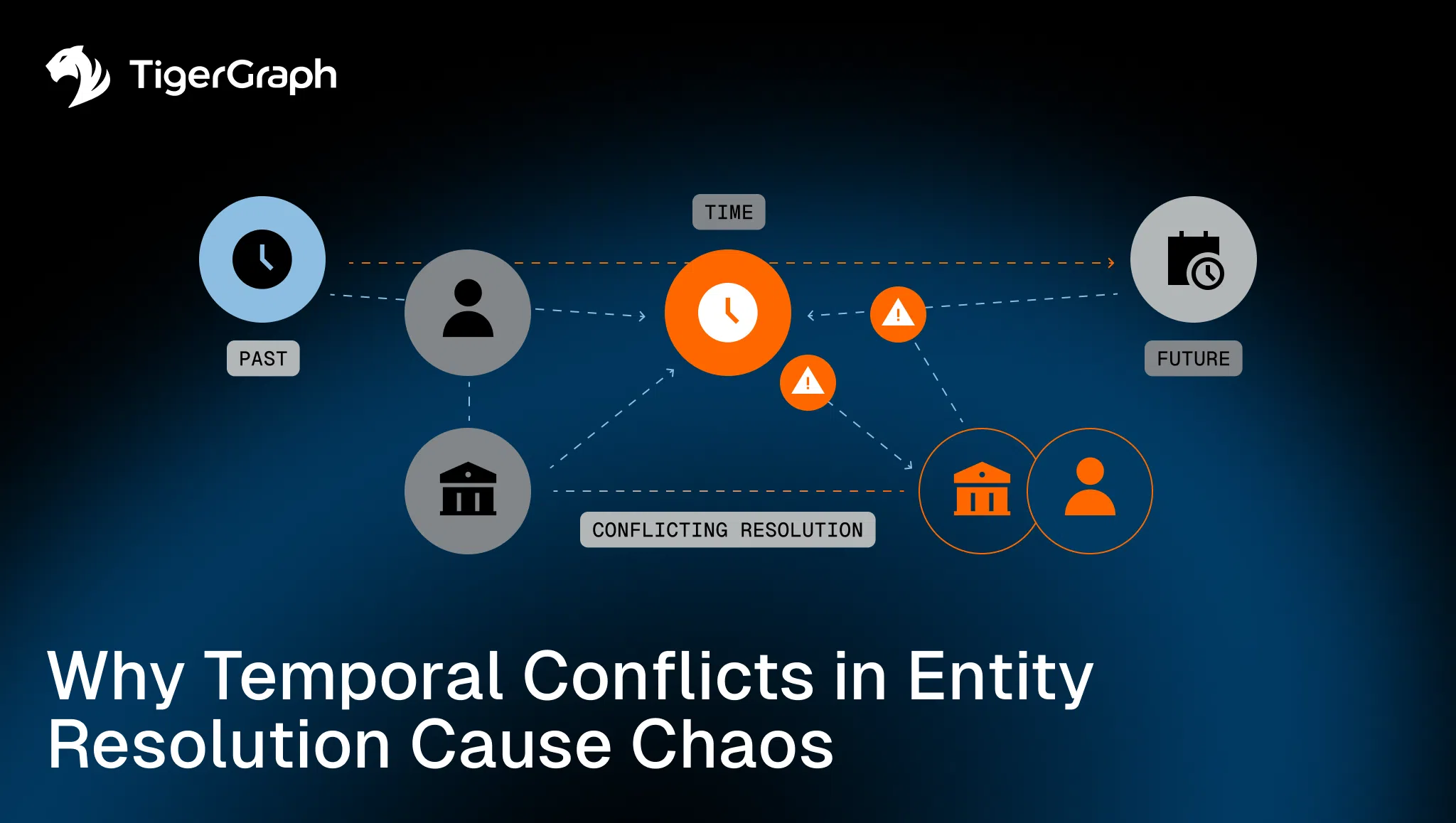
    Why Temporal Conflicts in Entity Resolution Cause Chaos

    Entity resolution often assumes that identity becomes more stable over time. As more data arrives, records are expected to converge, links are expected to strengthen, and confidence is expected to increase. But in reality, time can be disruptive. Many entity resolution failures do not stem from missing

    Discover
    BeginnerArticleApr 8, 2026

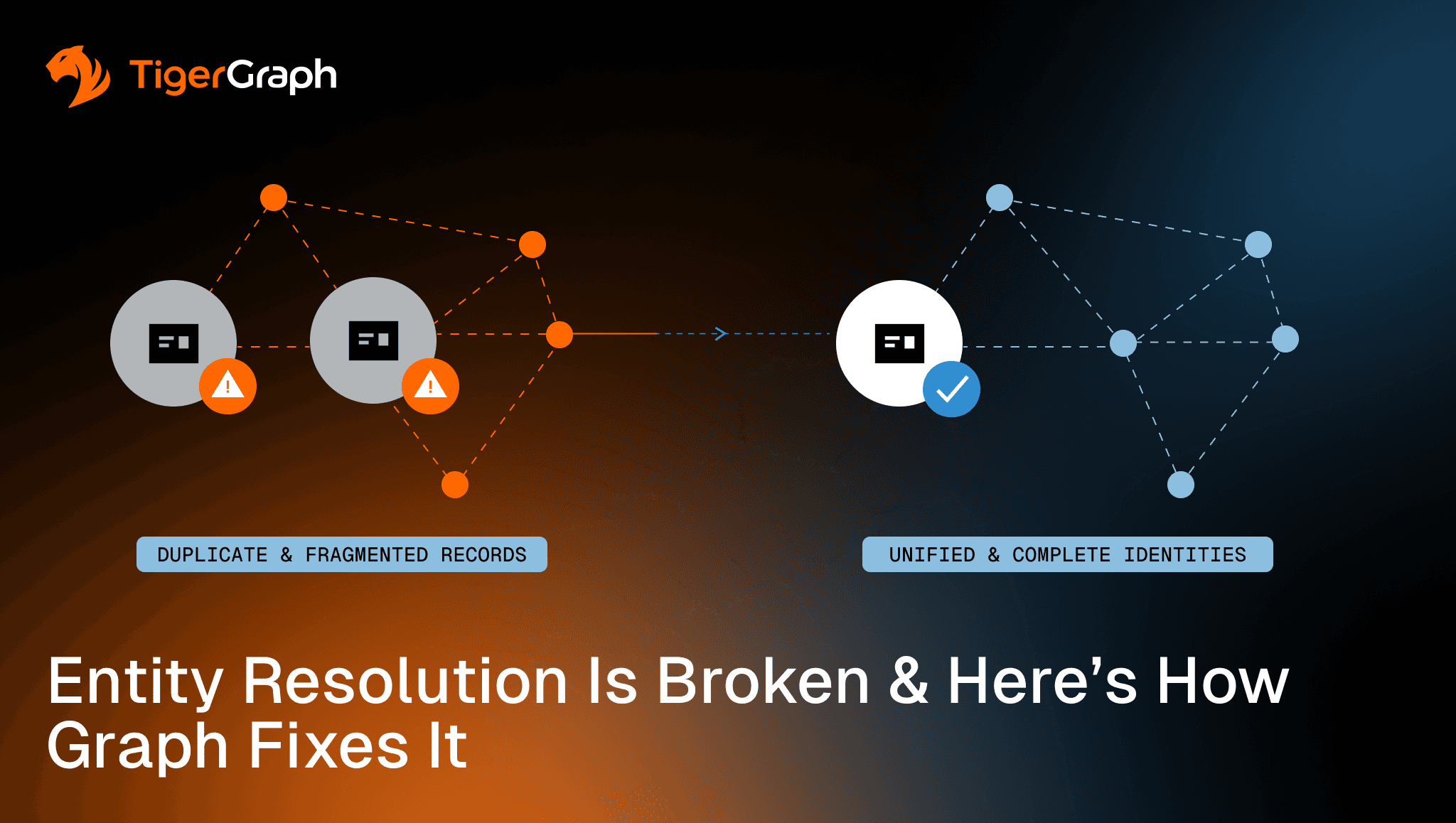
    Entity Resolution is Broken & Here’s How Graph Fixes it

    Most enterprises believe they have a data quality problem. In reality, they have an entity problem. Names change, addresses change, and emails are reused. Companies restructure, and customers open multiple accounts. Beyond that, records fragment across CRM systems, billing platforms, compliance databases, and operational tools.

    Discover
    ArticleApr 8, 2026

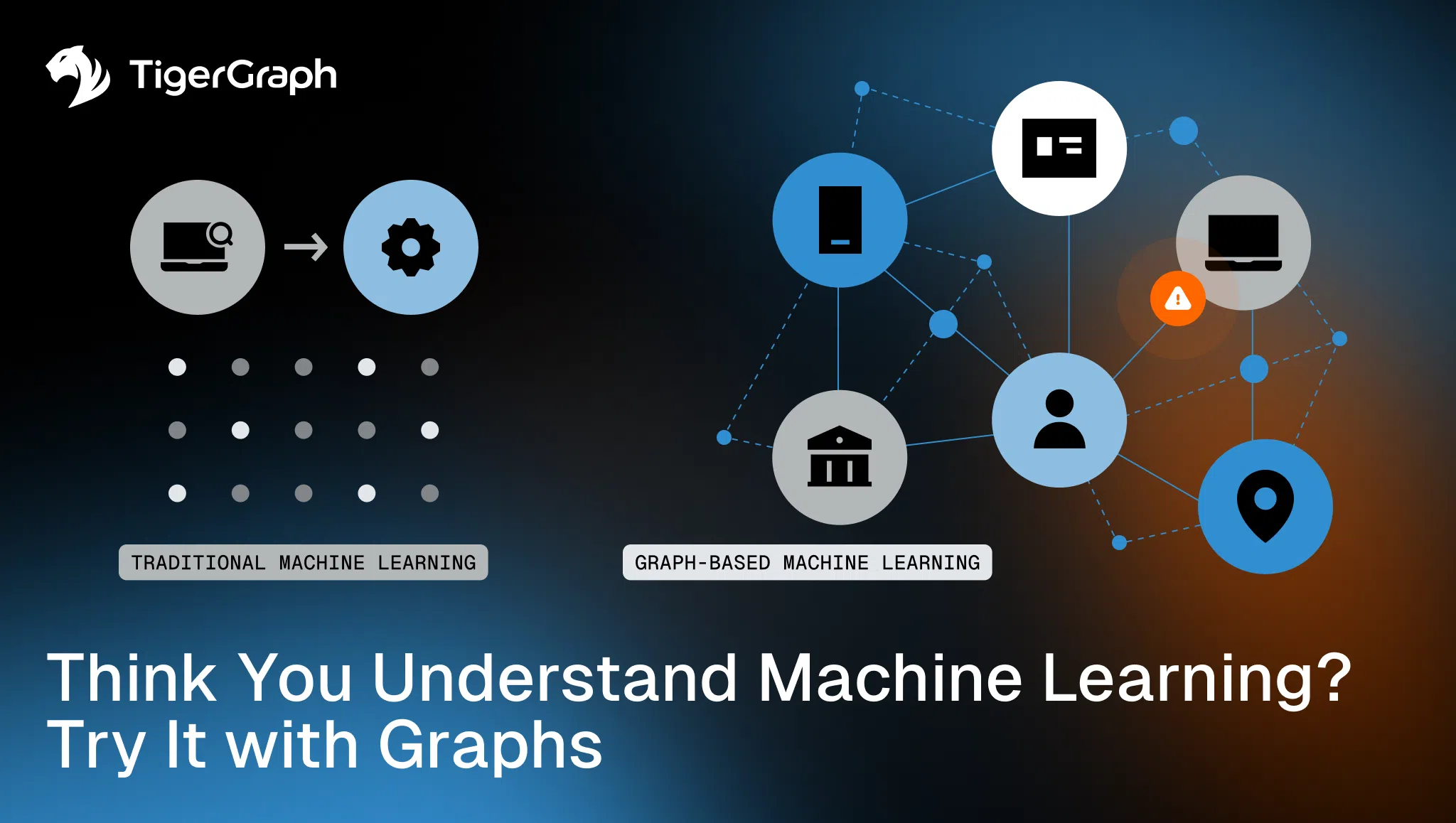
    Think You Understand Machine Learning? Try it with Graphs

    Most enterprise teams believe they are already doing machine learning well. They have models, feature pipelines, training data, and evaluation metrics. But there is a harder question. Are those models learning from relationships or just rows? Most machine learning pipelines are built on tabular assumptions, with

    Discover
    ArticleApr 7, 2026

    From Compliance to Competitive Moat: Takeaways from Fintech Meetup 2026

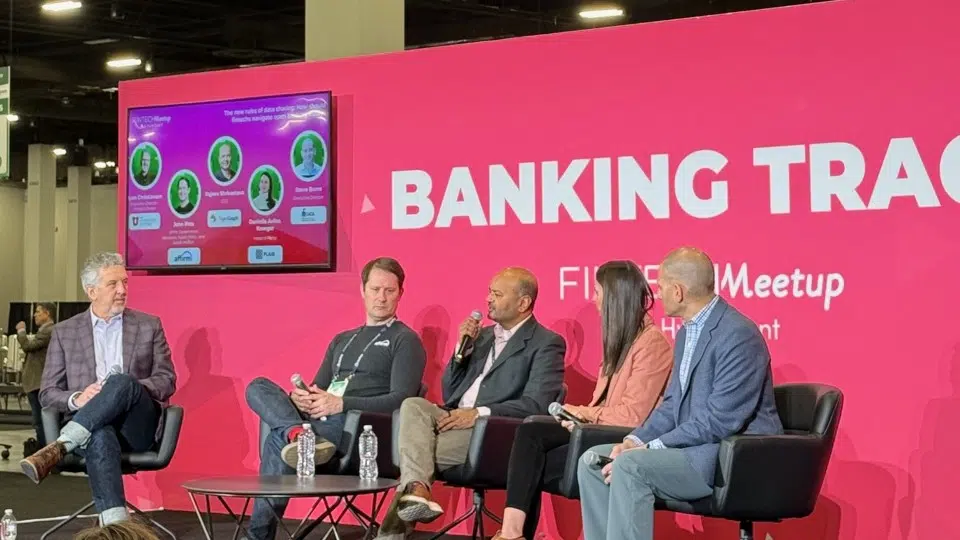
    Last week at Fintech Meetup 2026 in Las Vegas, the atmosphere was a clear signal: open banking has moved from experimentation to infrastructure. I had the privilege of joining the panel, “The new rules of data sharing: how should fintechs navigate open banking today?” alongside

    Discover
    ArticleMar 17, 2026

    TigerGraph Welcomes Rohit Chauhan, Former Mastercard EVP of AI & Fraud, as Strategic Advisor

    Former Mastercard fraud leader joins TigerGraph to help financial institutions detect complex fraud networks and modernize financial crime detection. TigerGraph today announced that Rohit Chauhan, former Executive Vice President of AI and Fraud at Mastercard, has joined the company as a

    Discover
    ReportMar 10, 2026

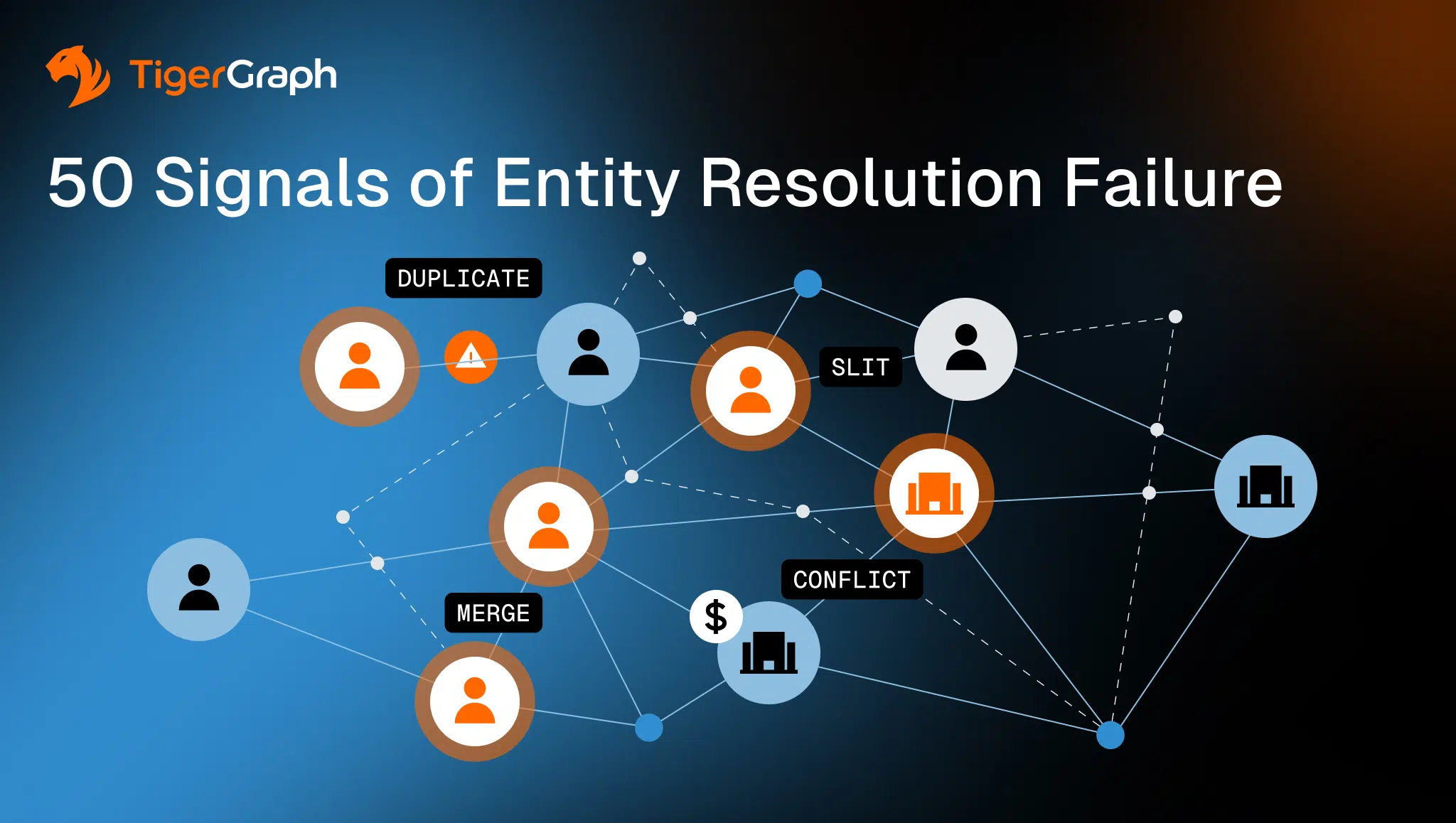
    50 Signals of Entity Resolution Failure

    Discover
    ConceptFeb 27, 2026

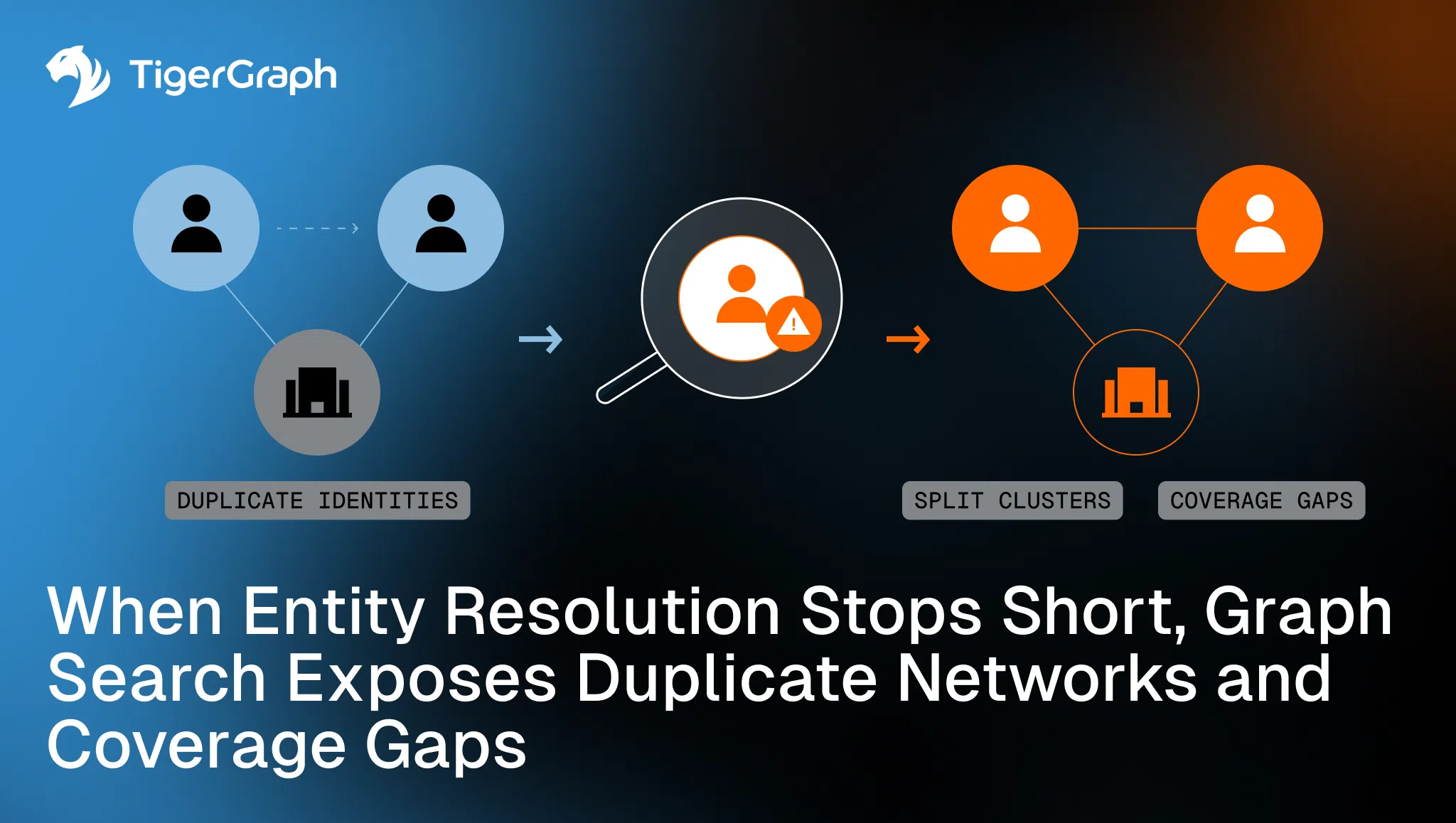
    When Entity Resolution Stops Short, Graph Search Exposes Duplicate Networks and Coverage Gaps

    Entity resolution (ER) quality issues surface as blind spots. They could be duplicate identities that never converge, clusters that should be connected but are not, or networks that stop expanding even though relevant data exists. These failures are difficult to detect because

    Discover
    Definition
    BeginnerDefinitionFeb 23, 2026

    Knowledge Graph

    A knowledge graph is a structured representation of entities and relationships that embodies context. It models real-world things such as people, accounts, devices, events, policies, products, and concepts as entities. It then captures how those entities connect so teams and systems interpret relationships consistently and appropriately across data sources. Teams

    Discover
    1234…14