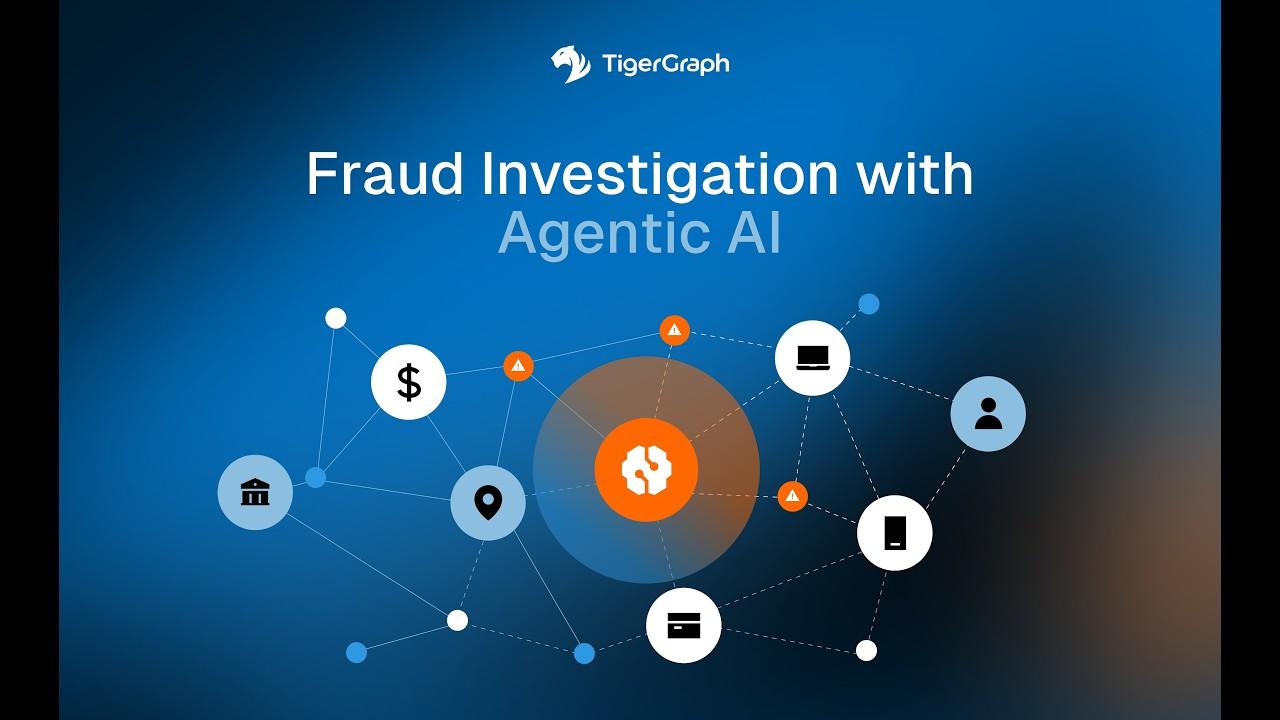
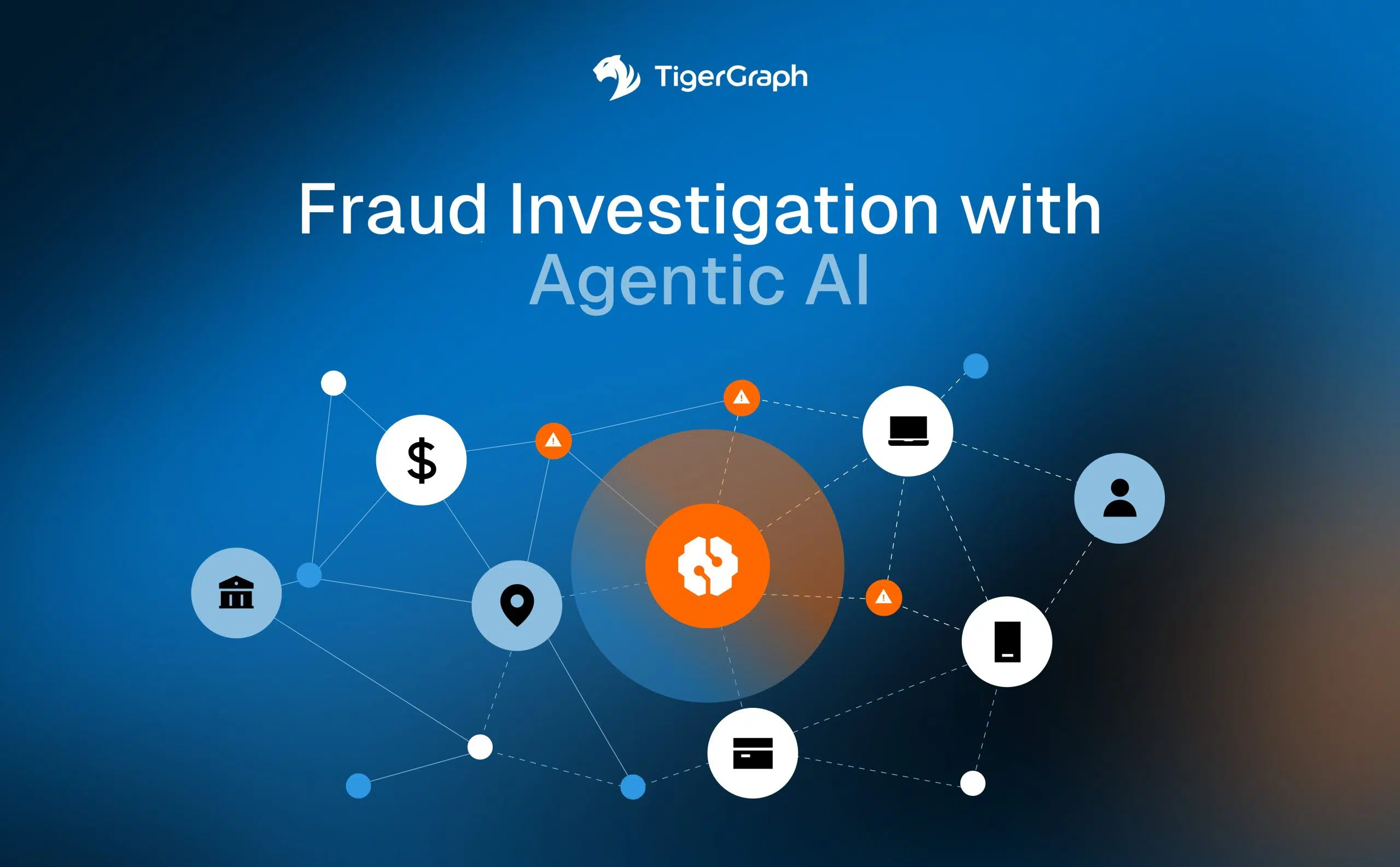
Demo36 min · Jun 11, 2026Fraud Investigation with Agentic AI Live Demo Autonomous AI Agents Uncover Hidden Fraud Networks inFraud losses continue to rise, but most investigation platforms still operate with a major limitation: They cannot understand relationships. Most systems still rely on disconnected alerts, static rules, and AI models that analyze transactiDiscover
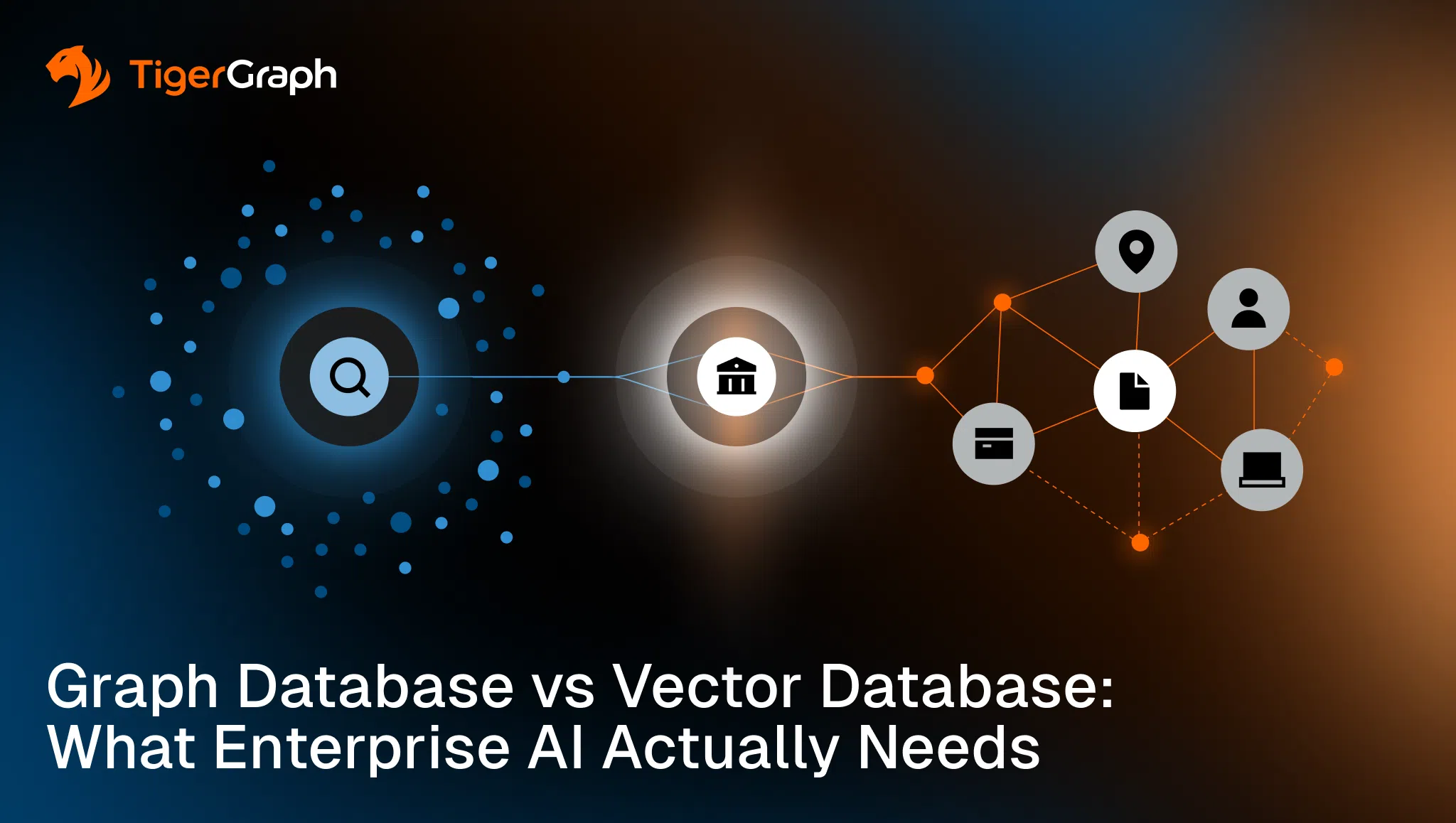
BeginnerArticleJun 8, 2026Graph vs Vector Databases: Why Enterprise AI Needs Both Similarity and ContextVector databases find what’s similar. Graph databases understand why it’s connected. Discover which your enterprise AI actually needs, and why powerful systems use both.Discover
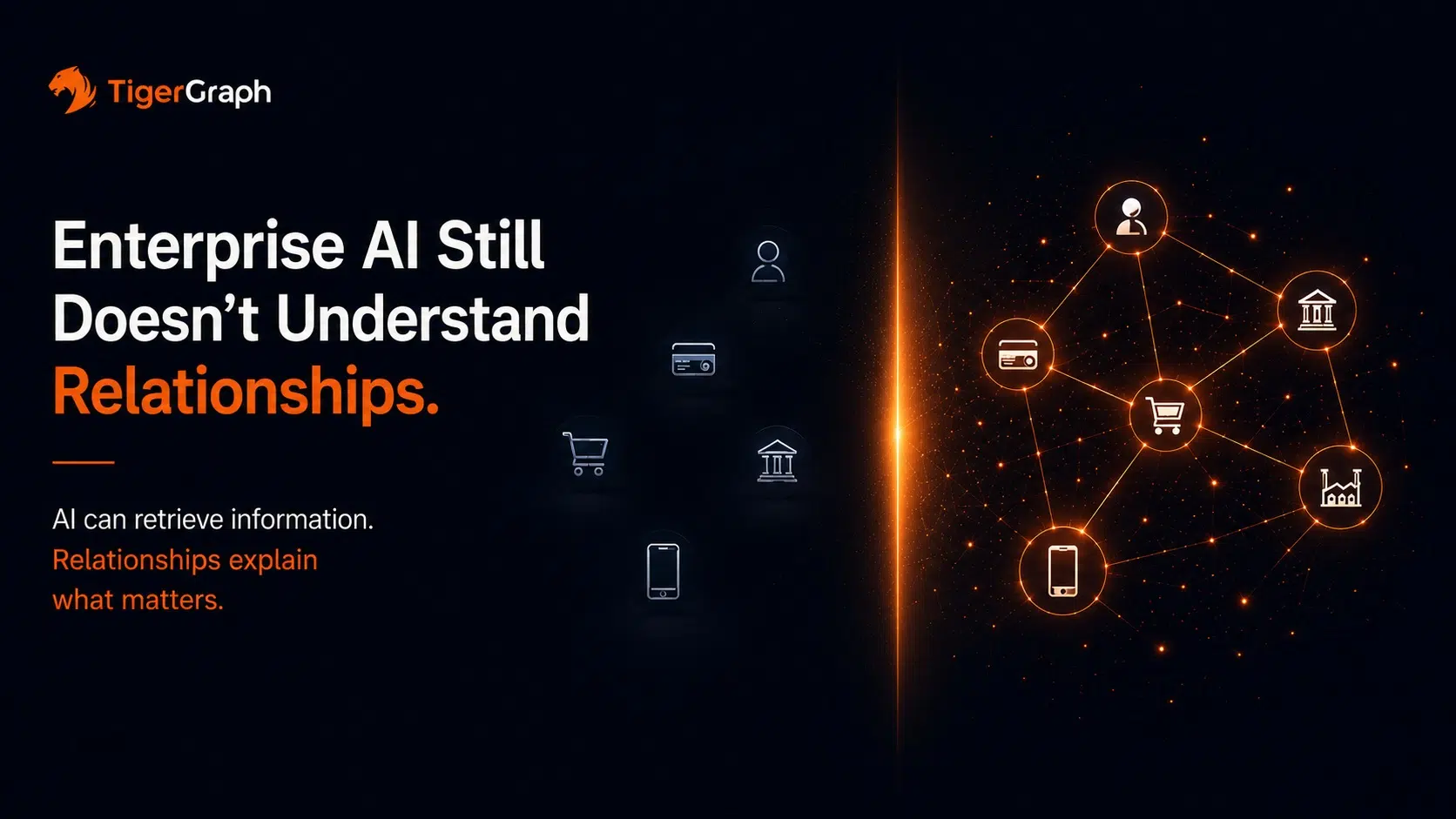
ArticleJun 3, 2026Enterprise AI Still Doesn’t Understand RelationshipsAI systems have become very good at retrieving information. They can summarize documents, generate answers, classify content, write code, search across large knowledge bases, and reason through complex instructions with remarkable speed. That progress is real. But as enterprises move AI closer to production decision-making, a harder problem isDiscover
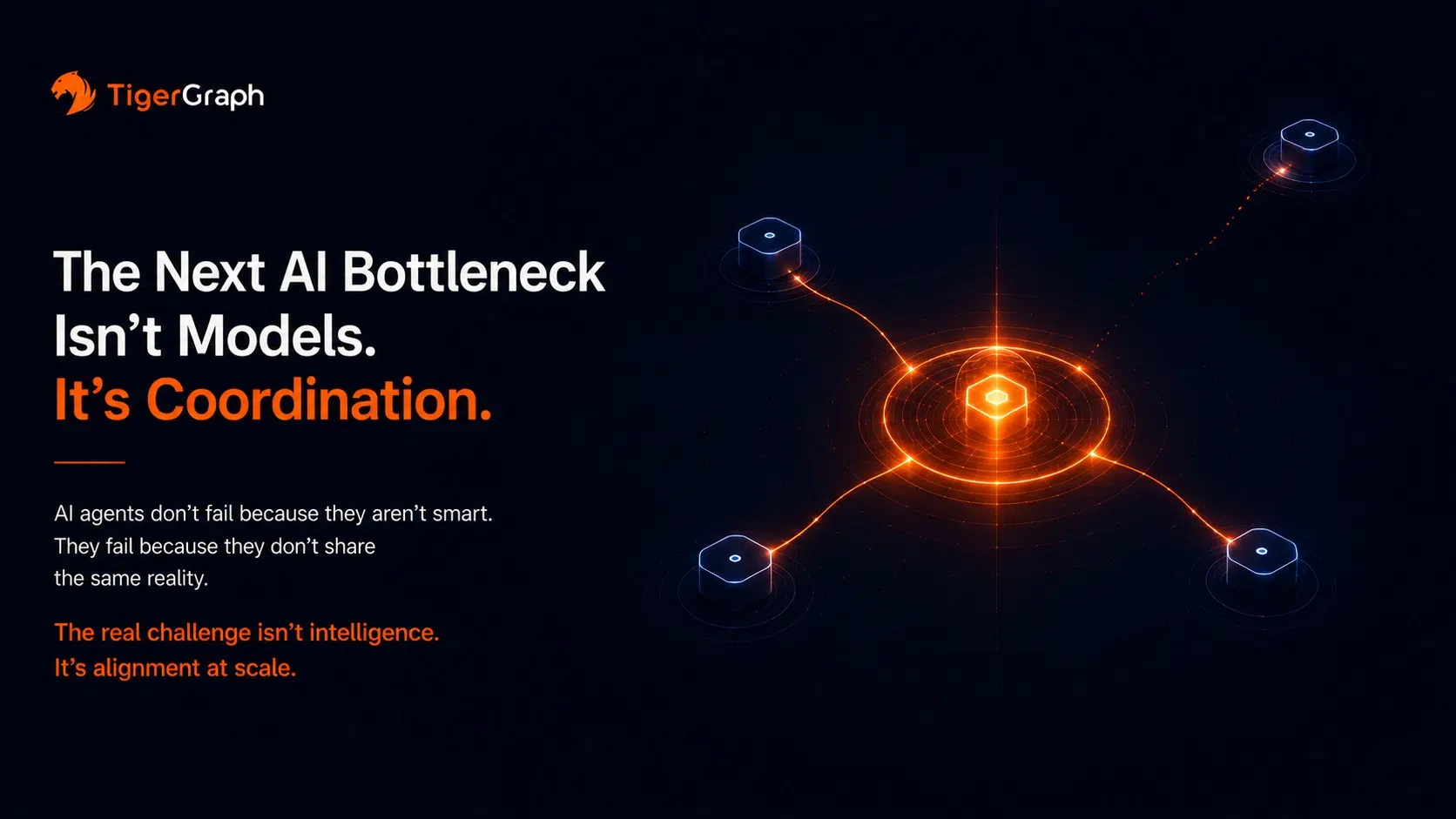
ArticleJun 2, 2026The Next AI Bottleneck Isn’t Models. It’s Coordination.For the last several years, most of the AI conversation has focused on intelligence. Better models. Larger context windows. More capable agents. Faster reasoning. More autonomous systems. That focus made sense. The model layer improved dramatically, and the industry saw what was possible when language systems became powerful enoughDiscover
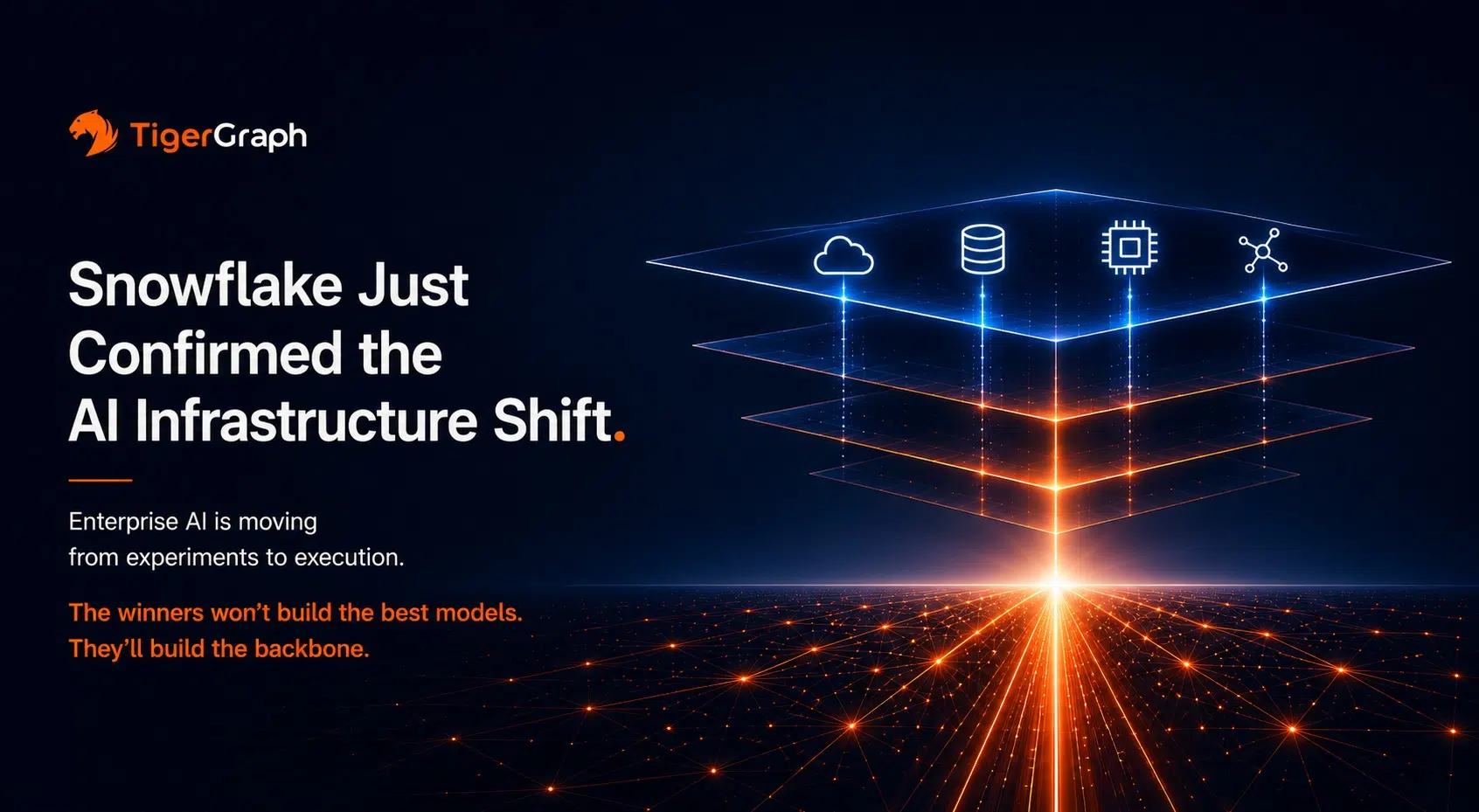
ArticleJun 1, 2026Snowflake Just Confirmed the AI Infrastructure ShiftFor the last several years, most of the AI conversation centered on the model. Which company had the largest model. Which system generated the best answers. Which platform produced the most impressive demos. That phase of the market created enormous momentum. It also shaped how many organizations thought about enterpriseDiscover
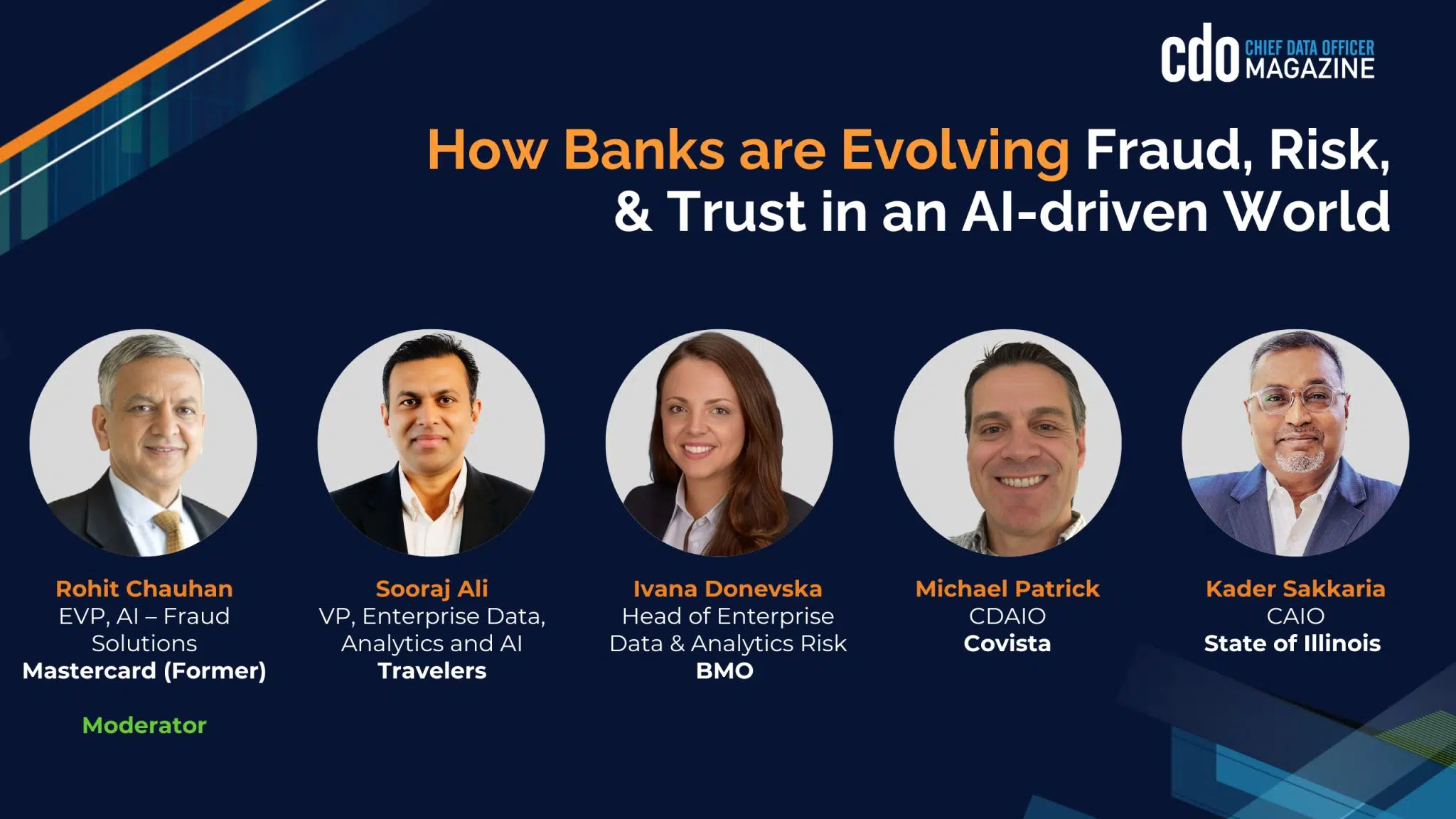
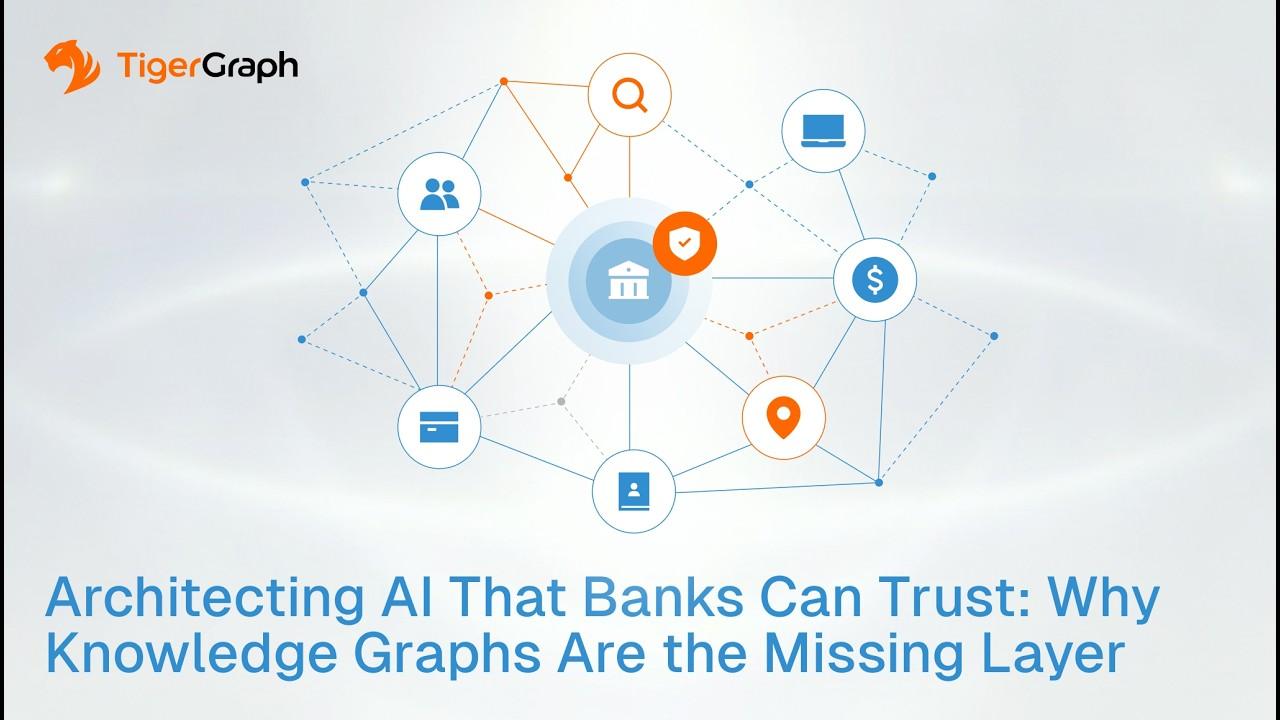
Talk53 min · May 30, 2026Architecting AI That Banks Can Trust Why Knowledge Graphs Are the Missing LayerBanks are deploying AI across fraud detection, AML, underwriting, customer servicing, and real-time decisioning. But as these systems move deeper into production, a critical problem is emerging: AI can only evaluate the context it can see.Discover
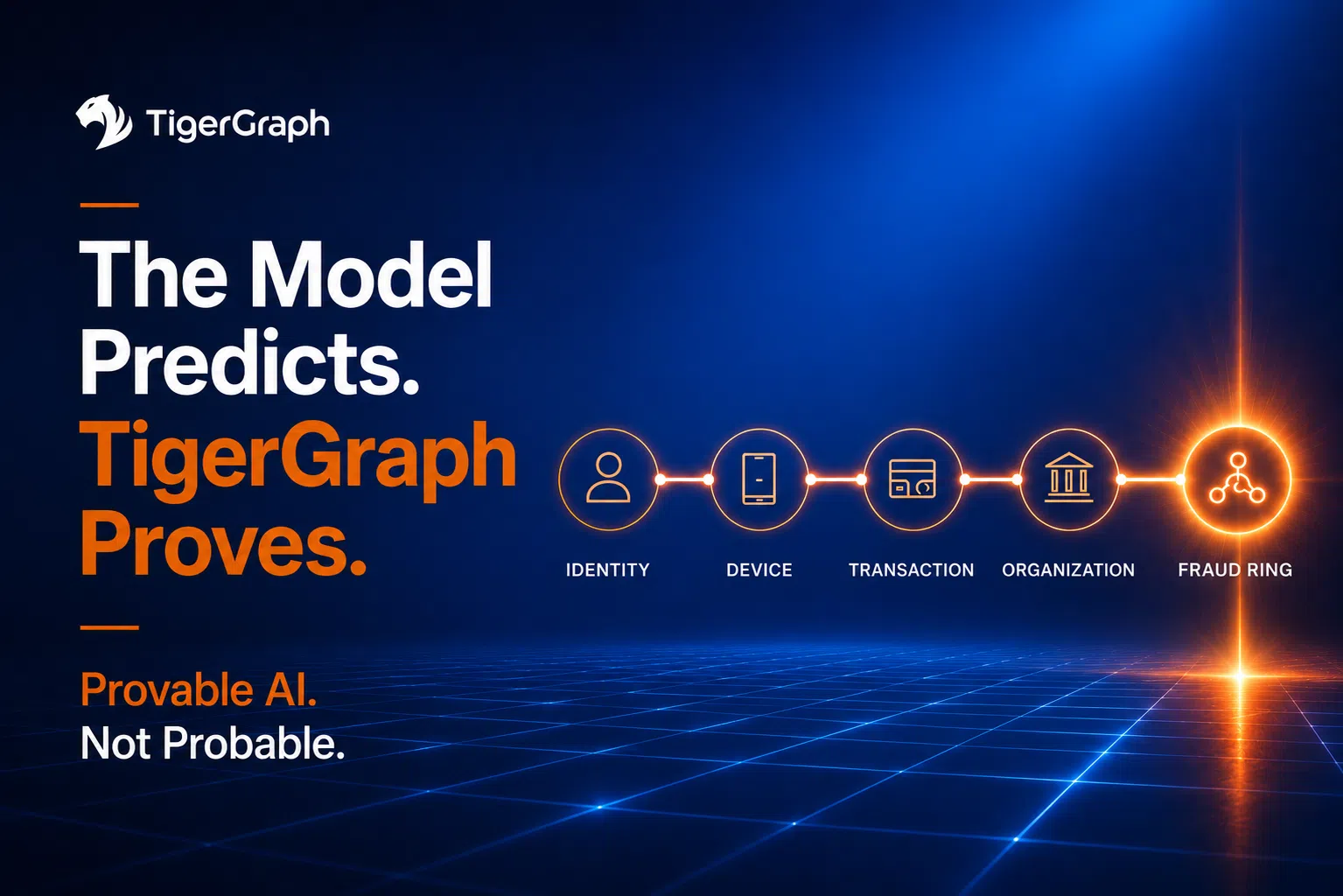
ArticleMay 21, 2026The Model Predicts. TigerGraph Proves.AI Has a Confidence Problem. The AI industry talks constantly about intelligence. Very little about proof. That imbalance is becoming more dangerous as AI systems move closer to operational decision-making. Because enterprise systems do not fail when answers sound uncertain. They fail when answers sound convincing without being verifiable. ThatDiscover
ArticleMay 20, 2026The Enterprise AI Stack Has a Trust ProblemThe Models Improved. Trust Did Not. The AI industry keeps measuring progress in capability. Every benchmark keeps improving. But underneath all of it, something else is happening. Trust is eroding. Not publicly. Structurally. The most dangerous systems are the ones that still sound intelligent while becoming operationallyDiscover
ArticleMay 19, 2026AI Slop Happens When AI Loses RealityAI Slop Escaped the Internet The AI industry has a new phrase: “AI slop.” At first, it described the internet. Generated articles. Synthetic feeds. Endless content optimized to sound intelligent long enough to survive an algorithmic cycle before dissolving into the next stream of machine-produced noise. At the beginning,Discover
ArticleMay 11, 2026McKinsey Highlighted the Risk. Most AI Decisions Still Can’t Be ProvenThere is a difference between producing an answer and being able to stand behind a decision, and that difference is becoming harder to ignore. McKinsey & Company in their The AI revolution in software development article pointed toward a future where AI systems don’tDiscover