WebinarSep 23, 2026The Identity Layer for AI: Transforming AML & KYC with Graph-Powered Entity ResolutionDiscover
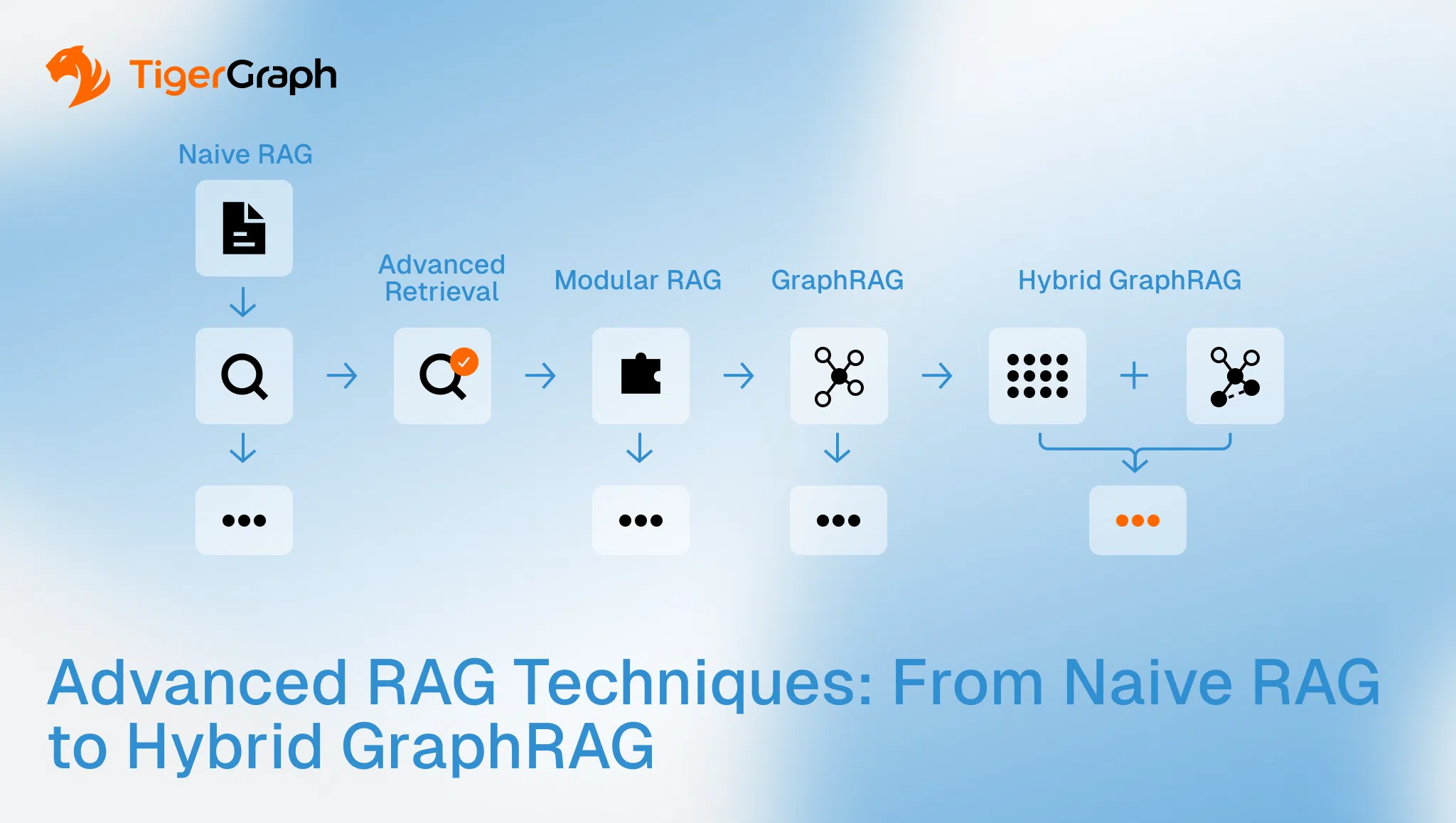
ConceptAug 4, 2026Advanced RAG Techniques: From Naive RAG to Hybrid GraphRAGDiscover advanced RAG techniques that fix retrieval quality ceilings, from chunking and re-ranking to GraphRAG and hybrid GraphRAG. Find the right architecture for your enterprise AI workload.Discover
ConceptConceptApr 10, 2026Multimodal EmbeddingsMultimodal embeddings are vector representations that allow different types of inputs, such as text and images, to be compared in the same space. Instead of creating separate representations for each format, a model maps text, images, or other inputs into a shared embedding space. When two items land close together inDiscover
ConceptBeginnerConceptApr 10, 2026Propagation in GraphsPropagation in graphs refers to the process of spreading status information, entity descriptions, computed values, or other data across connected entities within a network. In a graph, data is represented using nodes and edges. Nodes represent entities such as people, accounts, devices, or products. Edges represent the relationships connecting thoseDiscover
ConceptBeginnerConceptApr 10, 2026AccumulatorsAccumulators are shared data objects that can accept new data from multiple sources and produce an aggregate result based on all the contributions. In a graph algorithm, accumulators collect and combine information from many connected parts of the graph as it runs. In a graph, data is represented as nodes (entities suchDiscover
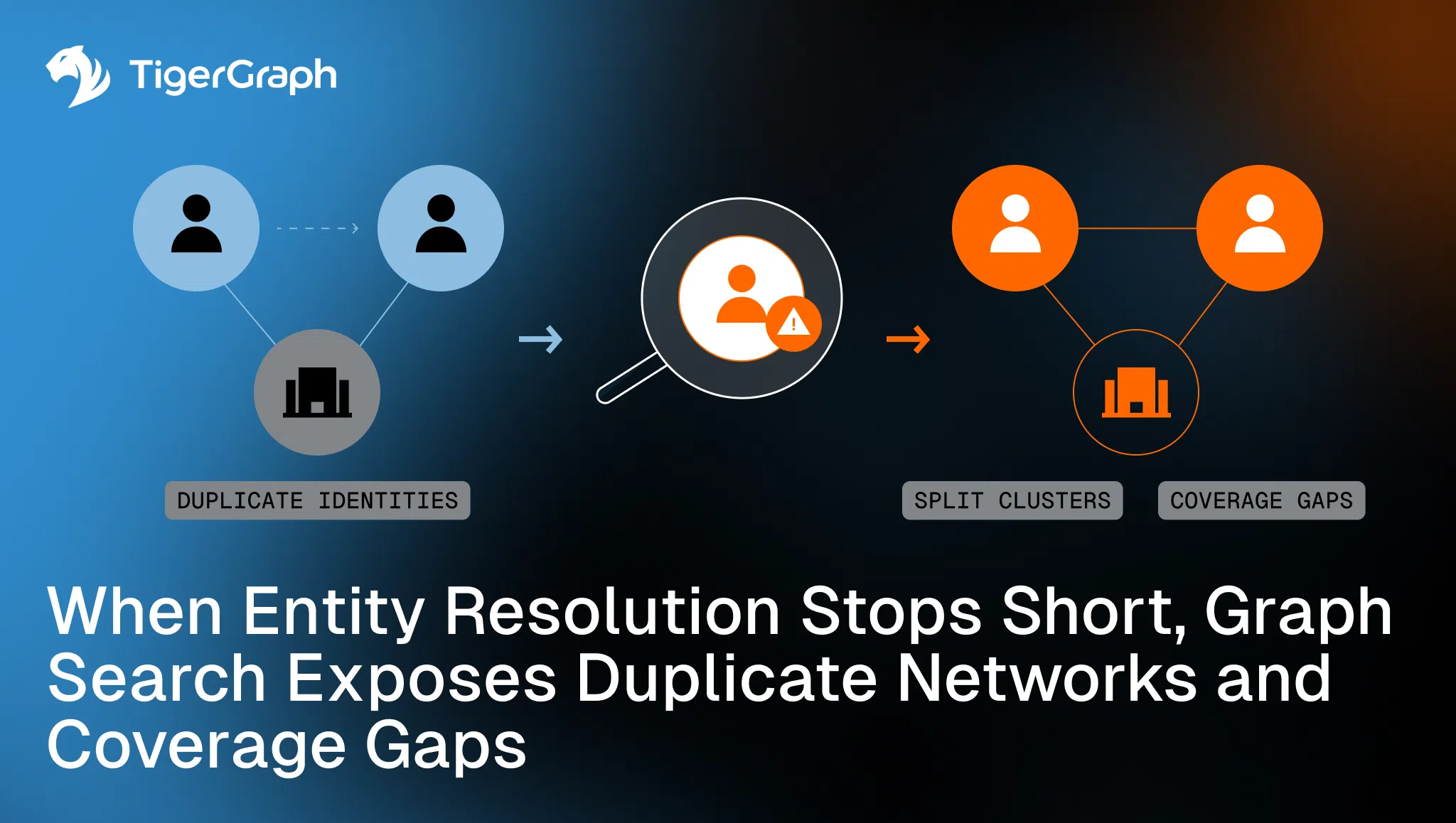
ConceptFeb 27, 2026When Entity Resolution Stops Short, Graph Search Exposes Duplicate Networks and Coverage GapsEntity resolution (ER) quality issues surface as blind spots. They could be duplicate identities that never converge, clusters that should be connected but are not, or networks that stop expanding even though relevant data exists. These failures are difficult to detect becauseDiscover
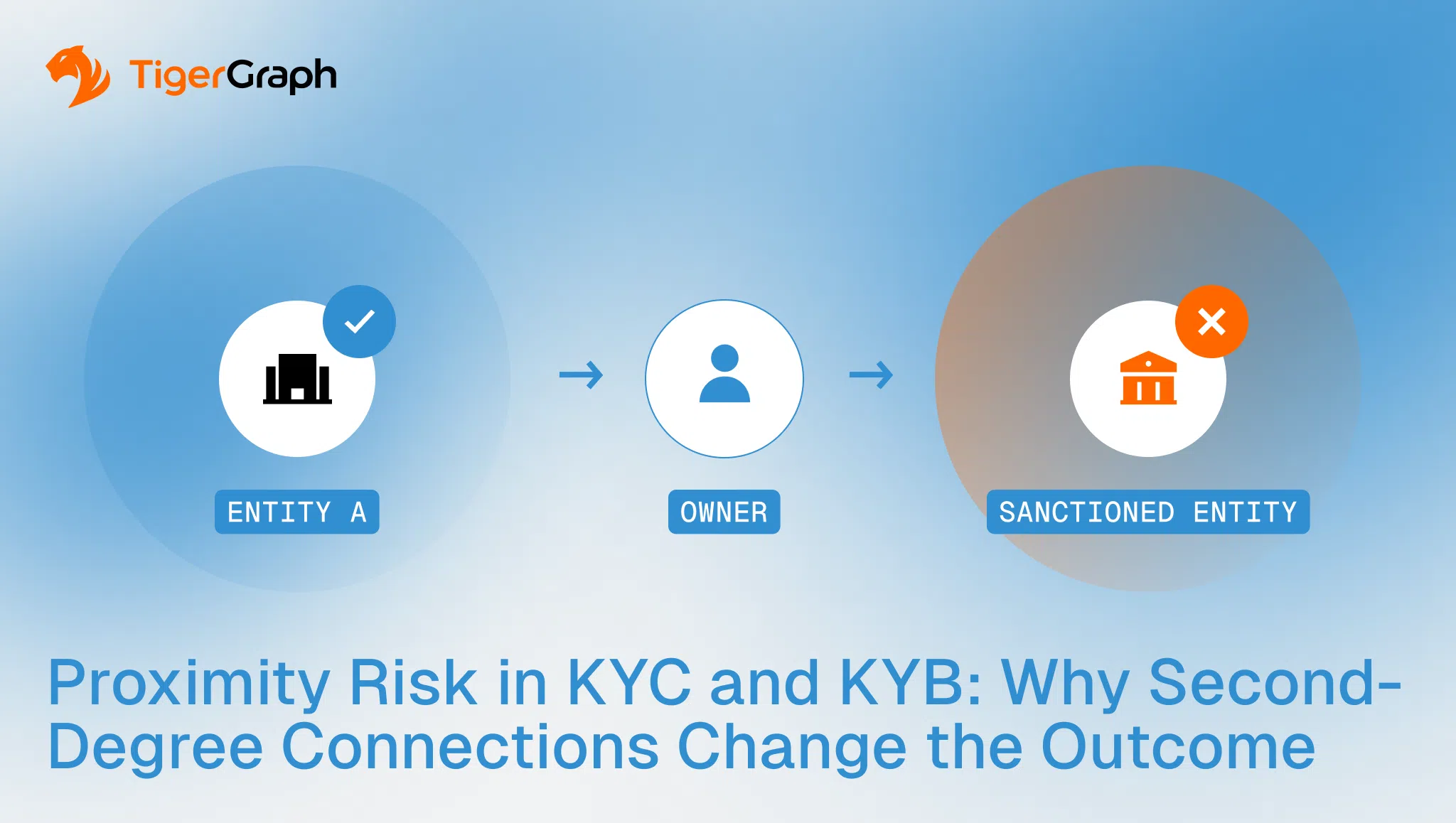
ConceptFeb 20, 2026Proximity Risk in KYC and KYB: Why Second-Degree Connections Change the OutcomeMost know-your-customer (KYC) and know-your-business (KYB) reviews focus on the entity being evaluated. The core question is straightforward. Does this customer, business or counterparty present unacceptable risk? That framing works when risk is contained within the entity itself. It becomes incomplete when relevantDiscover
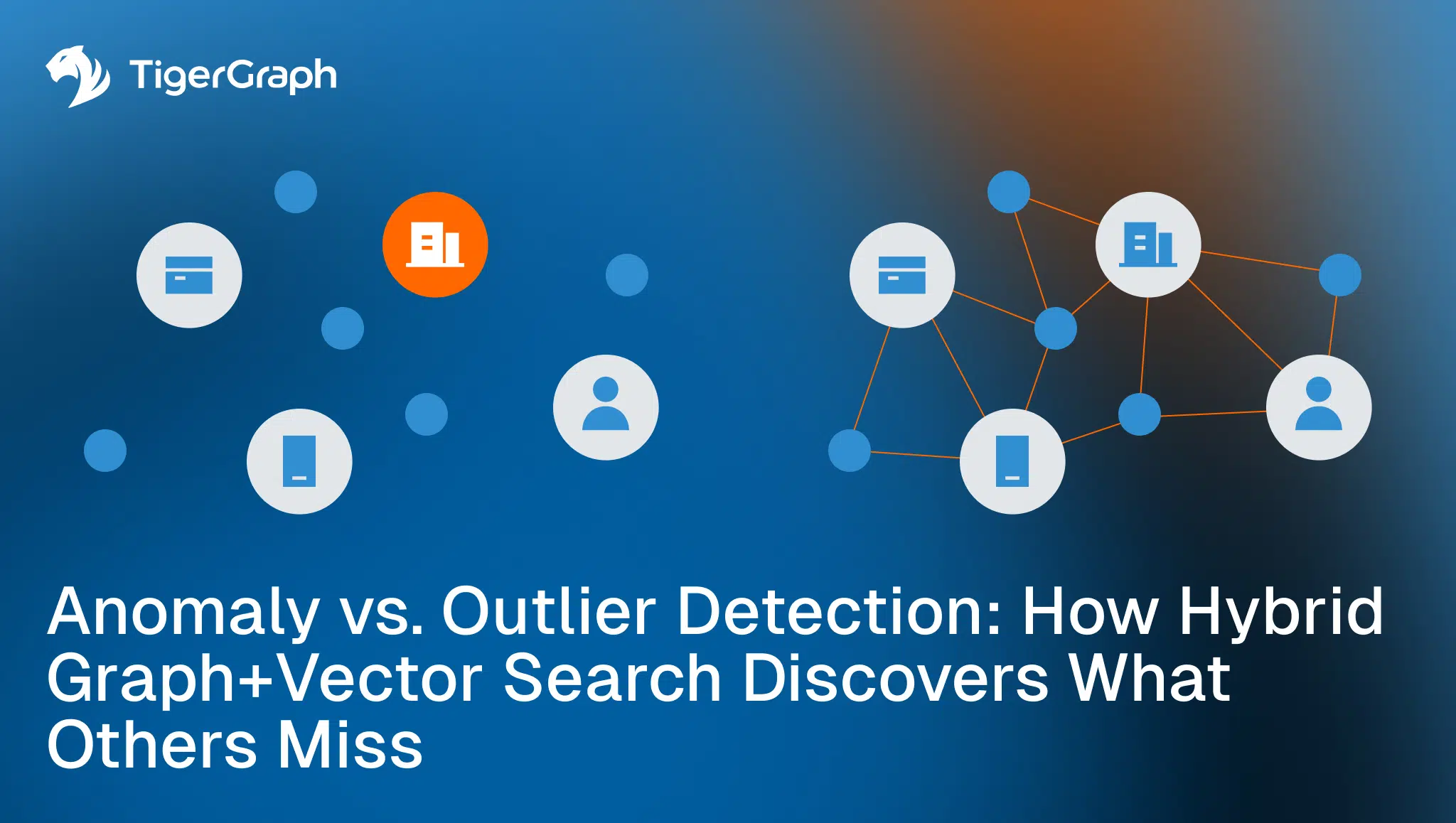
ConceptJan 28, 2026Anomaly vs. Outlier Detection: How Hybrid Graph+Vector Search Discovers What Others MissThe terms anomaly detection and outlier detection are often used interchangeably, but they represent two distinct strategies for identifying irregularities in data. Understanding the difference is foundational to building effective detection models, especially in critical areas like fraud prevention, cybersecuDiscover