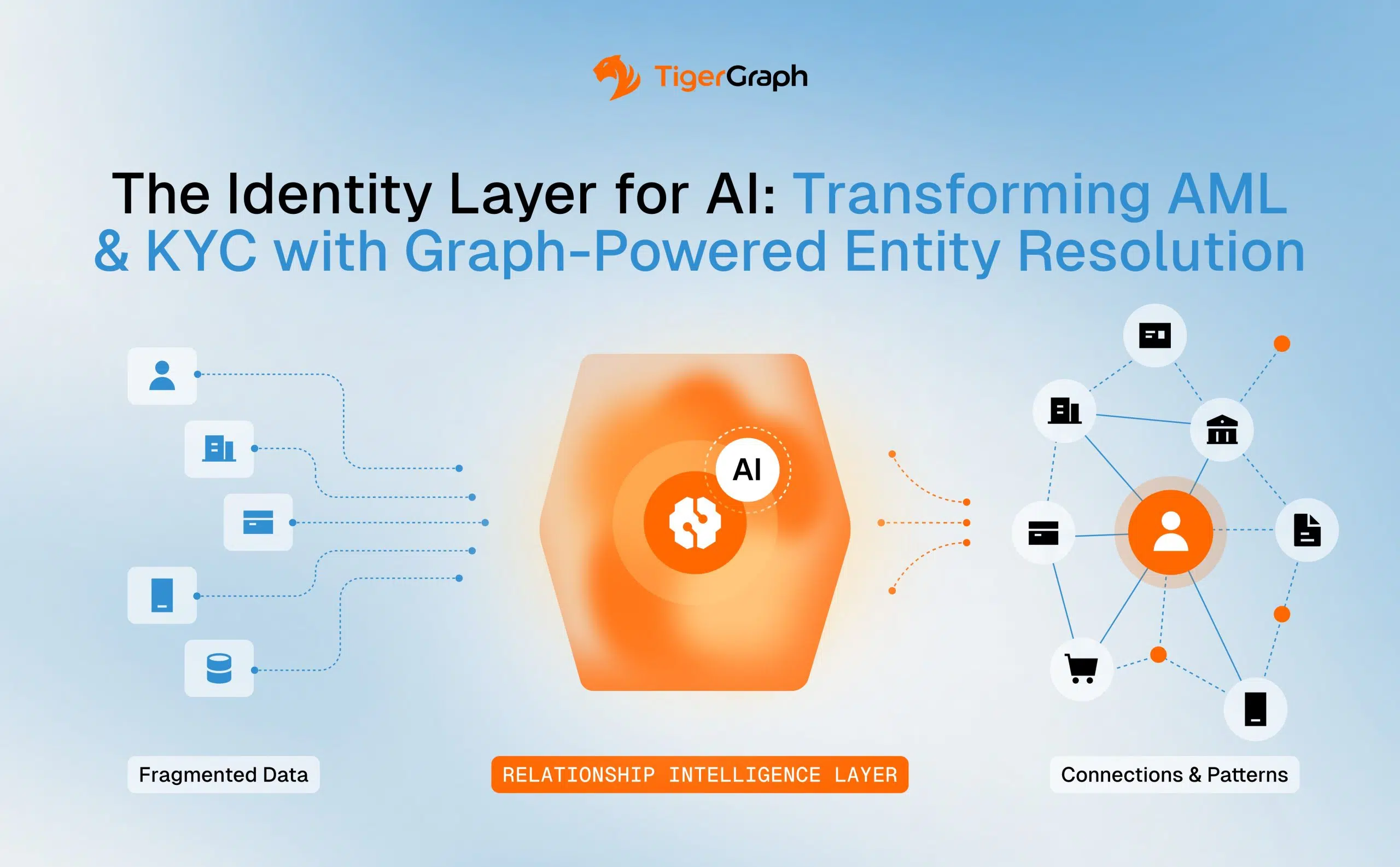
WebinarSep 23, 2026The Identity Layer for AI: Transforming AML & KYC with Graph-Powered Entity ResolutionDiscover
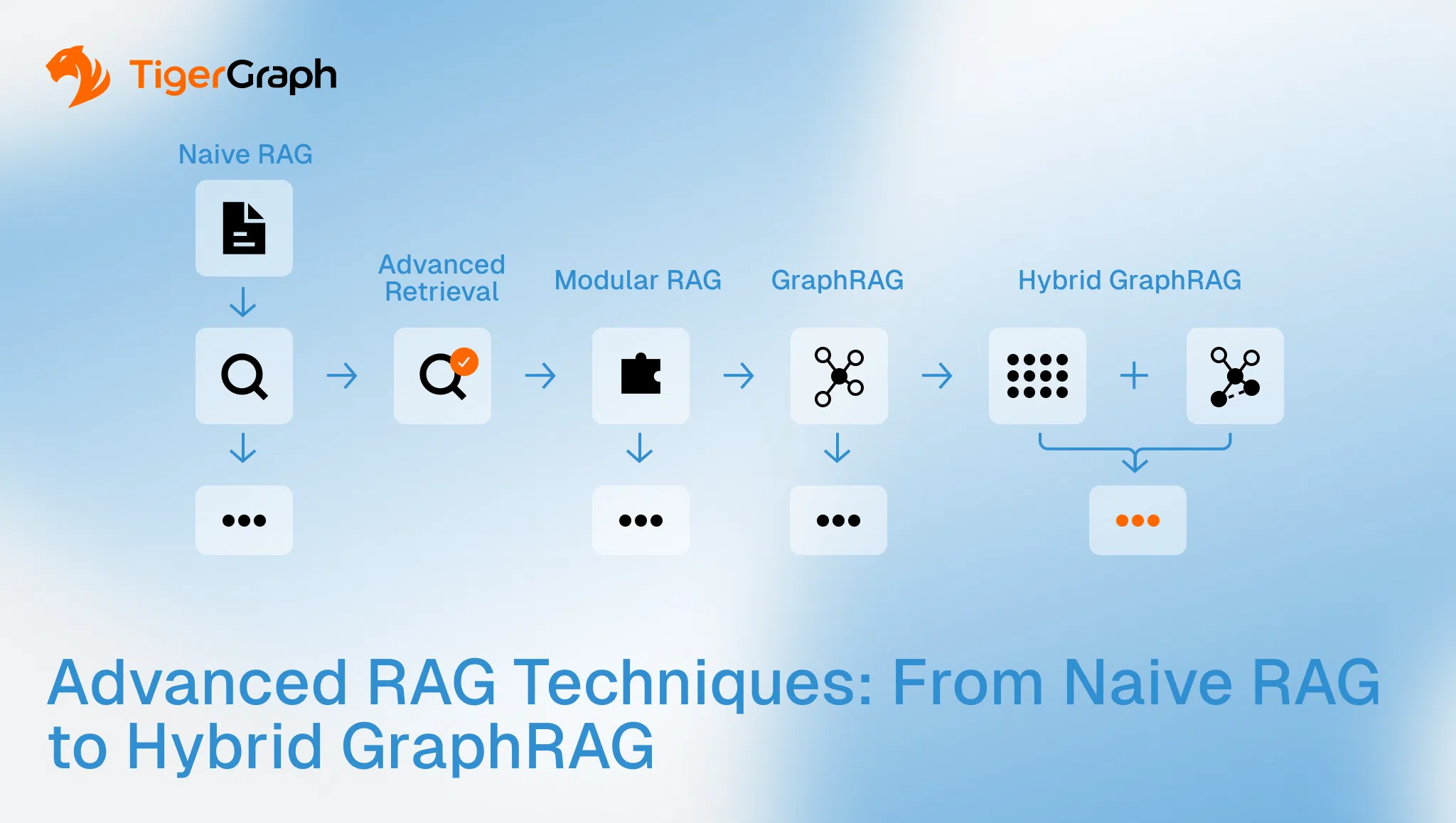
ConceptAug 4, 2026Advanced RAG Techniques: From Naive RAG to Hybrid GraphRAGDiscover advanced RAG techniques that fix retrieval quality ceilings, from chunking and re-ranking to GraphRAG and hybrid GraphRAG. Find the right architecture for your enterprise AI workload.Discover
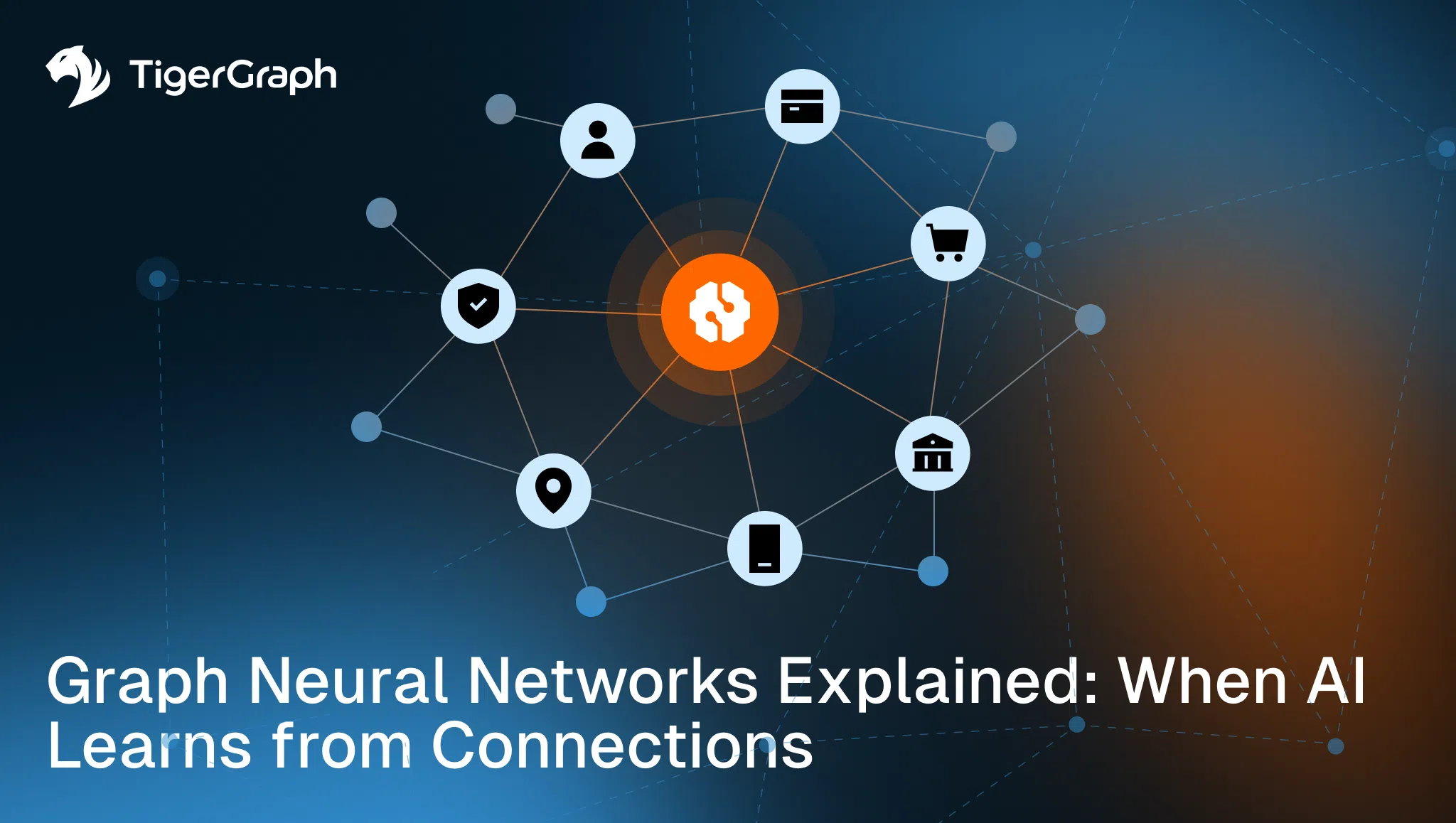
DefinitionJul 17, 2026Graph Neural Networks Explained: When AI Learns from ConnectionsLearn what a graph neural network is, how it learns from connections, and where GNNs outperform tabular models.Discover
DefinitionDefinitionApr 27, 2026Bidirectional RelationshipA bidirectional relationship is a connection between two entities in which each side can be accessed or traversed from the other. If a data system user searches for what a bidirectional relationship is, they will learn it is a two-way connection between data elements. In contrast, a directional relationship allowsDiscover
ConceptConceptApr 10, 2026Multimodal EmbeddingsMultimodal embeddings are vector representations that allow different types of inputs, such as text and images, to be compared in the same space. Instead of creating separate representations for each format, a model maps text, images, or other inputs into a shared embedding space. When two items land close together inDiscover
DefinitionDefinitionApr 10, 2026Recommendation SystemA recommendation system is a data-driven framework that identifies and ranks items based on predicted relevance to a user, entity, or context. When someone asks what a recommendation system or recommendation engine is, they are asking how platforms decide what to offer first. These systems analyze behavioral data (such asDiscover
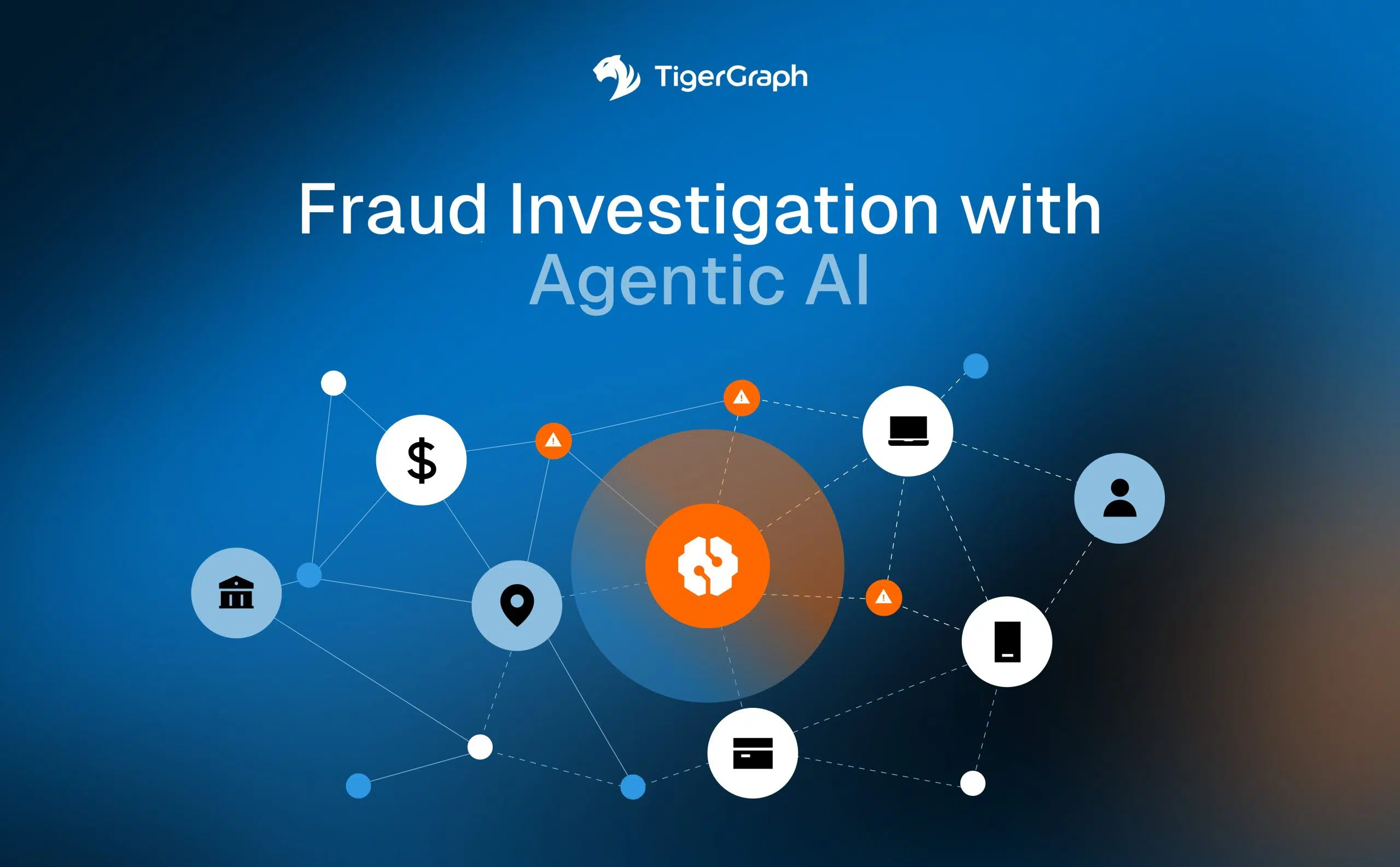
DefinitionDefinitionApr 10, 2026Agentic AIAgentic AI refers to artificial intelligence systems that can plan and execute actions in pursuit of a defined goal. Most traditional AI systems respond to a prompt and generate a single output. For example, you ask a question and the system produces an answer. Once the response is delivered, the interactionDiscover
ConceptBeginnerConceptApr 10, 2026Propagation in GraphsPropagation in graphs refers to the process of spreading status information, entity descriptions, computed values, or other data across connected entities within a network. In a graph, data is represented using nodes and edges. Nodes represent entities such as people, accounts, devices, or products. Edges represent the relationships connecting thoseDiscover
DefinitionBeginnerDefinitionApr 10, 2026Shortest PathThe shortest path is the most efficient way to travel from one point to another within a network. In graph theory, the shortest path in a graph refers to calculating the route between two nodes that minimizes total cost. A node represents a point, and edges connect those points. EachDiscover
ConceptBeginnerConceptApr 10, 2026AccumulatorsAccumulators are shared data objects that can accept new data from multiple sources and produce an aggregate result based on all the contributions. In a graph algorithm, accumulators collect and combine information from many connected parts of the graph as it runs. In a graph, data is represented as nodes (entities suchDiscover