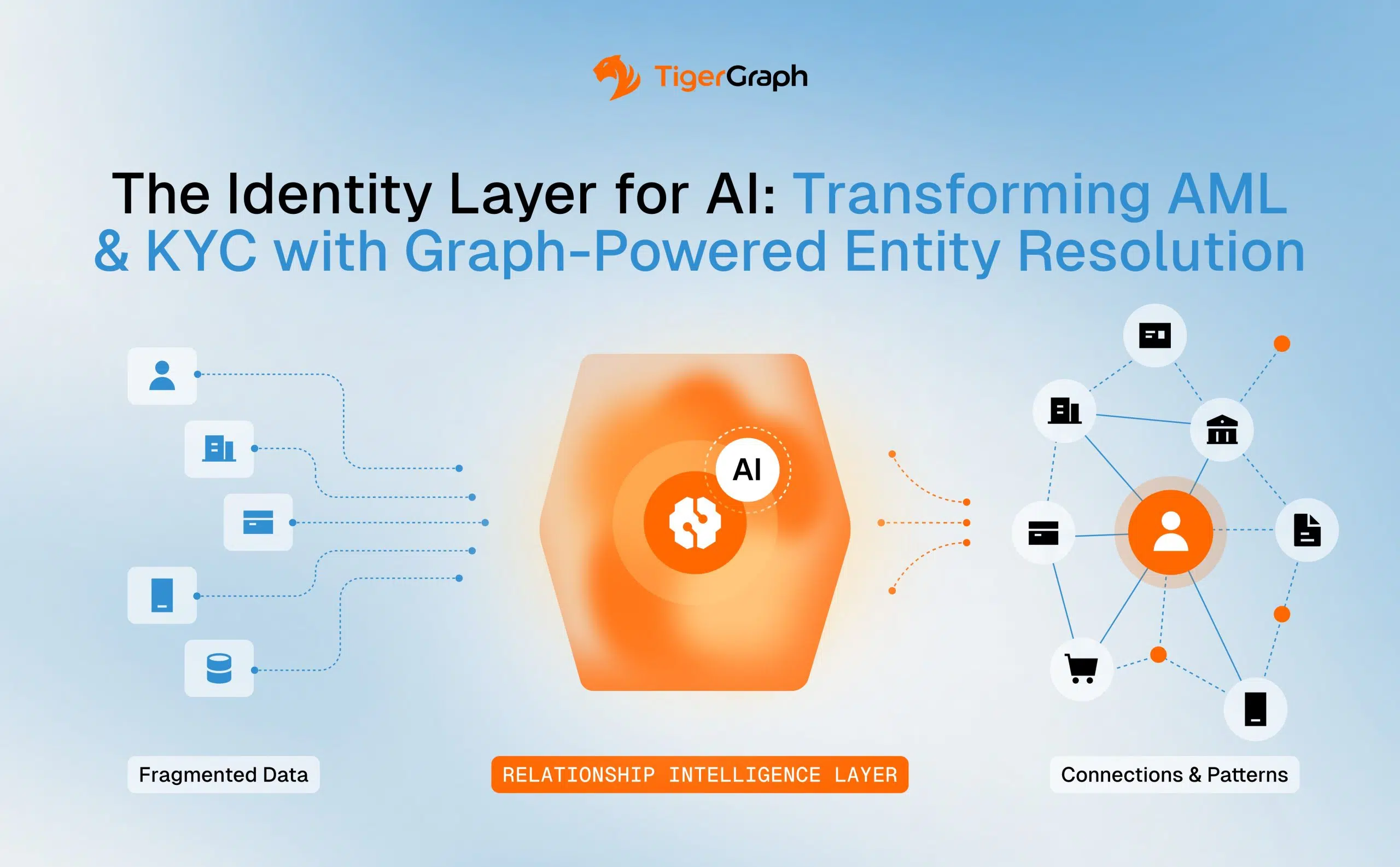
WebinarSep 23, 2026The Identity Layer for AI: Transforming AML & KYC with Graph-Powered Entity ResolutionDiscover
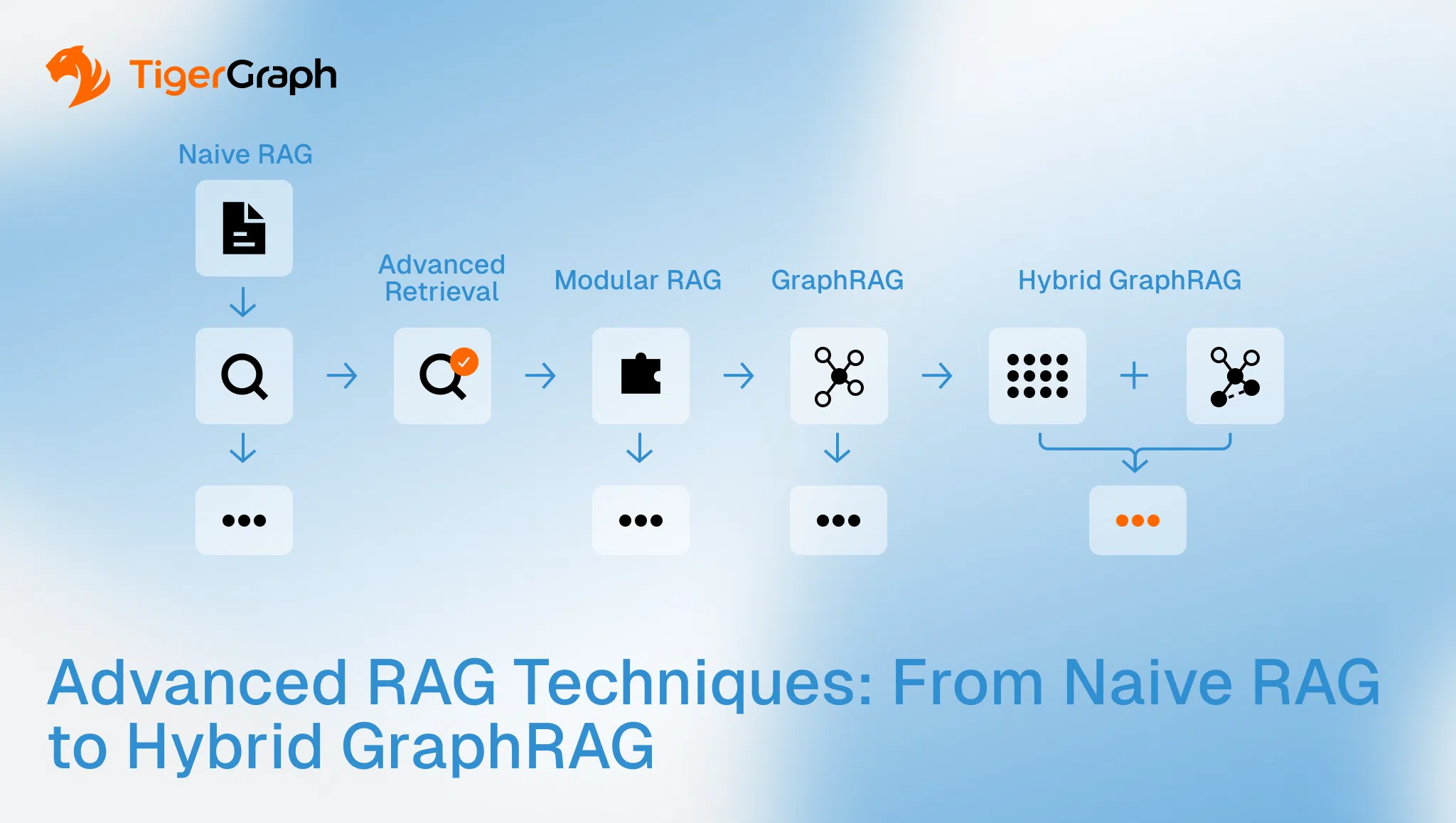
ConceptAug 4, 2026Advanced RAG Techniques: From Naive RAG to Hybrid GraphRAGDiscover advanced RAG techniques that fix retrieval quality ceilings, from chunking and re-ranking to GraphRAG and hybrid GraphRAG. Find the right architecture for your enterprise AI workload.Discover
ConceptConceptApr 10, 2026Multimodal EmbeddingsMultimodal embeddings are vector representations that allow different types of inputs, such as text and images, to be compared in the same space. Instead of creating separate representations for each format, a model maps text, images, or other inputs into a shared embedding space. When two items land close together inDiscover
ConceptBeginnerConceptApr 10, 2026Propagation in GraphsPropagation in graphs refers to the process of spreading status information, entity descriptions, computed values, or other data across connected entities within a network. In a graph, data is represented using nodes and edges. Nodes represent entities such as people, accounts, devices, or products. Edges represent the relationships connecting thoseDiscover
ConceptBeginnerConceptApr 10, 2026AccumulatorsAccumulators are shared data objects that can accept new data from multiple sources and produce an aggregate result based on all the contributions. In a graph algorithm, accumulators collect and combine information from many connected parts of the graph as it runs. In a graph, data is represented as nodes (entities suchDiscover