
TigerGraph
ResourcesPathfinderDiscord(opens in a new tab)
Resources

Everything, In One Wall

Videos, courses, hands-on tutorials, docs, and blog posts. One place for every phase of learning.

TigerGraph
ResourcesPathfinderDiscord(opens in a new tab)

© 2026 Tiger Graph Dev Hub. All rights reserved.

  • Privacy Policy|
  • Terms of Service

Applied · 5

Clear all
  • Docs
  • Code & samples
  • Blog posts
  • Release note
  • Concept

Levels

  • All Resources
  • Beginner
  • Intermediate
  • Advanced

Categories

  • Videos514
  • Docs644

107 resources · page 1 of 9

NewestOldest
3 Col Grid2 Col GridList
ConceptAug 4, 2026

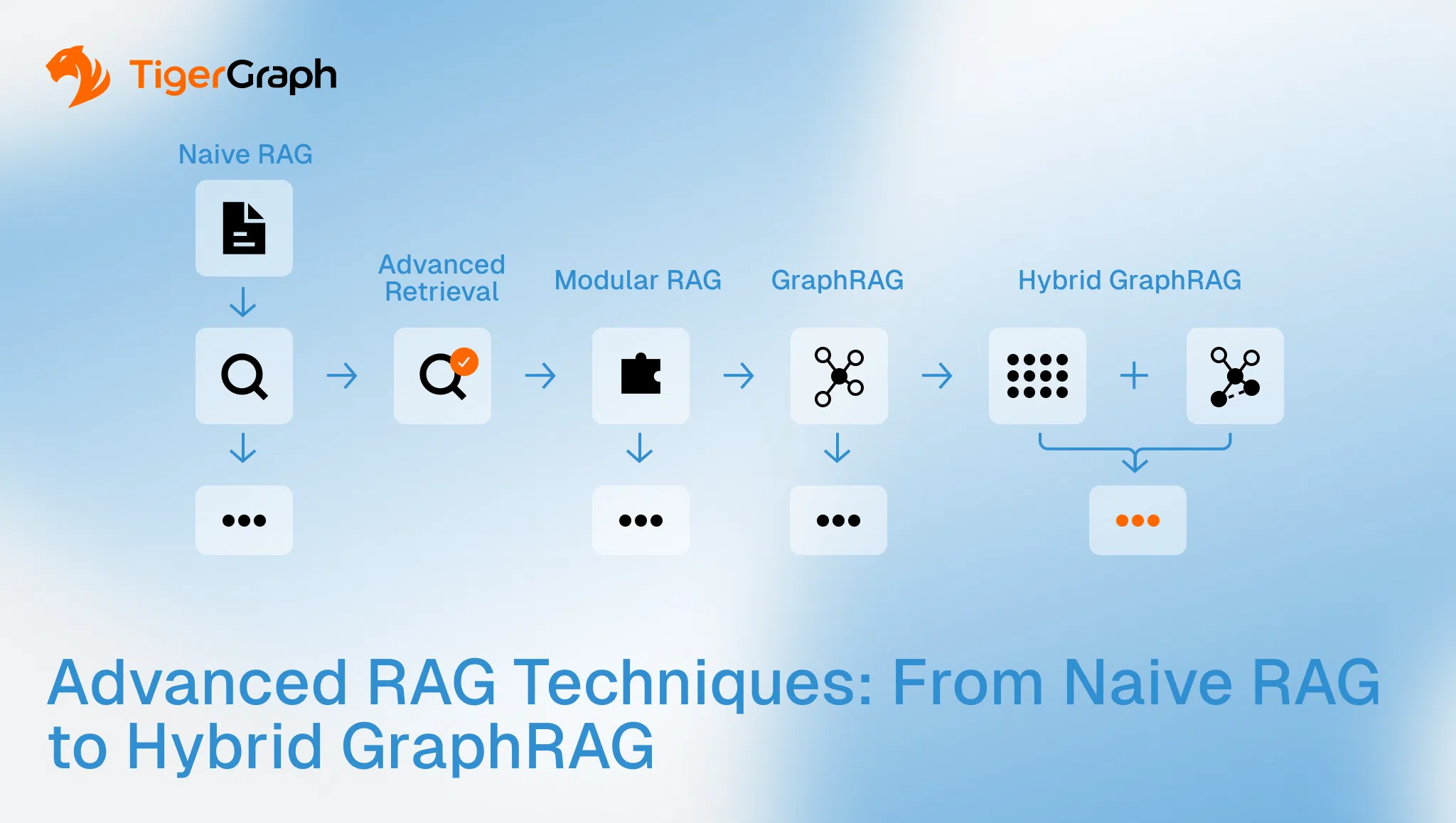
Advanced RAG Techniques: From Naive RAG to Hybrid GraphRAG

Glossary
50
  • Blog posts222
  • Code & samples126
  • Graph Resources52
  • Assets

    • Definition36
    • Tutorial113
    • How-to guide319
    • Reference312
    • Concept109
    • Troubleshooting12
    • Security advisory4
    • Runbook
    • Article173
    • Case study26
    • Talk298
    • Release note24
    • Demo114
    • Webinar12
    • Event12
    • Report24

    Tags

    • #Fraud and AML
    • #Entity resolution
    • #Recommendations
    • #GraphRAG and AI
    • #Graph machine learning
    • #Search
    • #Network analysis
    • #Performance and scale
    • #Running TigerGraph
    • #Evaluating graph

    Discover advanced RAG techniques that fix retrieval quality ceilings, from chunking and re-ranking to GraphRAG and hybrid GraphRAG. Find the right architecture for your enterprise AI workload.
    Discover
    AdvancedRelease noteJul 15, 2026

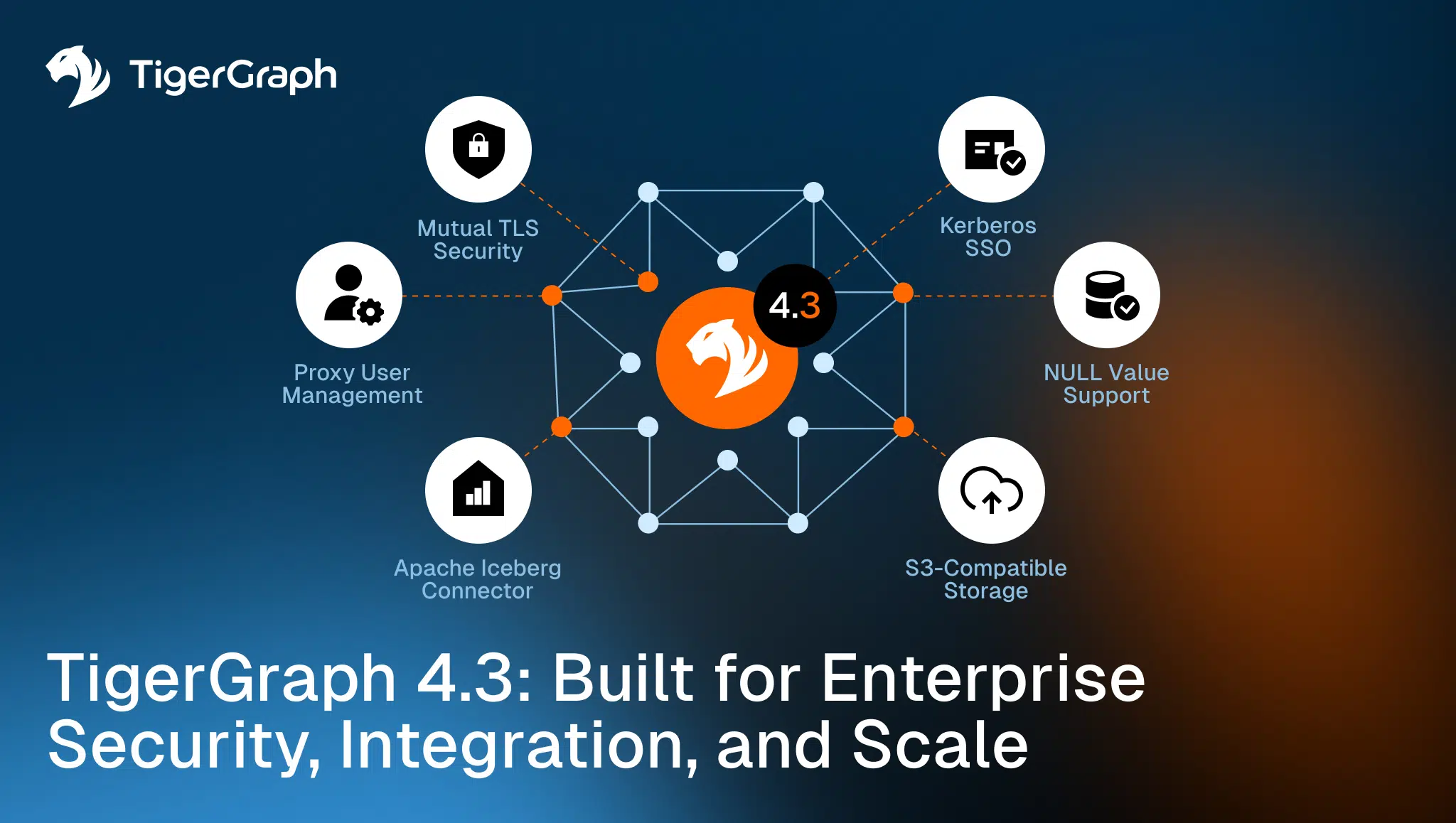
    TigerGraph 4.3: Built for Enterprise Security, Integration, and Scale

    Graph is becoming a core part of enterprise data and AI architecture. The next phase of graph adoption will not be determined only by what graph technology can do. It will be determined by how securely and seamlessly graph can operate within the enterprise. The real

    Discover
    ConceptFeb 27, 2026

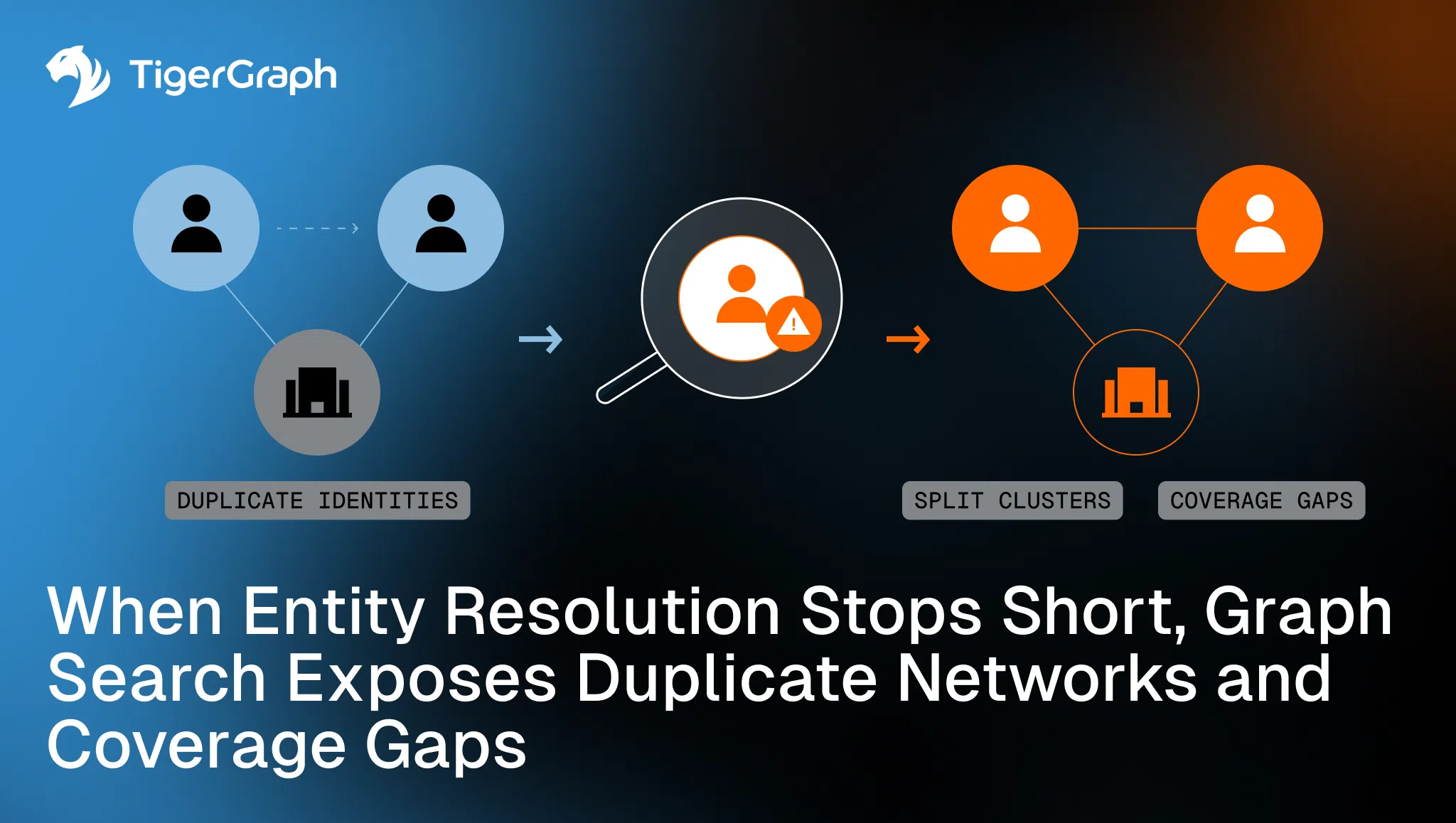
    When Entity Resolution Stops Short, Graph Search Exposes Duplicate Networks and Coverage Gaps

    Entity resolution (ER) quality issues surface as blind spots. They could be duplicate identities that never converge, clusters that should be connected but are not, or networks that stop expanding even though relevant data exists. These failures are difficult to detect because

    Discover
    ConceptFeb 20, 2026

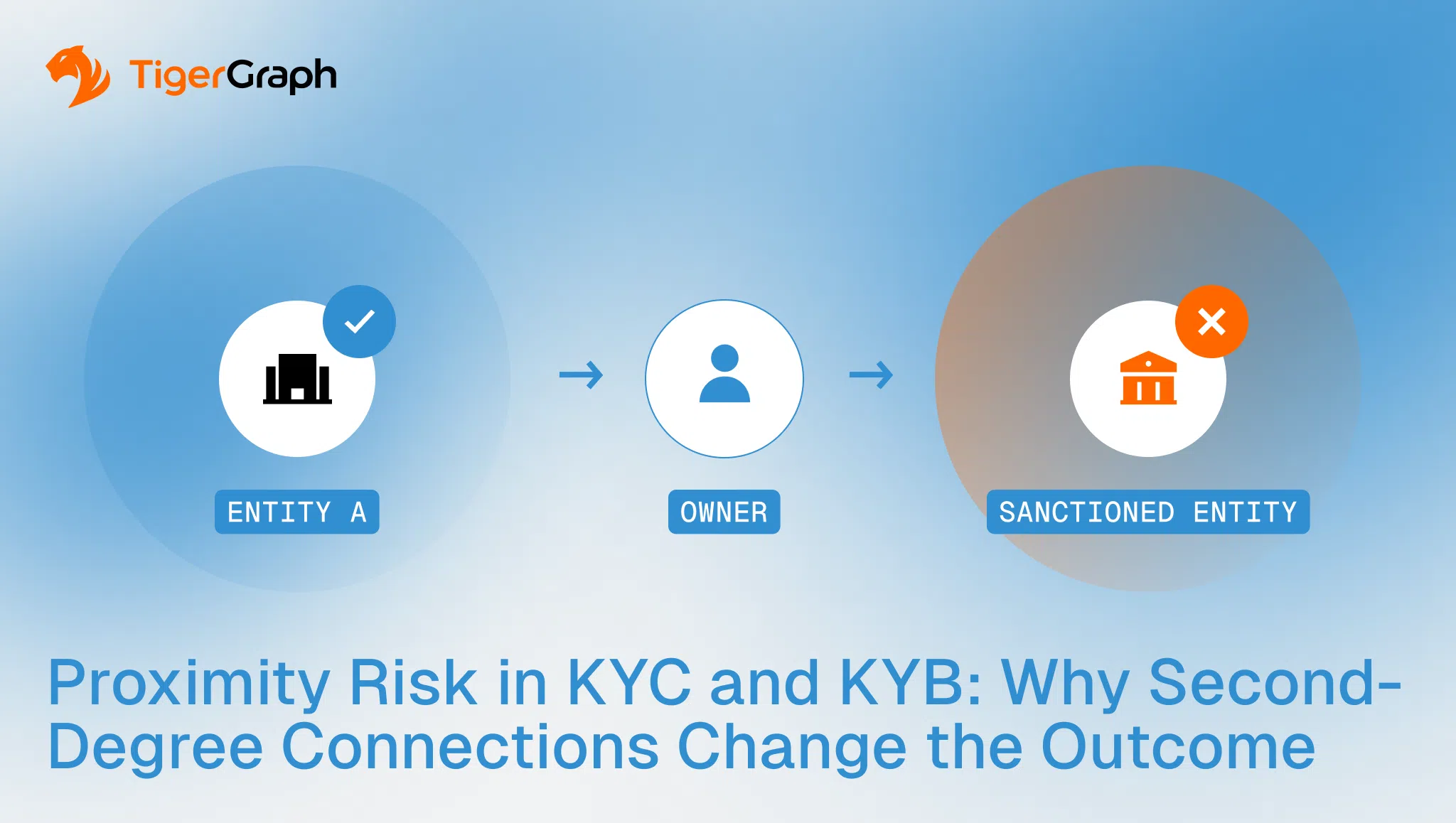
    Proximity Risk in KYC and KYB: Why Second-Degree Connections Change the Outcome

    Most know-your-customer (KYC) and know-your-business (KYB) reviews focus on the entity being evaluated. The core question is straightforward. Does this customer, business or counterparty present unacceptable risk? That framing works when risk is contained within the entity itself. It becomes incomplete when relevant

    Discover
    ConceptJan 28, 2026

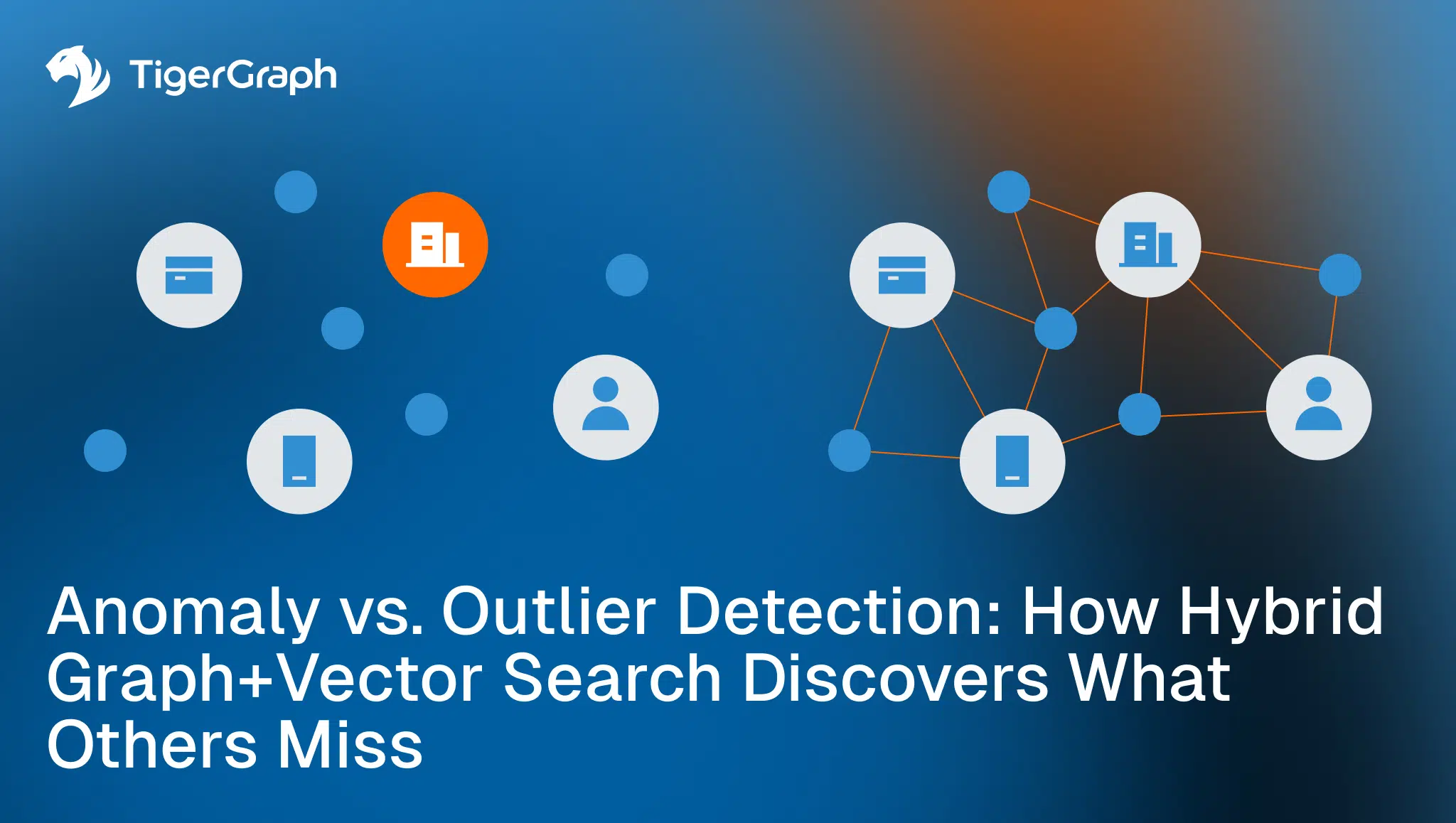
    Anomaly vs. Outlier Detection: How Hybrid Graph+Vector Search Discovers What Others Miss

    The terms anomaly detection and outlier detection are often used interchangeably, but they represent two distinct strategies for identifying irregularities in data. Understanding the difference is foundational to building effective detection models, especially in critical areas like fraud prevention, cybersecu

    Discover
    ConceptJan 22, 2026

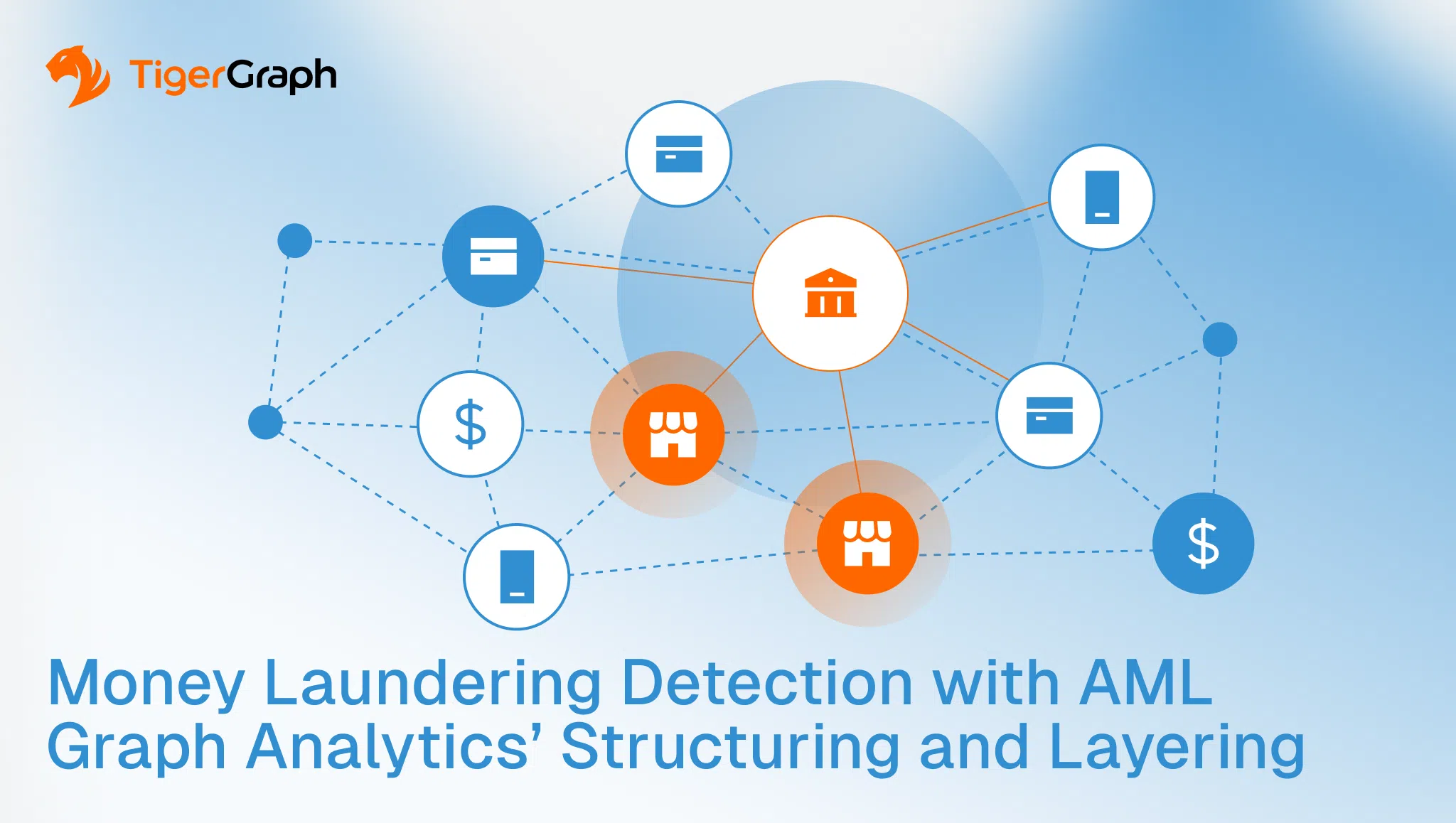
    Money Laundering Detection with AML Graph Analytics’ Structuring and Layering

    Funds move through accounts, intermediaries, shell companies and payment channels in ways designed to break the trail. Traditional transaction monitoring tools flag isolated events but miss suspicious activity patterns that are part of a bigger story and only make sense when you view related accounts,

    Discover
    BeginnerConceptJan 8, 2026

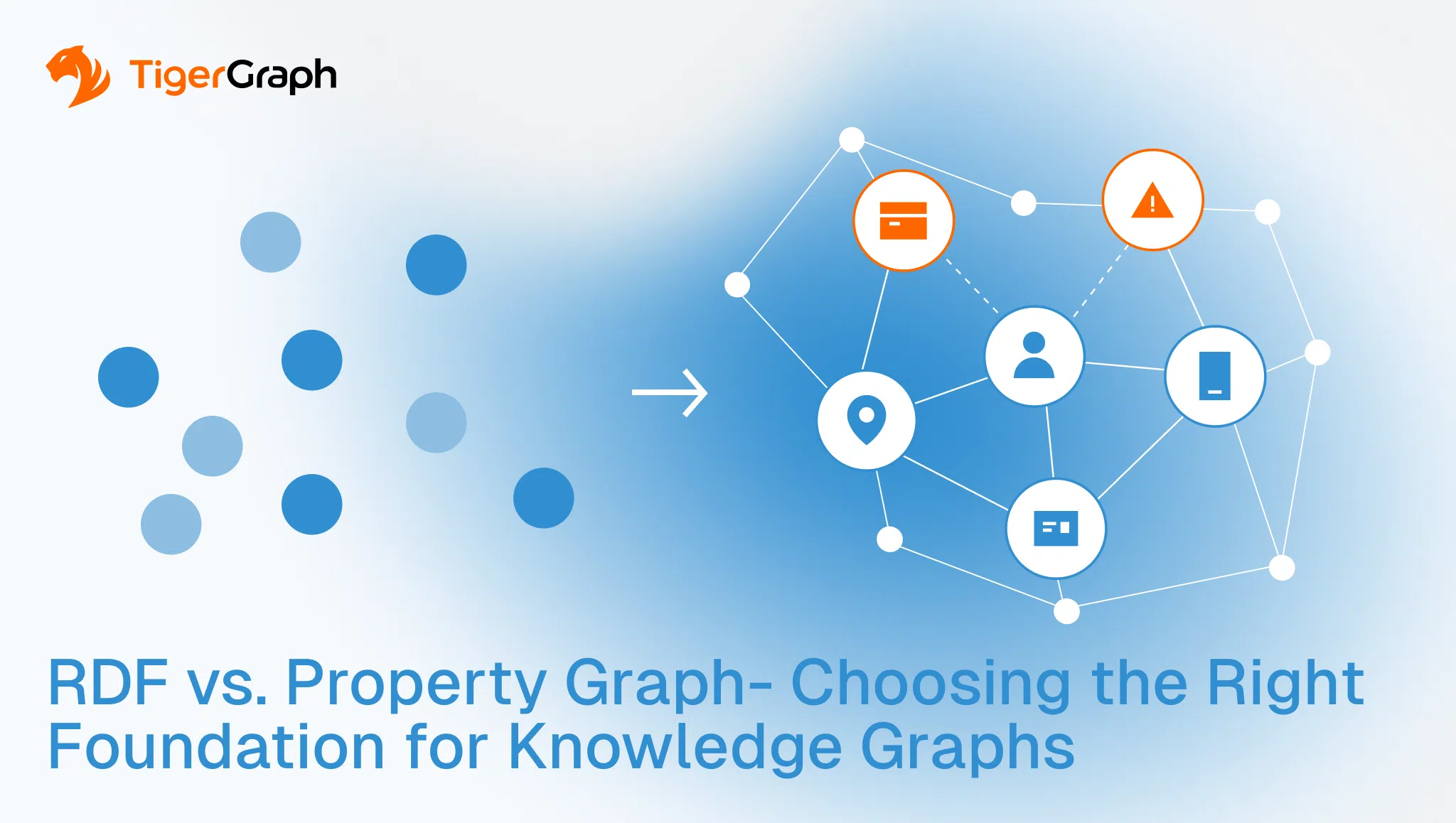
    RDF vs. Property Graph: Choosing the Right Foundation for Knowledge Graphs

    Every organization that builds a knowledge graph faces the same architectural crossroads at some point. Should the system use RDF for semantic precision, or a property graph for analytical performance? This choice determines so much, like how relationships are represented and how queries scale.

    Discover
    ConceptJan 7, 2026

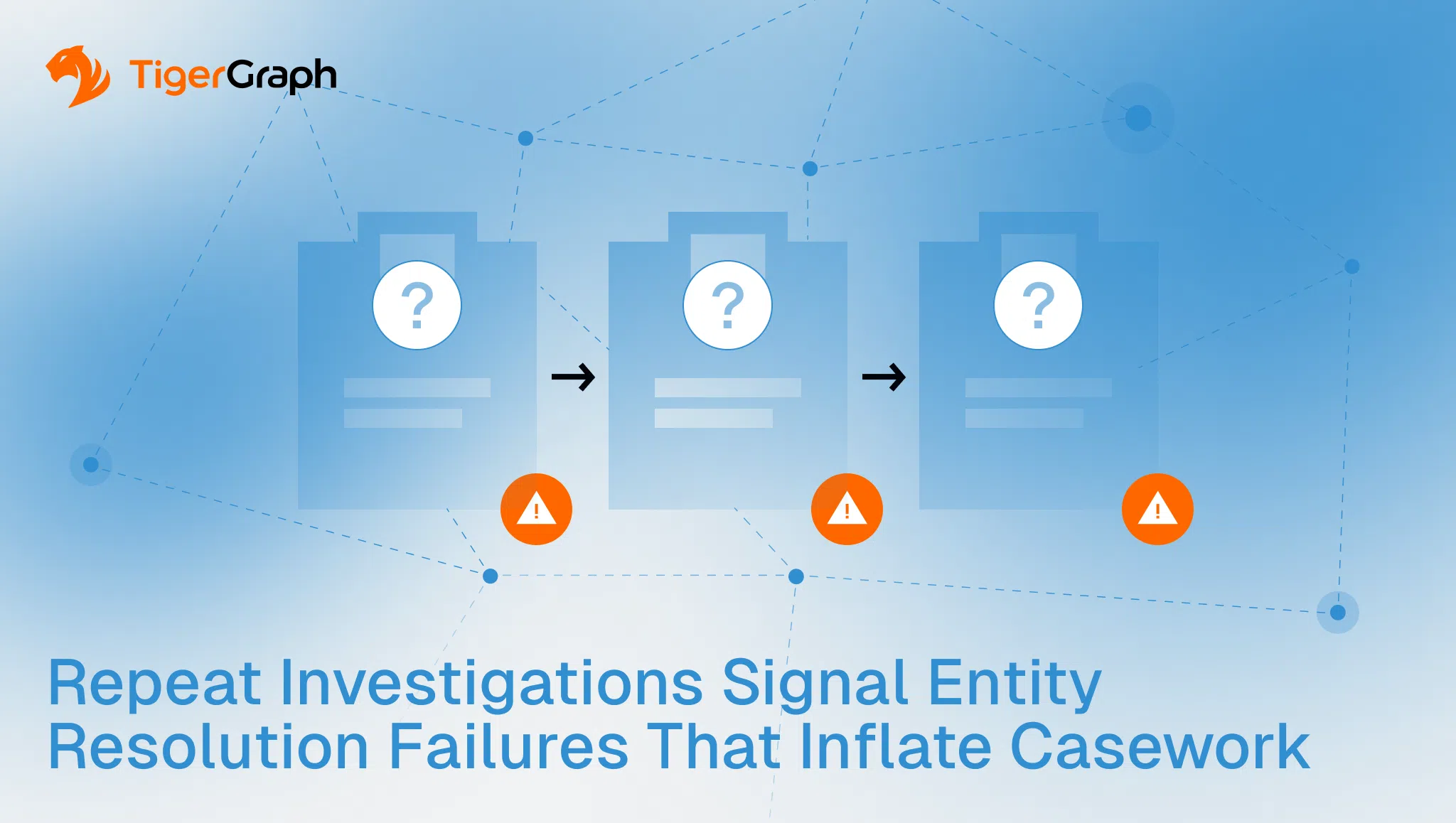
    Repeat Investigations Signal Entity Resolution Failures That Inflate Casework

    When the same cases keep coming back, the problem is identity continuity. Repeat investigations often signal that entity resolution is not stable enough to carry decisions forward across workflows or over time. Prior outcomes cannot be reused with confidence, so the same exposure is reviewed again

    Discover
    BeginnerConceptOct 22, 2025

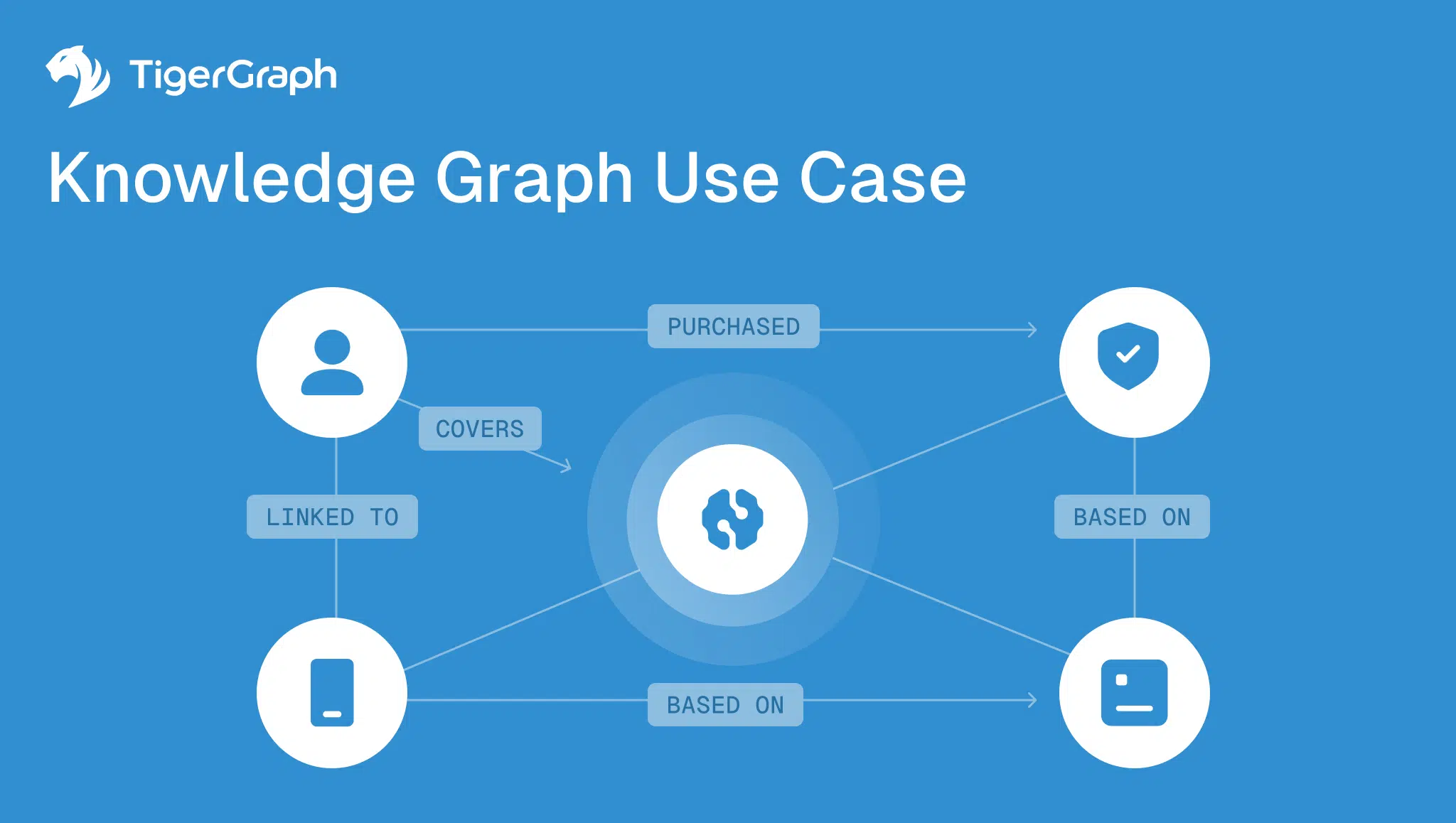
    How Knowledge Graphs Reveal Meaning Hidden in Enterprise Data

    Traditional analytics systems focus on isolated data points, but context gives information meaning. From customer insight to fraud detection, every decision depends on understanding relationships across systems. That’s why knowledge graph use cases are transforming enterprise data strategy. They connect people, processes, and events to

    Discover
    BeginnerConceptOct 20, 2025

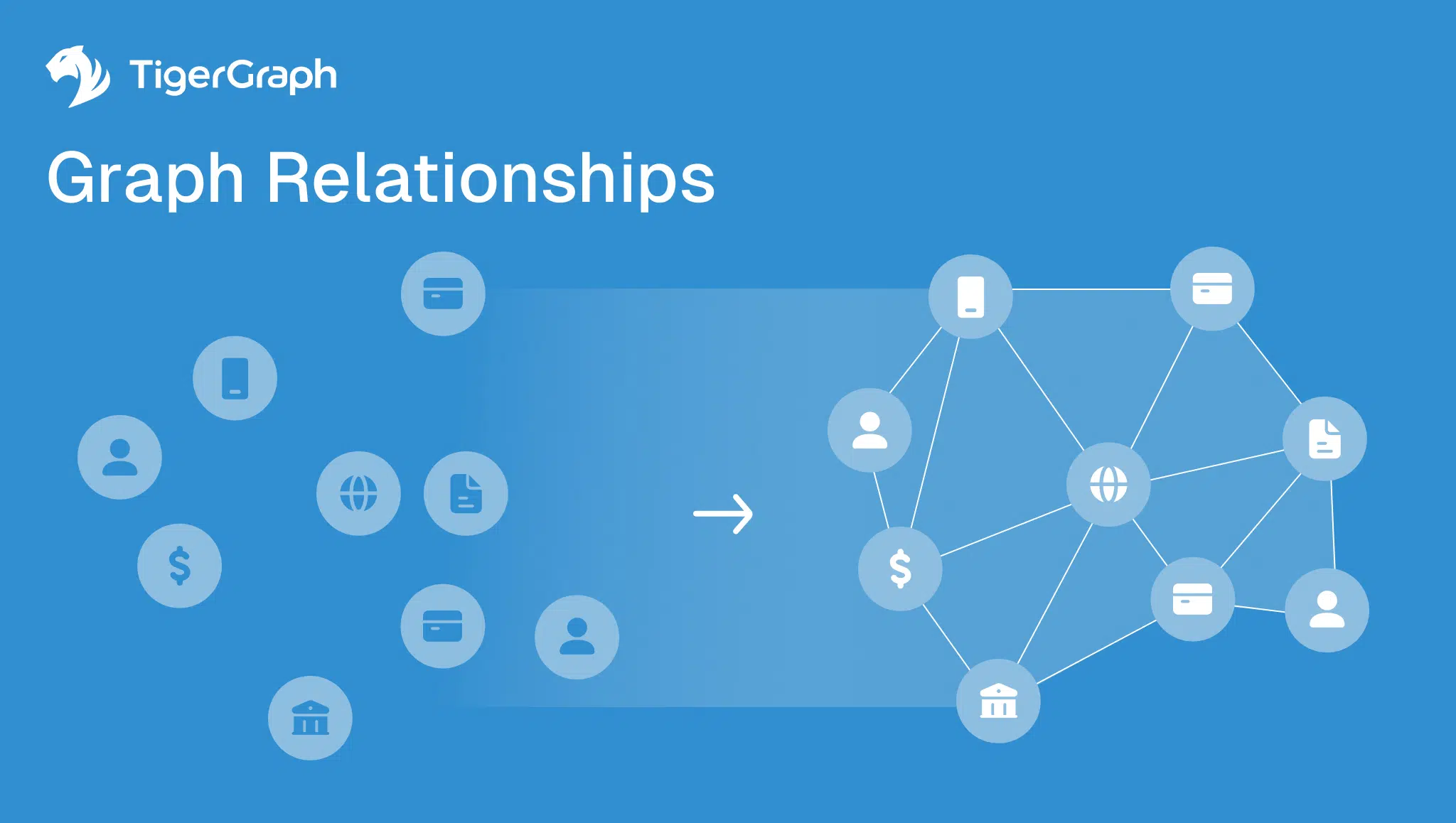
    The Power of Graph Relationships: Turning Isolated Data into Connected Insights

    Enterprises do not suffer from a lack of data, but they do suffer from data silos and a lack of connection. Context is lost. Adding relationships to the data solves this problem. Graph relationships map how people, accounts, devices, suppliers, and policies interact. And

    Discover
    AdvancedConceptOct 13, 2025

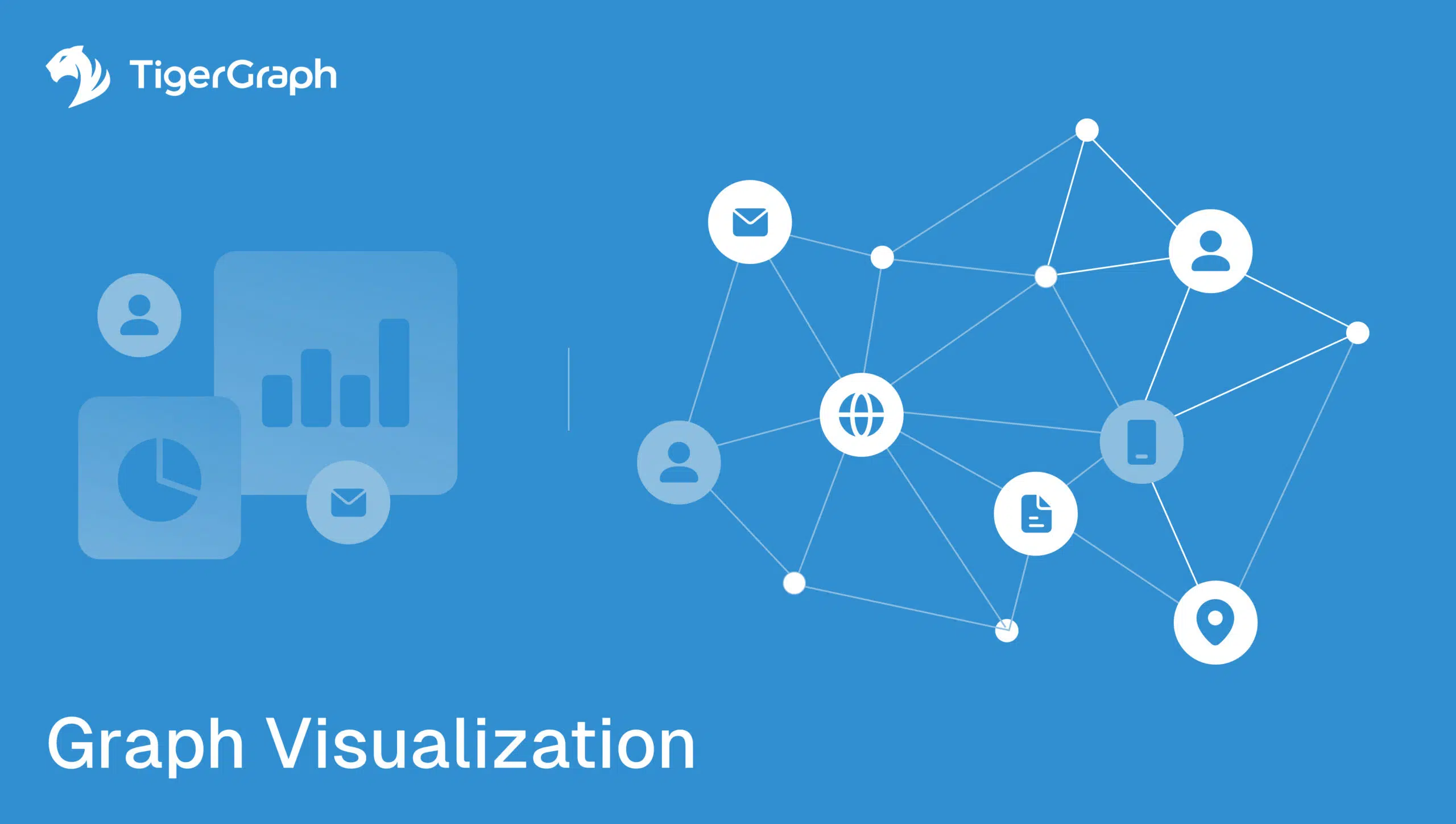
    From Data Chaos to Clarity: Why Graph Visualization Powers Smarter Decisions

    Every enterprise has an overabundance of data to contend with, and making sense of it all is challenging. Dashboards multiply, reports pile up, and somewhere in the noise, the real story gets lost. Leaders don’t struggle with access to information; they struggle with clarity.

    Discover
    AdvancedConceptOct 10, 2025

    Reducing AI Hallucinations: Why LLMs Need Knowledge Graphs for Accuracy

    Every AI leader wants helpful assistants, not confident liars. Large language models (LLMs) are powerful, but without guardrails, they hallucinate, improvise sources, and miss context across systems. Pairing LLMs and knowledge graphs fixes that gap. This architecture turns raw generation into grounded reasoning: the model

    Discover
    1234…9