TigerGraph
ResourcesPathfinderDiscord(opens in a new tab)
Resources

Everything, In One Wall

Videos, courses, hands-on tutorials, docs, and blog posts. One place for every phase of learning.

TigerGraph
ResourcesPathfinderDiscord(opens in a new tab)

© 2026 Tiger Graph Dev Hub. All rights reserved.

  • Privacy Policy|
  • Terms of Service

Applied · 3

Clear all
  • Blog posts
  • Docs
  • Code & samples

Levels

  • All Resources
  • Beginner
  • Intermediate
  • Advanced

Categories

  • Videos514
  • Docs644
  • Glossary50
  • Blog posts222

Assets

  • Definition36
  • Tutorial113
  • How-to guide319
  • Reference312

Tags

  • #Fraud and AML
  • #Entity resolution
  • #Recommendations
  • #GraphRAG and AI
  • #Graph machine learning
  • #Search
  • #Network analysis
  • #Performance and scale
  • #Running TigerGraph

992 resources · page 9 of 83

NewestOldest
3 Col Grid2 Col GridList
ArticleApr 7, 2026

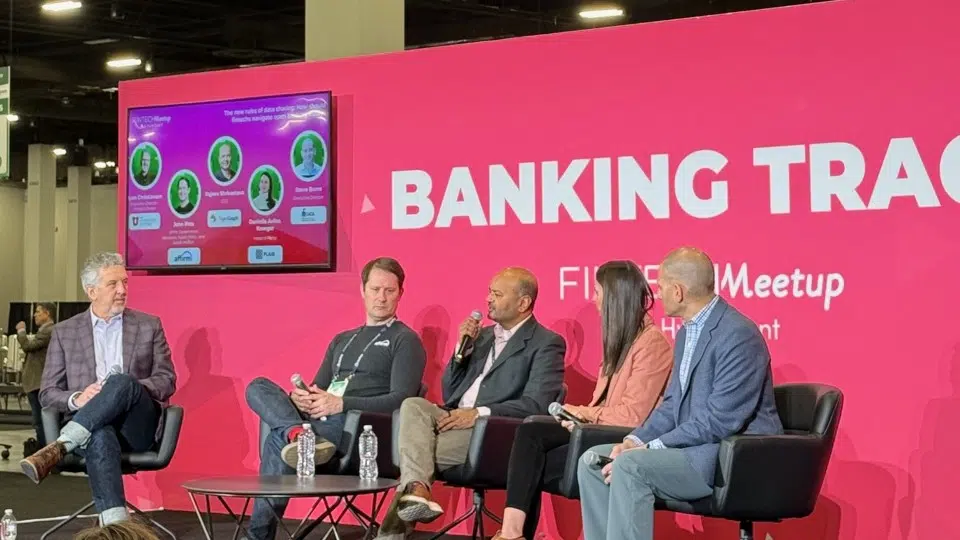
From Compliance to Competitive Moat: Takeaways from Fintech Meetup 2026

Last week at Fintech Meetup 2026 in Las Vegas, the atmosphere was a clear signal: open banking has moved from experimentation to infrastructure. I had the privilege of joining the panel, “The new rules of data sharing: how should fintechs navigate open banking today?” alongside

Code & samples
126
  • Graph Resources52
  • Concept
    109
  • Troubleshooting12
  • Security advisory4
  • Runbook
  • Article173
  • Case study26
  • Talk298
  • Release note24
  • Demo114
  • Webinar12
  • Event12
  • Report24
  • #Evaluating graph
  • Discover
    ArticleMar 17, 2026

    TigerGraph Welcomes Rohit Chauhan, Former Mastercard EVP of AI & Fraud, as Strategic Advisor

    Former Mastercard fraud leader joins TigerGraph to help financial institutions detect complex fraud networks and modernize financial crime detection. TigerGraph today announced that Rohit Chauhan, former Executive Vice President of AI and Fraud at Mastercard, has joined the company as a

    Discover
    AdvancedArticleMar 10, 2026

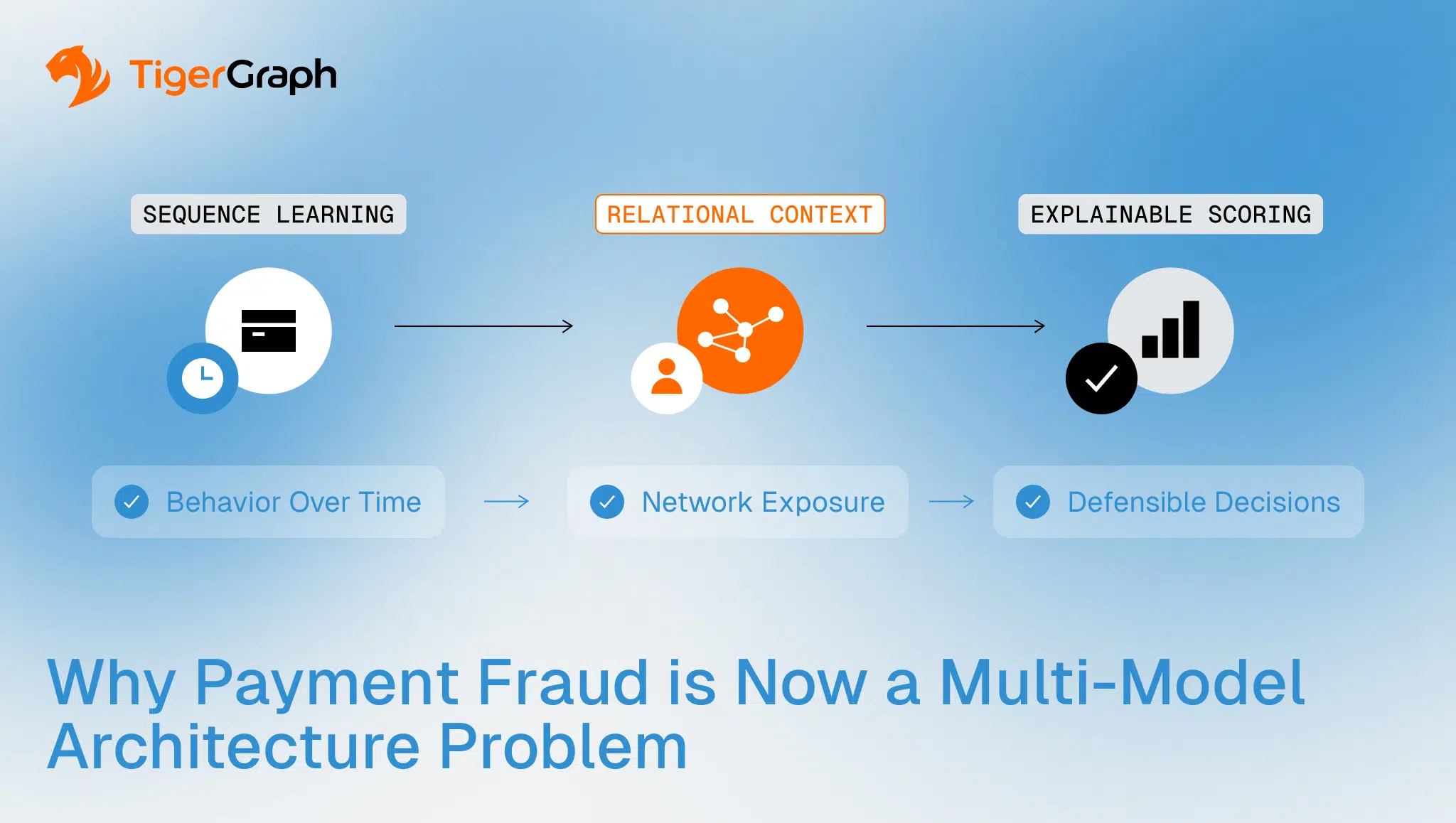
    Why Payment Fraud Is Now a Multi-Model Architecture Problem

    Fraud detection has outgrown single-model thinking. For years, institutions focused on improving individual models with better algorithms, more data and higher accuracy. That approach delivered incremental gains, but fraud evolved just as quickly. It now spreads across timelines, devices, merchants and coordinated networks, so optimizing

    Discover
    ArticleMar 5, 2026

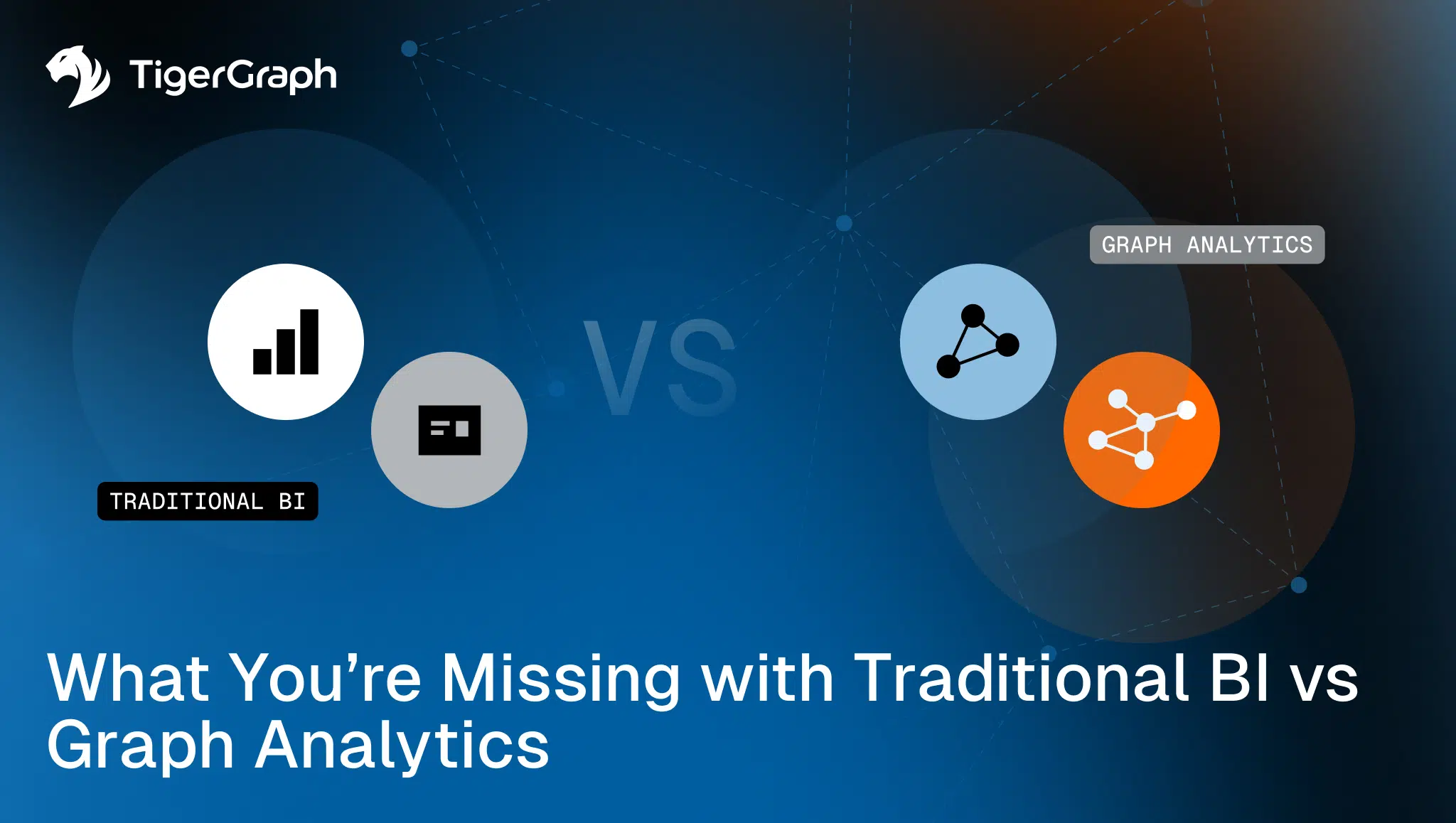
    What You’re Missing with Traditional BI vs Graph Analytics

    Most organizations feel confident in their data strategy because they have dashboards. The metrics are visible, the KPIs are tracked and trends are updated daily. On the surface, leadership appears to have a clear understanding of what is happening within the business. But dashboards are designed

    Discover
    ArticleMar 3, 2026

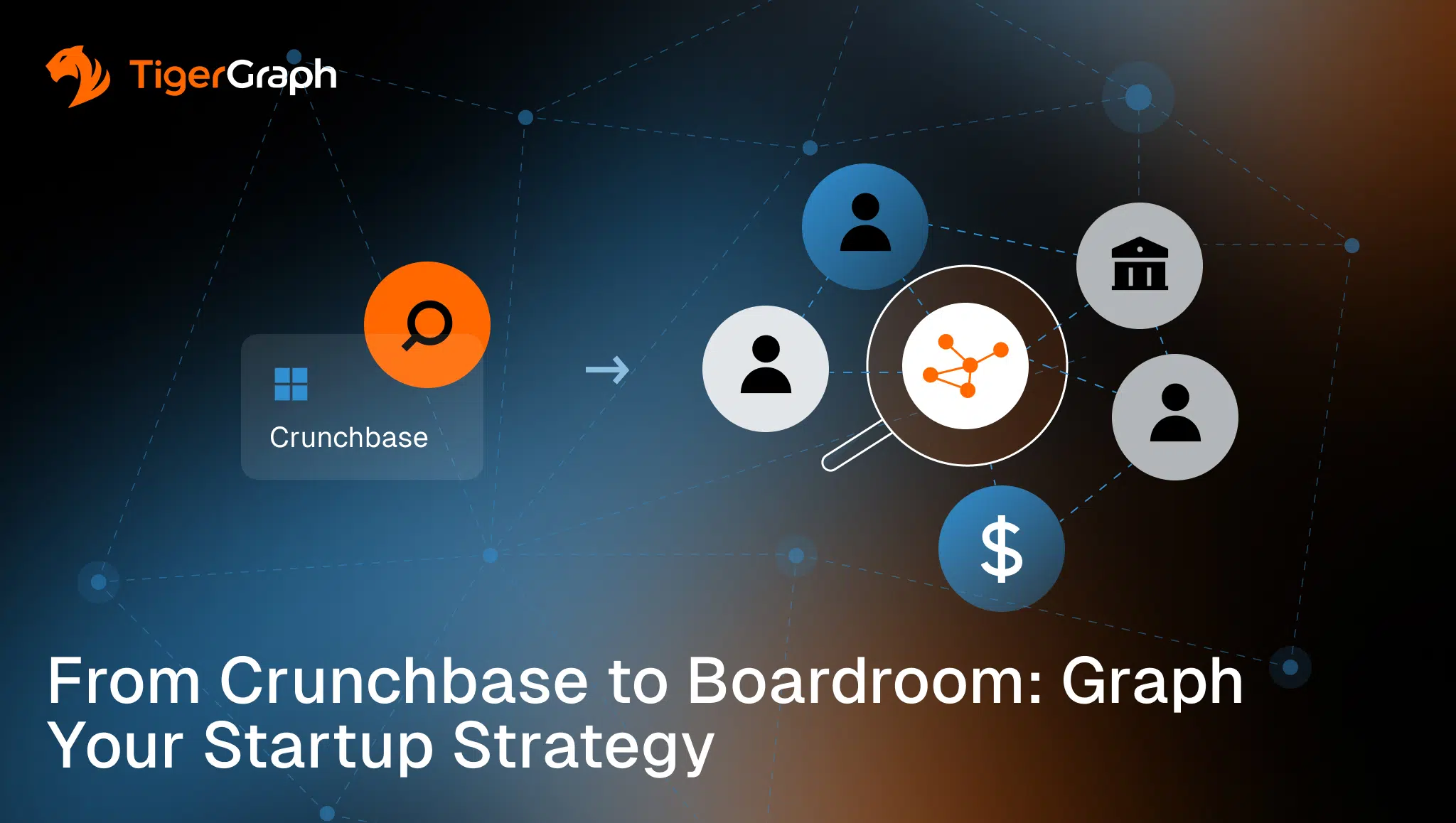
    From Crunchbase to Boardroom: Graph Your Startup Strategy

    Open Crunchbase and you can scroll through thousands of funding rounds in minutes to see valuations, investor lists, exit events and ownership percentages. The data feels comprehensive. Board decks pull from the same records. Spreadsheets compare companies side by side and on paper, it looks complete. But

    Discover
    ConceptFeb 27, 2026

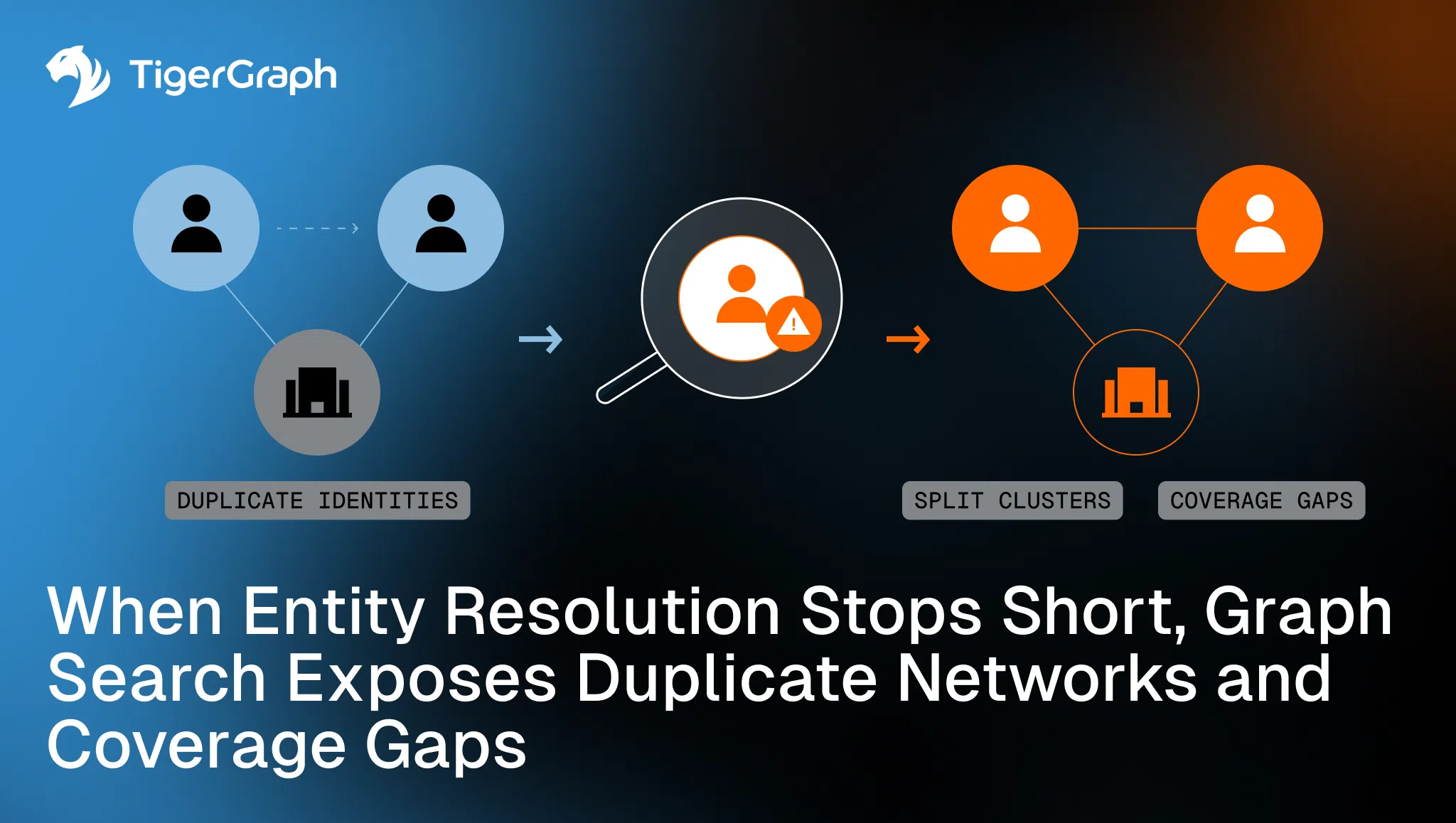
    When Entity Resolution Stops Short, Graph Search Exposes Duplicate Networks and Coverage Gaps

    Entity resolution (ER) quality issues surface as blind spots. They could be duplicate identities that never converge, clusters that should be connected but are not, or networks that stop expanding even though relevant data exists. These failures are difficult to detect because

    Discover
    How-to guideFeb 25, 2026

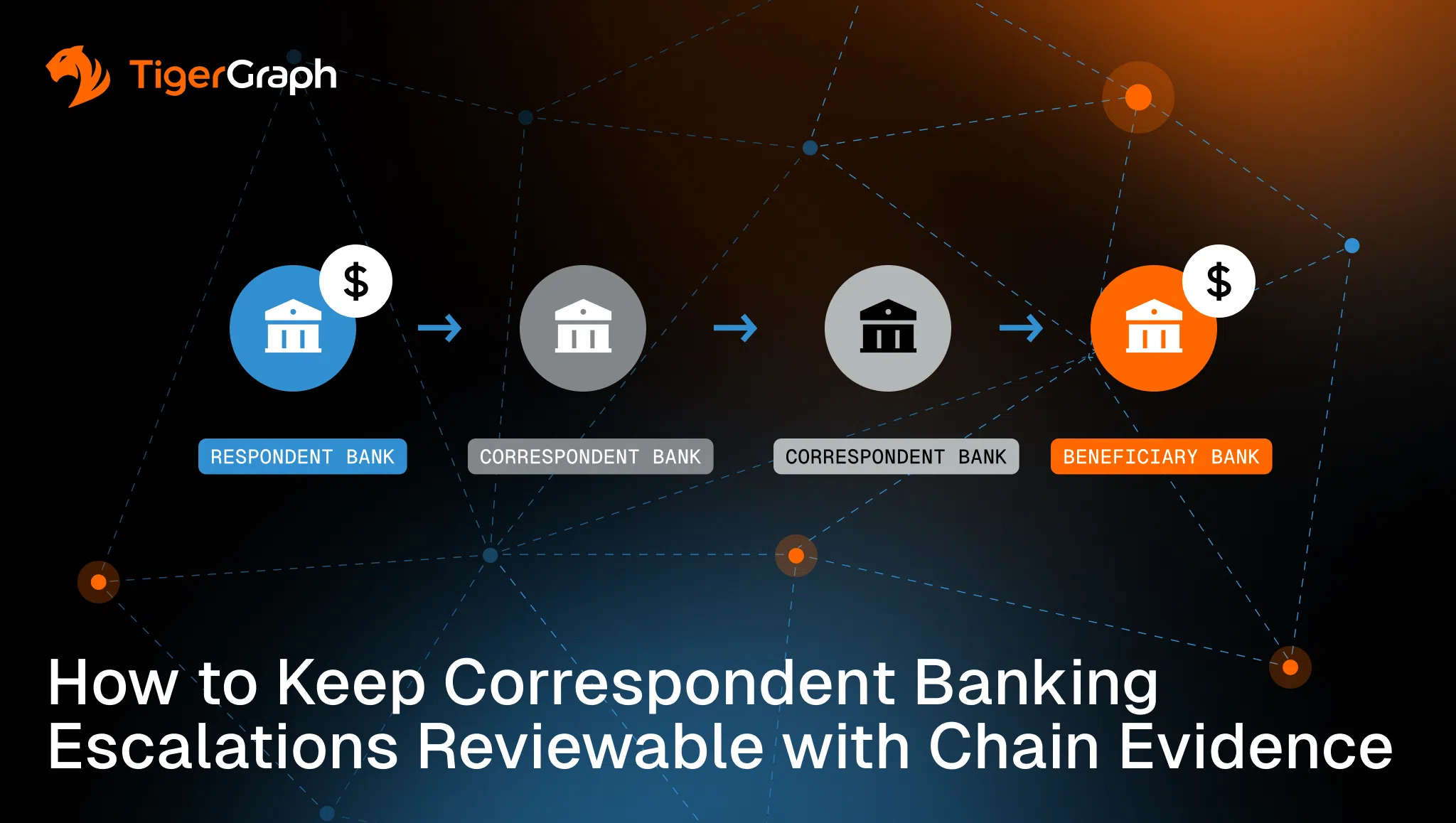
    How to Keep Correspondent Banking Escalations Reviewable with Chain Evidence

    Many escalation decisions in correspondent banking are unknowingly made in the dark, as they often depend on relationship chains that are not visible in the transaction record. Teams need a way to retrieve a broader chain quickly and preserve it as evidence so reviewers can

    Discover
    How-to guideFeb 20, 2026

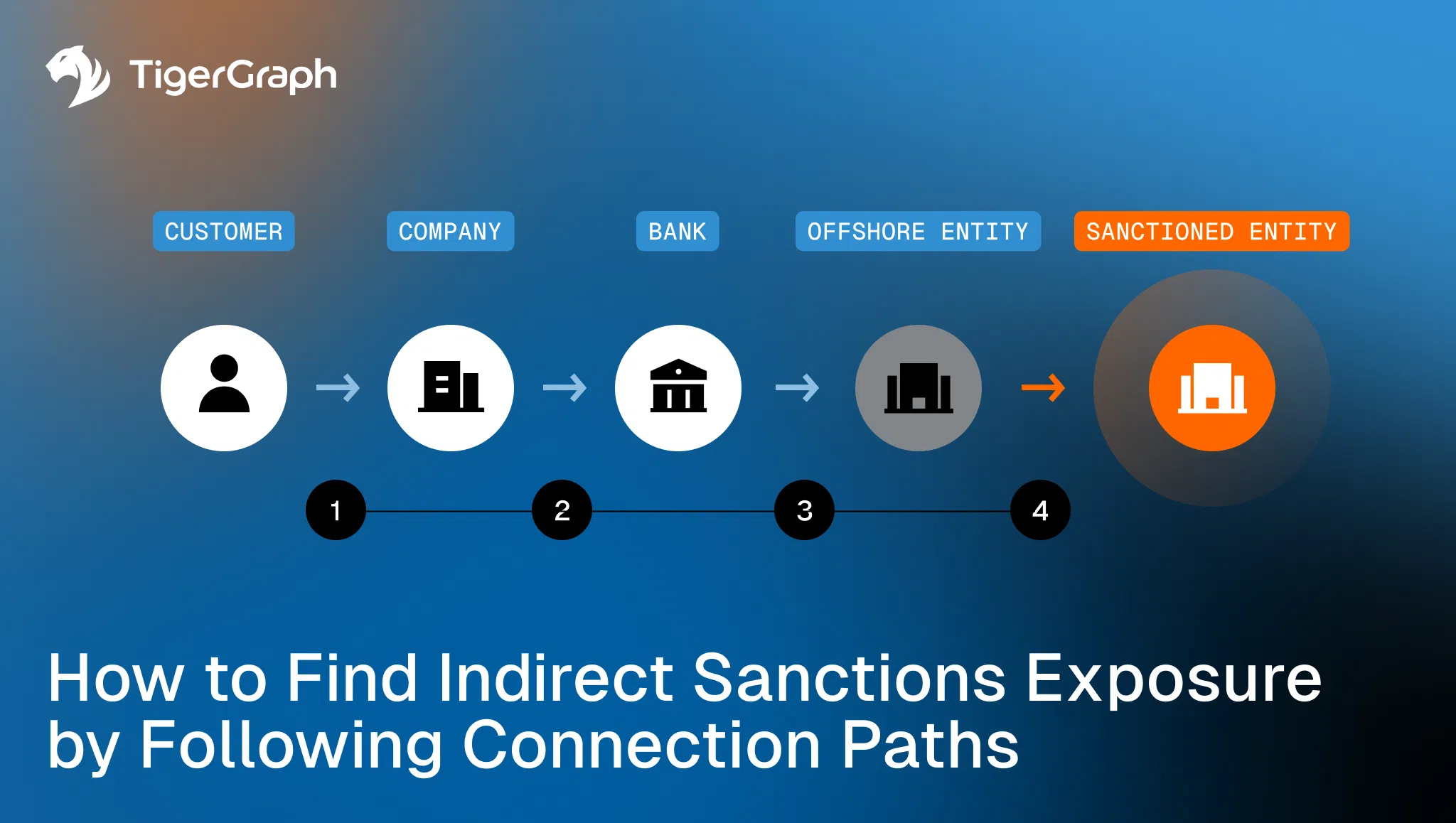
    How to Find Indirect Sanctions Exposure by Following Connection Paths

    Sanctions exposure often does not show up as a clean match to a name on a list. It shows up one or two relationship steps away, through intermediaries, ownership layers, shared infrastructure, or routing choices that only become clear when you follow the chain. Direct

    Discover
    ConceptFeb 20, 2026

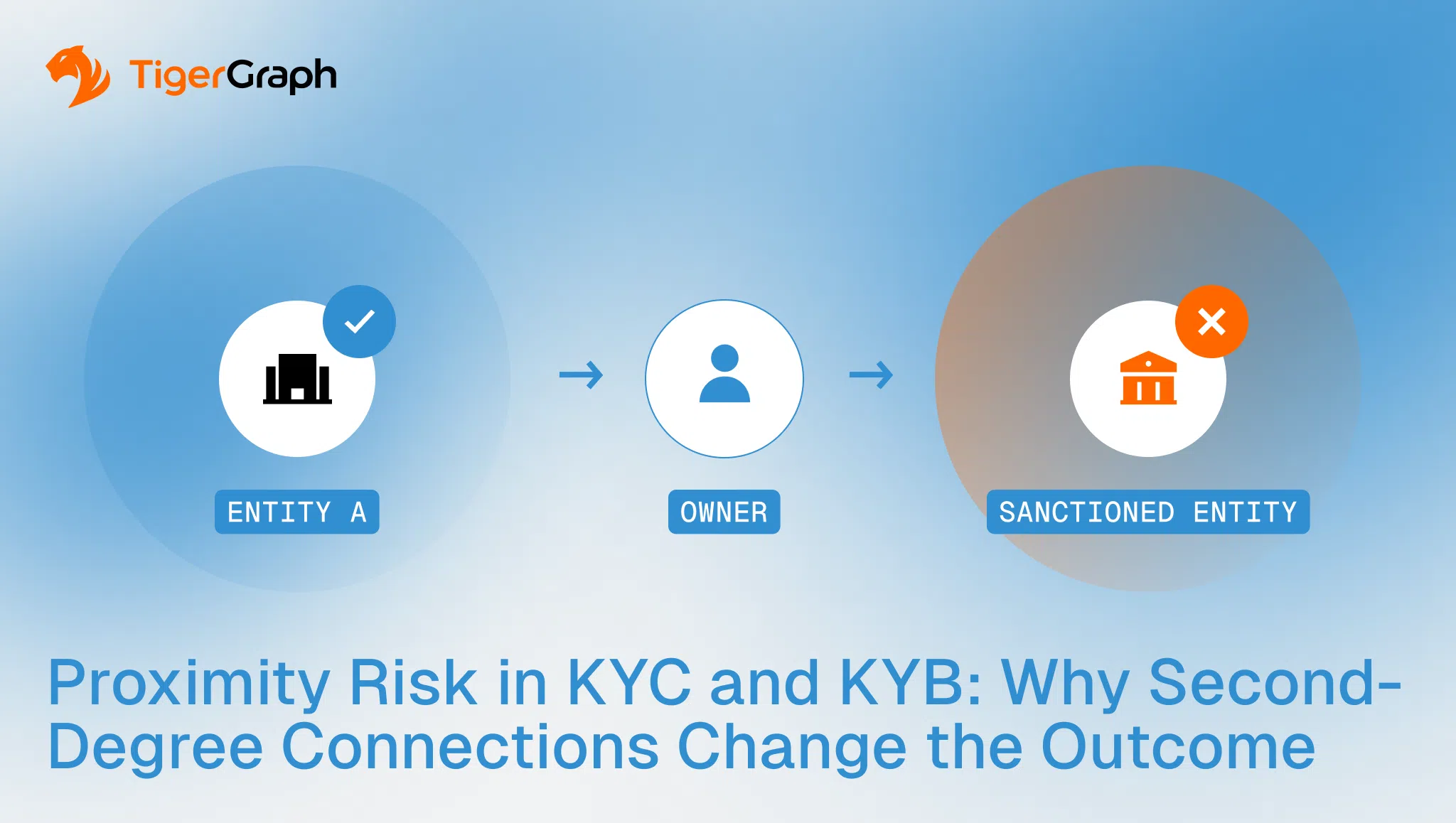
    Proximity Risk in KYC and KYB: Why Second-Degree Connections Change the Outcome

    Most know-your-customer (KYC) and know-your-business (KYB) reviews focus on the entity being evaluated. The core question is straightforward. Does this customer, business or counterparty present unacceptable risk? That framing works when risk is contained within the entity itself. It becomes incomplete when relevant

    Discover
    DefinitionFeb 13, 2026

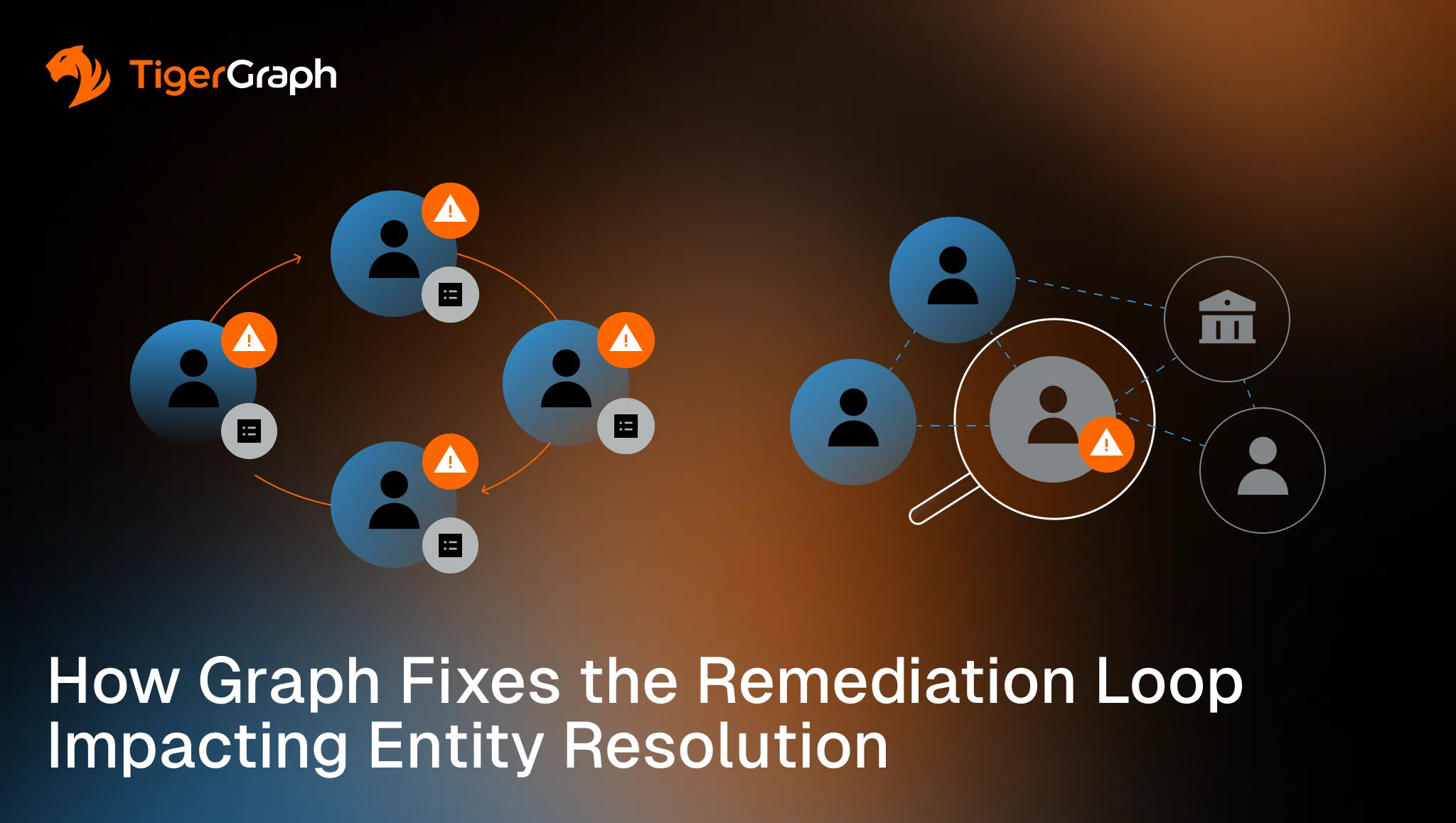
    How Graph Fixes the Remediation Loop Impacting Entity Resolution

    Remediation is supposed to be temporary. Alerts are investigated, issues are corrected, and over time, similar problems should appear less frequently because prior work carries forward. When that does not happen, though, remediation becomes a loop. The same entity types reappear, the same inconsistencies resurface and

    Discover
    BeginnerDefinitionFeb 11, 2026

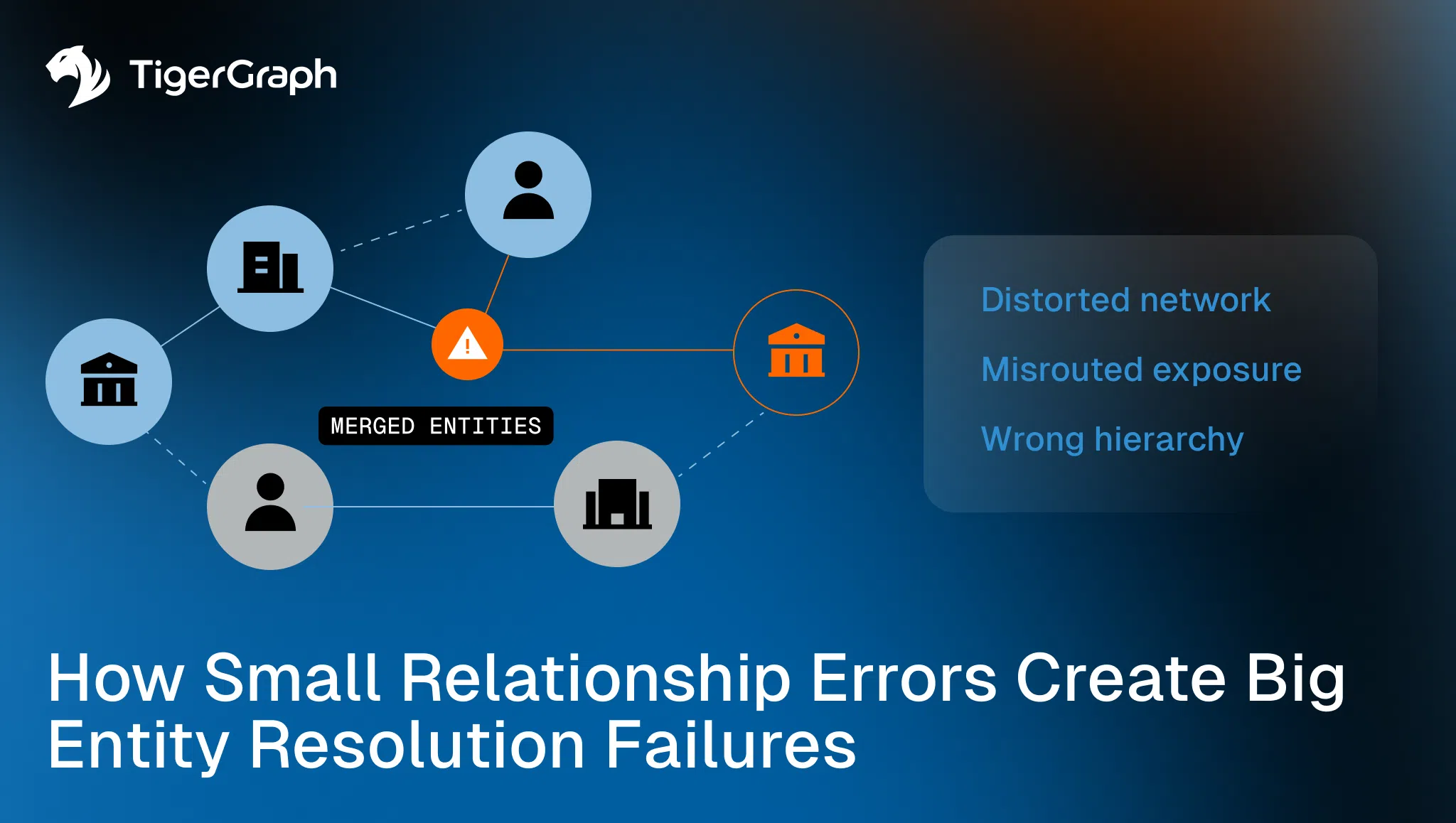
    How Small Relationship Errors Create Big Entity Resolution Failures

    Entity resolution is often discussed as a record-matching problem, with a focus on which records belong together and which do not. But many resolution failures have less to do with the records themselves and more to do with the relationships that connect them. In graph-based systems,

    Discover
    DefinitionFeb 6, 2026

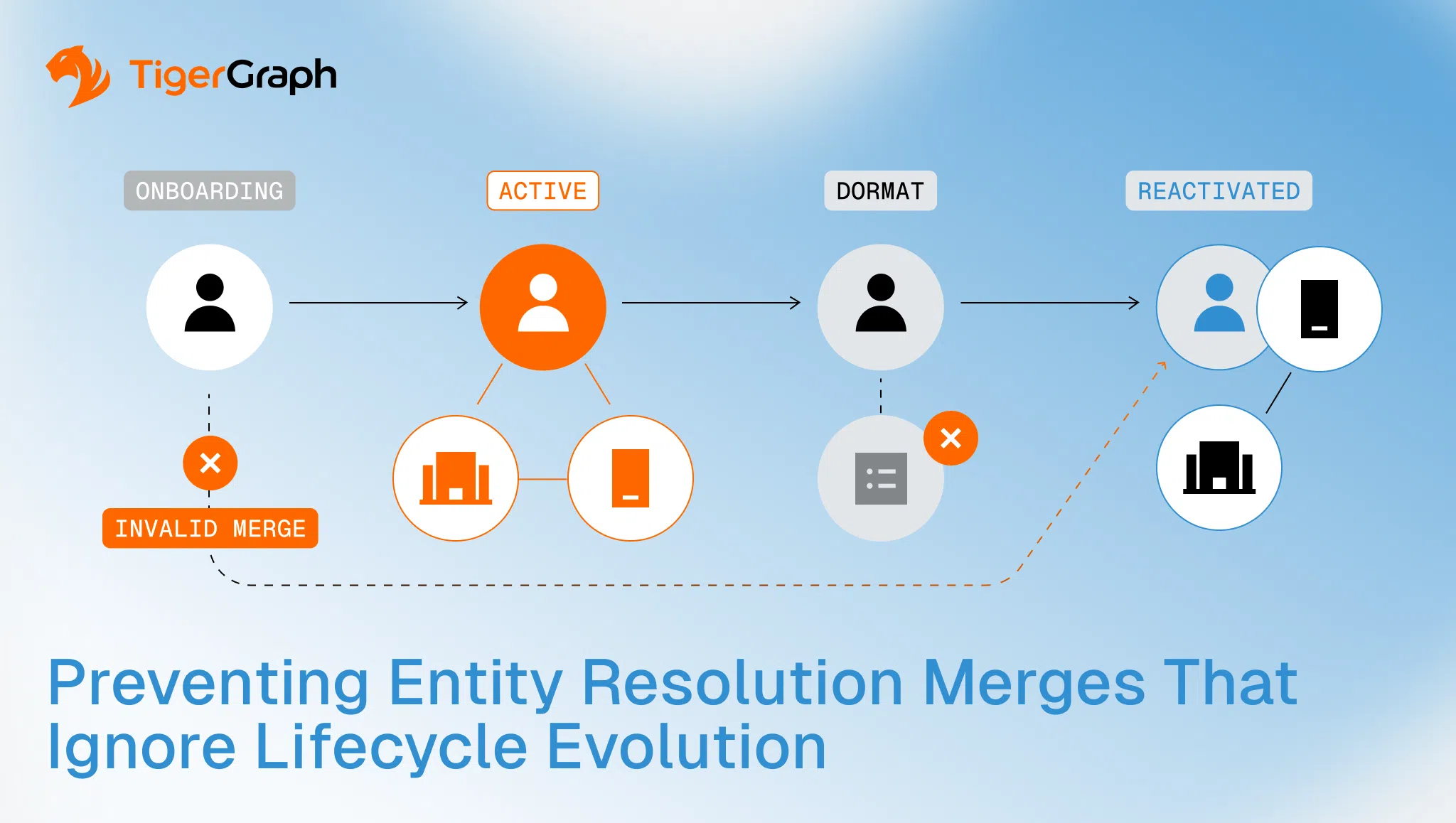
    Preventing Entity Resolution Merges That Ignore Lifecycle Evolution

    It feels logical to treat entity resolution as a convergence problem. As records arrive over time and attributes accumulate, confidence increases. Eventually, everything that belongs together is merged into a single, stable entity. But that model logic breaks down because identity does not stand still. The variables

    Discover
    1…8910…83