
TigerGraph
ResourcesPathfinderDiscord(opens in a new tab)
Resources

Everything, In One Wall

Videos, courses, hands-on tutorials, docs, and blog posts. One place for every phase of learning.

TigerGraph
ResourcesPathfinderDiscord(opens in a new tab)

© 2026 Tiger Graph Dev Hub. All rights reserved.

  • Privacy Policy|
  • Terms of Service

Applied · 3

Clear all
  • Beginner
  • #Entity resolution
  • #Performance and scale

Levels

  • All Resources
  • Beginner
  • Intermediate
  • Advanced

Categories

  • Videos514
  • Docs644
  • Glossary50
  • Blog posts222

Assets

  • Definition36
  • Tutorial113
  • How-to guide319
  • Reference312

Tags

  • #Fraud and AML
  • #Entity resolution
  • #Recommendations
  • #GraphRAG and AI
  • #Graph machine learning
  • #Search
  • #Network analysis
  • #Performance and scale
  • #Running TigerGraph

13 resources · page 1 of 2

NewestOldest
3 Col Grid2 Col GridList
BeginnerArticleSep 18, 2026

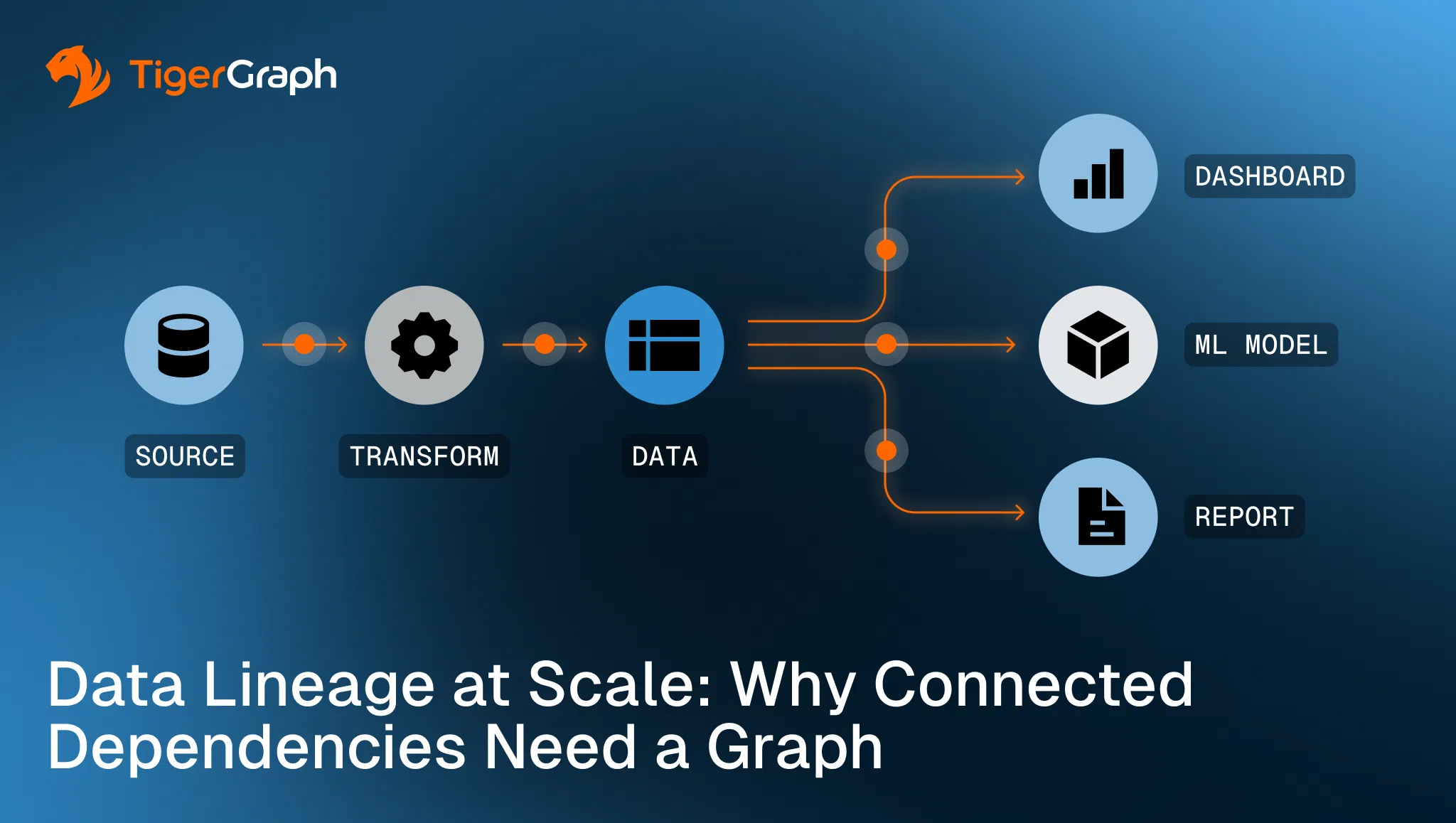
Data Lineage at Scale: Why Connected Dependencies Need a Graph

Code & samples
126
  • Graph Resources52
  • Concept
    109
  • Troubleshooting12
  • Security advisory4
  • Runbook
  • Article173
  • Case study26
  • Talk298
  • Release note24
  • Demo114
  • Webinar12
  • Event12
  • Report24
  • #Evaluating graph

    Traditional data lineage tools struggle with complex dependencies. Learn why graph databases are the natural foundation for enterprise data lineage at scale.
    Discover
    BeginnerArticleJun 29, 2026

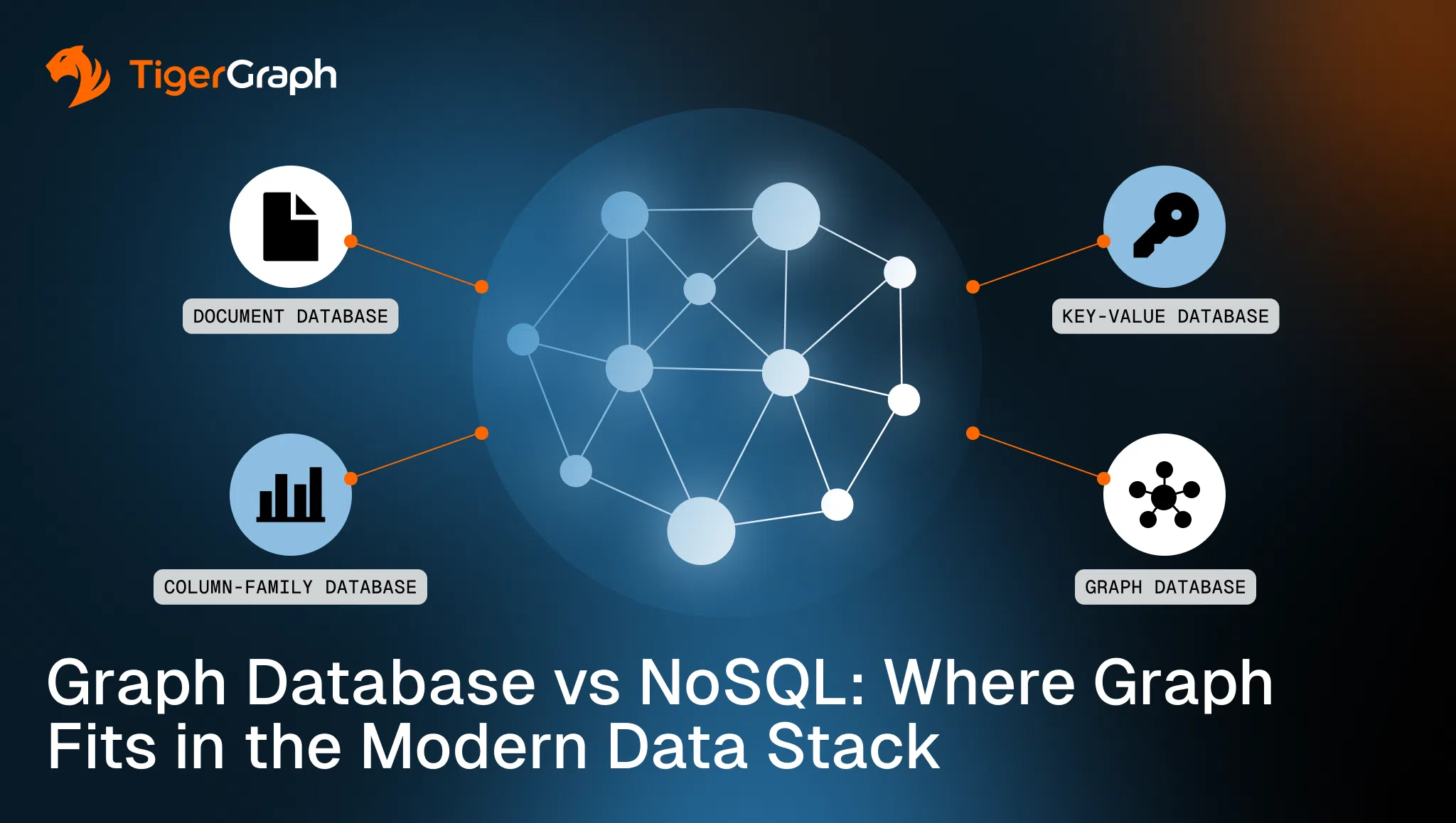
    Graph Database vs NoSQL: Where Graph Fits in the Modern Data Stack

    Graph databases are NoSQL, but the category spans four distinct types. Learn how document, key-value, column-family, and graph differ and when to use each.

    Discover
    BeginnerArticleJun 8, 2026

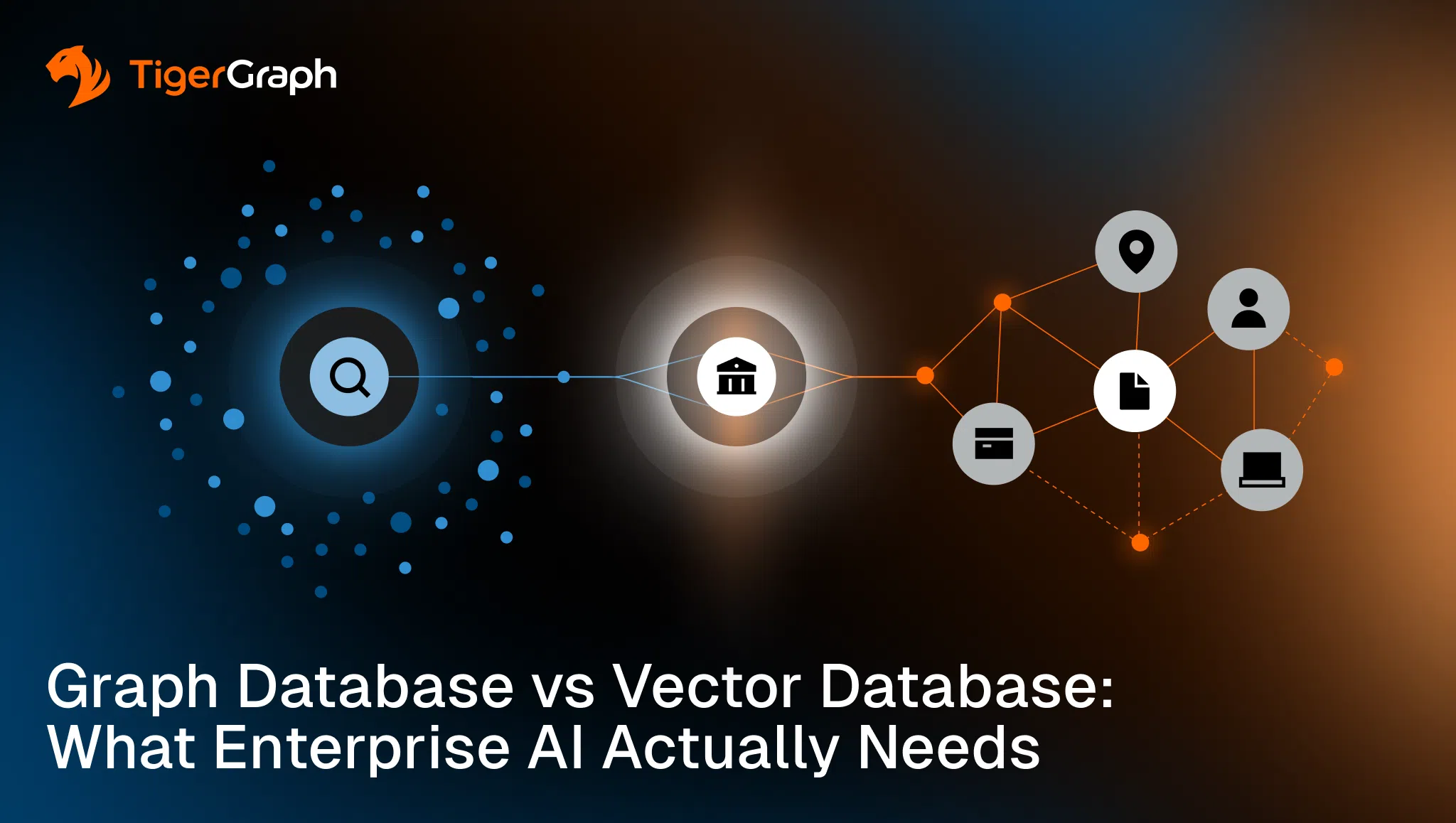
    Graph vs Vector Databases: Why Enterprise AI Needs Both Similarity and Context

    Vector databases find what’s similar. Graph databases understand why it’s connected. Discover which your enterprise AI actually needs, and why powerful systems use both.

    Discover
    BeginnerArticleApr 8, 2026

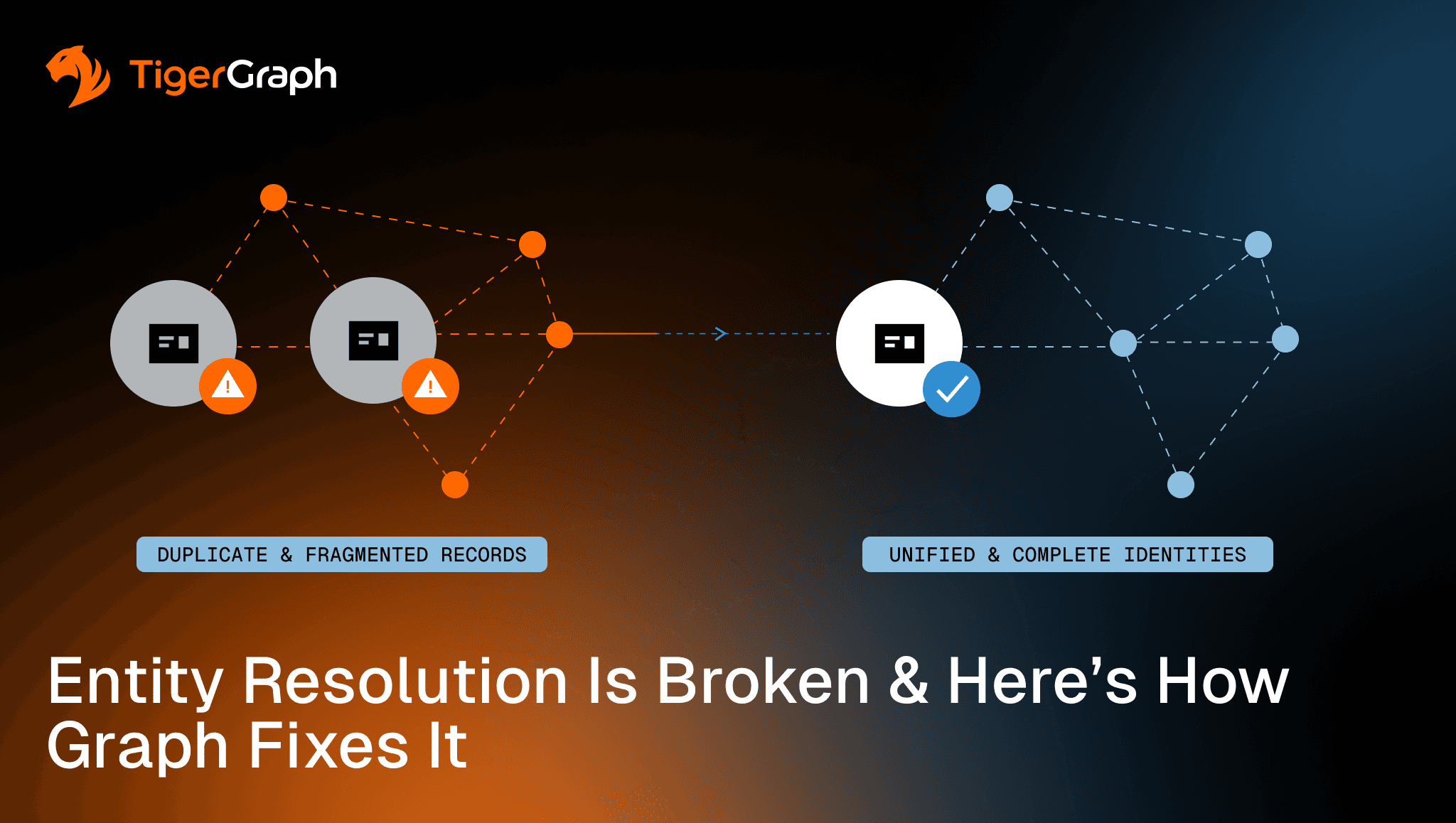
    Entity Resolution is Broken & Here’s How Graph Fixes it

    Most enterprises believe they have a data quality problem. In reality, they have an entity problem. Names change, addresses change, and emails are reused. Companies restructure, and customers open multiple accounts. Beyond that, records fragment across CRM systems, billing platforms, compliance databases, and operational tools.

    Discover
    Definition
    BeginnerDefinitionFeb 23, 2026

    Knowledge Graph

    A knowledge graph is a structured representation of entities and relationships that embodies context. It models real-world things such as people, accounts, devices, events, policies, products, and concepts as entities. It then captures how those entities connect so teams and systems interpret relationships consistently and appropriately across data sources. Teams

    Discover
    BeginnerDefinitionFeb 11, 2026

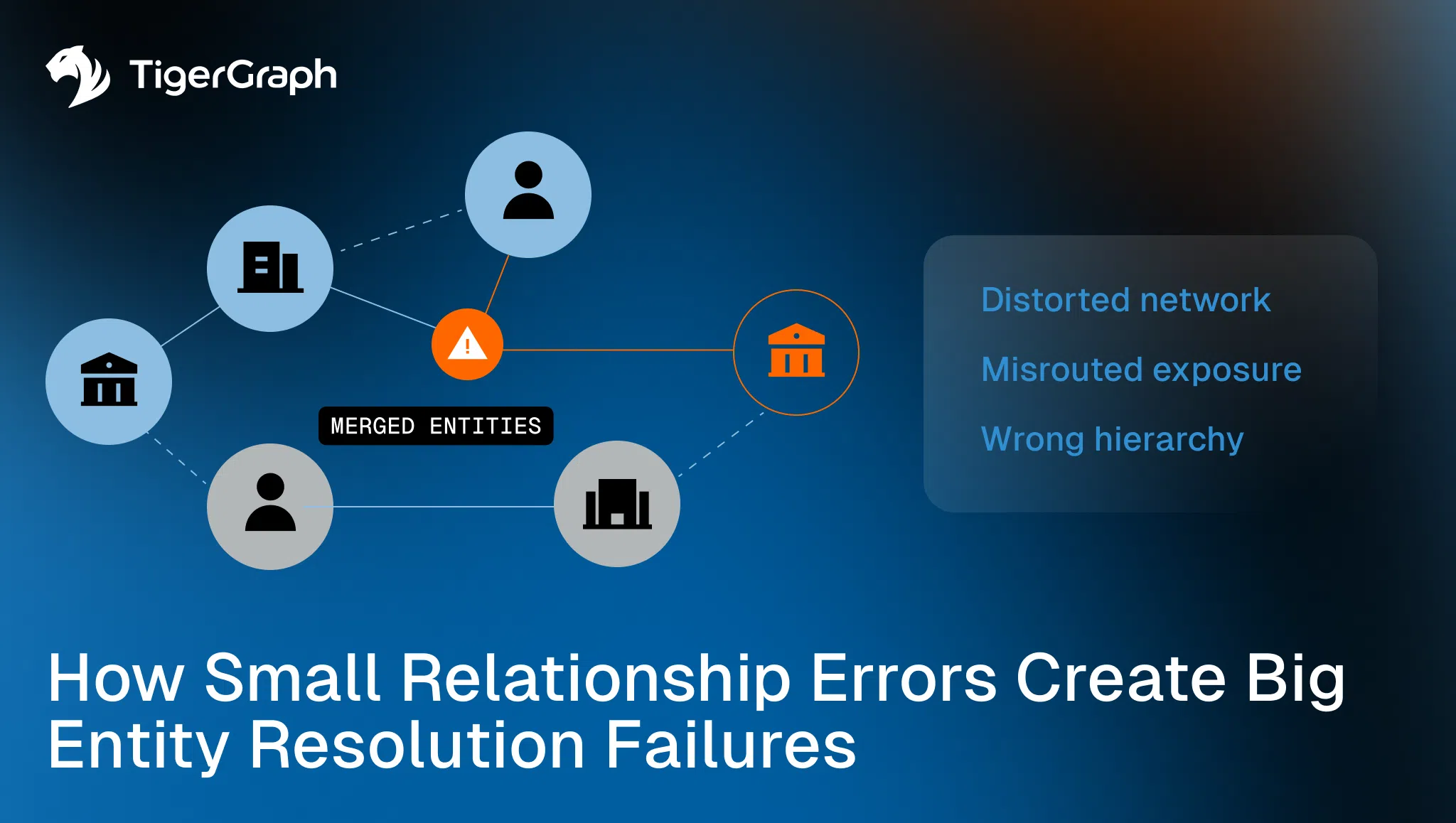
    How Small Relationship Errors Create Big Entity Resolution Failures

    Entity resolution is often discussed as a record-matching problem, with a focus on which records belong together and which do not. But many resolution failures have less to do with the records themselves and more to do with the relationships that connect them. In graph-based systems,

    Discover
    BeginnerHow-to guideJan 13, 2026

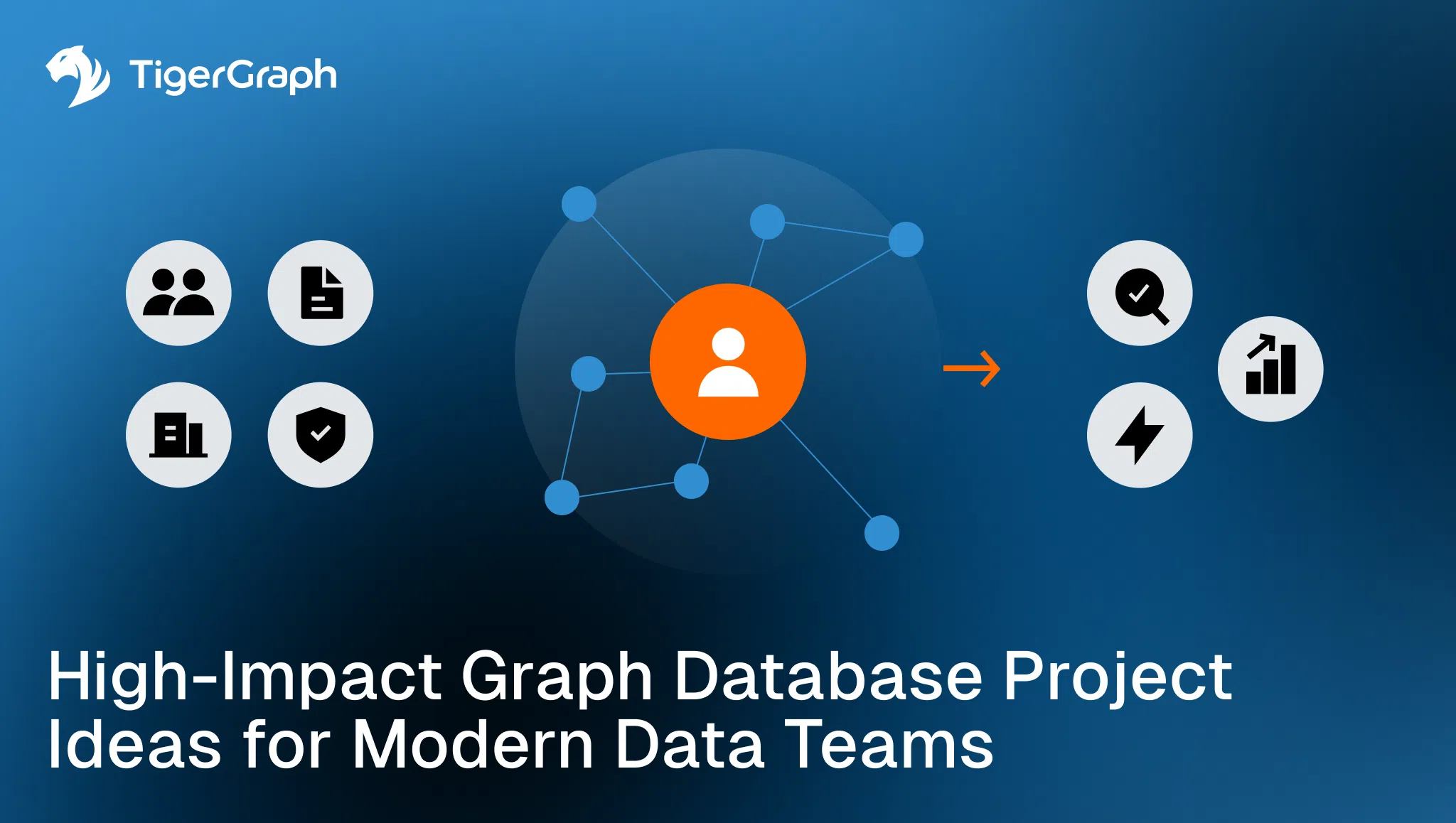
    High-Impact Graph Database Project Ideas for Modern Data Teams

    Modern data teams do not need more abstract diagrams or theoretical exercises. They need graph projects that help them understand what is really happening inside their systems. When a graph is modeled cleanly, the relationships stop being guesswork and start acting like a diagnostic instrument. Suddenly,

    Discover
    BeginnerHow-to guideJan 8, 2026

    Practical Graph Database Schema Design: Modeling Connections for Speed and Clarity

    High-Performance Graph Database Schema Design for Connected Data | TigerGraph A graph database schema defines the structure of data, including the entities in the domain, the connections between them, and the rules that shape those connections. It acts as the blueprint for how information is stored and how traversal should behave. A clear schema makes

    Discover
    BeginnerConceptJan 8, 2026

    RDF vs. Property Graph: Choosing the Right Foundation for Knowledge Graphs

    Every organization that builds a knowledge graph faces the same architectural crossroads at some point. Should the system use RDF for semantic precision, or a property graph for analytical performance? This choice determines so much, like how relationships are represented and how queries scale.

    Discover
    BeginnerConceptOct 20, 2025

    The Power of Graph Relationships: Turning Isolated Data into Connected Insights

    Enterprises do not suffer from a lack of data, but they do suffer from data silos and a lack of connection. Context is lost. Adding relationships to the data solves this problem. Graph relationships map how people, accounts, devices, suppliers, and policies interact. And

    Discover
    BeginnerArticleJun 7, 2025

    Why Leading Enterprises Use Graph Analytics to Power Their Customer Data Platforms

    Modern enterprises manage millions of customer interactions each day. There are endless emails, purchases, web sessions, and support tickets. Yet most of this data remains scattered across systems. Traditional customer data platforms (CDPs) unify information but rarely connect the full context behind it.

    Discover
    Definition
    BeginnerDefinitionMar 27, 2025

    Graph Database

    A graph database stores data as a network of interconnected entities, to make it easy to ask about and analyze how things are related. This graph database definition matters because it explains why graph systems excel at answering questions that depend on context, because context can be represented as relationships

    Discover
    12