TigerGraph
ResourcesPathfinderDiscord(opens in a new tab)
Resources

Everything, In One Wall

Videos, courses, hands-on tutorials, docs, and blog posts. One place for every phase of learning.

TigerGraph
ResourcesPathfinderDiscord(opens in a new tab)

© 2026 Tiger Graph Dev Hub. All rights reserved.

  • Privacy Policy|
  • Terms of Service

Applied · 1

Clear all
  • #Fraud and AML

Levels

  • All Resources
  • Beginner
  • Intermediate
  • Advanced

Categories

  • Videos514
  • Docs644
  • Glossary50
  • Blog posts222
  • Code & samples126
  • Graph Resources52

Assets

  • Definition36
  • Tutorial113
  • How-to guide319
  • Reference312
  • Concept

Tags

  • #Fraud and AML
  • #Entity resolution
  • #Recommendations
  • #GraphRAG and AI
  • #Graph machine learning
  • #Search
  • #Network analysis
  • #Performance and scale
  • #Running TigerGraph
  • #Evaluating graph

287 resources · page 4 of 24

NewestOldest
3 Col Grid2 Col GridList
ArticleMay 20, 2026

The Enterprise AI Stack Has a Trust Problem

The Models Improved. Trust Did Not. The AI industry keeps measuring progress in capability. Every benchmark keeps improving. But underneath all of it, something else is happening. Trust is eroding. Not publicly. Structurally. The most dangerous systems are the ones that still sound intelligent while becoming operationally
109
  • Troubleshooting12
  • Security advisory4
  • Runbook
  • Article173
  • Case study26
  • Talk298
  • Release note24
  • Demo114
  • Webinar12
  • Event12
  • Report24
  • Discover
    ArticleMay 19, 2026

    AI Slop Happens When AI Loses Reality

    AI Slop Escaped the Internet The AI industry has a new phrase: “AI slop.” At first, it described the internet. Generated articles. Synthetic feeds. Endless content optimized to sound intelligent long enough to survive an algorithmic cycle before dissolving into the next stream of machine-produced noise. At the beginning,

    Discover
    ReportMay 14, 2026

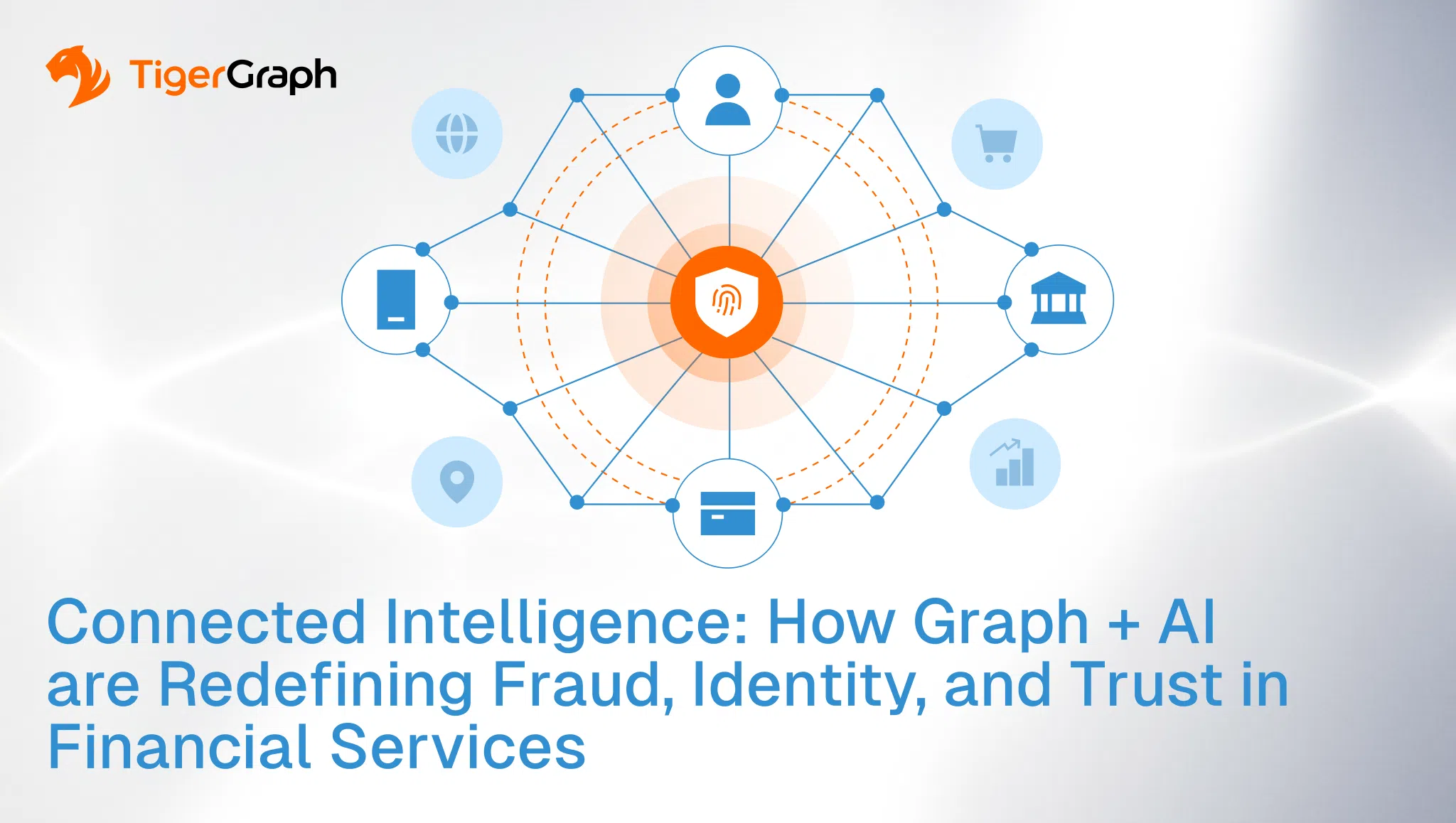
    Connected Intelligence: How Graph + AI are Redefining Fraud, Identity, and Trust in Financial Services

    Discover
    ArticleMay 11, 2026

    McKinsey Highlighted the Risk. Most AI Decisions Still Can’t Be Proven

    There is a difference between producing an answer and being able to stand behind a decision, and that difference is becoming harder to ignore. McKinsey & Company in their The AI revolution in software development article pointed toward a future where AI systems don’t

    Discover
    Talk35 min · May 8, 2026

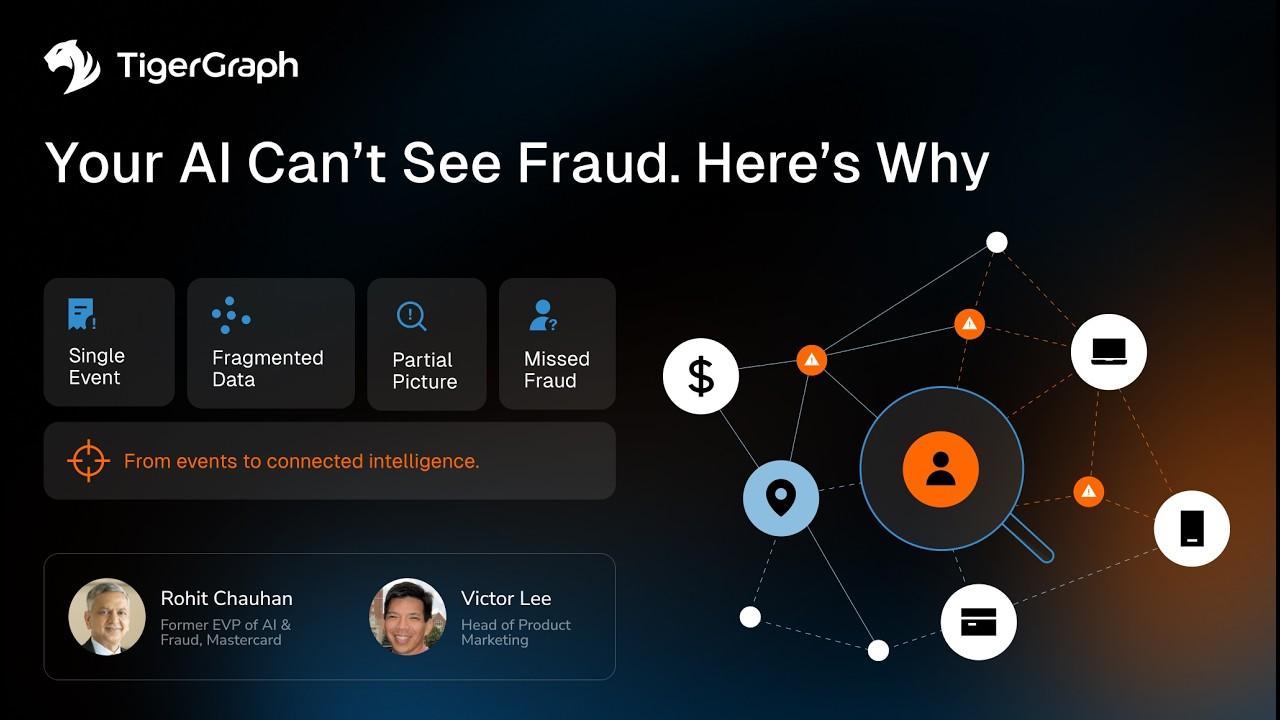
    Your AI Can't See Fraud Here's Why

    Your AI isn’t failing, but it is making decisions without the relationships that define how fraud works. Fraud does not happen in a single transaction. It emerges across identities, devices, accounts, and time. Yet most systems still evalu

    Discover
    ArticleApr 27, 2026

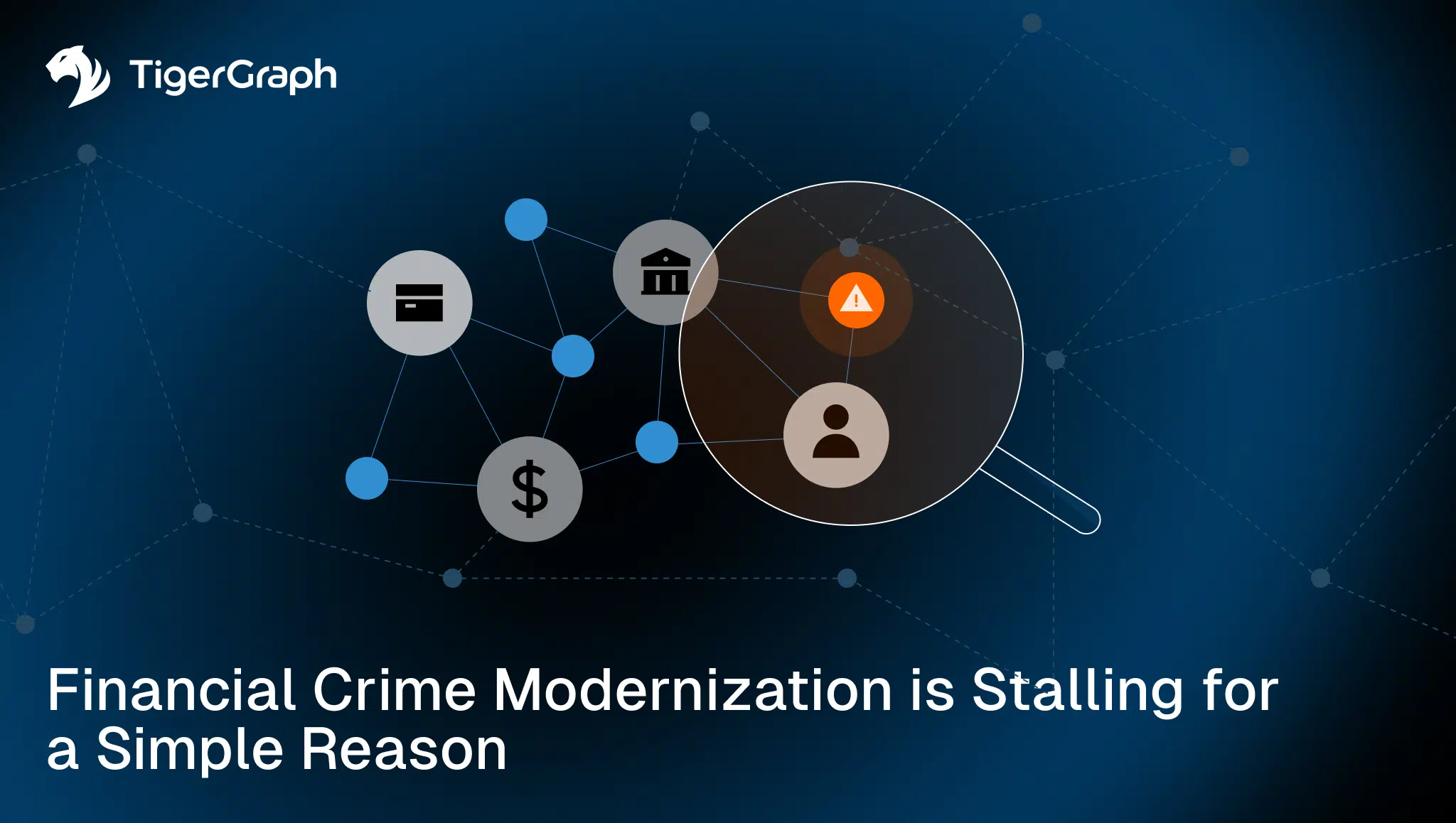
    Financial Crime Modernization is Stalling for a Simple Reason

    Banks are investing in anti-money laundering (AML) and know-your-customer (KYC) technology, but with critical context fragmented across systems, day-to-day execution still depends heavily on manual work to assemble, reconcile and interpret data that systems do not connect on their own. The operating model is not designed

    Discover
    ArticleApr 23, 2026

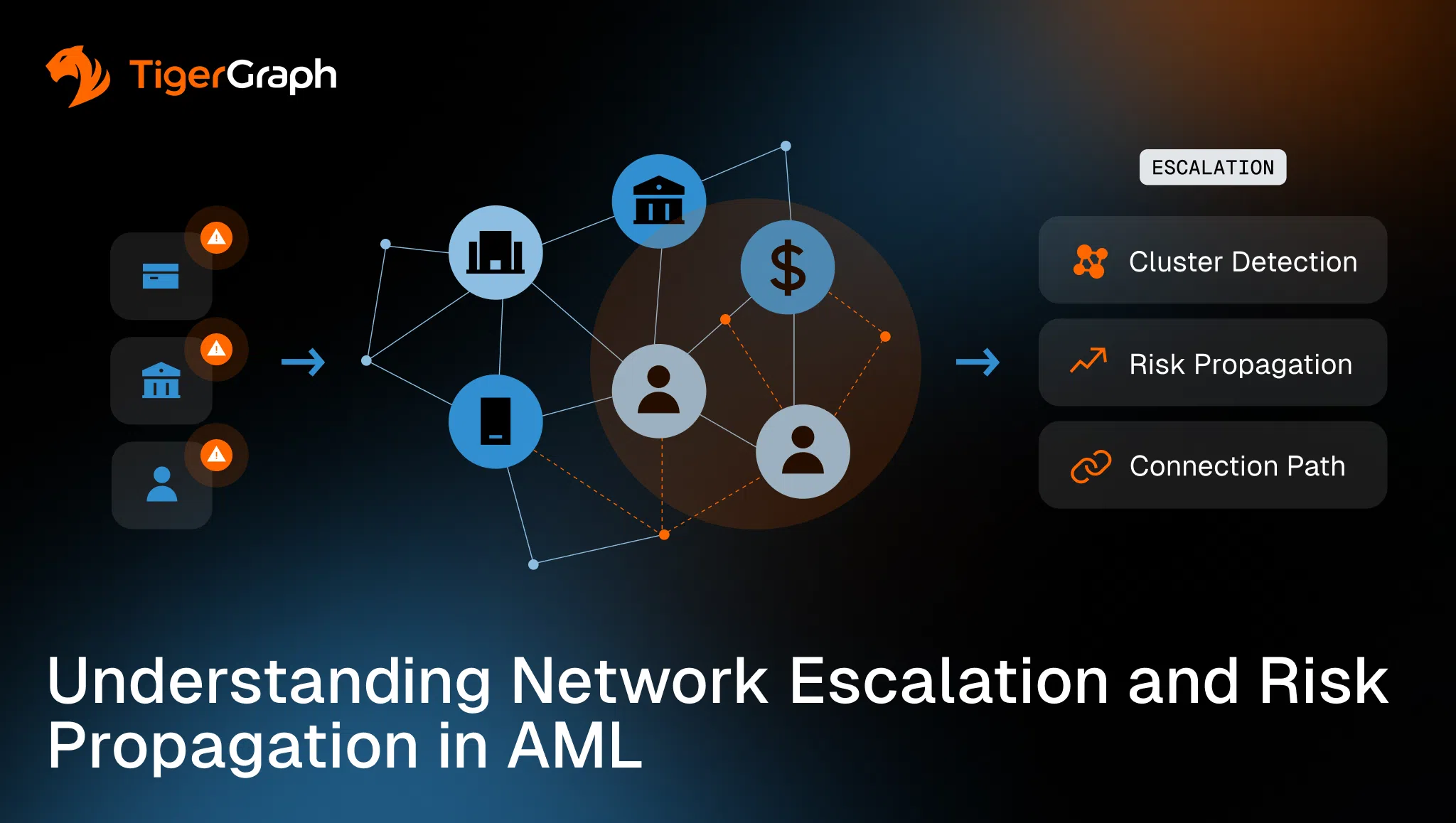
    Understanding Network Escalation and Risk Propagation in AML

    In anti-money laundering programs, risk rarely exists in isolation. Although a transaction might look routine on its own, the surrounding pattern can be the real issue. That is why many AML programs escalate based on connection and repetition, not only event severity. This is sometimes called risk

    Discover
    ArticleApr 21, 2026

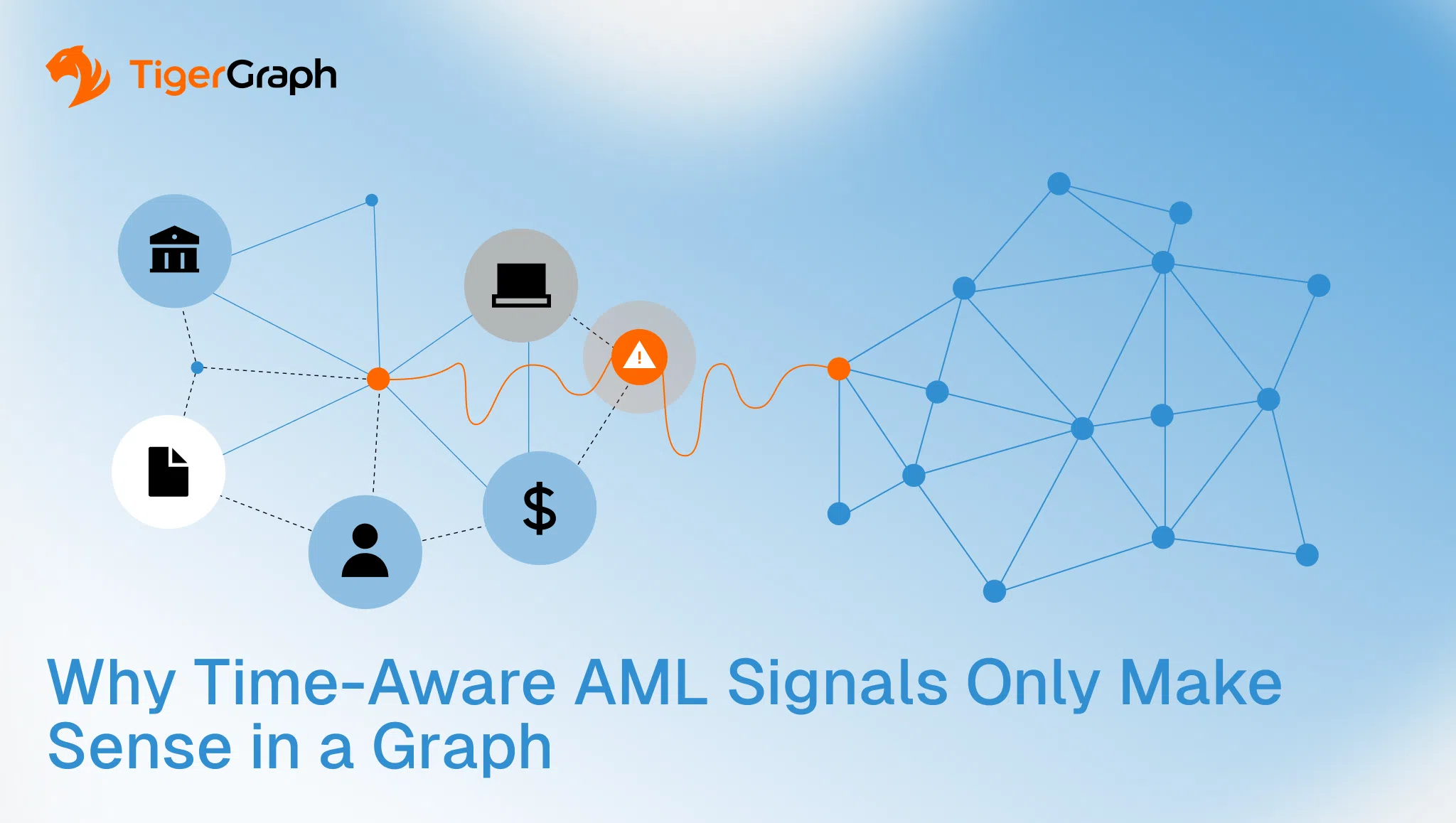
    Why Time-Aware AML Signals Only Make Sense in a Graph

    Money laundering detection and investigation relies on analyzing transaction and account behavior for signals that point towards possible illicit activity. A dormant account that wakes up is not automatically suspicious. A dormant account that wakes up and follows the same routes as other connected entities

    Discover
    ArticleApr 21, 2026

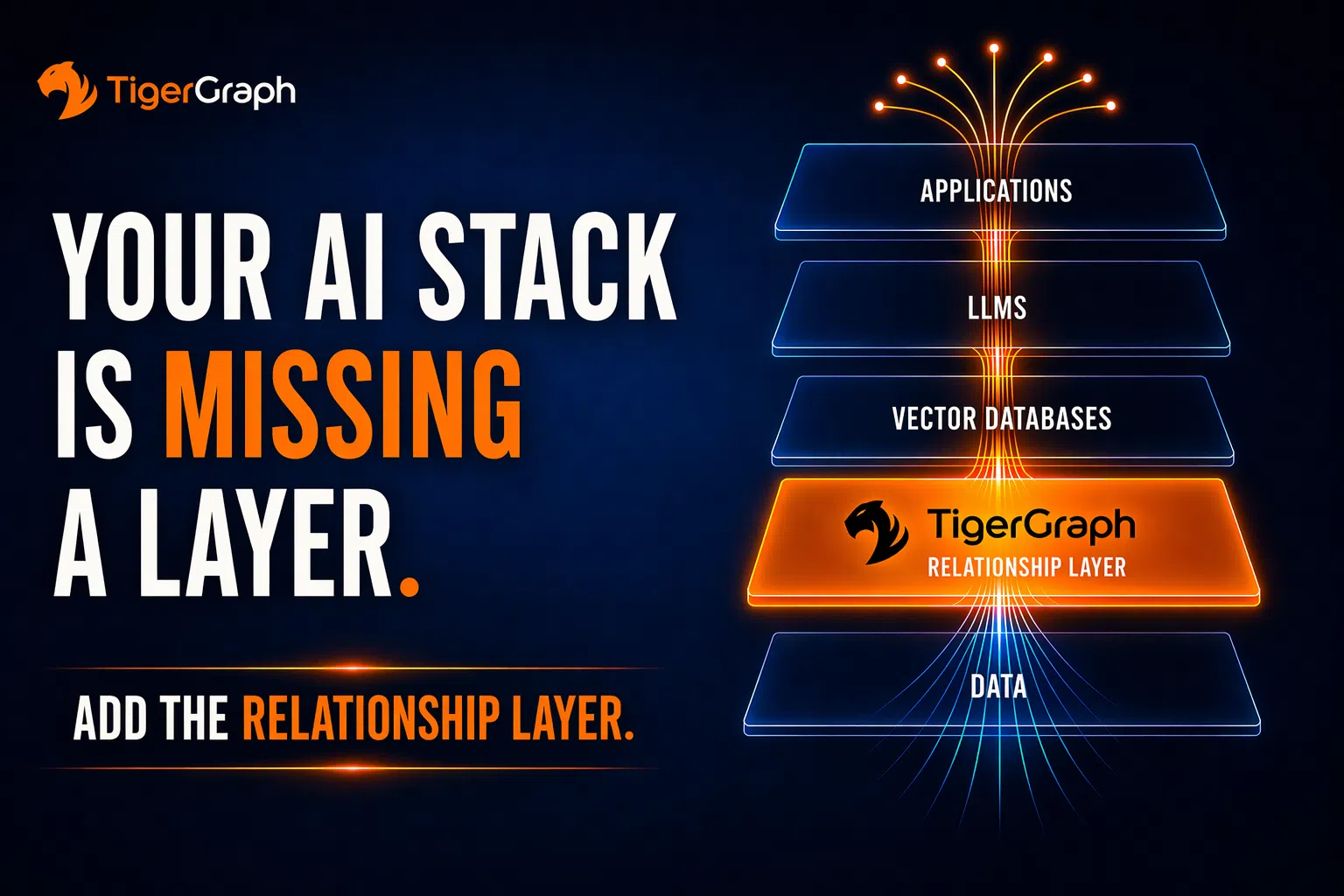
    The Missing Layer in Your AI Stack

    Most AI stacks look complete. On paper, they have everything: 1. Applications; 2. Large language models (LLMs), 3. Vector databases, and 4. Enterprise data. It feels like a full system. It isn’t. Because what looks complete is missing a critical form of understanding, one that no amount of data,

    Discover
    ArticleApr 19, 2026

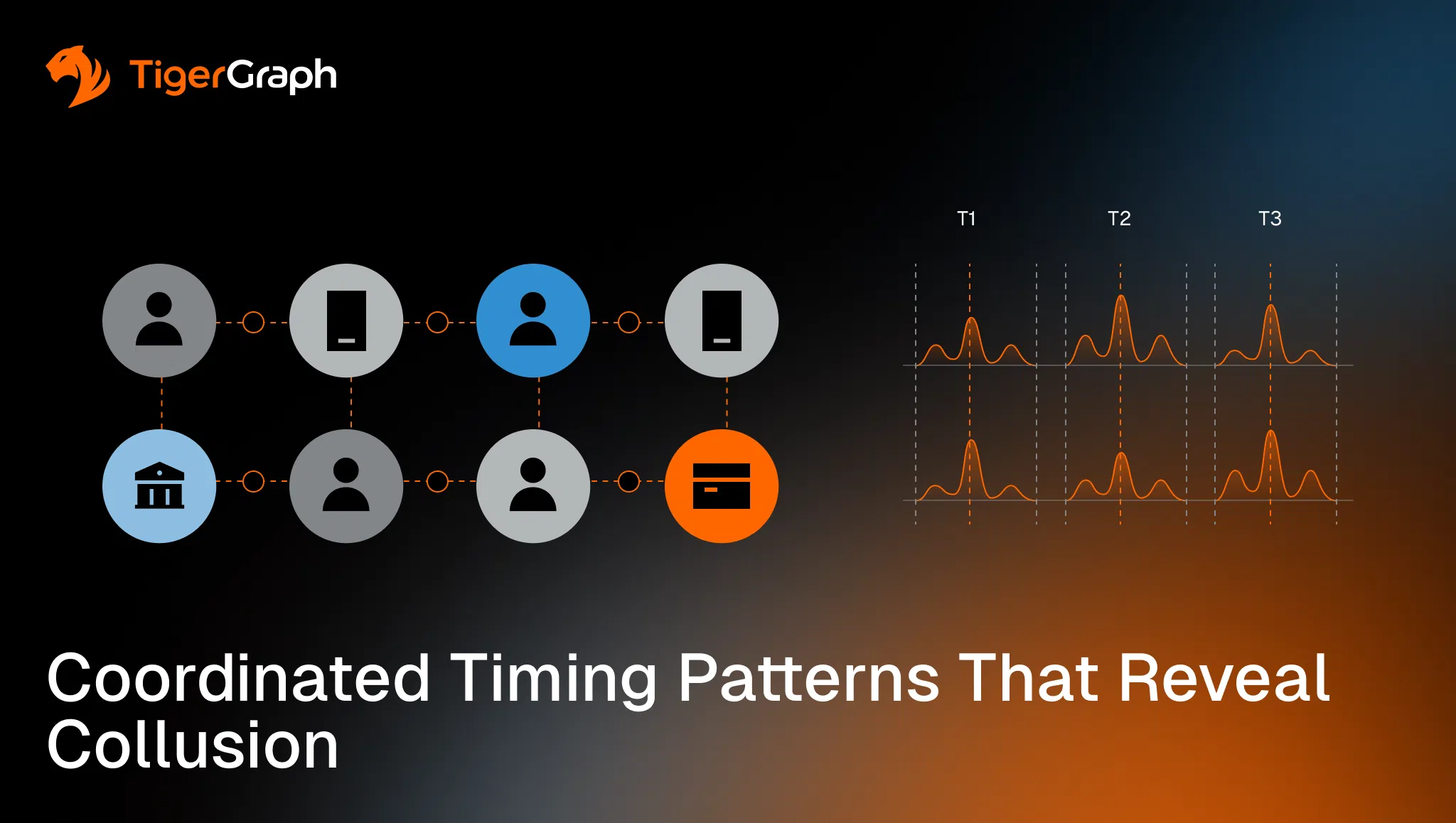
    Coordinated Timing Patterns That Reveal Collusion

    A busy day can look normal. Lots of payments, lots of movement, lots of noise. Coordination hides inside that noise because it is spread across different people, counterparties and time windows, so no single record looks decisive. The signal for possible financial crime shows up when timing repeats across

    Discover
    Demo34 min · Apr 17, 2026

    Agentic AI for Fraud_ Instantly Build, Operate, and Query Graphs with TigerGraph

    AI agents are evolving, but most cannot operate on connected data. Fraud demands it. In this session, we showed how TigerGraph enables agents to directly build, update, and query fraud graphs in real time, not just call APIs, but act on re

    Discover
    Definition
    DefinitionApr 10, 2026

    Recommendation System

    A recommendation system is a data-driven framework that identifies and ranks items based on predicted relevance to a user, entity, or context. When someone asks what a recommendation system or recommendation engine is, they are asking how platforms decide what to offer first. These systems analyze behavioral data (such as

    Discover
    1…345…24