
TigerGraph
ResourcesPathfinderDiscord(opens in a new tab)
Resources

Everything, In One Wall

Videos, courses, hands-on tutorials, docs, and blog posts. One place for every phase of learning.

TigerGraph
ResourcesPathfinderDiscord(opens in a new tab)

© 2026 Tiger Graph Dev Hub. All rights reserved.

  • Privacy Policy|
  • Terms of Service

Applied · 3

Clear all
  • Article
  • #Entity resolution
  • #Running TigerGraph

Levels

  • All Resources
  • Beginner
  • Intermediate
  • Advanced

Categories

  • Videos514
  • Docs644
  • Glossary50
  • Blog posts222

Assets

  • Definition36
  • Tutorial113
  • How-to guide319
  • Reference312

Tags

  • #Fraud and AML
  • #Entity resolution
  • #Recommendations
  • #GraphRAG and AI
  • #Graph machine learning
  • #Search
  • #Network analysis
  • #Performance and scale
  • #Running TigerGraph
  • #Evaluating graph

39 resources · page 1 of 4

NewestOldest
3 Col Grid2 Col GridList
ArticleOct 15, 2026

Entity Resolution at Scale: How Graphs Match Millions of Records Without Losing Precision

Code & samples
126
  • Graph Resources52
  • Concept
    109
  • Troubleshooting12
  • Security advisory4
  • Runbook
  • Article173
  • Case study26
  • Talk298
  • Release note24
  • Demo114
  • Webinar12
  • Event12
  • Report24
  • Fuzzy matching alone cannot scale accurately. Learn how graph adds relationship context to entity resolution for fraud, AML, and customer 360.
    Discover
    ArticleAug 4, 2026

    Graph Database Use Cases: 10 Enterprise Problems Only a Graph Can Solve

    Learn which graph database use cases deliver the most value in enterprise environments, from fraud detection and AML to supply chain resilience and Agentic AI.

    Discover
    ArticleJul 22, 2026

    AML with Graph Analytics: Detecting Money Laundering Patterns That Hide in Plain Sight

    Learn how graph analytics transforms AML by connecting accounts, transactions, and ownership into a network that reveals laundering patterns legacy systems miss.

    Discover
    AdvancedArticleJul 17, 2026

    Cybersecurity Threat Detection with Graph: Stopping Attacks Before They Spread

    Learn how graph-powered cybersecurity threat detection reveals attack chains across users, devices, and systems in real time.

    Discover
    ArticleJul 17, 2026

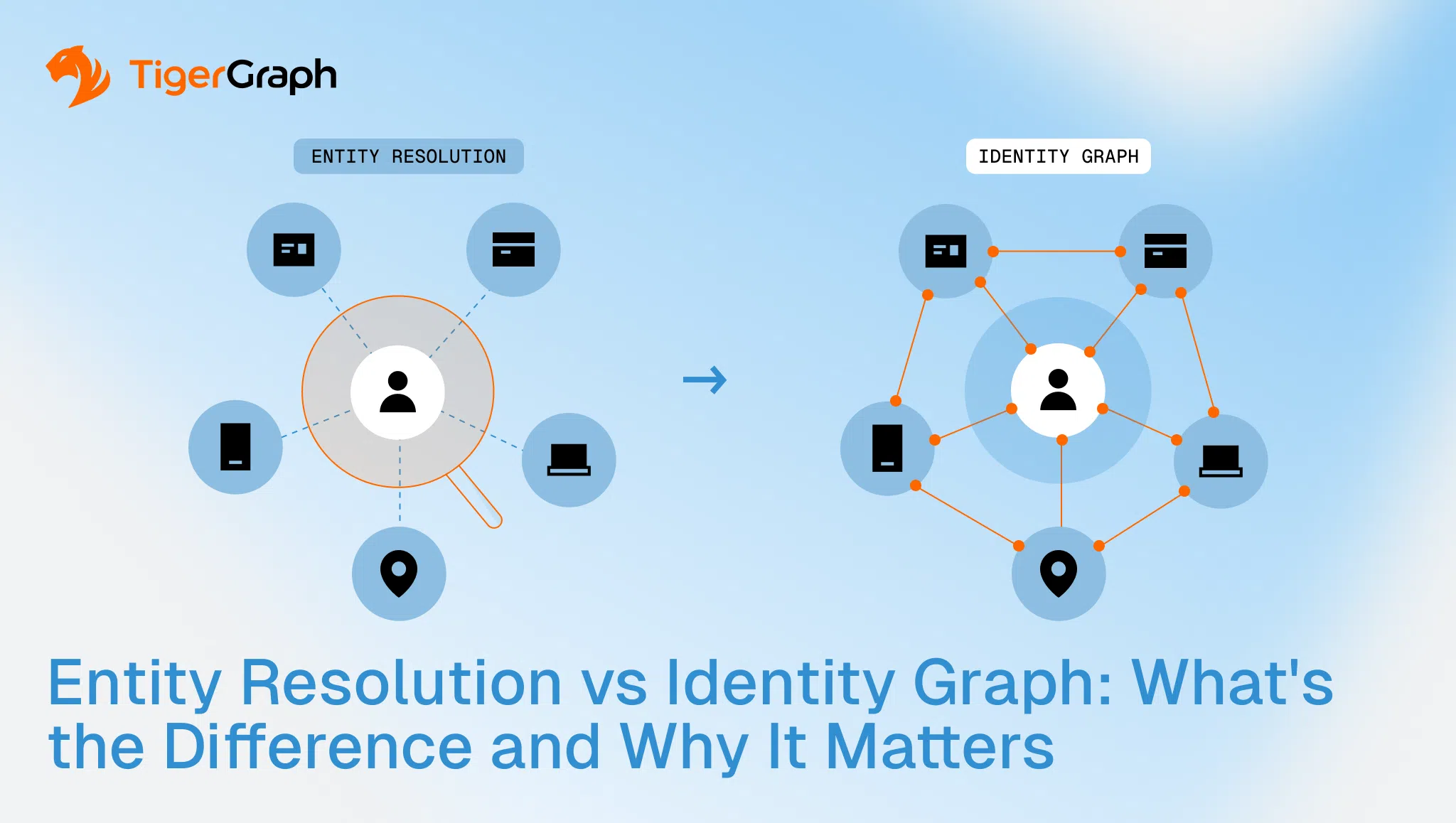
    Entity Resolution vs Identity Graph: What’s the Difference and Why It Matters

    Entity resolution finds matching records. An identity graph stores the result. Learn the key differences and how TigerGraph powers both at enterprise scale.

    Discover
    BeginnerArticleJun 29, 2026

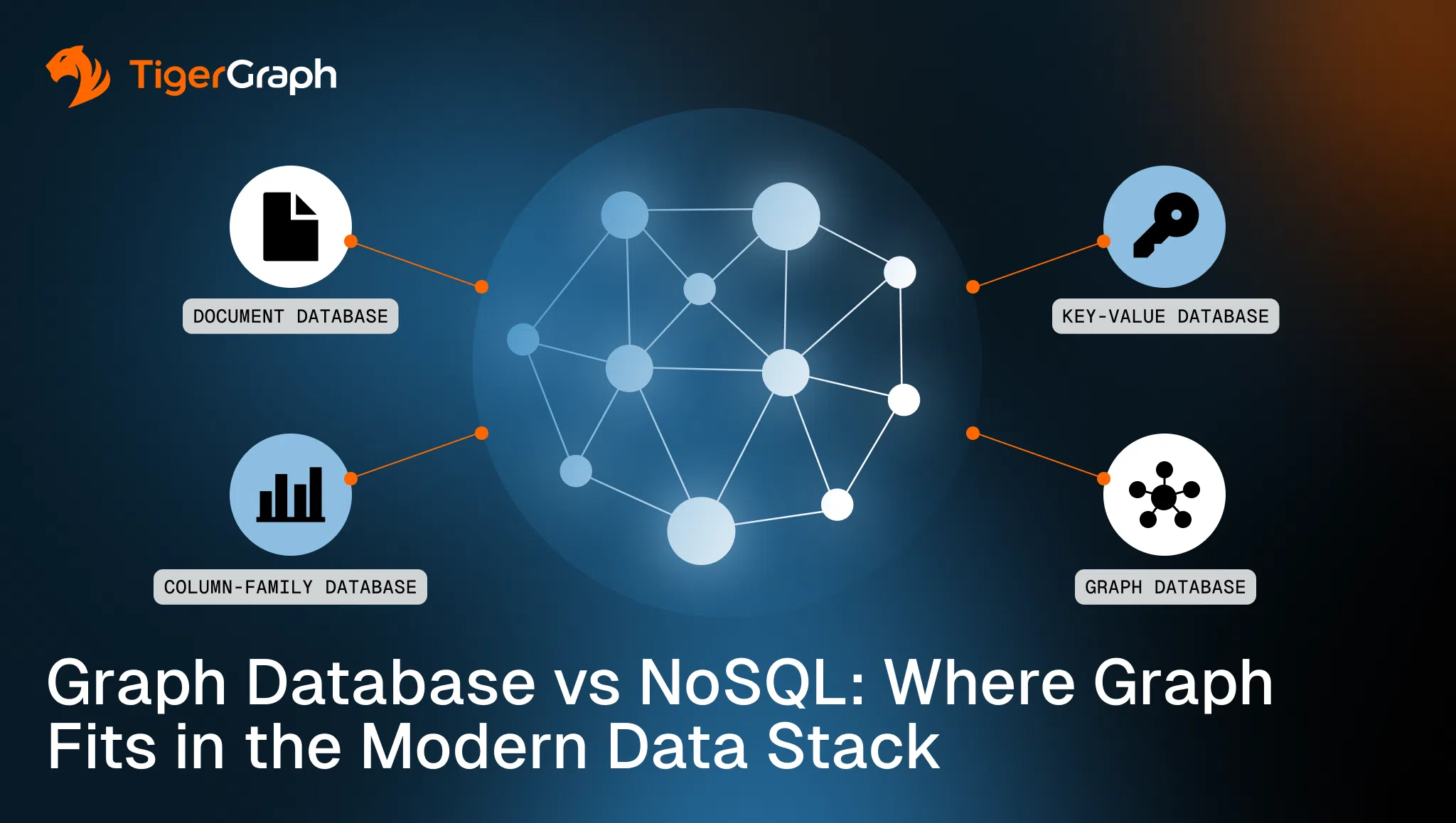
    Graph Database vs NoSQL: Where Graph Fits in the Modern Data Stack

    Graph databases are NoSQL, but the category spans four distinct types. Learn how document, key-value, column-family, and graph differ and when to use each.

    Discover
    BeginnerArticleJun 8, 2026

    Graph vs Vector Databases: Why Enterprise AI Needs Both Similarity and Context

    Vector databases find what’s similar. Graph databases understand why it’s connected. Discover which your enterprise AI actually needs, and why powerful systems use both.

    Discover
    ArticleJun 3, 2026

    Enterprise AI Still Doesn’t Understand Relationships

    AI systems have become very good at retrieving information. They can summarize documents, generate answers, classify content, write code, search across large knowledge bases, and reason through complex instructions with remarkable speed. That progress is real. But as enterprises move AI closer to production decision-making, a harder problem is

    Discover
    ArticleApr 10, 2026

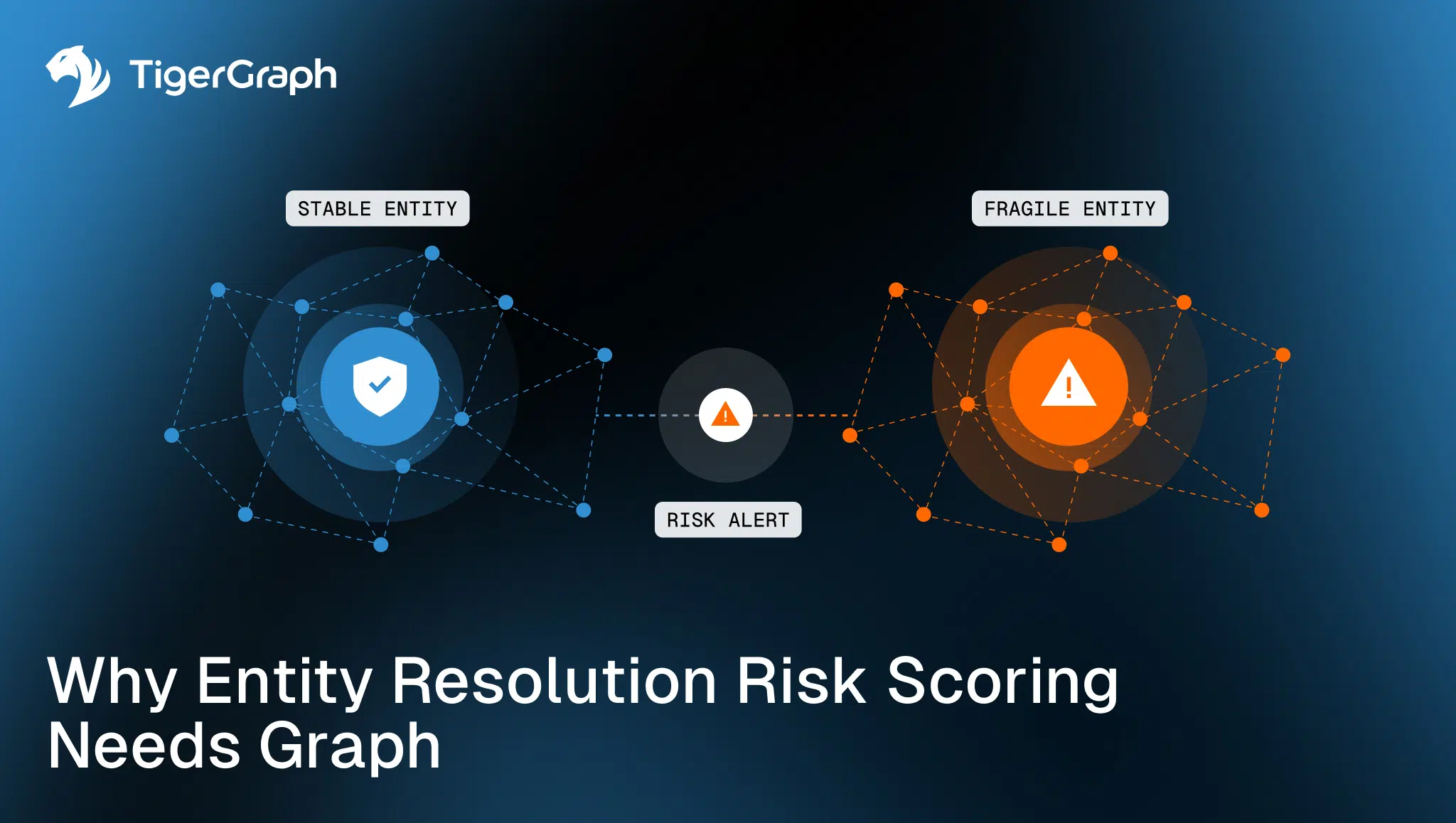
    Why Entity Resolution Risk Scoring Needs Graph

    Entity resolution decisions shape risk, compliance and customer experience long before a case is ever reviewed. Yet many programs treat resolution outcomes as binary. Records are linked or they are not. Entities are resolved or unresolved. That assumption creates blind exposure. Some resolved entities are structurally stable and

    Discover
    ArticleApr 10, 2026

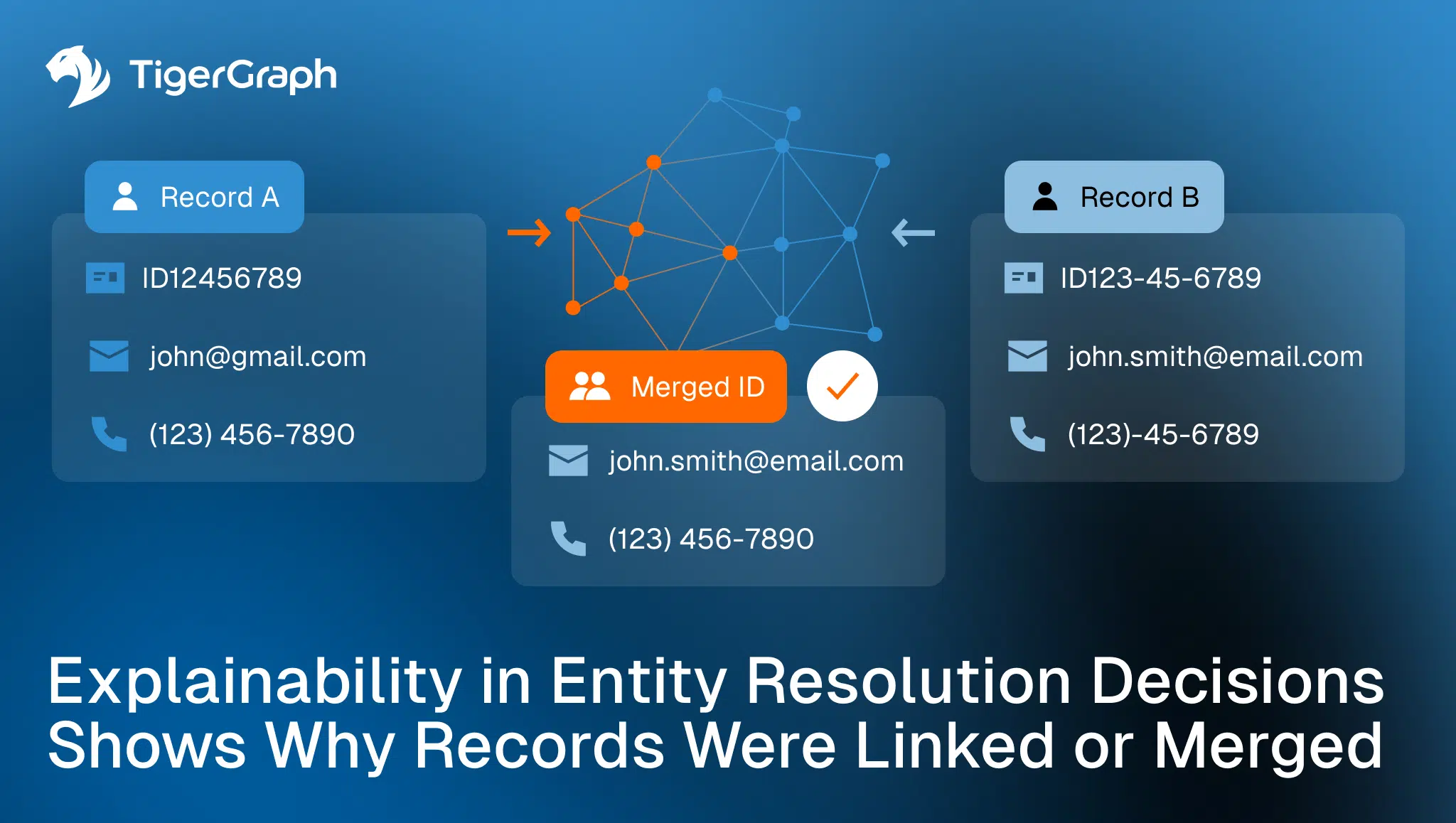
    Explainability in Entity Resolution Decisions Shows Why Records Were Linked or Merged

    Entity resolution decisions shape everything that follows. Alerts, investigations, risk scores, suppressions, and escalations all depend on whether records were linked, merged or kept separate. Yet in many programs, the reasoning behind those decisions is difficult to retrieve after the fact. When reviewers,

    Discover
    ArticleApr 10, 2026

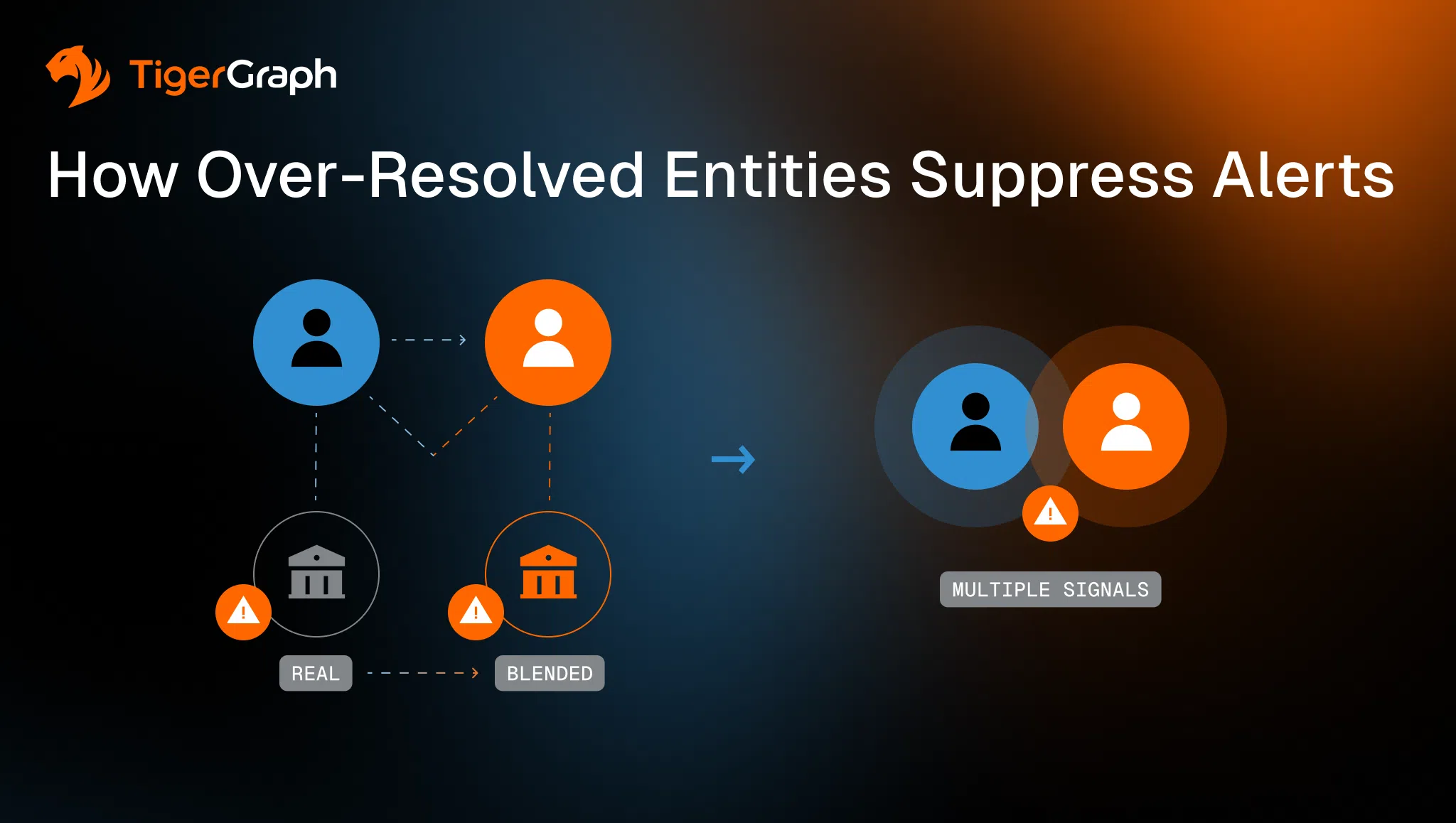
    How Over-Resolved Entities Suppress Alerts

    Most monitoring failures are discussed as detection problems, meaning missed rules, weak thresholds or gaps in coverage. Less attention is paid to a quieter failure that sits upstream of detection and quietly reshapes what the system can see: Over-resolved entities. When entity resolution collapses multiple real-world identities into a single

    Discover
    ArticleApr 9, 2026

    Repeat Investigations Signal Entity Resolution Failures That Inflate Casework

    When the same cases keep coming back, the problem is identity continuity. Repeat investigations often signal that entity resolution is not stable enough to carry decisions forward across workflows or over time. Prior outcomes cannot be reused with confidence, so the same exposure is reviewed again

    Discover
    1234