TigerGraph
ResourcesPathfinderDiscord(opens in a new tab)
Resources

Everything, In One Wall

Videos, courses, hands-on tutorials, docs, and blog posts. One place for every phase of learning.

TigerGraph
ResourcesPathfinderDiscord(opens in a new tab)

© 2026 Tiger Graph Dev Hub. All rights reserved.

  • Privacy Policy|
  • Terms of Service

Applied · 3

Clear all
  • Reference
  • How-to guide
  • Concept

Levels

  • All Resources
  • Beginner
  • Intermediate
  • Advanced

Categories

  • Videos514
  • Docs644
  • Glossary50
  • Blog posts222

Assets

  • Definition36
  • Tutorial113
  • How-to guide319
  • Reference312

Tags

  • #Fraud and AML
  • #Entity resolution
  • #Recommendations
  • #GraphRAG and AI
  • #Graph machine learning
  • #Search
  • #Network analysis
  • #Performance and scale
  • #Running TigerGraph
  • #Evaluating graph

740 resources · page 1 of 62

NewestOldest
3 Col Grid2 Col GridList
AdvancedHow-to guideNov 13, 2026

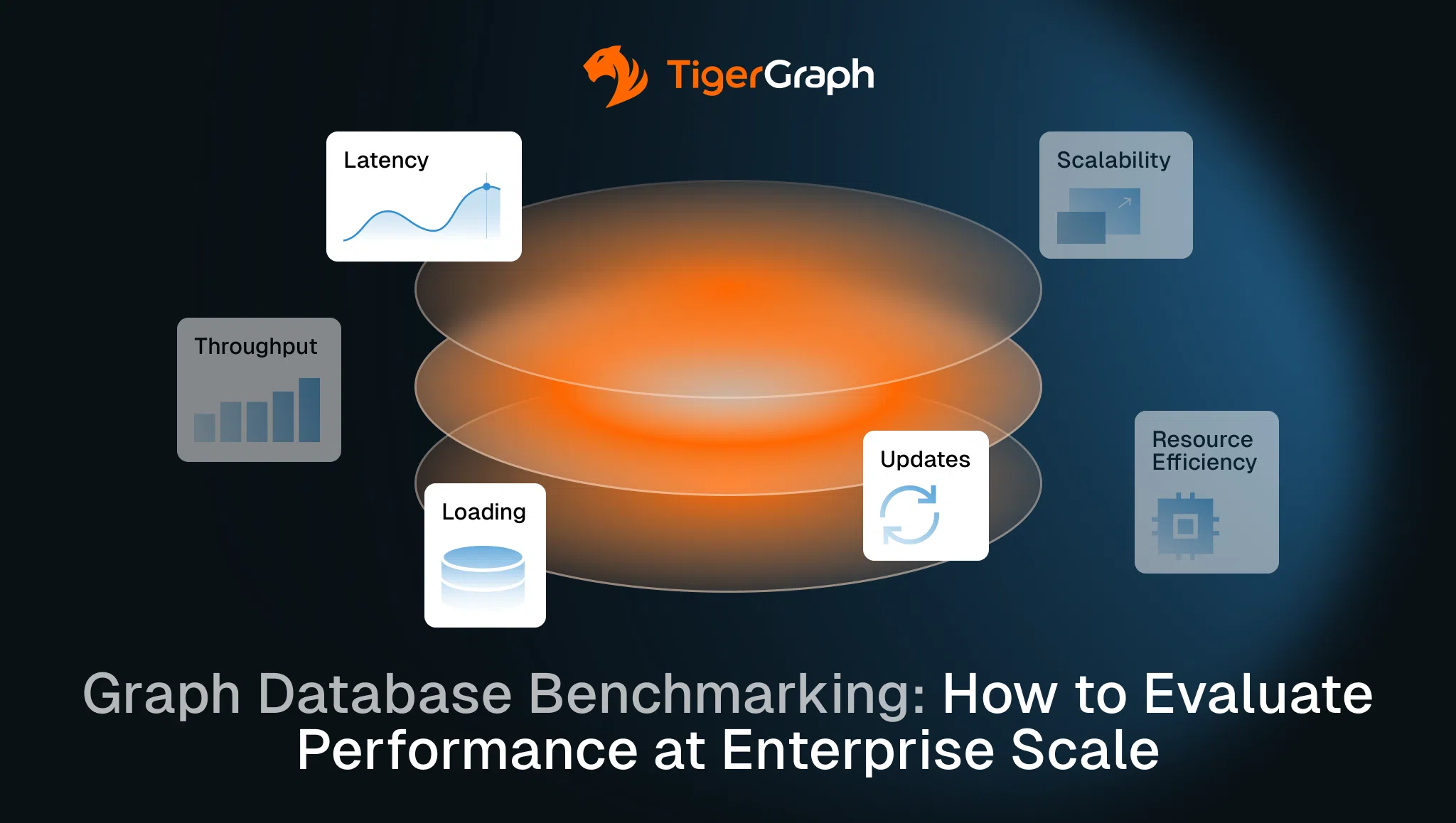
Graph Database Benchmarking: How to Evaluate Performance at Enterprise Scale

Code & samples
126
  • Graph Resources52
  • Concept
    109
  • Troubleshooting12
  • Security advisory4
  • Runbook
  • Article173
  • Case study26
  • Talk298
  • Release note24
  • Demo114
  • Webinar12
  • Event12
  • Report24
  • A graph database can look fast in testing and struggle in production. Learn seven dimensions for benchmarking graph databases at enterprise scale.
    Discover
    AdvancedHow-to guideNov 13, 2026

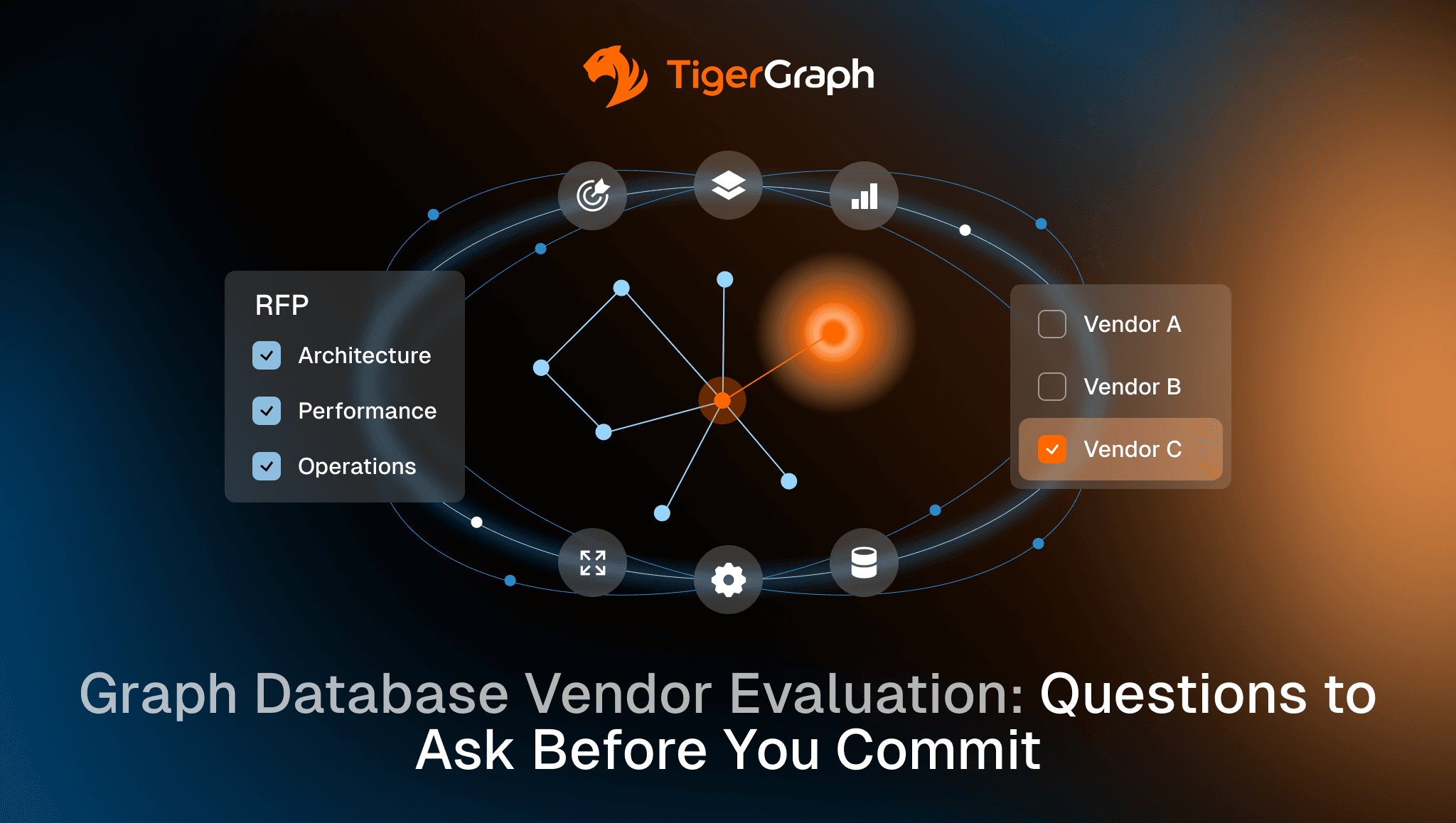
    Graph Database Vendor Evaluation: Questions to Ask Before You Commit

    Choosing a graph database? Use this vendor evaluation guide: requirements, RFP questions, proof of concept steps, and due diligence checks before you commit.

    Discover
    How-to guideOct 16, 2026

    Install the TigerGraph MCP

    Six steps to get TigerGraph tools working inside your editor. Each step below gives the commands for macOS and Windows, and for Claude Code and Cursor. Follow the ones that match your setup.

    Discover
    ConceptAug 4, 2026

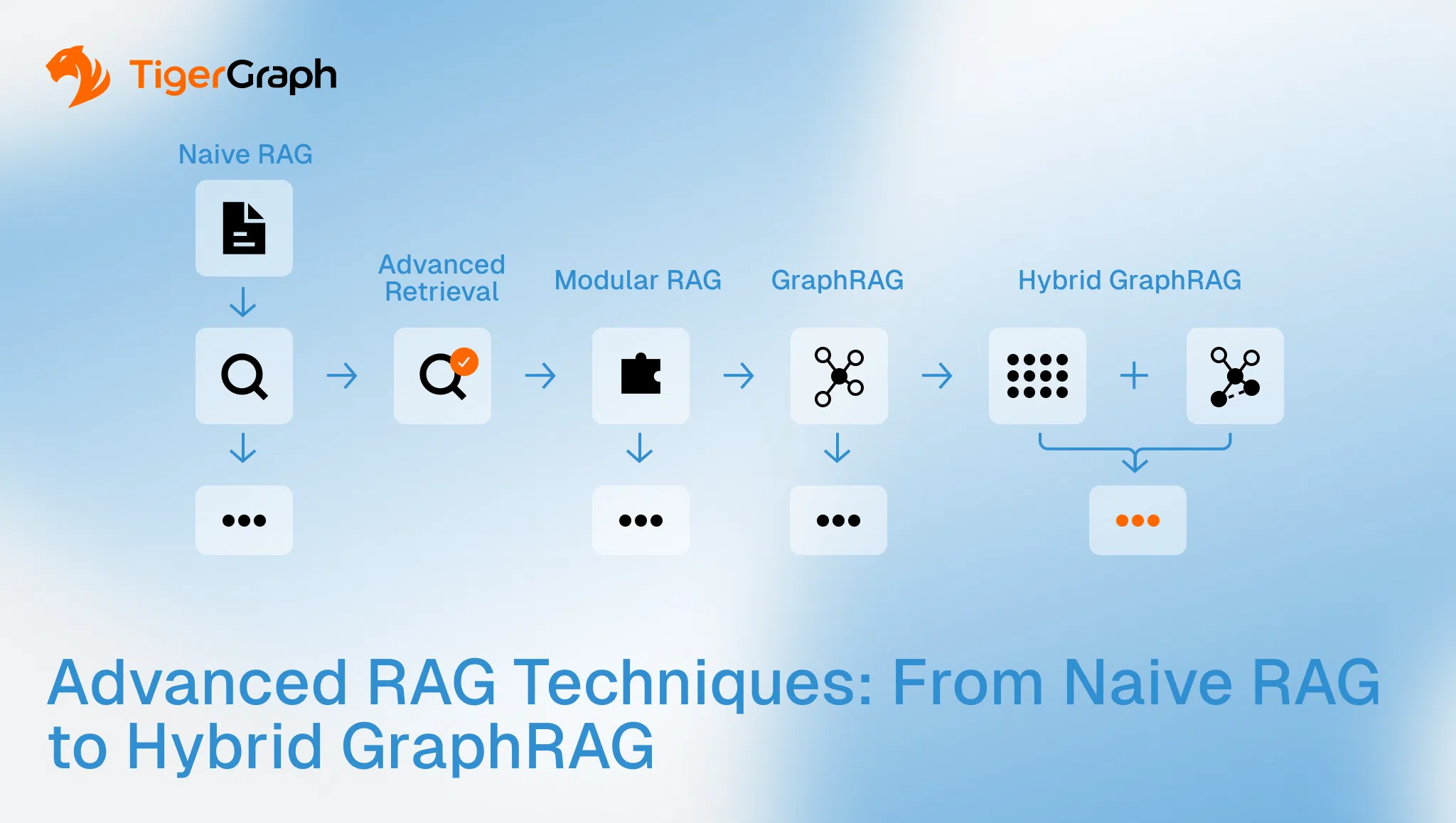
    Advanced RAG Techniques: From Naive RAG to Hybrid GraphRAG

    Discover advanced RAG techniques that fix retrieval quality ceilings, from chunking and re-ranking to GraphRAG and hybrid GraphRAG. Find the right architecture for your enterprise AI workload.

    Discover
    How-to guideJul 22, 2026

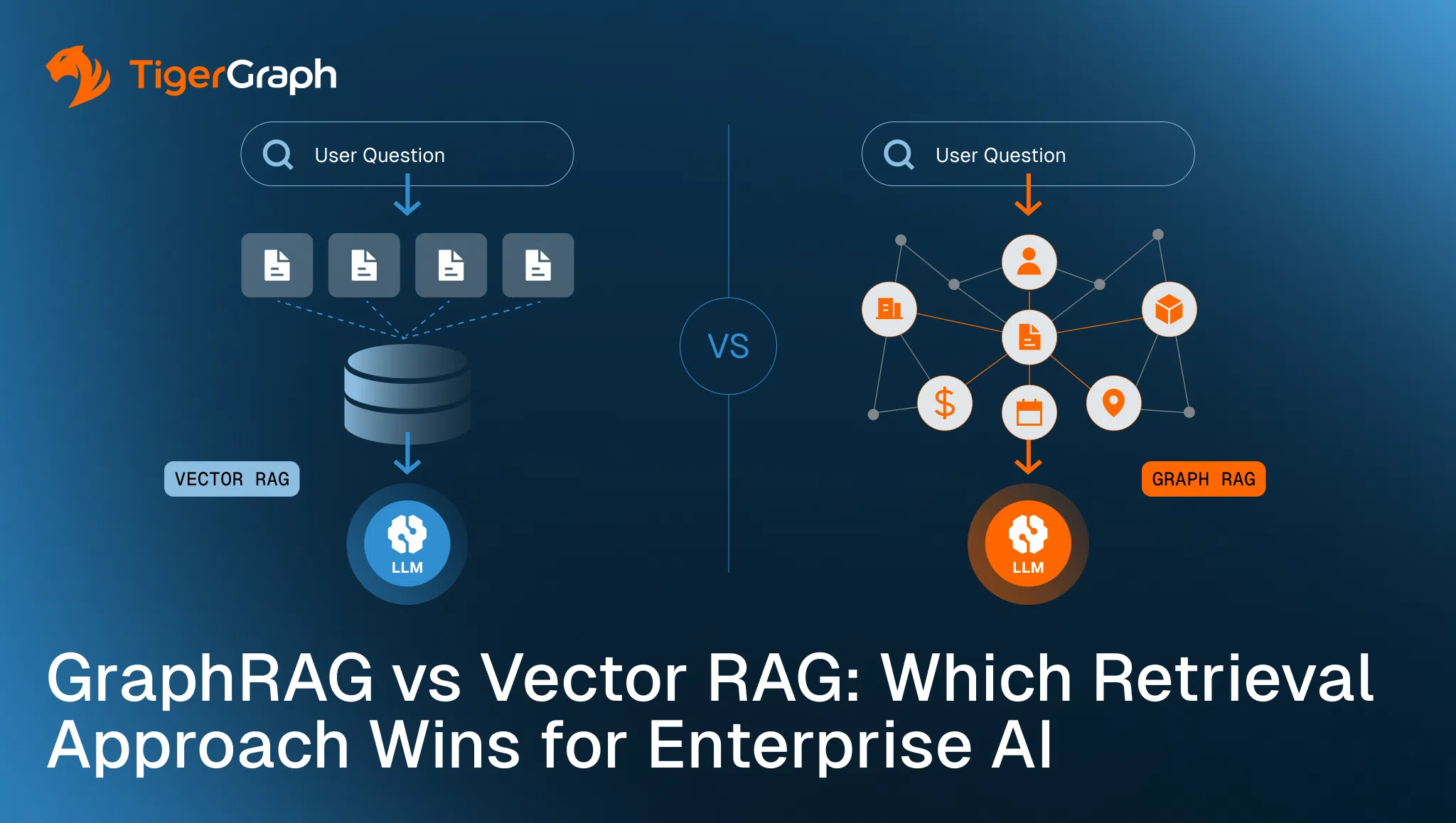
    GraphRAG vs Vector RAG: Which Retrieval Approach Wins for Enterprise AI

    Vector RAG and GraphRAG solve different retrieval problems. Compare both across accuracy, explainability, and use-case fit, and learn why hybrid retrieval is becoming the enterprise default.

    Discover
    AdvancedHow-to guideJun 23, 2026

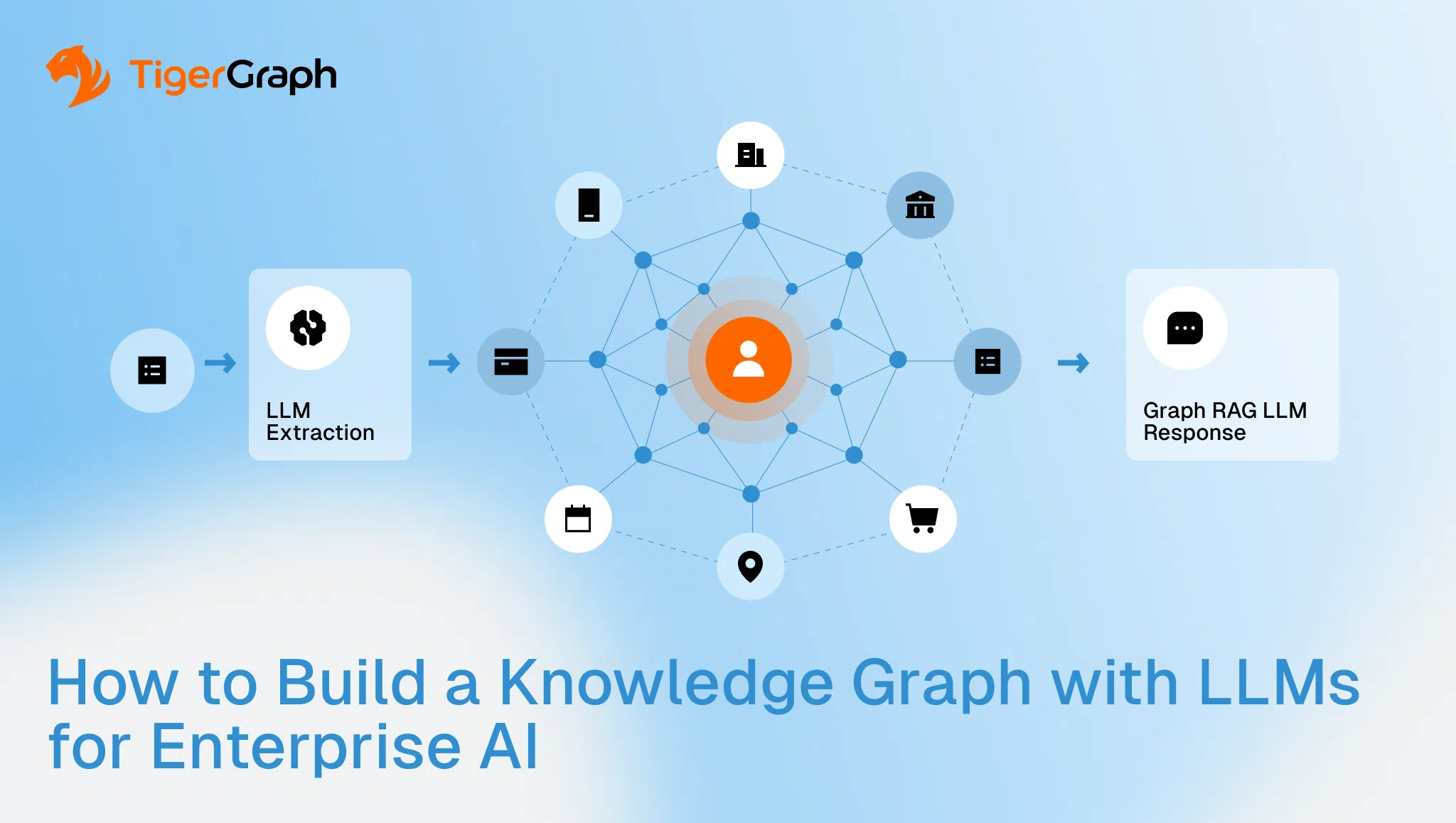
    How to Build a Knowledge Graph with LLMs for Enterprise AI

    Learn how to build an enterprise knowledge graph with LLMs: entity extraction, schema design, GraphRAG integration, data governance, and production-scale architecture.

    Discover
    Concept
    ConceptApr 10, 2026

    Multimodal Embeddings

    Multimodal embeddings are vector representations that allow different types of inputs, such as text and images, to be compared in the same space. Instead of creating separate representations for each format, a model maps text, images, or other inputs into a shared embedding space. When two items land close together in

    Discover
    Concept
    BeginnerConceptApr 10, 2026

    Propagation in Graphs

    Propagation in graphs refers to the process of spreading status information, entity descriptions, computed values, or other data across connected entities within a network. In a graph, data is represented using nodes and edges. Nodes represent entities such as people, accounts, devices, or products. Edges represent the relationships connecting those

    Discover
    Concept
    BeginnerConceptApr 10, 2026

    Accumulators

    Accumulators are shared data objects that can accept new data from multiple sources and produce an aggregate result based on all the contributions. In a graph algorithm, accumulators collect and combine information from many connected parts of the graph as it runs. In a graph, data is represented as nodes (entities such

    Discover
    ConceptFeb 27, 2026

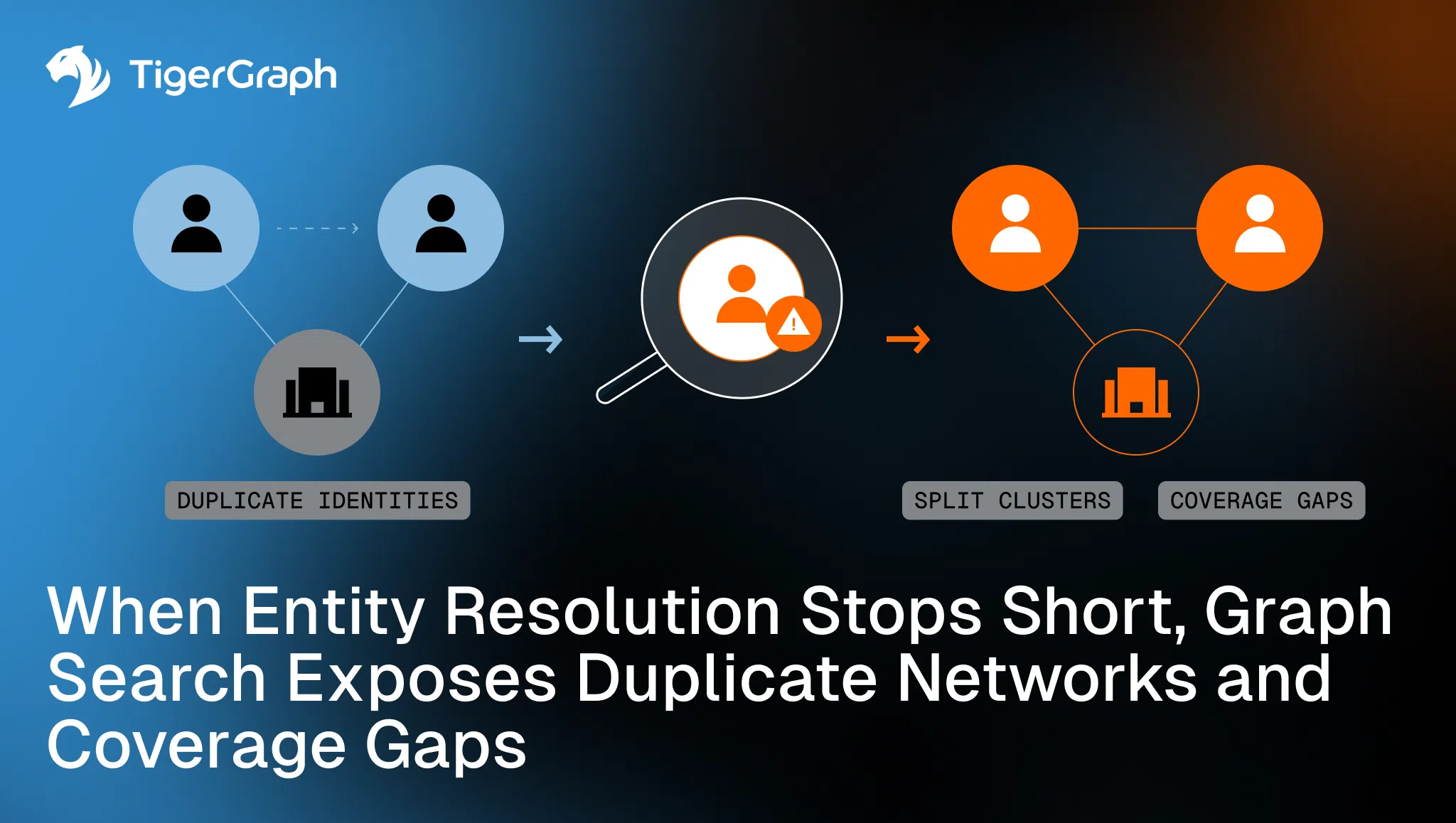
    When Entity Resolution Stops Short, Graph Search Exposes Duplicate Networks and Coverage Gaps

    Entity resolution (ER) quality issues surface as blind spots. They could be duplicate identities that never converge, clusters that should be connected but are not, or networks that stop expanding even though relevant data exists. These failures are difficult to detect because

    Discover
    How-to guideFeb 25, 2026

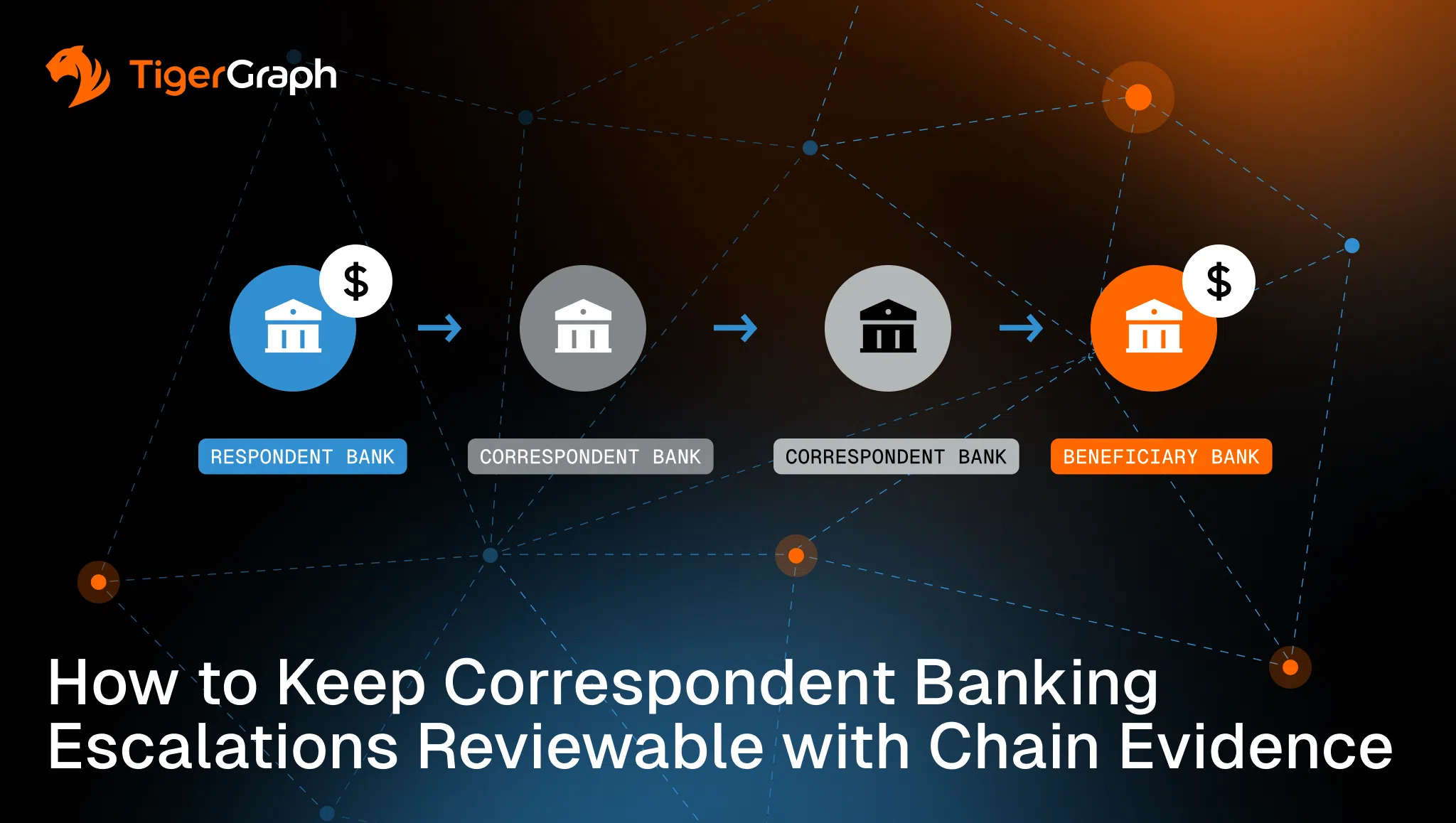
    How to Keep Correspondent Banking Escalations Reviewable with Chain Evidence

    Many escalation decisions in correspondent banking are unknowingly made in the dark, as they often depend on relationship chains that are not visible in the transaction record. Teams need a way to retrieve a broader chain quickly and preserve it as evidence so reviewers can

    Discover
    How-to guideFeb 20, 2026

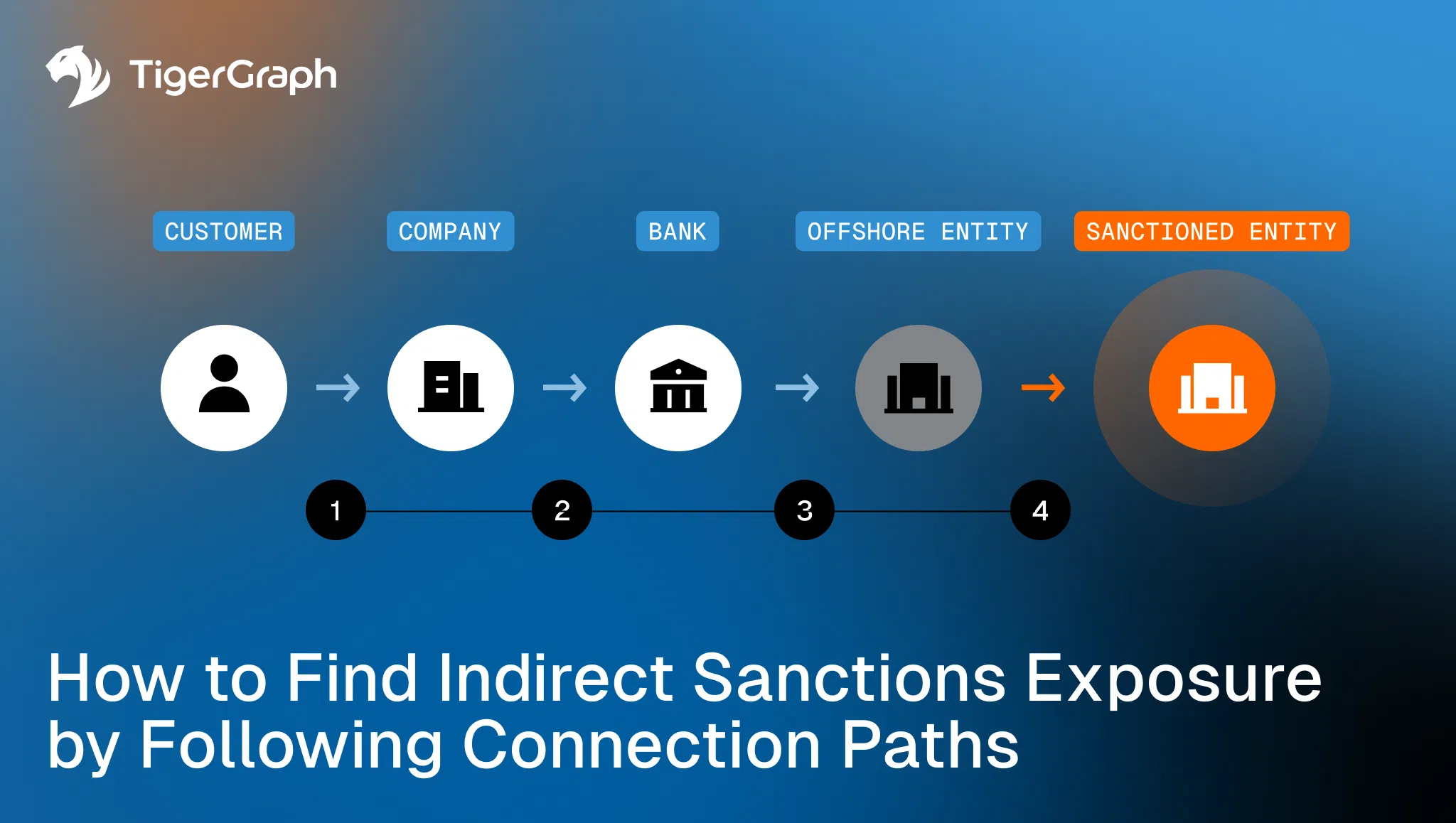
    How to Find Indirect Sanctions Exposure by Following Connection Paths

    Sanctions exposure often does not show up as a clean match to a name on a list. It shows up one or two relationship steps away, through intermediaries, ownership layers, shared infrastructure, or routing choices that only become clear when you follow the chain. Direct

    Discover
    1234…62