TigerGraph
ResourcesPathfinderDiscord(opens in a new tab)
Resources

Everything, In One Wall

Videos, courses, hands-on tutorials, docs, and blog posts. One place for every phase of learning.

TigerGraph
ResourcesPathfinderDiscord(opens in a new tab)

© 2026 Tiger Graph Dev Hub. All rights reserved.

  • Privacy Policy|
  • Terms of Service

Applied · 6

Clear all
  • Release note
  • Event
  • Tutorial
  • Case study
  • Reference
  • Concept

Levels

  • All Resources
  • Beginner
  • Intermediate
  • Advanced

Categories

  • Videos514
  • Docs644

596 resources · page 1 of 50

NewestOldest
3 Col Grid2 Col GridList
IntermediateTutorial

Glossary
50
  • Blog posts222
  • Code & samples126
  • Graph Resources52
  • Assets

    • Definition36
    • Tutorial113
    • How-to guide319
    • Reference312
    • Concept109
    • Troubleshooting12
    • Security advisory4
    • Runbook
    • Article173
    • Case study26
    • Talk298
    • Release note24
    • Demo114
    • Webinar12
    • Event12
    • Report24

    Tags

    • #Fraud and AML
    • #Entity resolution
    • #Recommendations
    • #GraphRAG and AI
    • #Graph machine learning
    • #Search
    • #Network analysis
    • #Performance and scale
    • #Running TigerGraph
    • #Evaluating graph
    Oct 15, 2026

    Migrating from Neo4j to TigerGraph: A Practical Architecture, Data, and Query Playbook

    Moving from Neo4j to TigerGraph? Learn how to assess your architecture, map your data model, handle Cypher queries, and validate performance before cutover.
    Discover
    IntermediateTutorialAug 18, 2026

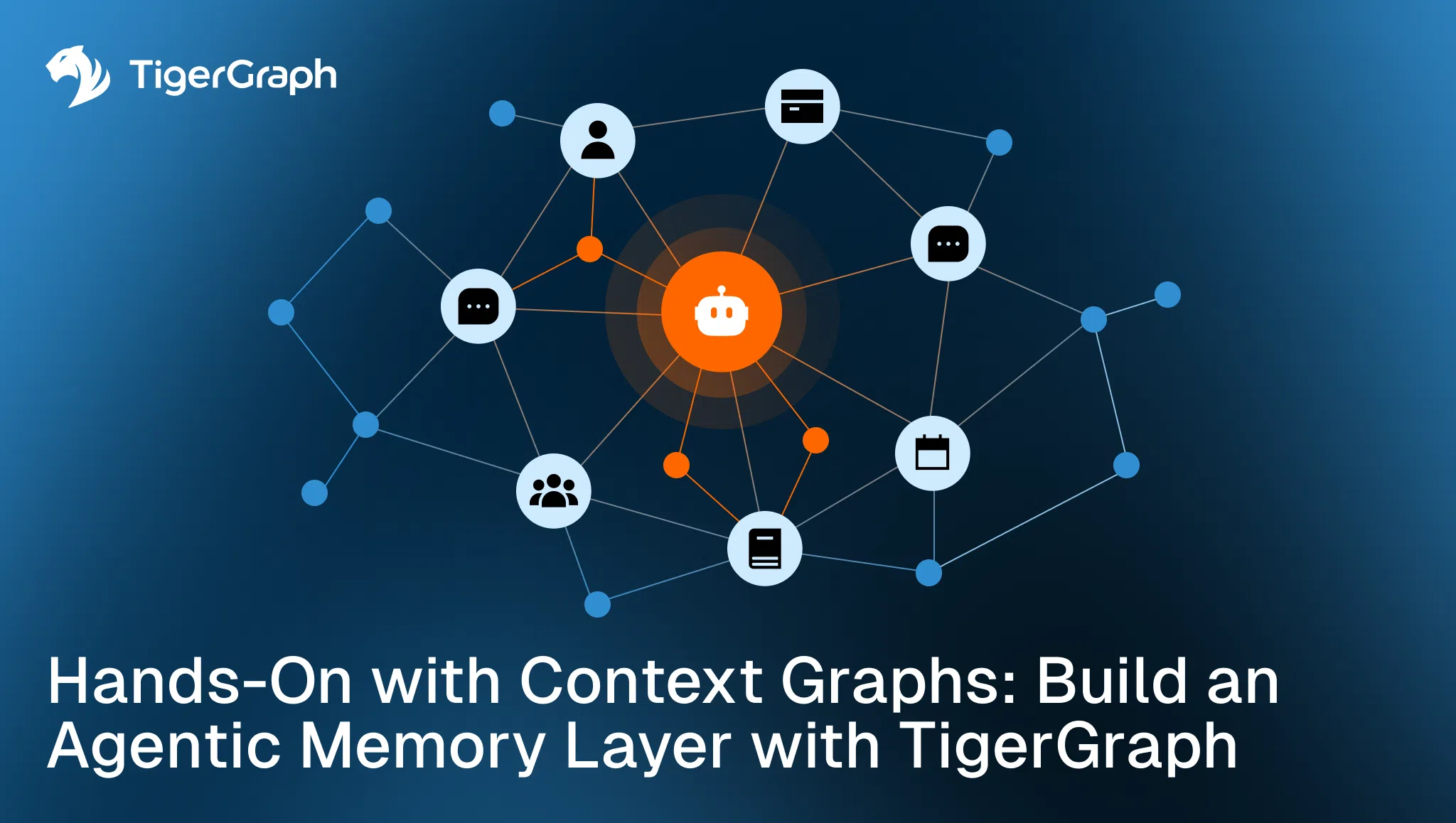
    Hands-On with Context Graphs: Build an Agentic Memory Layer with TigerGraph

    AI agents forget between sessions. Learn how to build a TigerGraph context graph that gives your agent persistent, relationship-aware memory in five steps.

    Discover
    ConceptAug 4, 2026

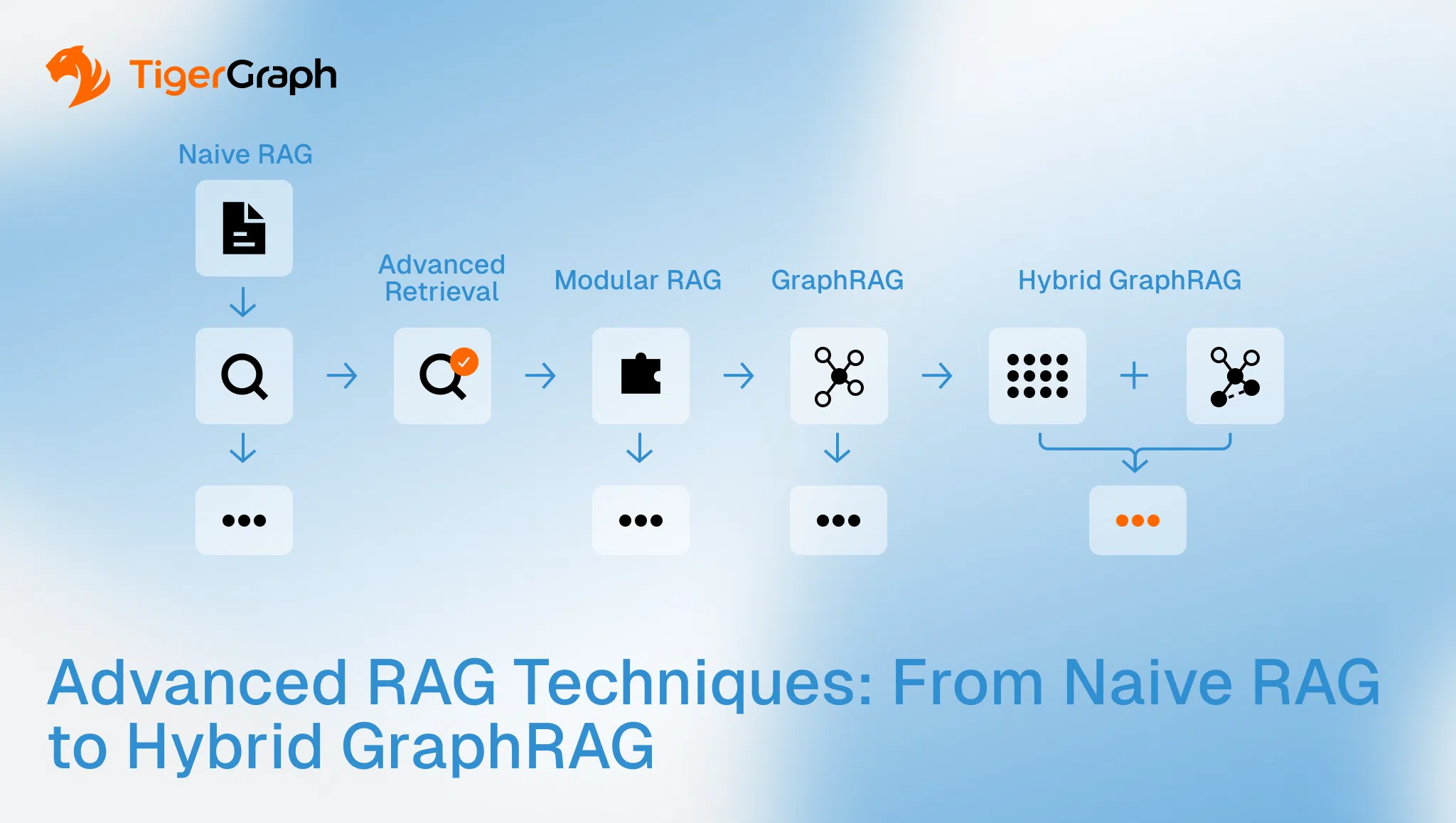
    Advanced RAG Techniques: From Naive RAG to Hybrid GraphRAG

    Discover advanced RAG techniques that fix retrieval quality ceilings, from chunking and re-ranking to GraphRAG and hybrid GraphRAG. Find the right architecture for your enterprise AI workload.

    Discover
    AdvancedRelease noteJul 15, 2026

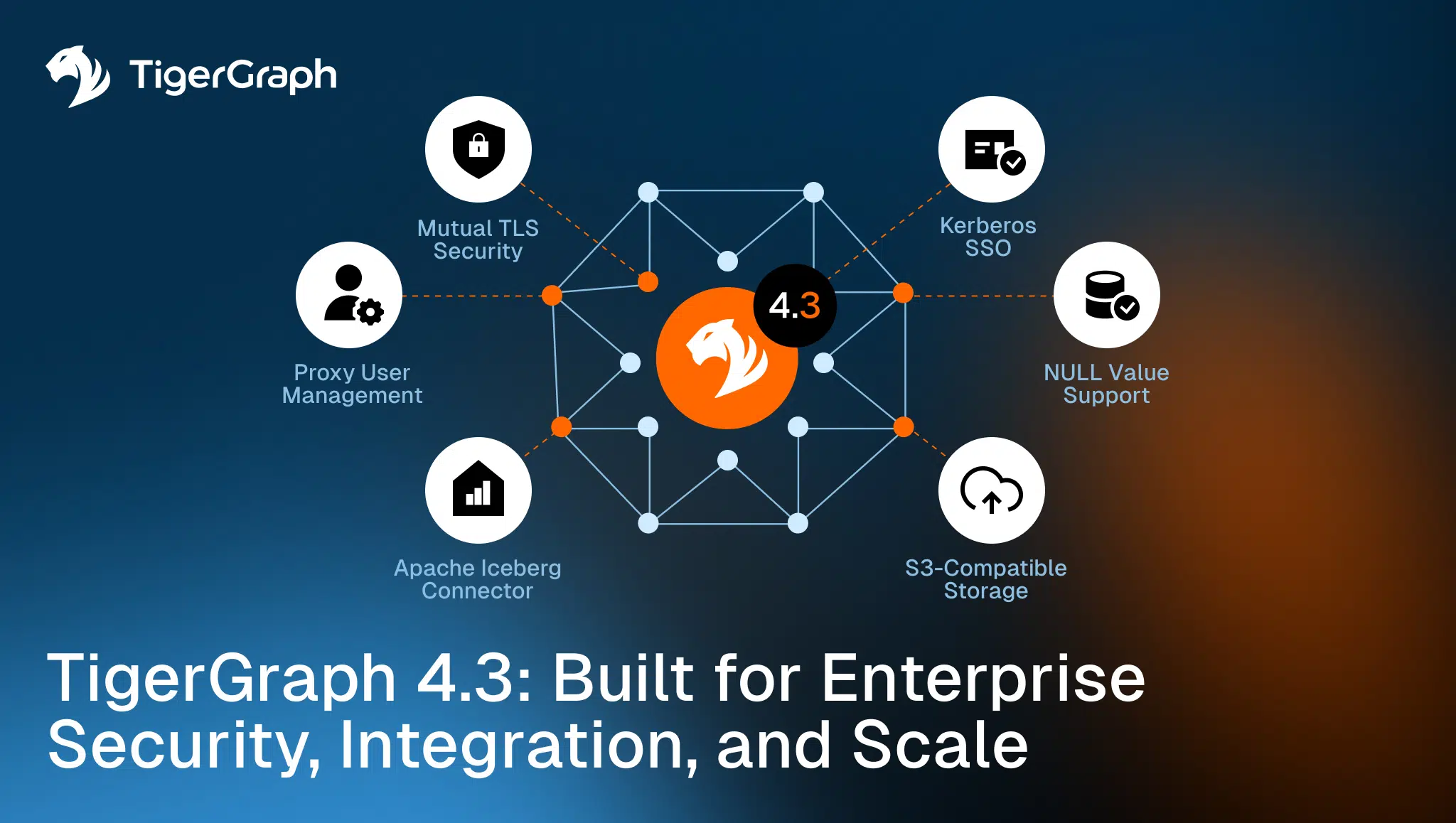
    TigerGraph 4.3: Built for Enterprise Security, Integration, and Scale

    Graph is becoming a core part of enterprise data and AI architecture. The next phase of graph adoption will not be determined only by what graph technology can do. It will be determined by how securely and seamlessly graph can operate within the enterprise. The real

    Discover
    EventJun 12, 2026

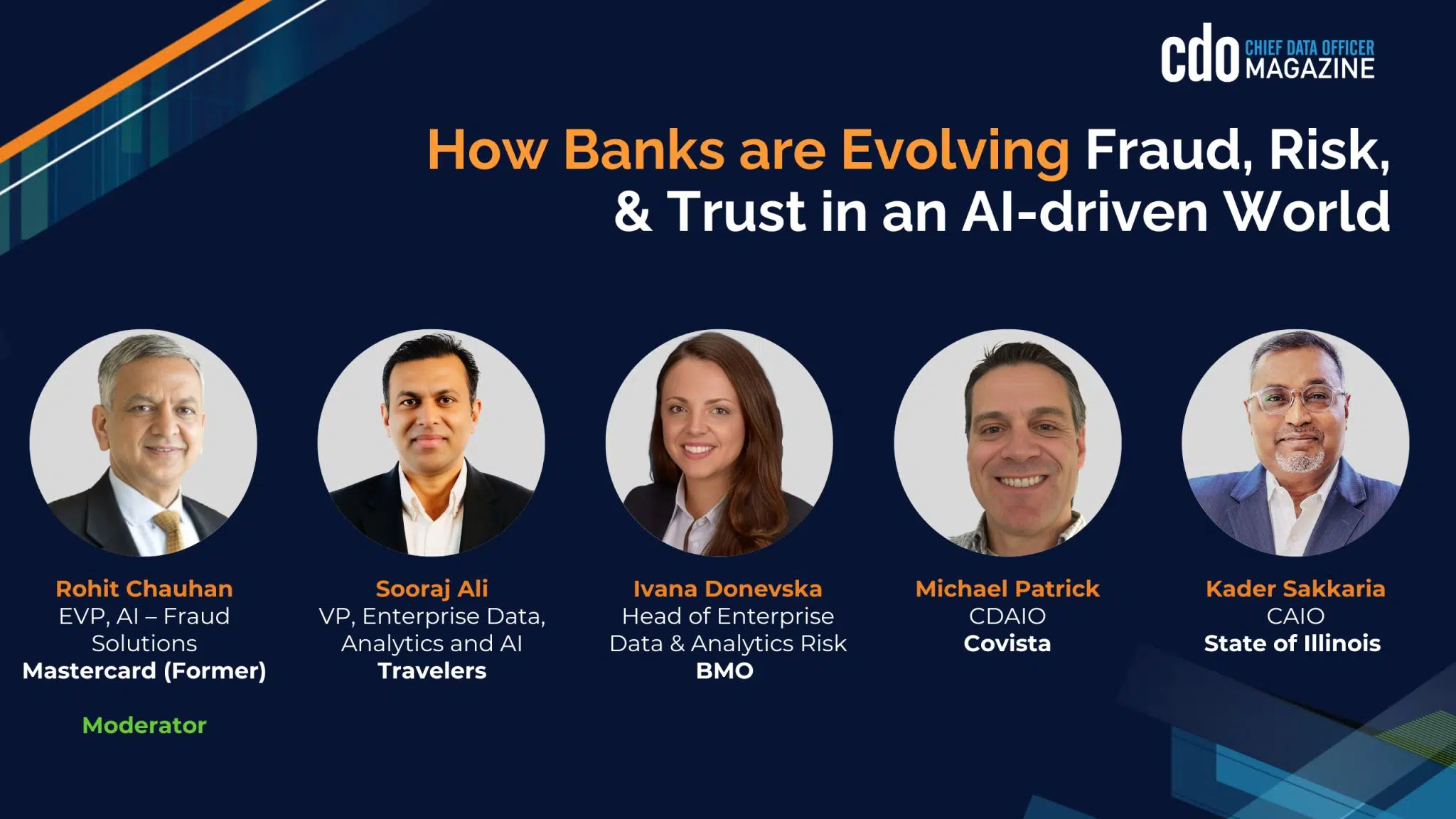
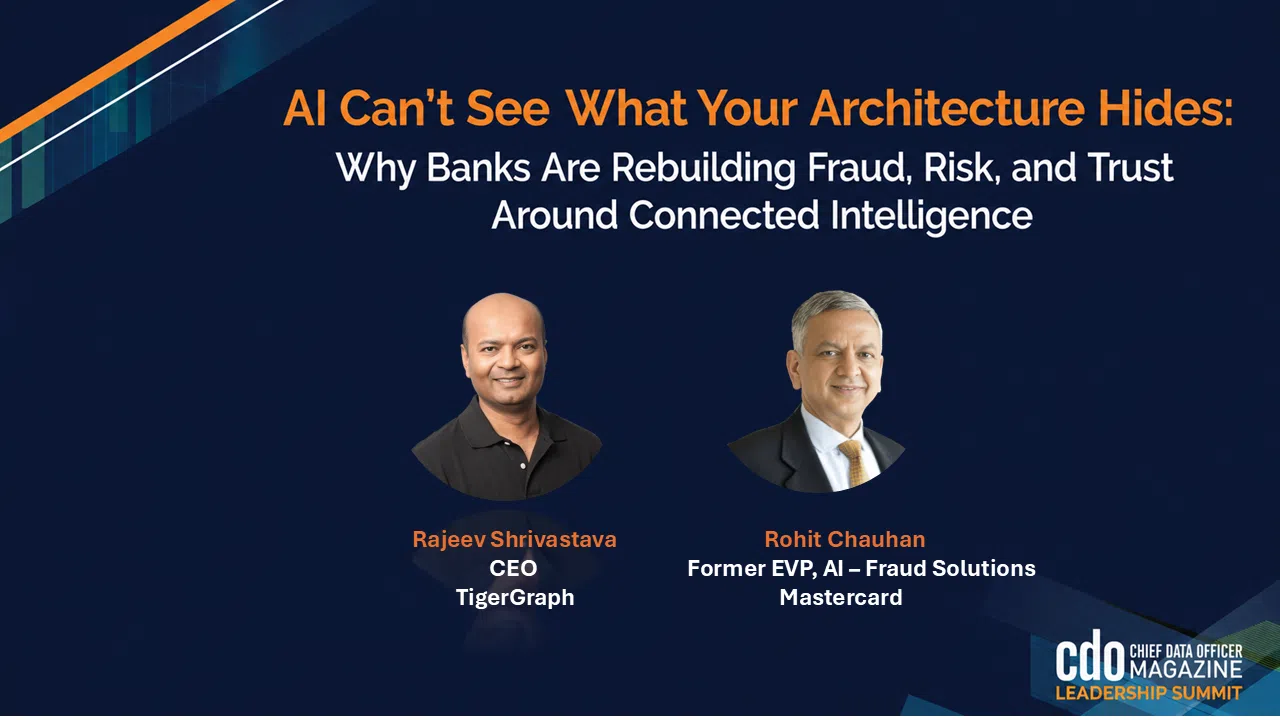
    June 22nd – CDO Mgz Enterprise AI Summit – Chicago

    Discover
    EventJun 11, 2026

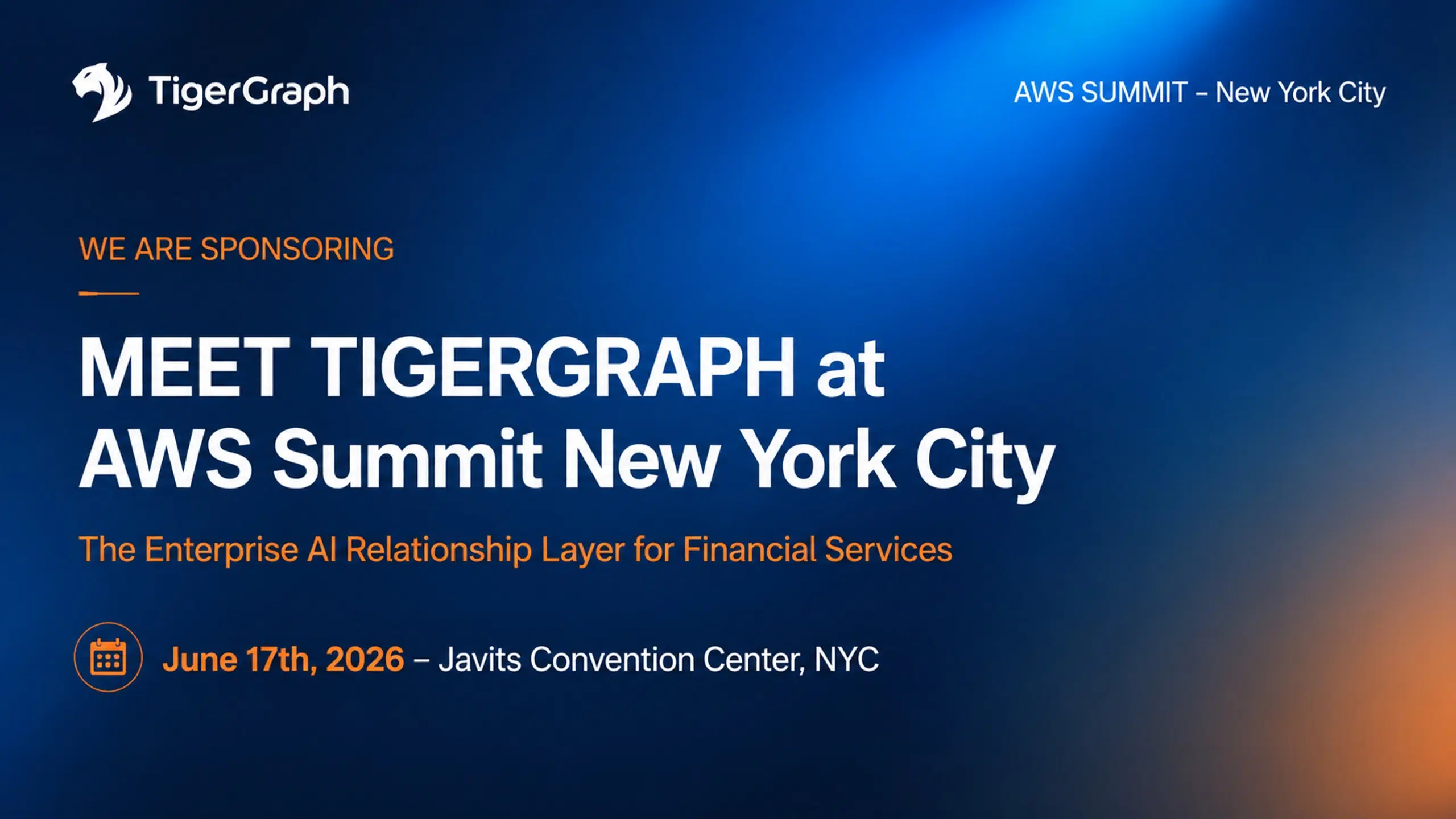
    June 17th – AWS Summit – New York City

    Discover
    EventJun 10, 2026

    June 4-6th – Money 20/20 – Europe

    Discover
    EventJun 6, 2026

    May 21st – CDO Mgz Toronto Leadership Summit

    Discover
    EventJun 5, 2026

    May 3-6th – Safeguard 2026

    Discover
    Concept
    ConceptApr 10, 2026

    Multimodal Embeddings

    Multimodal embeddings are vector representations that allow different types of inputs, such as text and images, to be compared in the same space. Instead of creating separate representations for each format, a model maps text, images, or other inputs into a shared embedding space. When two items land close together in

    Discover
    Concept
    BeginnerConceptApr 10, 2026

    Propagation in Graphs

    Propagation in graphs refers to the process of spreading status information, entity descriptions, computed values, or other data across connected entities within a network. In a graph, data is represented using nodes and edges. Nodes represent entities such as people, accounts, devices, or products. Edges represent the relationships connecting those

    Discover
    Concept
    BeginnerConceptApr 10, 2026

    Accumulators

    Accumulators are shared data objects that can accept new data from multiple sources and produce an aggregate result based on all the contributions. In a graph algorithm, accumulators collect and combine information from many connected parts of the graph as it runs. In a graph, data is represented as nodes (entities such

    Discover
    1234…50