TigerGraph
ResourcesPathfinderDiscord(opens in a new tab)
Resources

Everything, In One Wall

Videos, courses, hands-on tutorials, docs, and blog posts. One place for every phase of learning.

TigerGraph
ResourcesPathfinderDiscord(opens in a new tab)

© 2026 Tiger Graph Dev Hub. All rights reserved.

  • Privacy Policy|
  • Terms of Service

Levels

  • All Resources
  • Beginner
  • Intermediate
  • Advanced

Categories

  • Videos514
  • Docs644
  • Glossary50
  • Blog posts222
  • Code & samples126
  • Graph Resources52

Assets

  • Definition36
  • Tutorial113
  • How-to guide319
  • Reference312
  • Concept109

Tags

  • #Fraud and AML
  • #Entity resolution
  • #Recommendations
  • #GraphRAG and AI
  • #Graph machine learning
  • #Search
  • #Network analysis
  • #Performance and scale
  • #Running TigerGraph
  • #Evaluating graph

1608 resources · page 10 of 134

NewestOldest
3 Col Grid2 Col GridList
Definition
DefinitionApr 10, 2026

Agentic AI

Agentic AI refers to artificial intelligence systems that can plan and execute actions in pursuit of a defined goal. Most traditional AI systems respond to a prompt and generate a single output. For example, you ask a question and the system produces an answer. Once the response is delivered, the interaction
  • Troubleshooting12
  • Security advisory4
  • Runbook
  • Article173
  • Case study26
  • Talk298
  • Release note24
  • Demo114
  • Webinar12
  • Event12
  • Report24
  • Discover
    Concept
    BeginnerConceptApr 10, 2026

    Propagation in Graphs

    Propagation in graphs refers to the process of spreading status information, entity descriptions, computed values, or other data across connected entities within a network. In a graph, data is represented using nodes and edges. Nodes represent entities such as people, accounts, devices, or products. Edges represent the relationships connecting those

    Discover
    Definition
    BeginnerDefinitionApr 10, 2026

    Shortest Path

    The shortest path is the most efficient way to travel from one point to another within a network. In graph theory, the shortest path in a graph refers to calculating the route between two nodes that minimizes total cost. A node represents a point, and edges connect those points. Each

    Discover
    Concept
    BeginnerConceptApr 10, 2026

    Accumulators

    Accumulators are shared data objects that can accept new data from multiple sources and produce an aggregate result based on all the contributions. In a graph algorithm, accumulators collect and combine information from many connected parts of the graph as it runs. In a graph, data is represented as nodes (entities such

    Discover
    ArticleApr 10, 2026

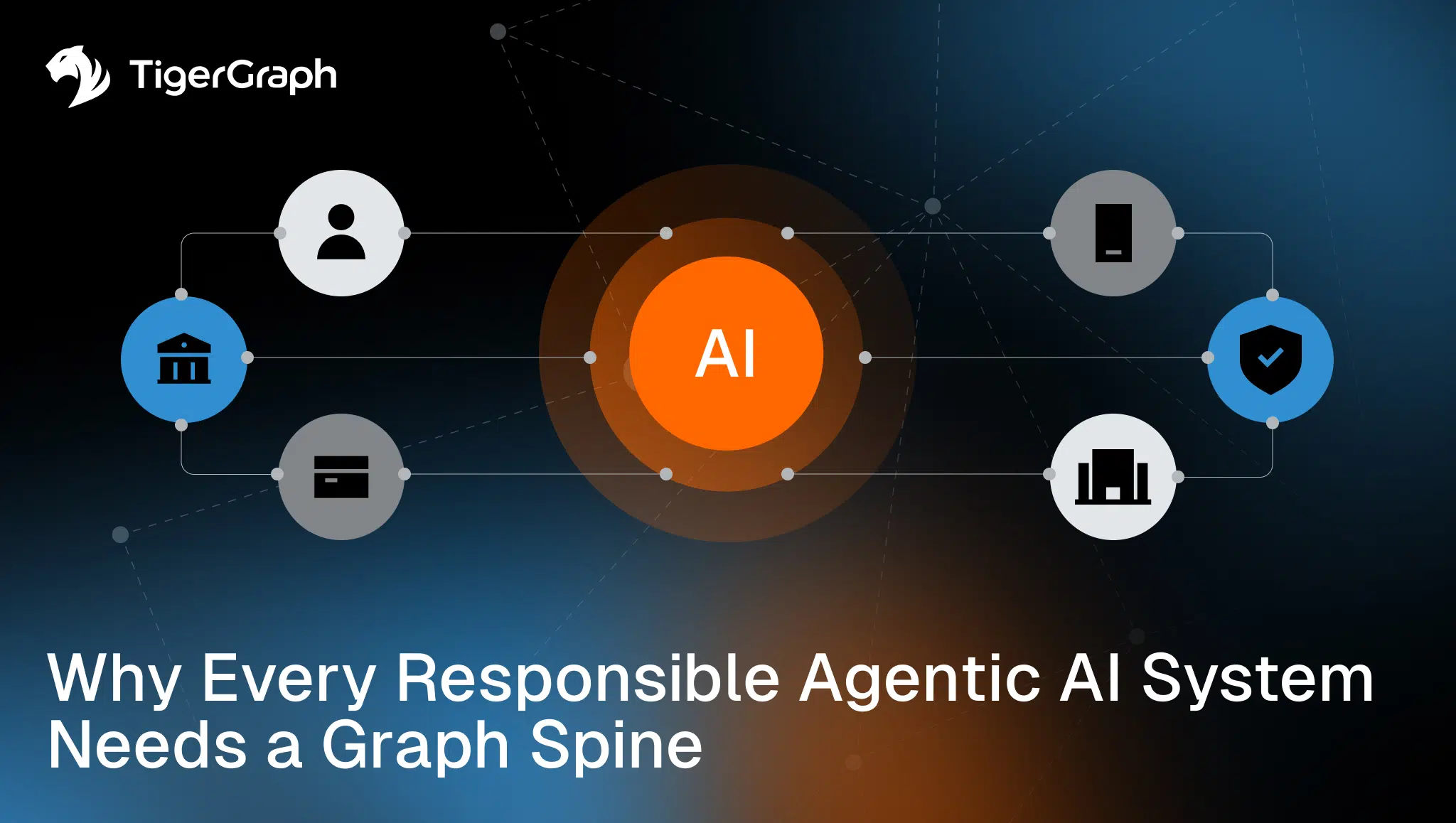
    Why Every Responsible Agentic AI System Needs a Graph Spine

    Autonomous systems are being asked to do more than generate answers. They are being asked to take action. When an AI system approves a payment, flags a customer, routes a case, or blocks a transaction, that action must be grounded in context. It must be

    Discover
    ArticleApr 10, 2026

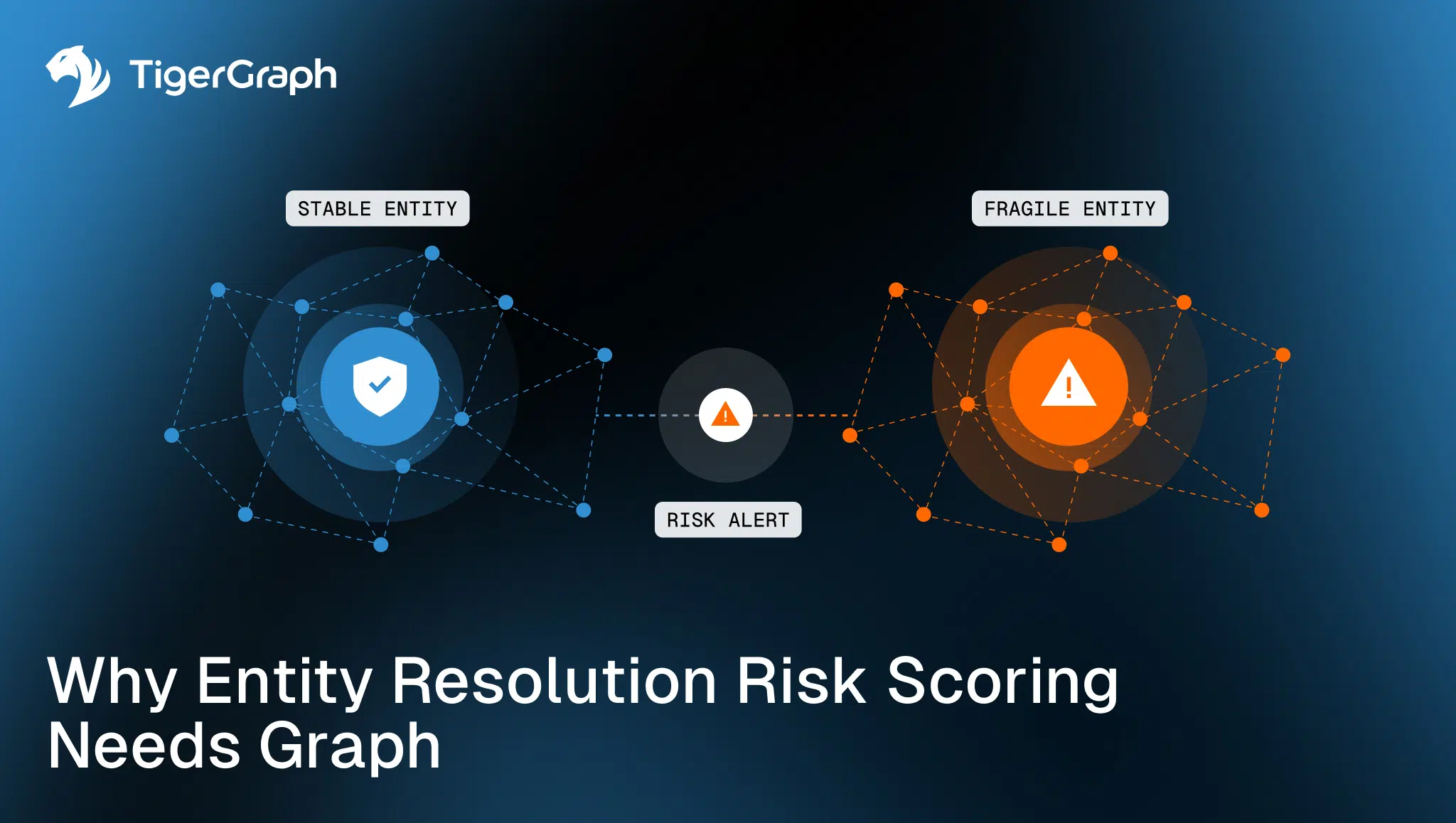
    Why Entity Resolution Risk Scoring Needs Graph

    Entity resolution decisions shape risk, compliance and customer experience long before a case is ever reviewed. Yet many programs treat resolution outcomes as binary. Records are linked or they are not. Entities are resolved or unresolved. That assumption creates blind exposure. Some resolved entities are structurally stable and

    Discover
    ArticleApr 10, 2026

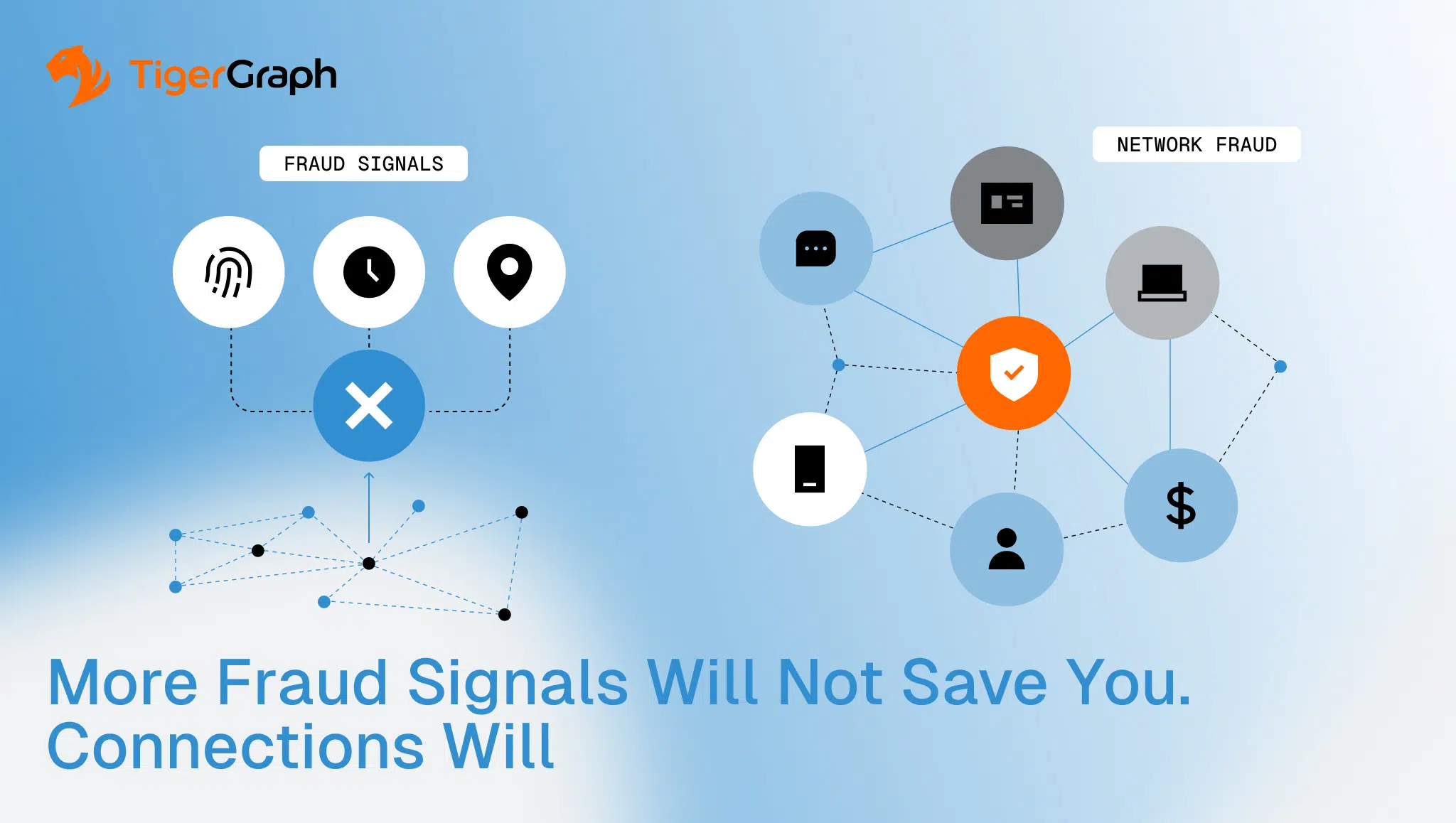
    More Fraud Signals Will Not Save You. Connections Will.

    Fraud teams today can collect hundreds of behavioral and technical signals during a single verification session. Ten years ago, the challenge was signal scarcity. Teams wished they had more visibility. That is no longer the problem. The problem today is signal saturation. Modern fraud systems are

    Discover
    ArticleApr 10, 2026

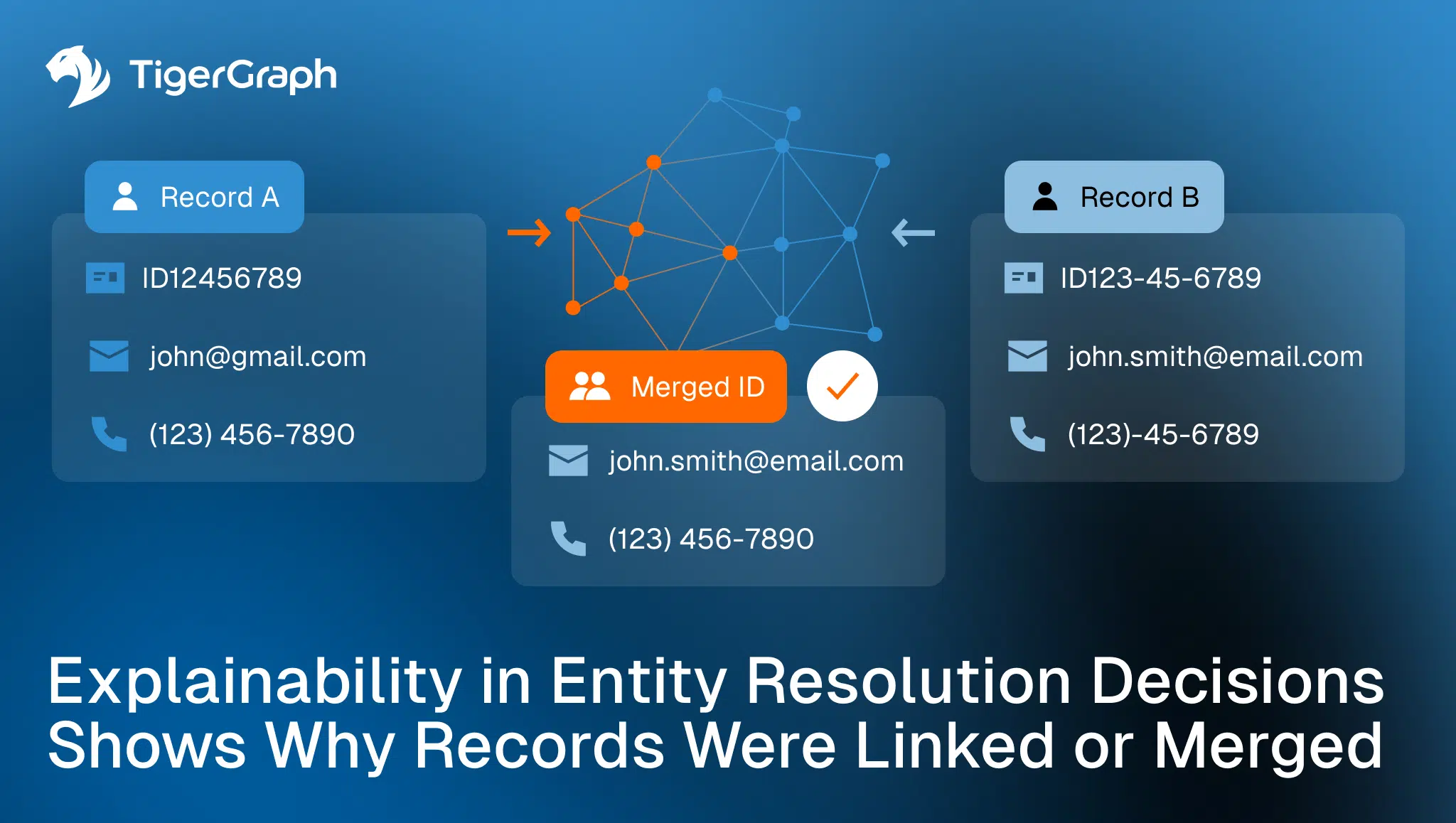
    Explainability in Entity Resolution Decisions Shows Why Records Were Linked or Merged

    Entity resolution decisions shape everything that follows. Alerts, investigations, risk scores, suppressions, and escalations all depend on whether records were linked, merged or kept separate. Yet in many programs, the reasoning behind those decisions is difficult to retrieve after the fact. When reviewers,

    Discover
    BeginnerArticleApr 10, 2026

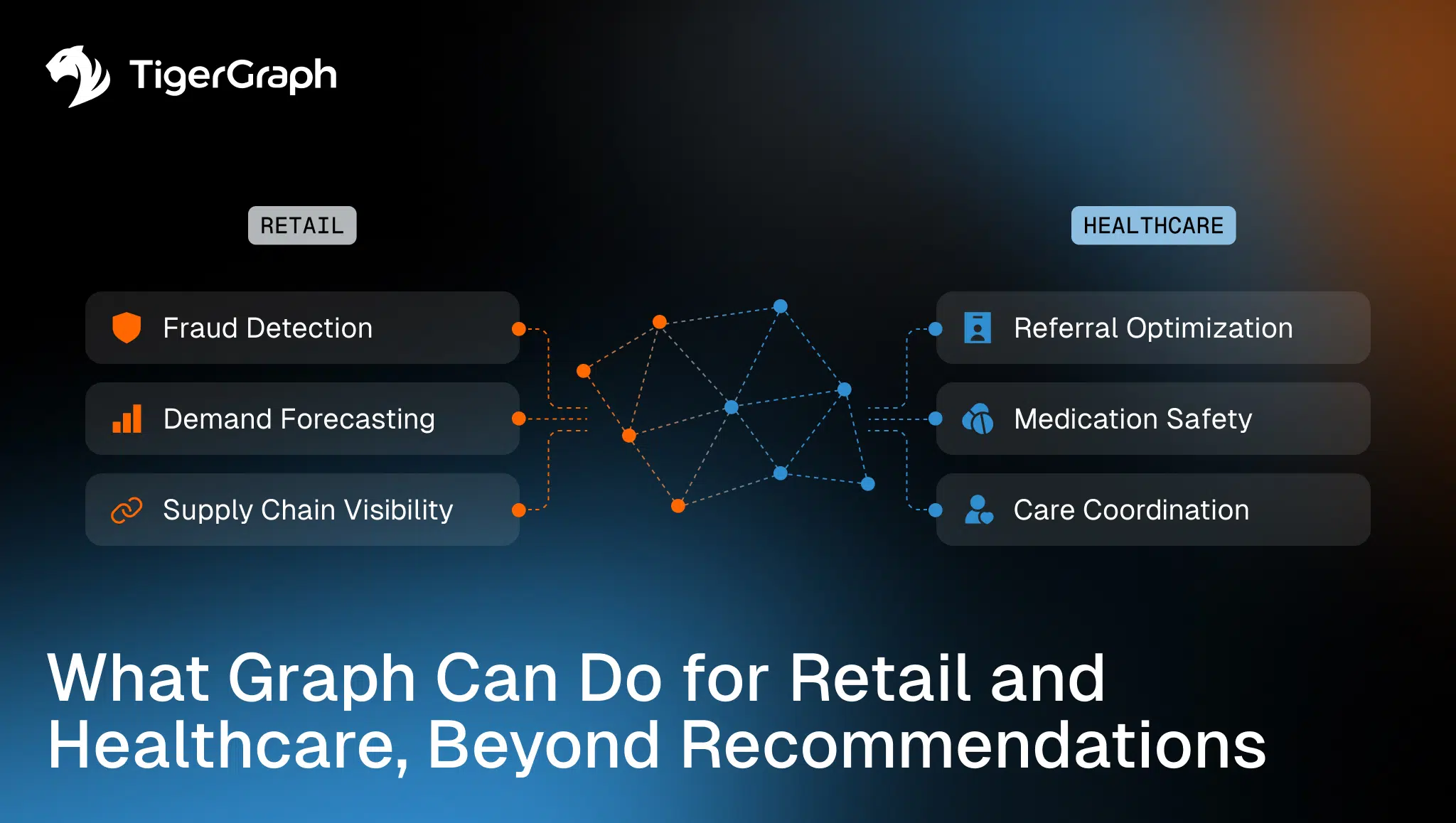
    What Graph can do for Retail and Healthcare, Beyond Recommendations

    Most organizations believe they understand their customers or patients. They have dashboards, reports and metrics trending in the right direction. What they often do not have is a clear view of how everything connects. Retailers see transactions. Healthcare systems see visits. Executives see totals, averages,

    Discover
    ArticleApr 10, 2026

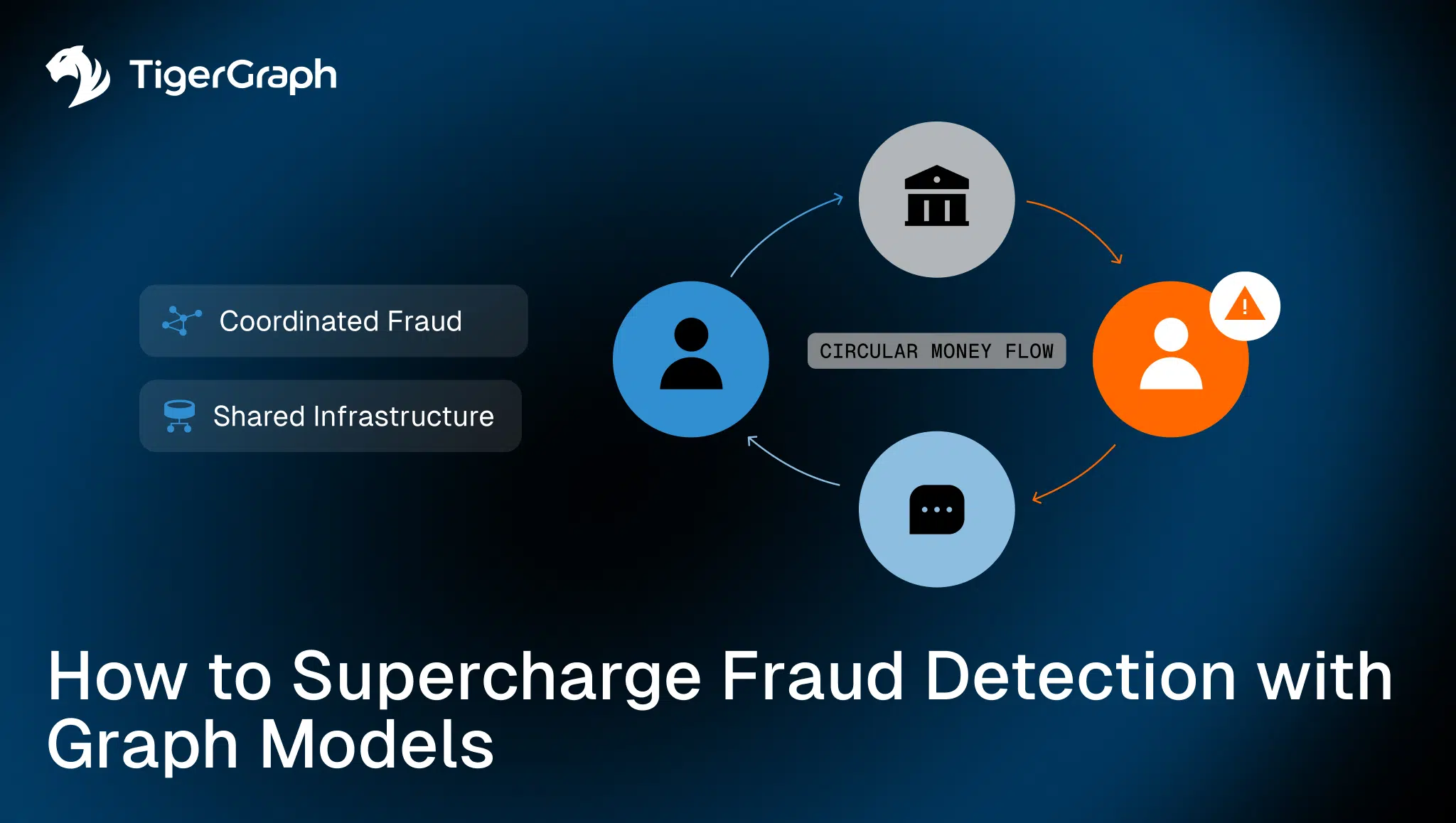
    How to Supercharge Fraud Detection with Graph Models

    Fraud is a network problem. It rarely appears as one obviously suspicious transaction. More often, it unfolds over time as a sequence of actions across multiple accounts, devices, and payment instruments. Funds move in loops, within accounts that share infrastructure. Money is layered through intermediaries and the

    Discover
    ArticleApr 10, 2026

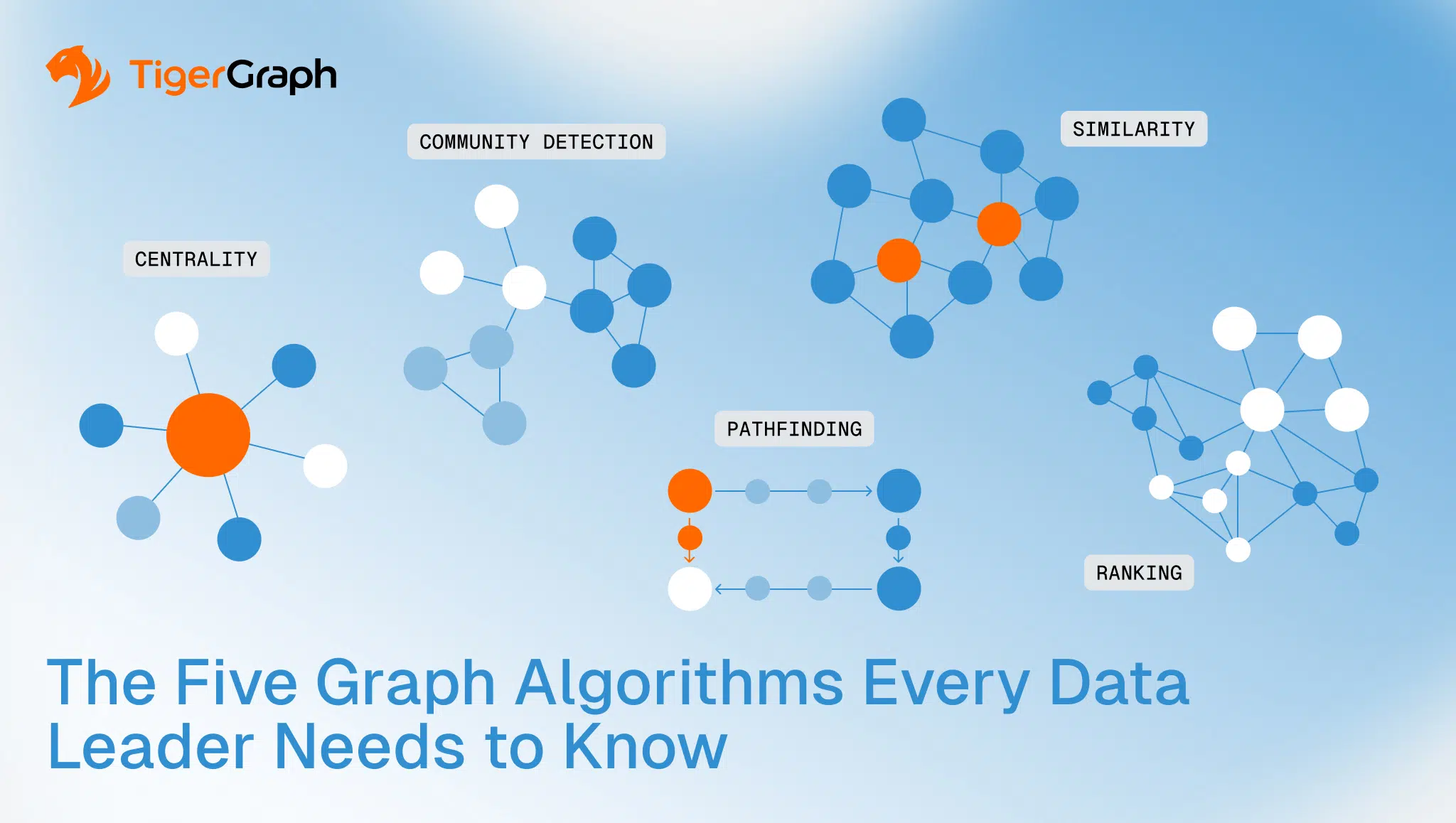
    The Five Graph Algorithms Every Data Leader Needs to Know

    Most data leaders are fluent in metrics. They understand revenue trends, customer acquisition costs, churn rates, and performance dashboards. They can interpret forecasts, run regression models, and evaluate model accuracy. That fluency matters, but modern enterprise systems are no longer defined by isolated metrics. They

    Discover
    ArticleApr 10, 2026

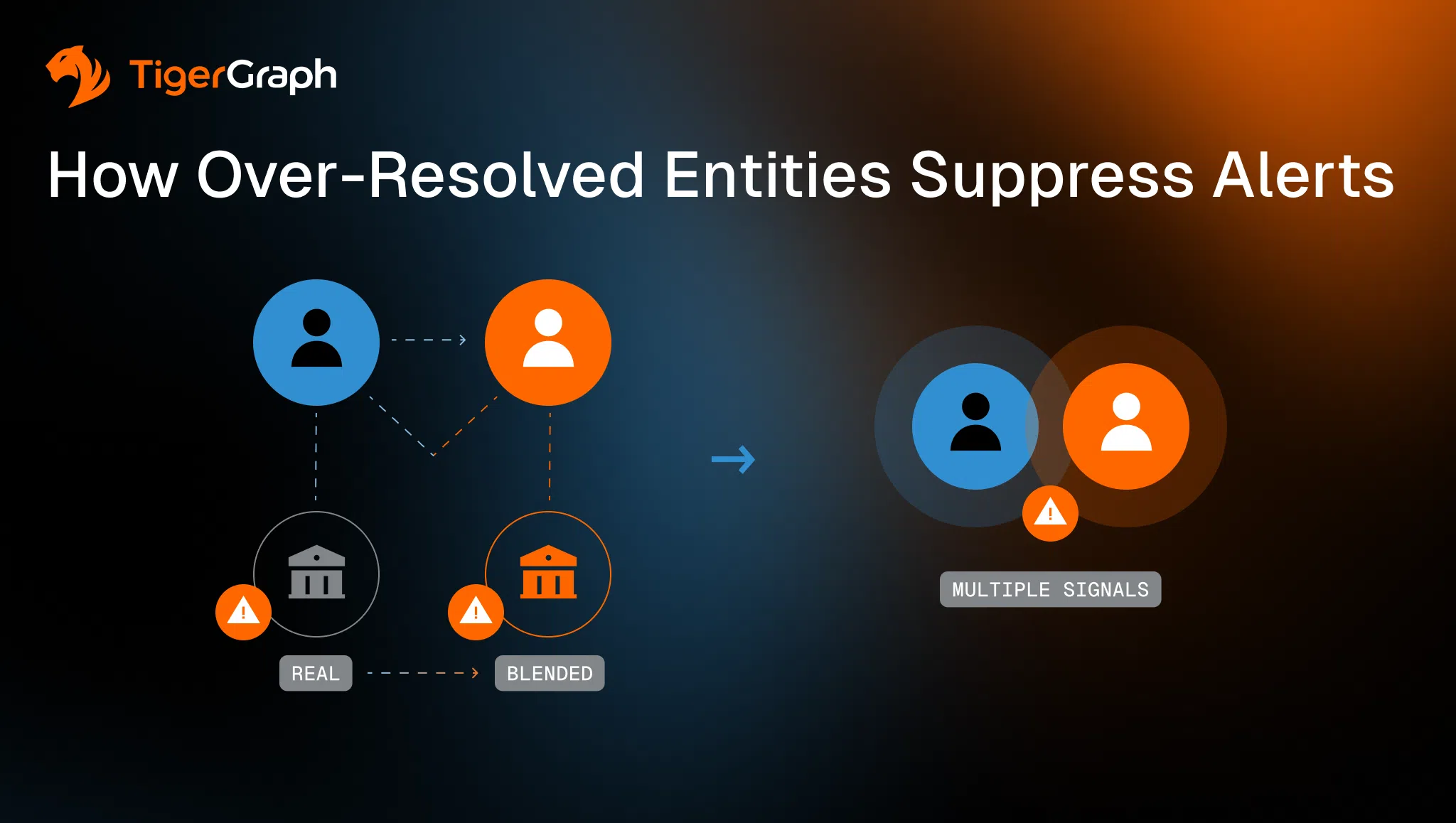
    How Over-Resolved Entities Suppress Alerts

    Most monitoring failures are discussed as detection problems, meaning missed rules, weak thresholds or gaps in coverage. Less attention is paid to a quieter failure that sits upstream of detection and quietly reshapes what the system can see: Over-resolved entities. When entity resolution collapses multiple real-world identities into a single

    Discover
    1…91011…134