TigerGraph
ResourcesPathfinderDiscord(opens in a new tab)
Resources

Everything, In One Wall

Videos, courses, hands-on tutorials, docs, and blog posts. One place for every phase of learning.

TigerGraph
ResourcesPathfinderDiscord(opens in a new tab)

© 2026 Tiger Graph Dev Hub. All rights reserved.

  • Privacy Policy|
  • Terms of Service

Applied · 3

Clear all
  • Tutorial
  • Article
  • Case study

Levels

  • All Resources
  • Beginner
  • Intermediate
  • Advanced

Categories

  • Videos514
  • Docs644
  • Glossary50
  • Blog posts222

Assets

  • Definition36
  • Tutorial113
  • How-to guide319
  • Reference312

Tags

  • #Fraud and AML
  • #Entity resolution
  • #Recommendations
  • #GraphRAG and AI
  • #Graph machine learning
  • #Search
  • #Network analysis
  • #Performance and scale
  • #Running TigerGraph

312 resources · page 6 of 26

NewestOldest
3 Col Grid2 Col GridList
ArticleApr 21, 2026

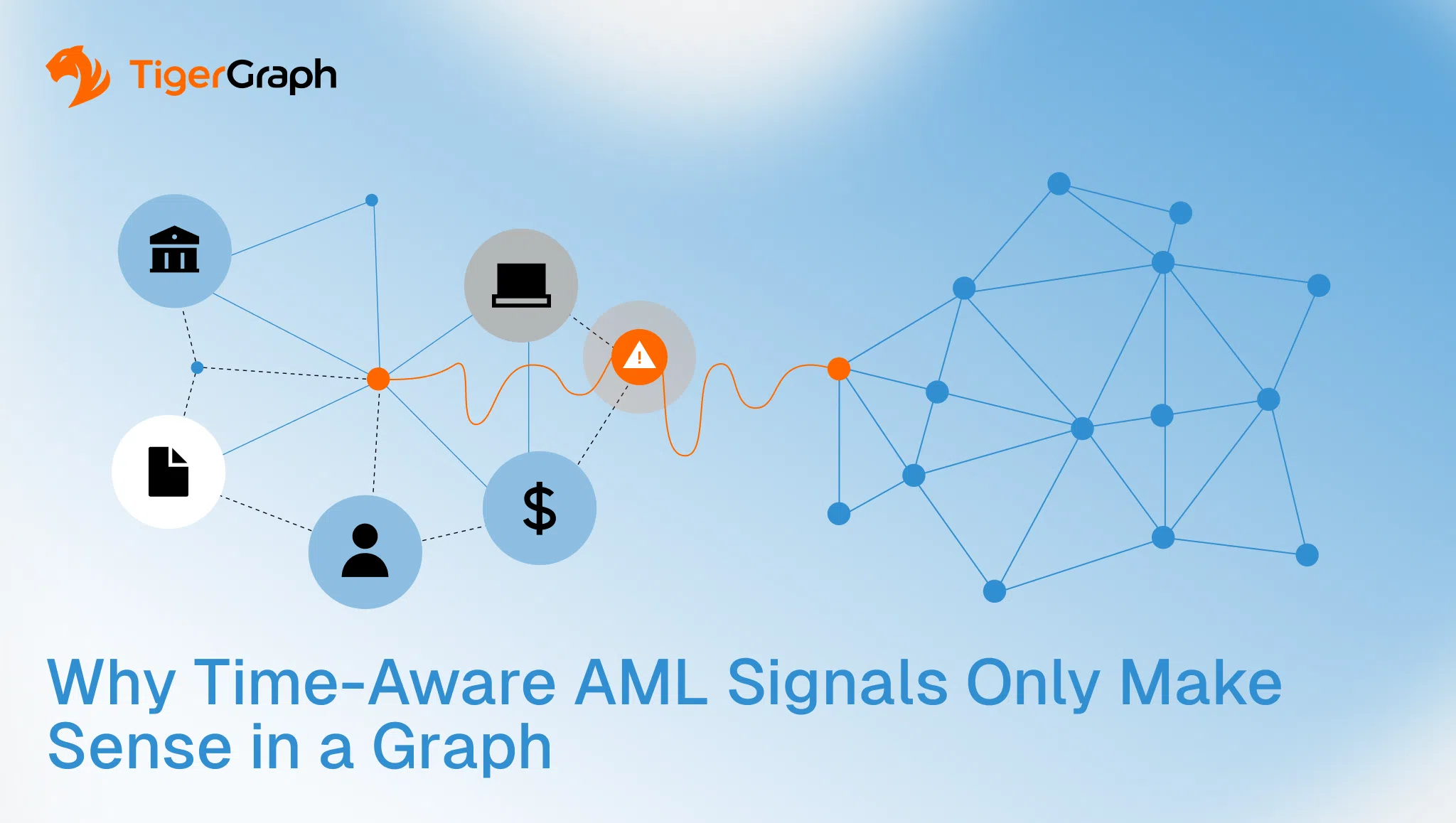
Why Time-Aware AML Signals Only Make Sense in a Graph

Money laundering detection and investigation relies on analyzing transaction and account behavior for signals that point towards possible illicit activity. A dormant account that wakes up is not automatically suspicious. A dormant account that wakes up and follows the same routes as other connected entities
Code & samples
126
  • Graph Resources52
  • Concept
    109
  • Troubleshooting12
  • Security advisory4
  • Runbook
  • Article173
  • Case study26
  • Talk298
  • Release note24
  • Demo114
  • Webinar12
  • Event12
  • Report24
  • #Evaluating graph
    Discover
    ArticleApr 21, 2026

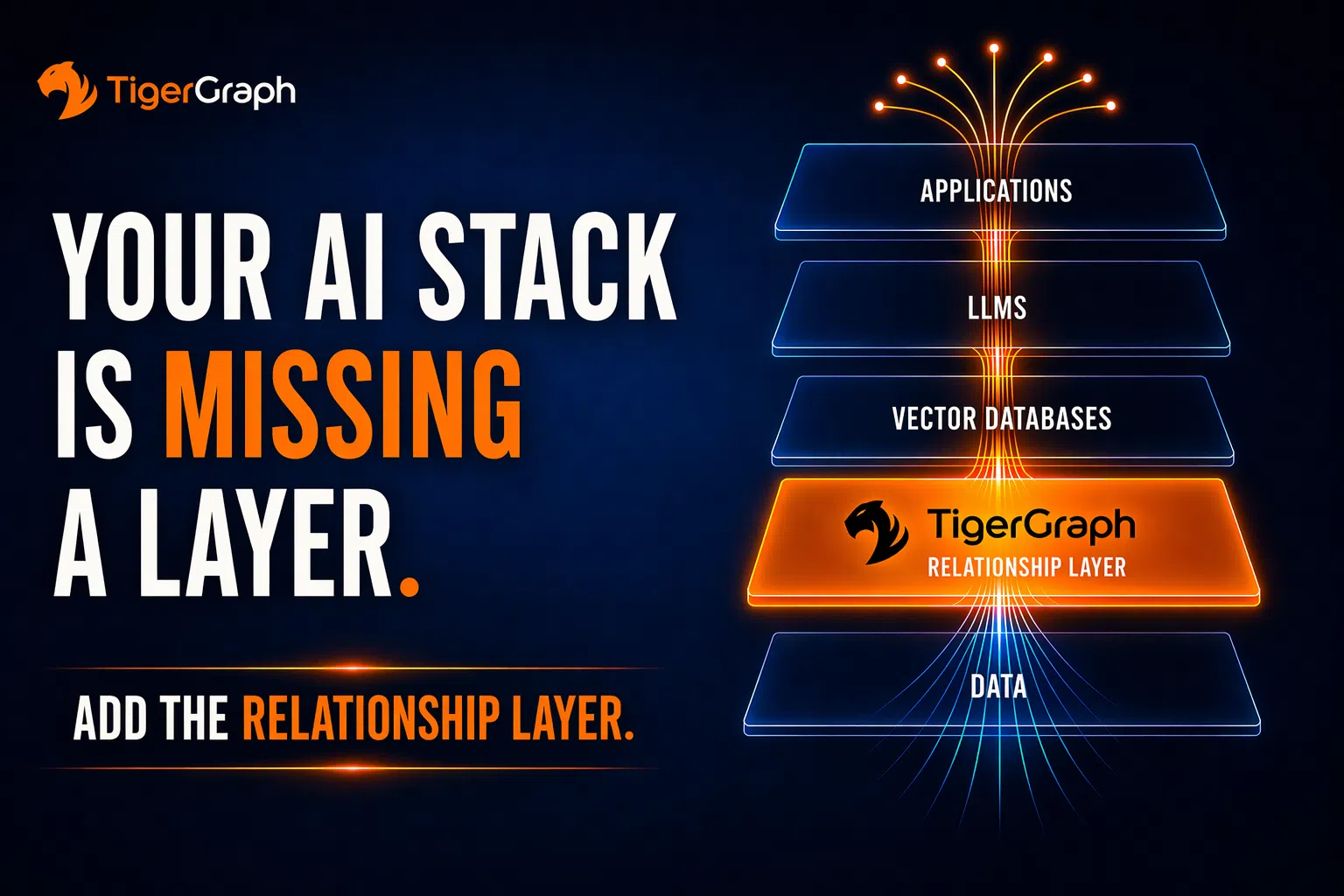
    The Missing Layer in Your AI Stack

    Most AI stacks look complete. On paper, they have everything: 1. Applications; 2. Large language models (LLMs), 3. Vector databases, and 4. Enterprise data. It feels like a full system. It isn’t. Because what looks complete is missing a critical form of understanding, one that no amount of data,

    Discover
    ArticleApr 19, 2026

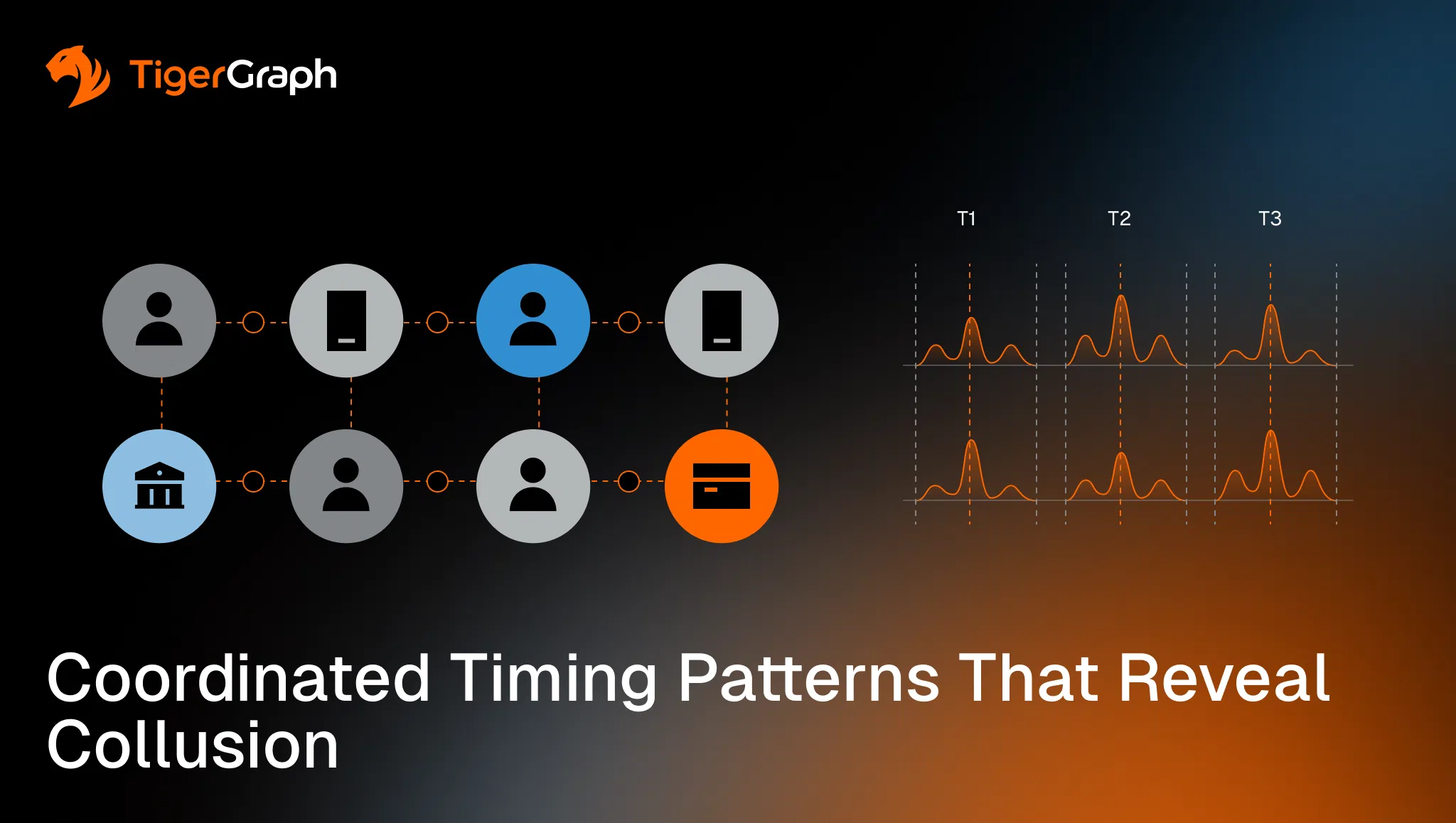
    Coordinated Timing Patterns That Reveal Collusion

    A busy day can look normal. Lots of payments, lots of movement, lots of noise. Coordination hides inside that noise because it is spread across different people, counterparties and time windows, so no single record looks decisive. The signal for possible financial crime shows up when timing repeats across

    Discover
    AdvancedArticleApr 18, 2026

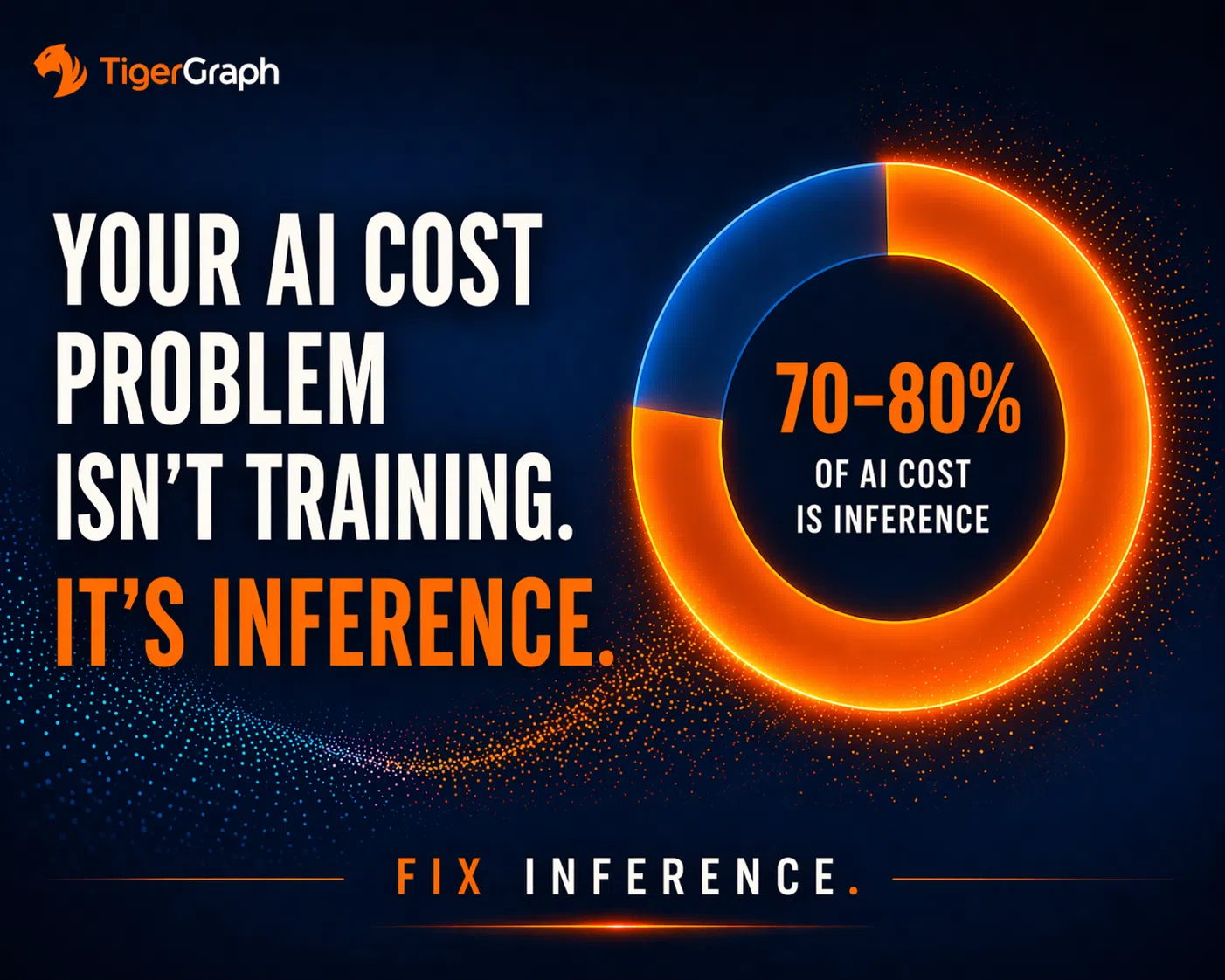
    Your AI Cost Problem Isn’t Training. It’s Inference.

    Training gets the headlines because it is visible, expensive, and easy to measure. It is where GPUs are purchased, clusters are built, and model benchmarks are set. But once a model is deployed, training largely disappears from the day-to-day reality of an enterprise system. Inference does not.

    Discover
    ArticleApr 16, 2026

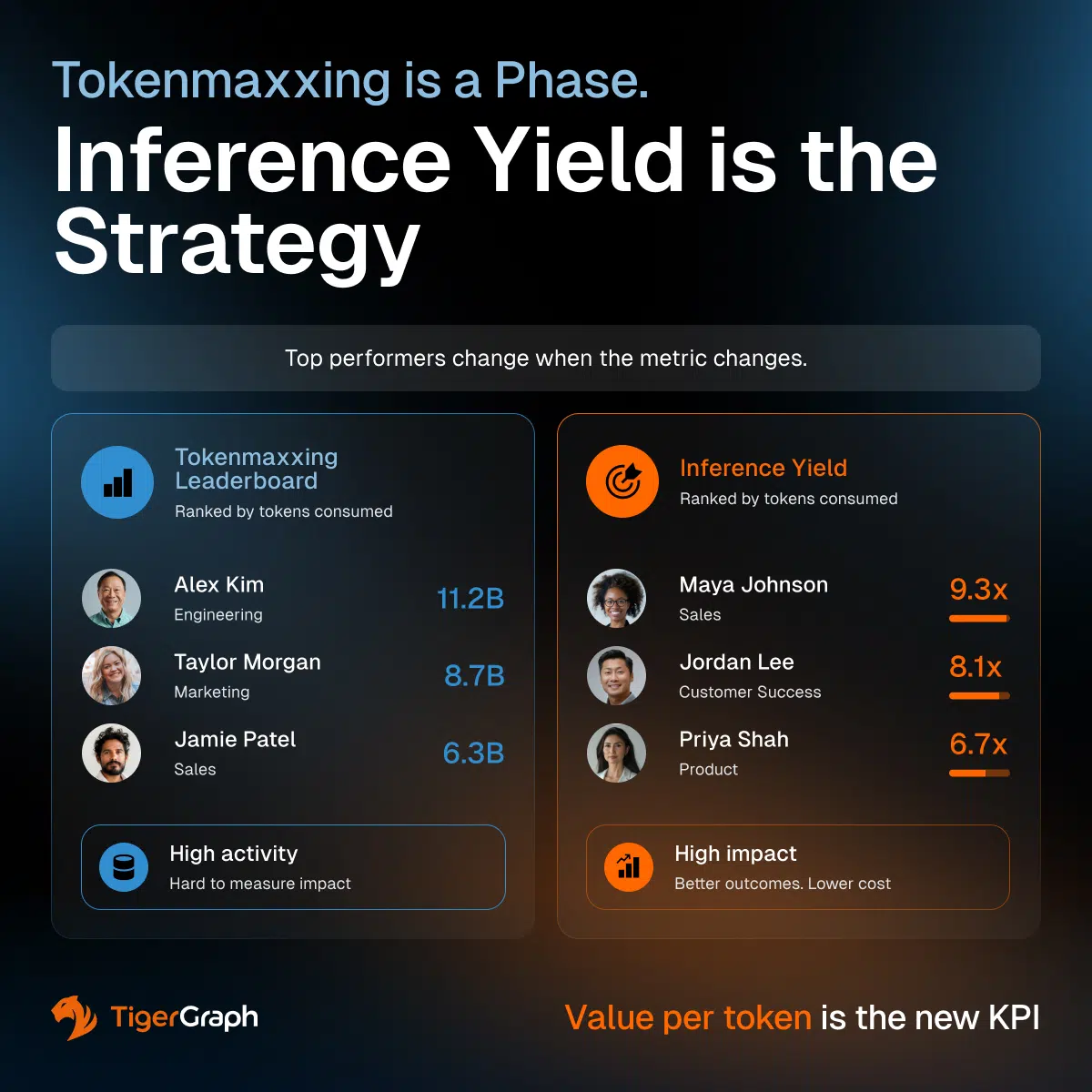
    Tokenmaxxing is a Phase. Inference Yield is the Strategy.

    Why the Next AI Race Won’t Be Won by the Companies That Burn the Most Tokens A new behavior is emerging inside enterprise AI. Companies are ranking employees based on how many AI tokens they consume: leaderboards, incentives, even internal competition. It may sound extreme. It’s not.

    Discover
    AdvancedArticleApr 13, 2026

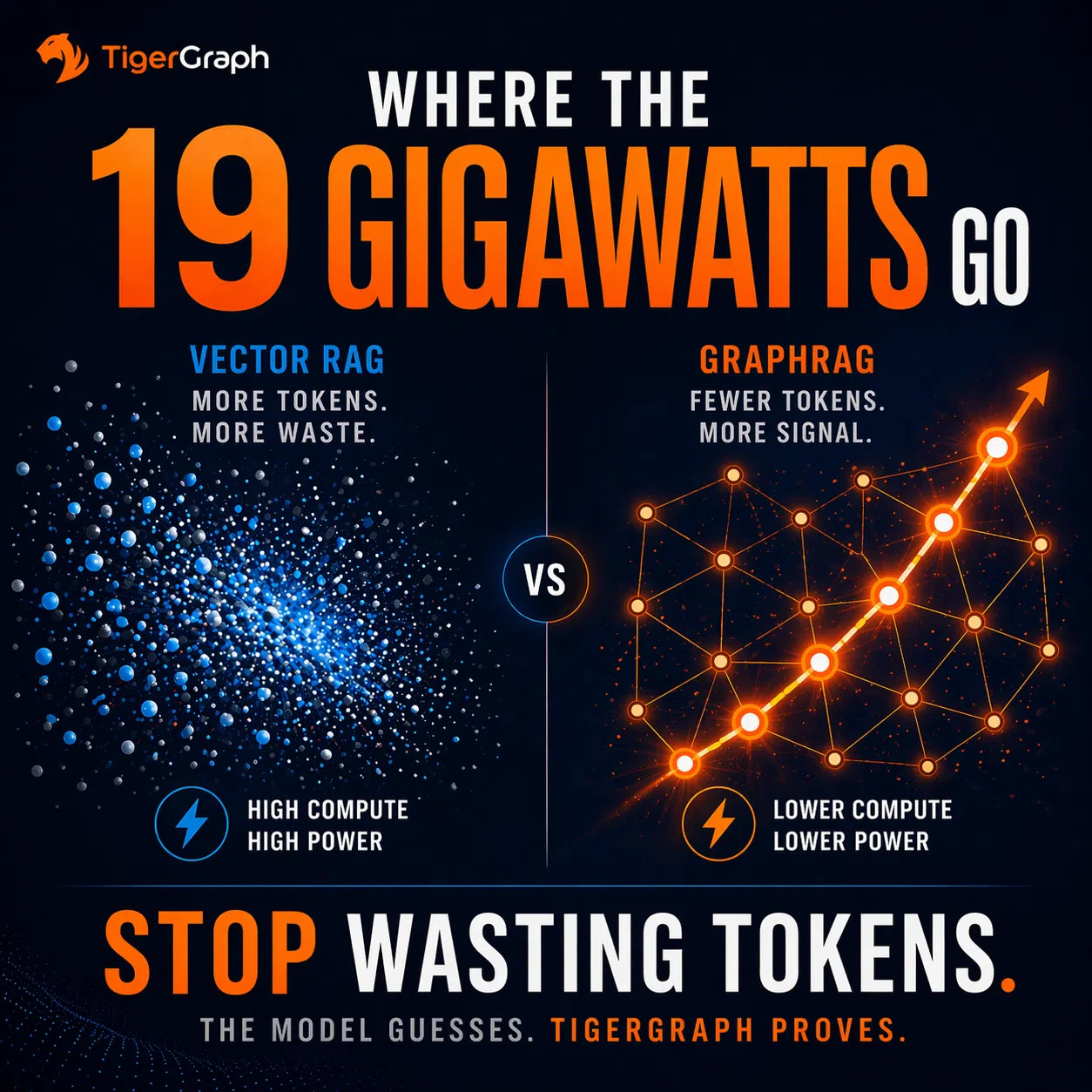
    AI Is Facing a 19-Gigawatt Power Gap. Here’s the Fix.

    The AI revolution has officially hit a physical wall. As the Wall Street Journal reports “ AI Is Using So Much Energy That Computing Firepower Is Running Out”companies are already rationing compute, facing outages, and making real-time product tradeoffs as demand for tokens and GPUs

    Discover
    ArticleApr 10, 2026

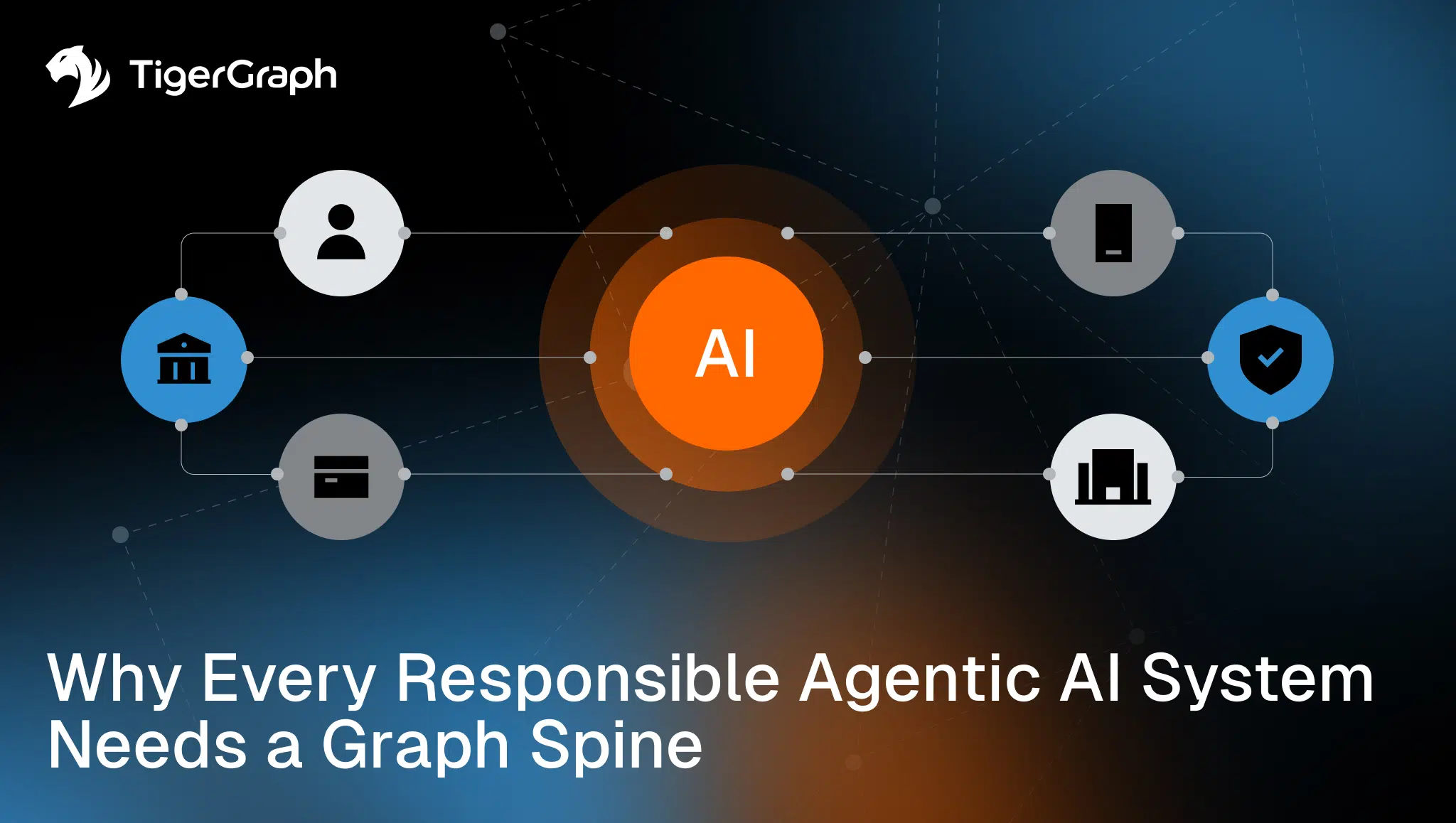
    Why Every Responsible Agentic AI System Needs a Graph Spine

    Autonomous systems are being asked to do more than generate answers. They are being asked to take action. When an AI system approves a payment, flags a customer, routes a case, or blocks a transaction, that action must be grounded in context. It must be

    Discover
    ArticleApr 10, 2026

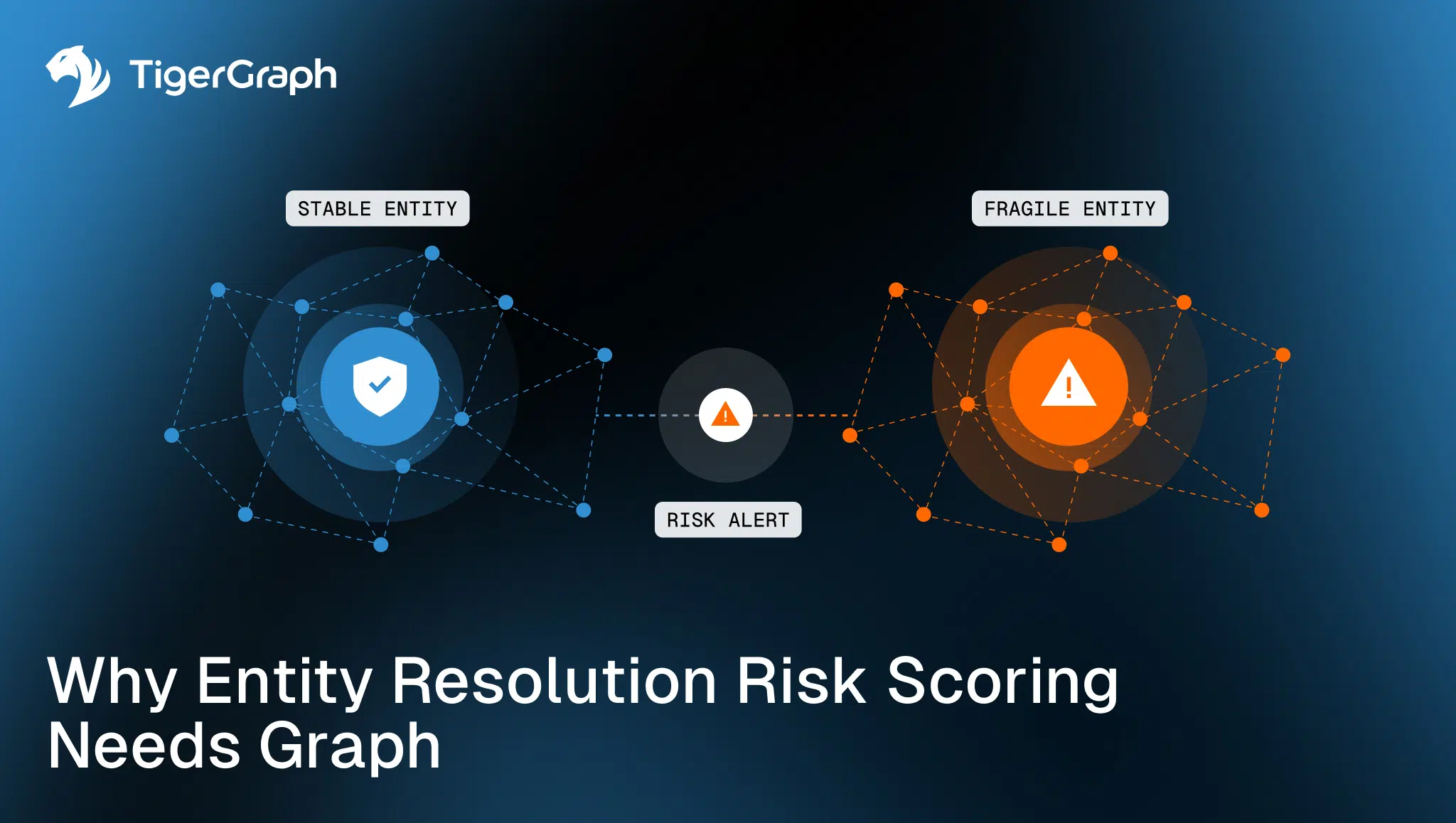
    Why Entity Resolution Risk Scoring Needs Graph

    Entity resolution decisions shape risk, compliance and customer experience long before a case is ever reviewed. Yet many programs treat resolution outcomes as binary. Records are linked or they are not. Entities are resolved or unresolved. That assumption creates blind exposure. Some resolved entities are structurally stable and

    Discover
    ArticleApr 10, 2026

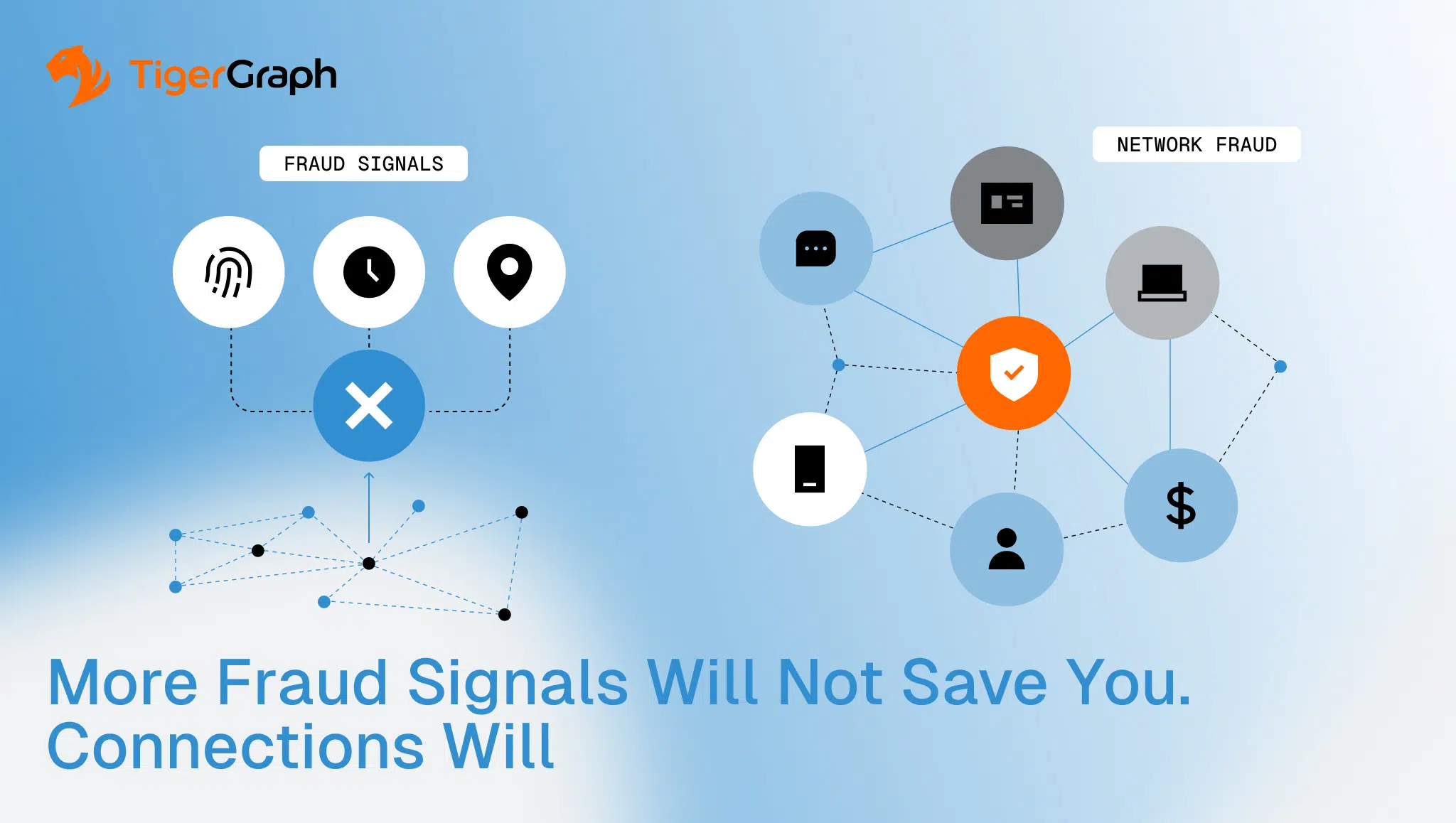
    More Fraud Signals Will Not Save You. Connections Will.

    Fraud teams today can collect hundreds of behavioral and technical signals during a single verification session. Ten years ago, the challenge was signal scarcity. Teams wished they had more visibility. That is no longer the problem. The problem today is signal saturation. Modern fraud systems are

    Discover
    ArticleApr 10, 2026

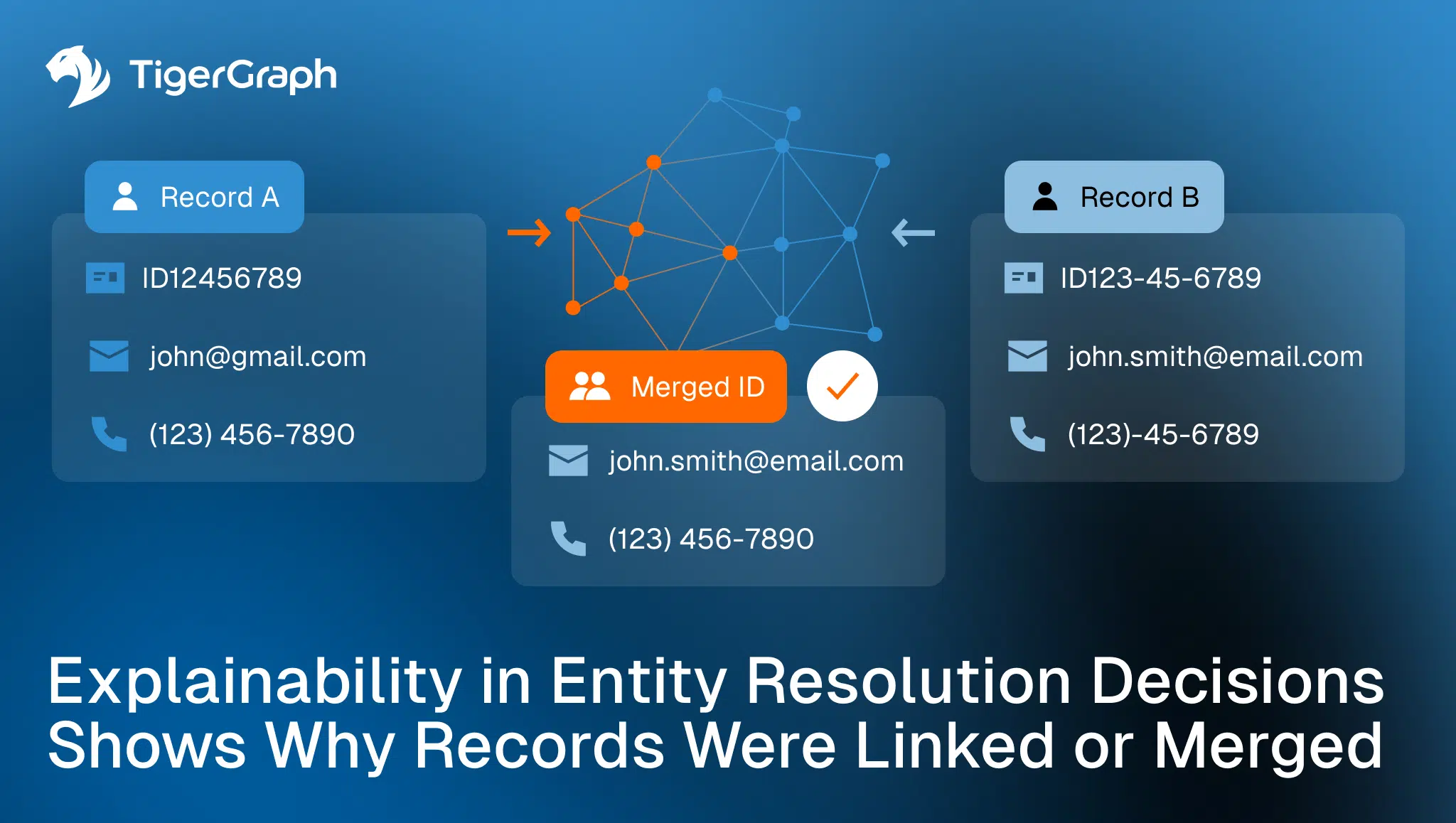
    Explainability in Entity Resolution Decisions Shows Why Records Were Linked or Merged

    Entity resolution decisions shape everything that follows. Alerts, investigations, risk scores, suppressions, and escalations all depend on whether records were linked, merged or kept separate. Yet in many programs, the reasoning behind those decisions is difficult to retrieve after the fact. When reviewers,

    Discover
    BeginnerArticleApr 10, 2026

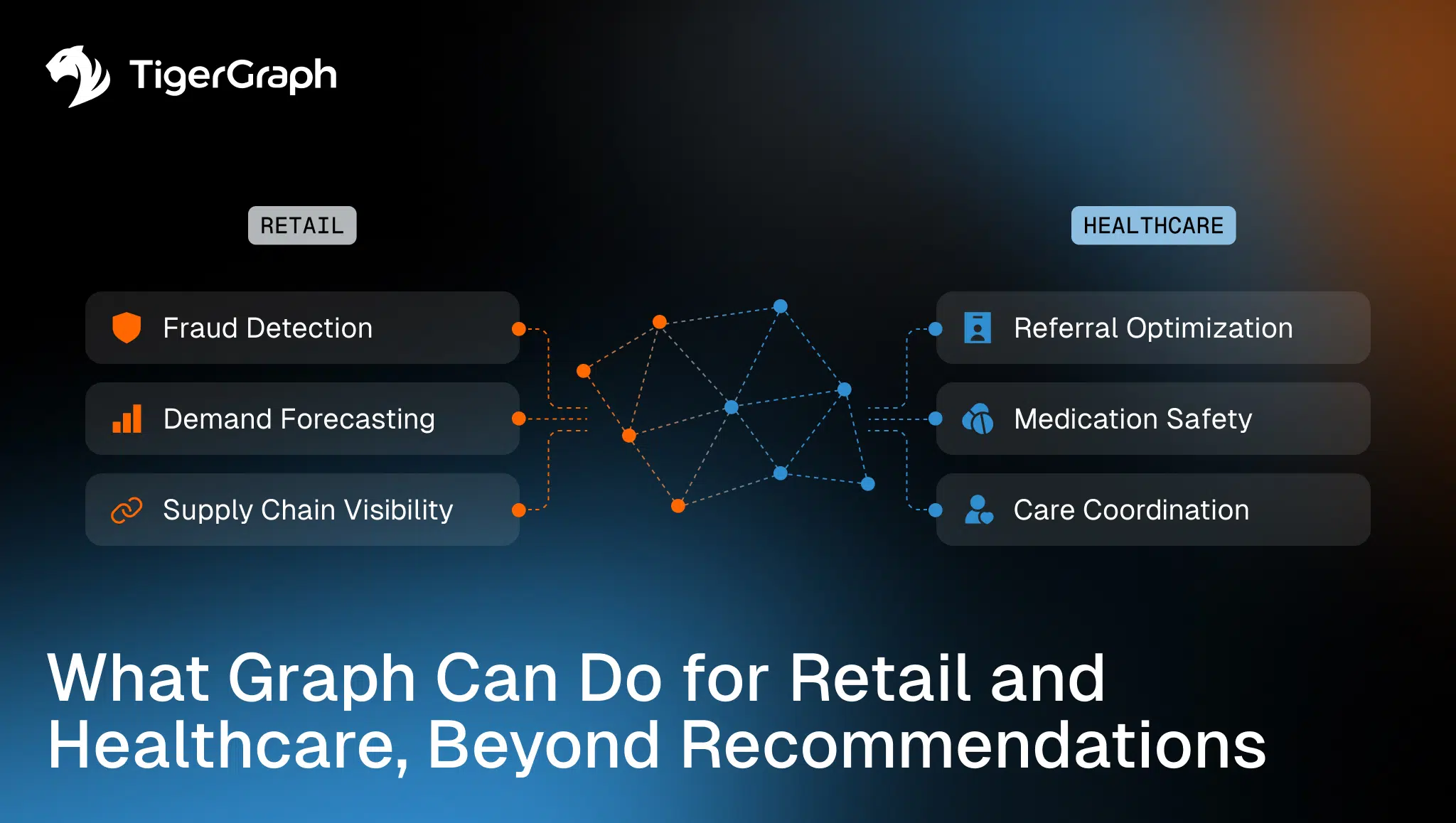
    What Graph can do for Retail and Healthcare, Beyond Recommendations

    Most organizations believe they understand their customers or patients. They have dashboards, reports and metrics trending in the right direction. What they often do not have is a clear view of how everything connects. Retailers see transactions. Healthcare systems see visits. Executives see totals, averages,

    Discover
    ArticleApr 10, 2026

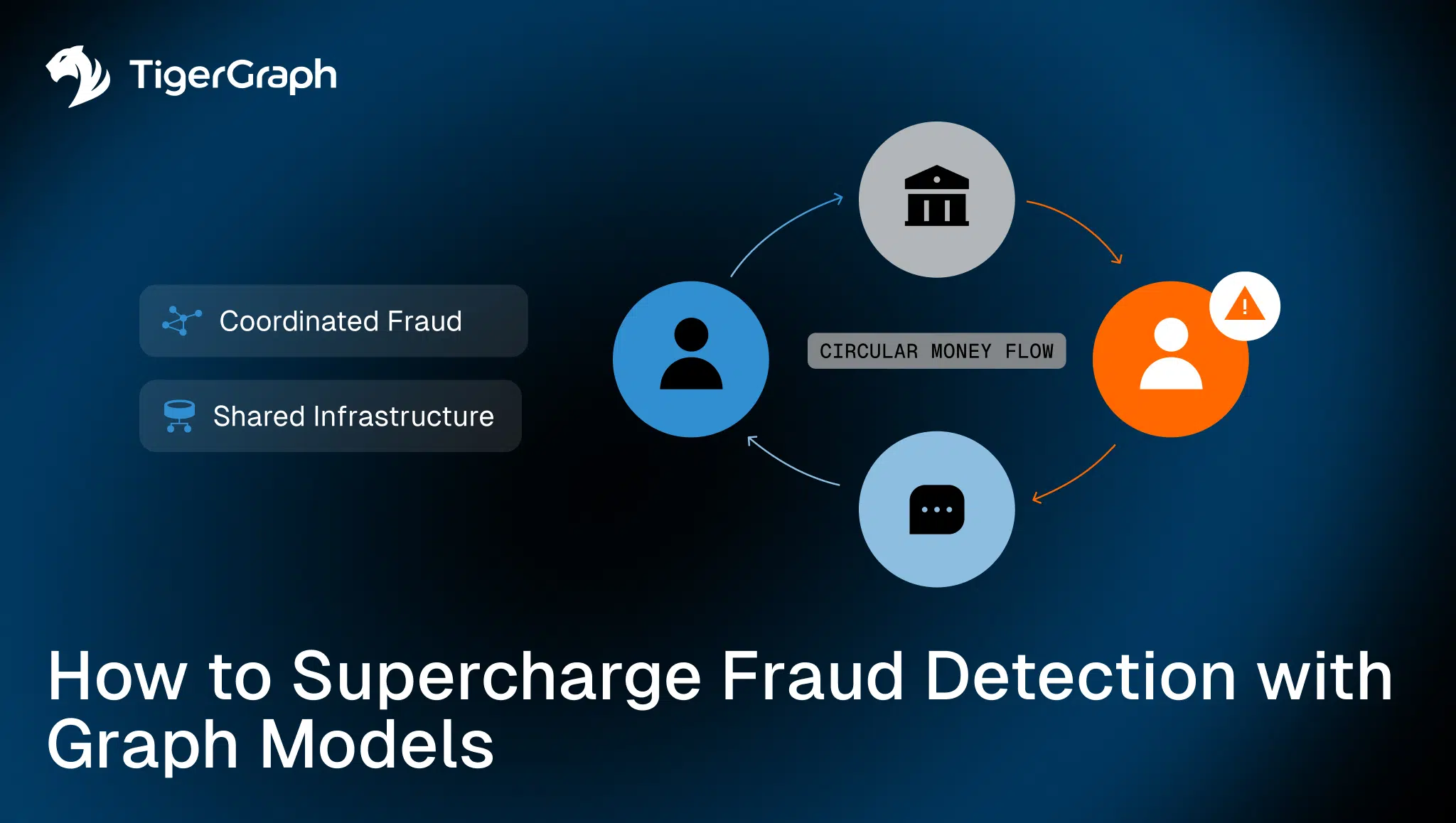
    How to Supercharge Fraud Detection with Graph Models

    Fraud is a network problem. It rarely appears as one obviously suspicious transaction. More often, it unfolds over time as a sequence of actions across multiple accounts, devices, and payment instruments. Funds move in loops, within accounts that share infrastructure. Money is layered through intermediaries and the

    Discover
    1…567…26