
TigerGraph
ResourcesPathfinderDiscord(opens in a new tab)
Resources

Everything, In One Wall

Videos, courses, hands-on tutorials, docs, and blog posts. One place for every phase of learning.

TigerGraph
ResourcesPathfinderDiscord(opens in a new tab)

© 2026 Tiger Graph Dev Hub. All rights reserved.

  • Privacy Policy|
  • Terms of Service

Applied · 2

Clear all
  • #Performance and scale
  • #Recommendations

Levels

  • All Resources
  • Beginner
  • Intermediate
  • Advanced

Categories

  • Videos514
  • Docs644
  • Glossary50
  • Blog posts222

Assets

  • Definition36
  • Tutorial113
  • How-to guide319
  • Reference312

Tags

  • #Fraud and AML
  • #Entity resolution
  • #Recommendations
  • #GraphRAG and AI
  • #Graph machine learning
  • #Search
  • #Network analysis
  • #Performance and scale
  • #Running TigerGraph
  • #Evaluating graph

183 resources · page 2 of 16

NewestOldest
3 Col Grid2 Col GridList
BeginnerArticleJun 23, 2026

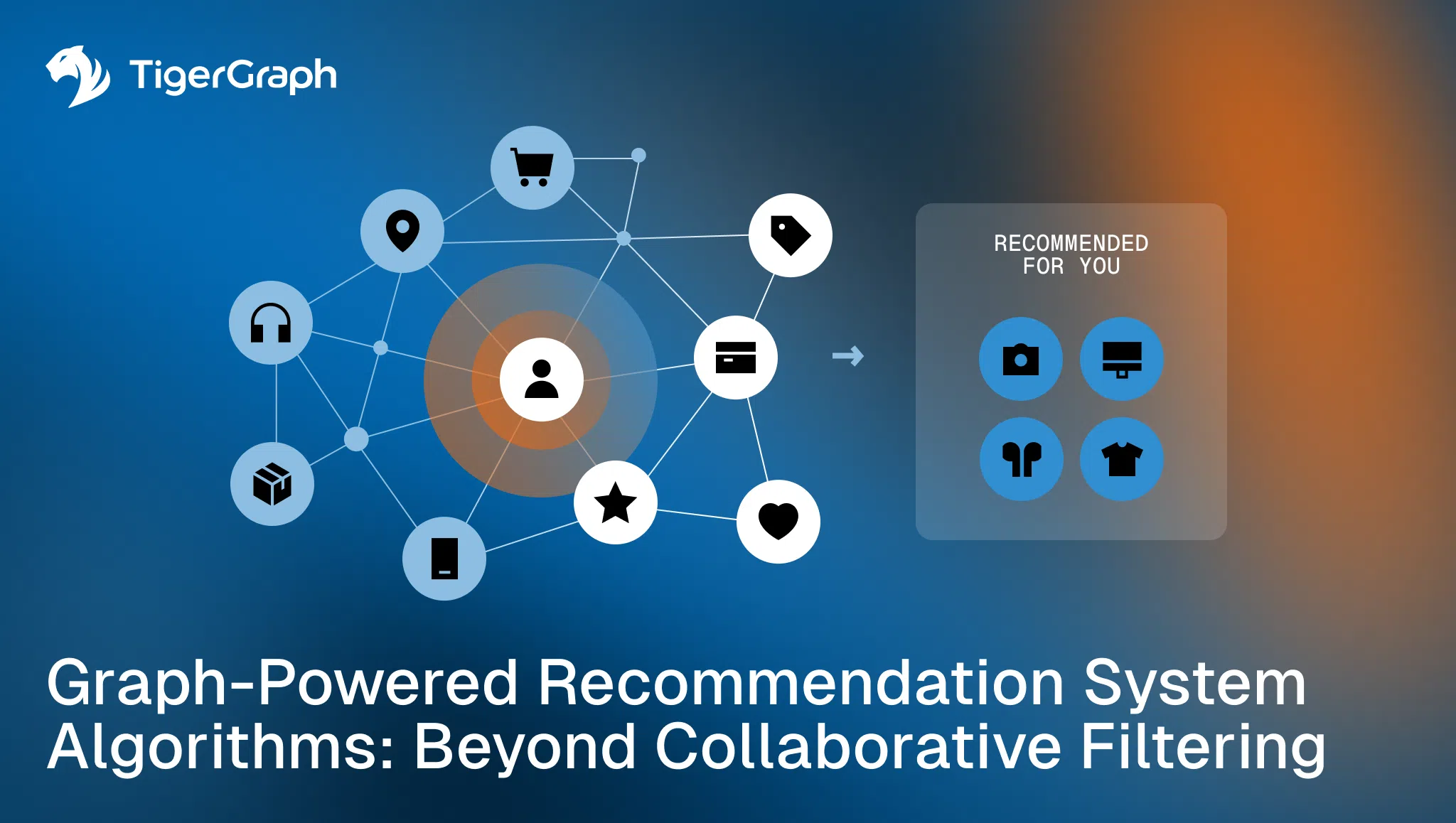
Graph-Powered Recommendation System Algorithms: Beyond Collaborative Filtering

Code & samples
126
  • Graph Resources52
  • Concept
    109
  • Troubleshooting12
  • Security advisory4
  • Runbook
  • Article173
  • Case study26
  • Talk298
  • Release note24
  • Demo114
  • Webinar12
  • Event12
  • Report24
  • Learn how graph databases power recommendation system algorithms using multi-hop relationships, real-time context, and Customer 360 data.
    Discover
    ArticleJun 23, 2026

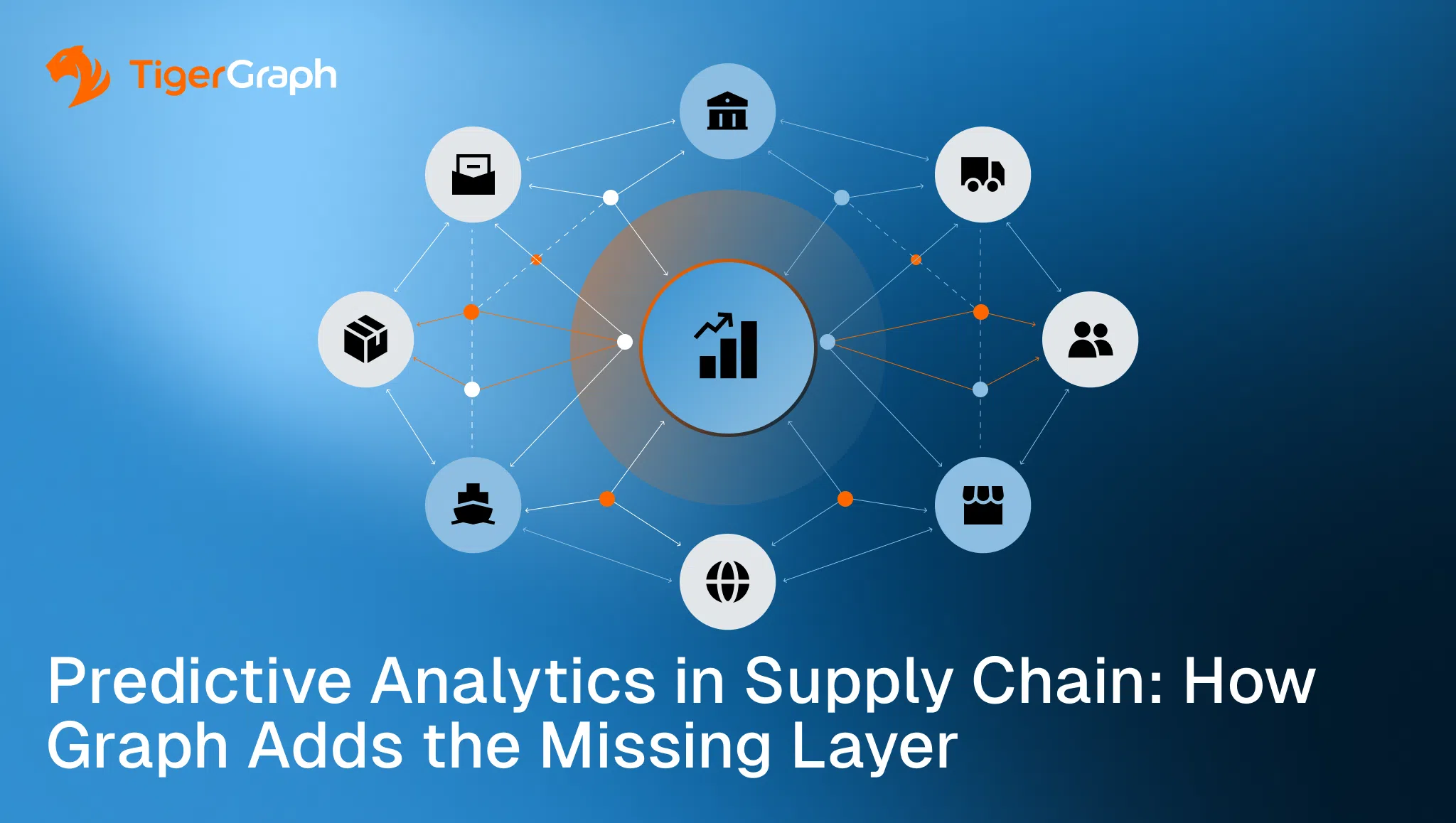
    Predictive Analytics in Supply Chain: How Graph Adds the Missing Layer

    Learn how graph databases add the missing layer to supply chain predictive analytics: multi-tier risk, cascade modeling, and AI-enriched forecasting at scale.

    Discover
    BeginnerArticleJun 8, 2026

    Graph vs Vector Databases: Why Enterprise AI Needs Both Similarity and Context

    Vector databases find what’s similar. Graph databases understand why it’s connected. Discover which your enterprise AI actually needs, and why powerful systems use both.

    Discover
    BeginnerArticleJun 8, 2026

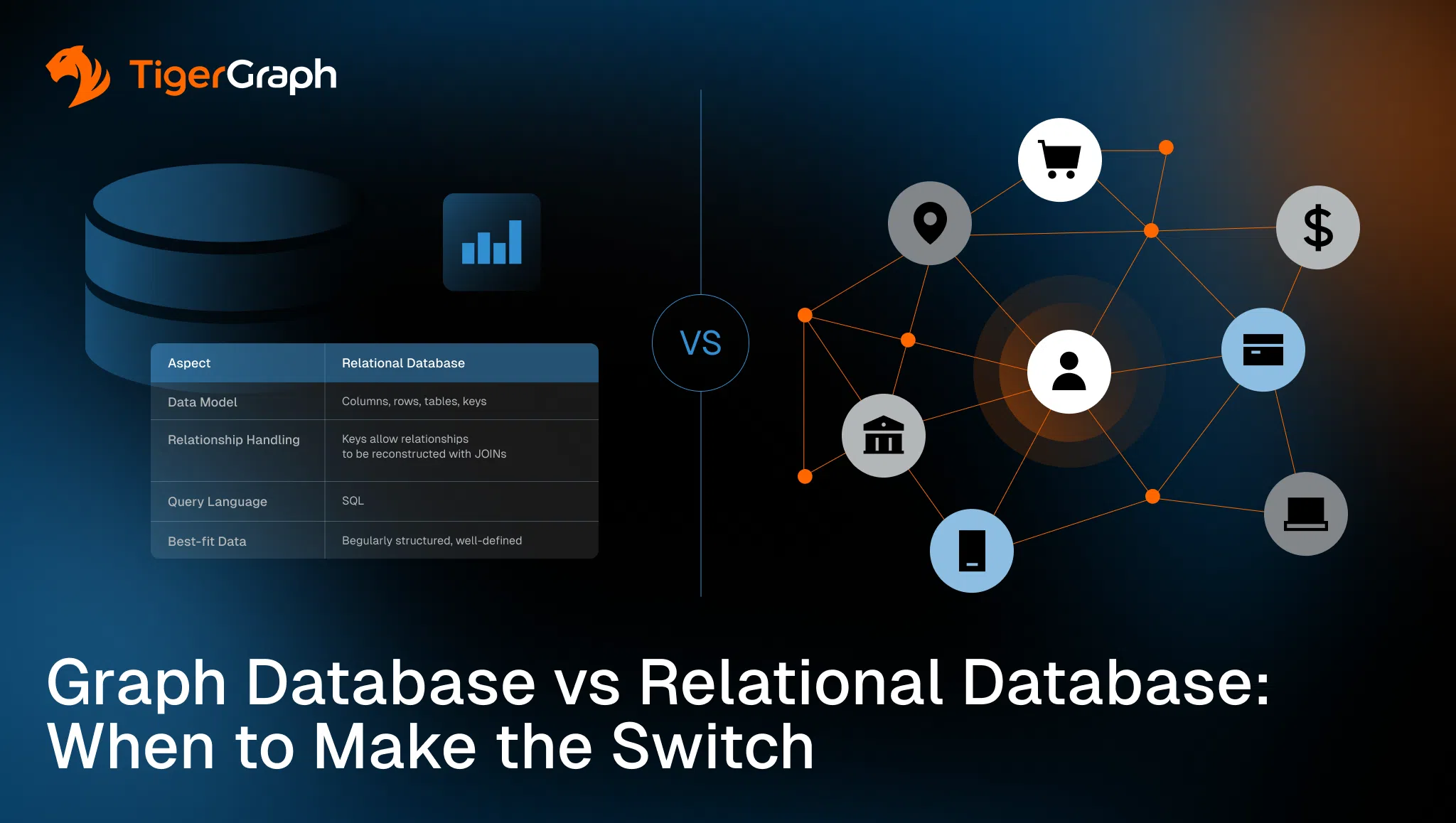
    Graph Database vs Relational Database: When to Make the Switch

    Still relying on SQL for everything? Learn the key differences between graph and relational databases, when to switch, and 7 signs your data model has outgrown SQL.

    Discover
    AdvancedArticleApr 18, 2026

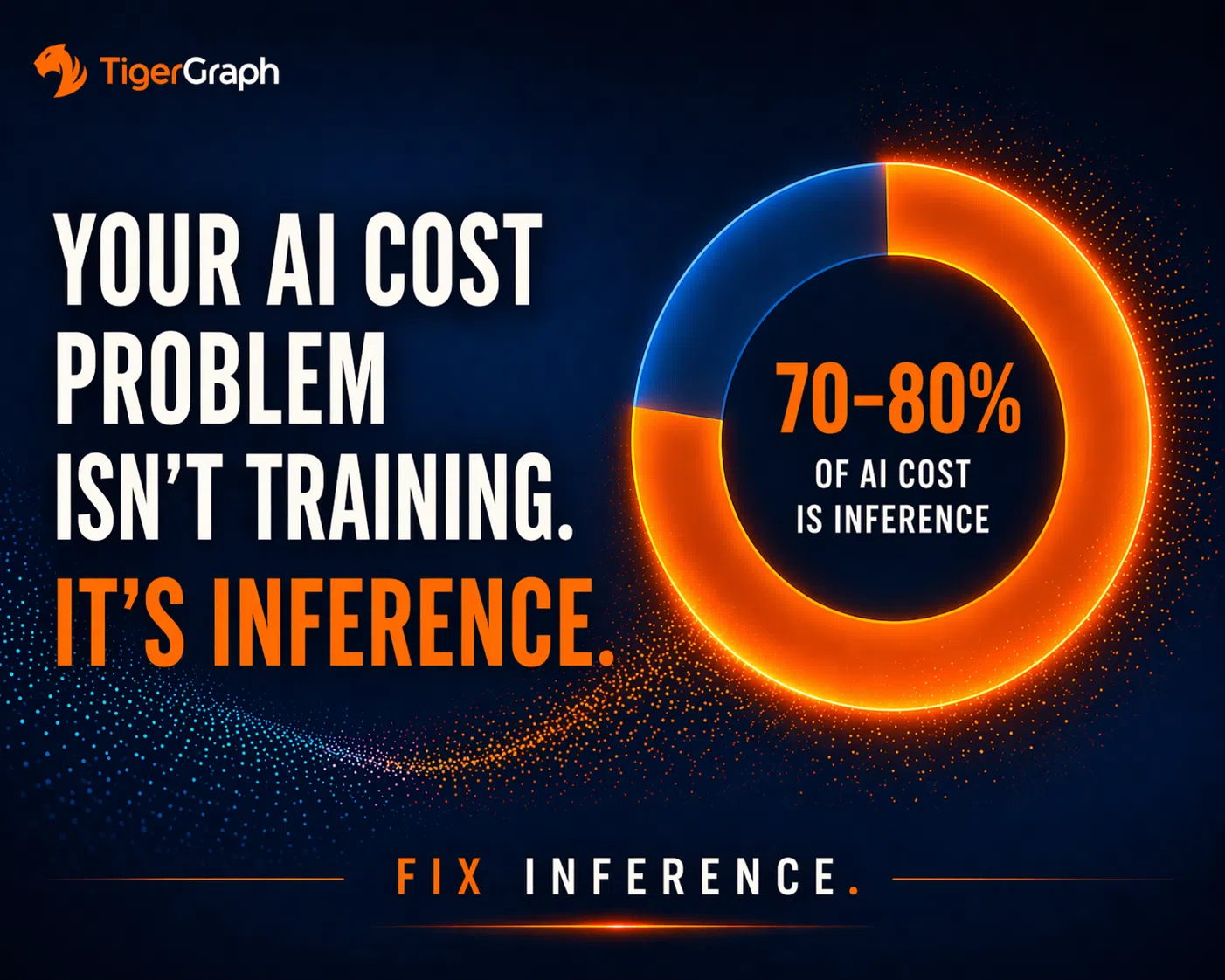
    Your AI Cost Problem Isn’t Training. It’s Inference.

    Training gets the headlines because it is visible, expensive, and easy to measure. It is where GPUs are purchased, clusters are built, and model benchmarks are set. But once a model is deployed, training largely disappears from the day-to-day reality of an enterprise system. Inference does not.

    Discover
    ArticleApr 16, 2026

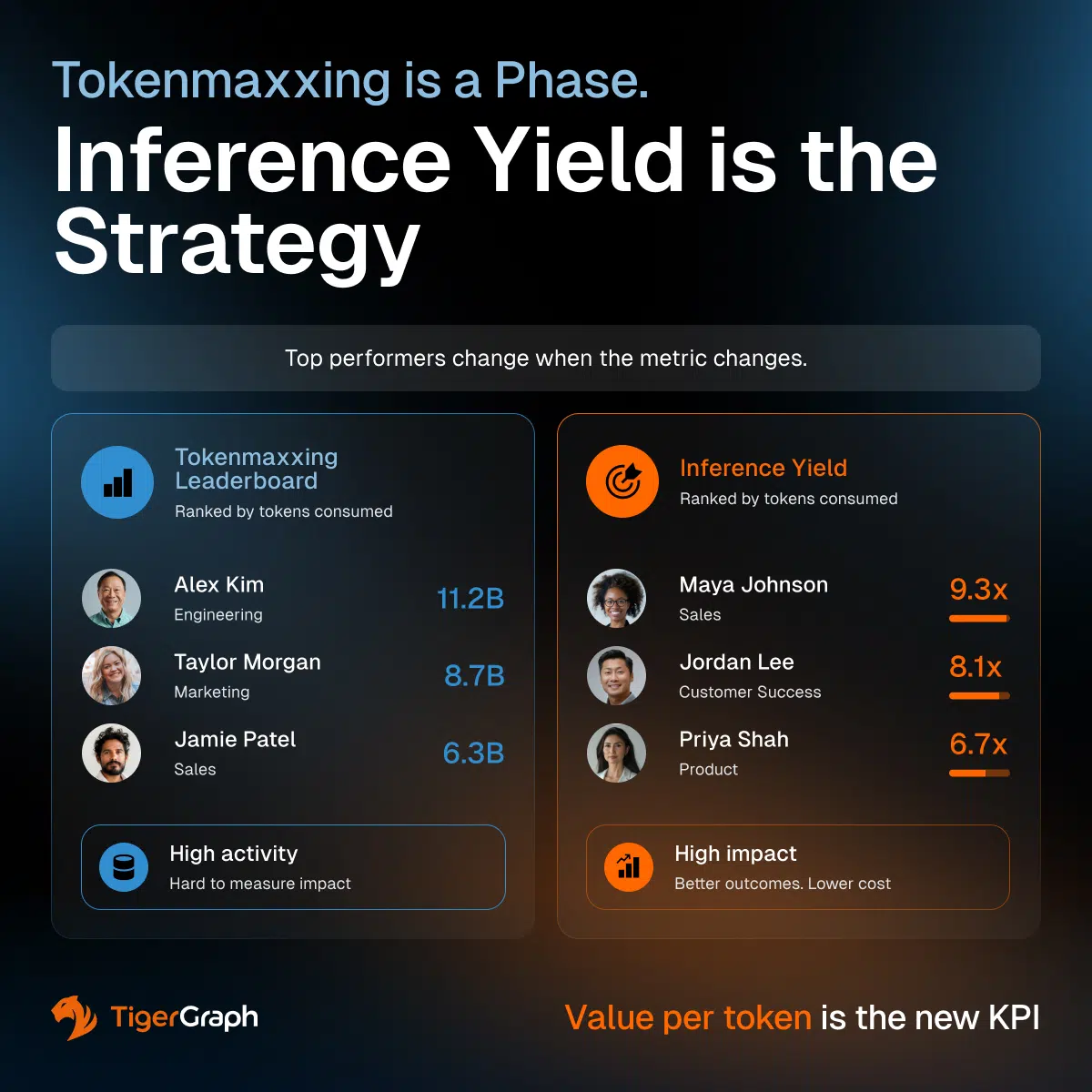
    Tokenmaxxing is a Phase. Inference Yield is the Strategy.

    Why the Next AI Race Won’t Be Won by the Companies That Burn the Most Tokens A new behavior is emerging inside enterprise AI. Companies are ranking employees based on how many AI tokens they consume: leaderboards, incentives, even internal competition. It may sound extreme. It’s not.

    Discover
    AdvancedArticleApr 13, 2026

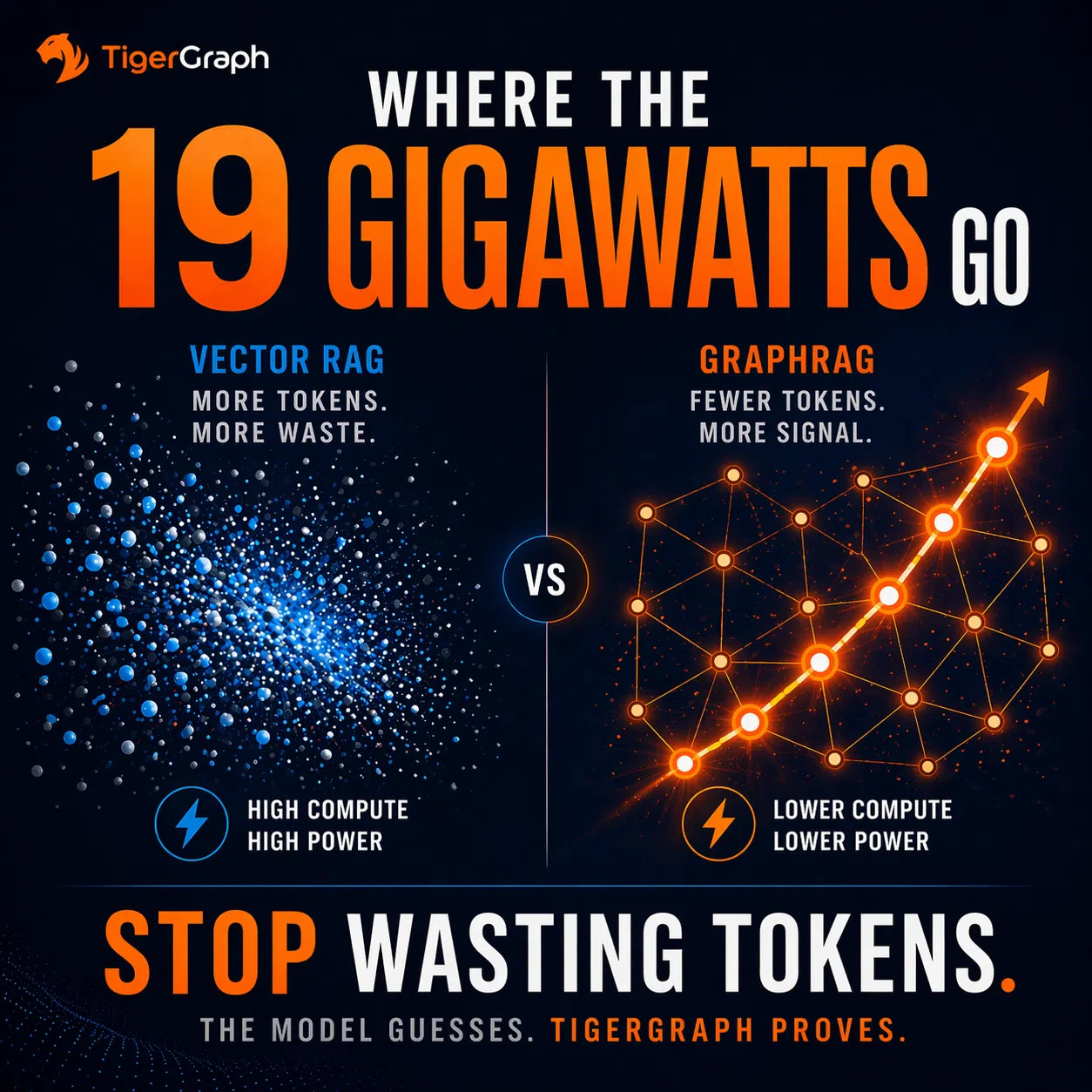
    AI Is Facing a 19-Gigawatt Power Gap. Here’s the Fix.

    The AI revolution has officially hit a physical wall. As the Wall Street Journal reports “ AI Is Using So Much Energy That Computing Firepower Is Running Out”companies are already rationing compute, facing outages, and making real-time product tradeoffs as demand for tokens and GPUs

    Discover
    Definition
    DefinitionApr 10, 2026

    Recommendation System

    A recommendation system is a data-driven framework that identifies and ranks items based on predicted relevance to a user, entity, or context. When someone asks what a recommendation system or recommendation engine is, they are asking how platforms decide what to offer first. These systems analyze behavioral data (such as

    Discover
    Concept
    BeginnerConceptApr 10, 2026

    Propagation in Graphs

    Propagation in graphs refers to the process of spreading status information, entity descriptions, computed values, or other data across connected entities within a network. In a graph, data is represented using nodes and edges. Nodes represent entities such as people, accounts, devices, or products. Edges represent the relationships connecting those

    Discover
    BeginnerArticleApr 10, 2026

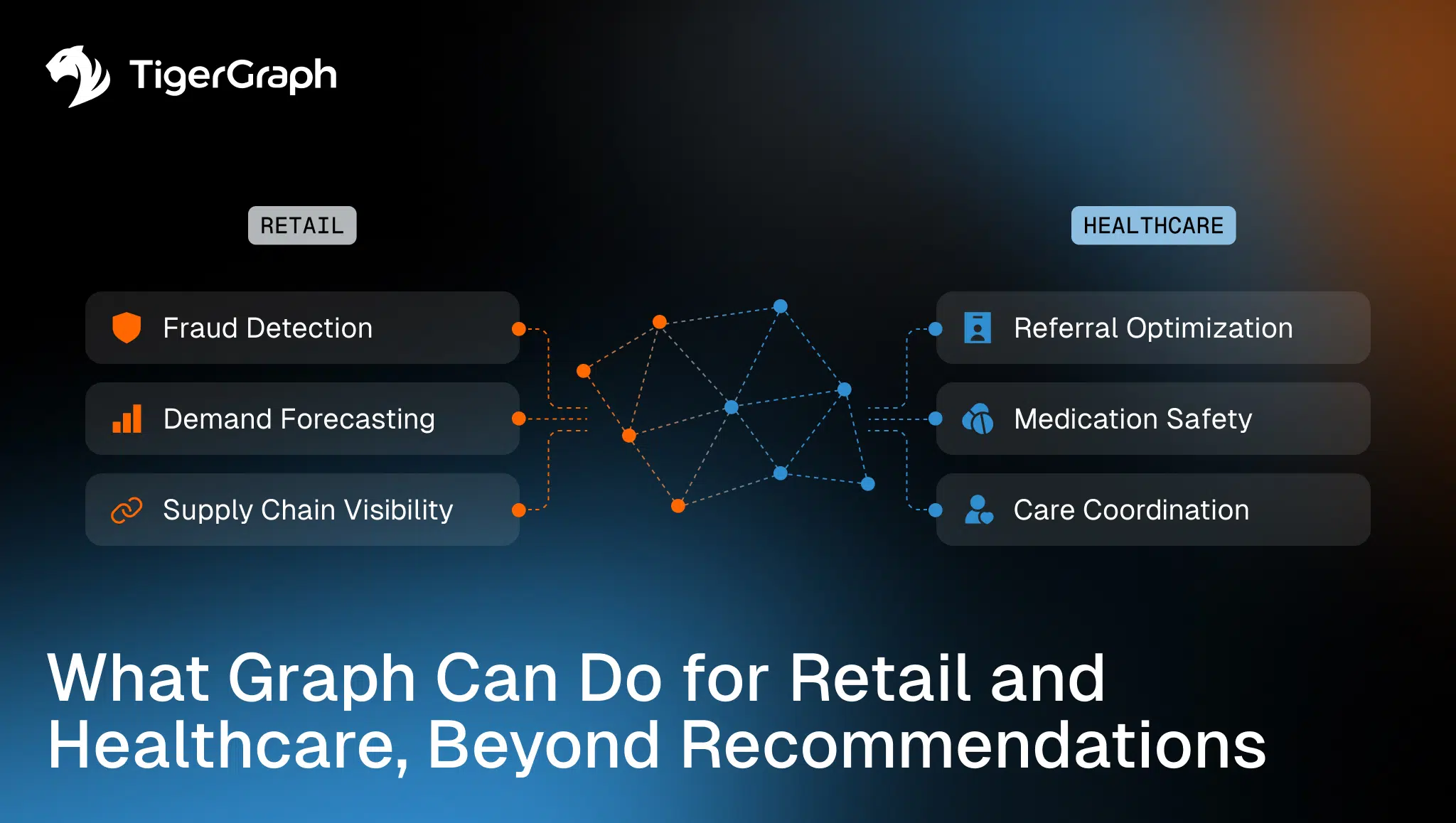
    What Graph can do for Retail and Healthcare, Beyond Recommendations

    Most organizations believe they understand their customers or patients. They have dashboards, reports and metrics trending in the right direction. What they often do not have is a clear view of how everything connects. Retailers see transactions. Healthcare systems see visits. Executives see totals, averages,

    Discover
    Definition
    DefinitionApr 6, 2026

    Vector Search

    Vector search is a way of finding information based on similarity instead of exact matches. Traditional search systems look for the same words you typed. Vector search looks for items that are similar in meaning or behavior, even if they do not use the same words or phrases. It works by

    Discover
    Definition
    BeginnerDefinitionFeb 23, 2026

    Knowledge Graph

    A knowledge graph is a structured representation of entities and relationships that embodies context. It models real-world things such as people, accounts, devices, events, policies, products, and concepts as entities. It then captures how those entities connect so teams and systems interpret relationships consistently and appropriately across data sources. Teams

    Discover
    1234…16