Large Retailer Strengthens Marketplace Seller Risk Detection with TigerGraph

The Challenge
Walmart’s Seller Risk team needed to detect risky, fraudulent, or compromised marketplace sellers faster. Bad actors often looked normal in isolation, with risk only visible through shared devices, emails, IPs, sessions, and other attributes.
The Solution
TigerGraph connected sellers, devices, emails, IPs, sessions, and other attributes into a relationship network, enabling Walmart to identify hidden seller links, known bad-actor connections, account takeover signals, and risk patterns.
The Results
The large retailer move toward a graph-powered Seller Risk platform that detects risk through relationships, improves onboarding decisions, identifies compromised accounts earlier, and scales seller risk detection as the marketplace grows.
The Challenge
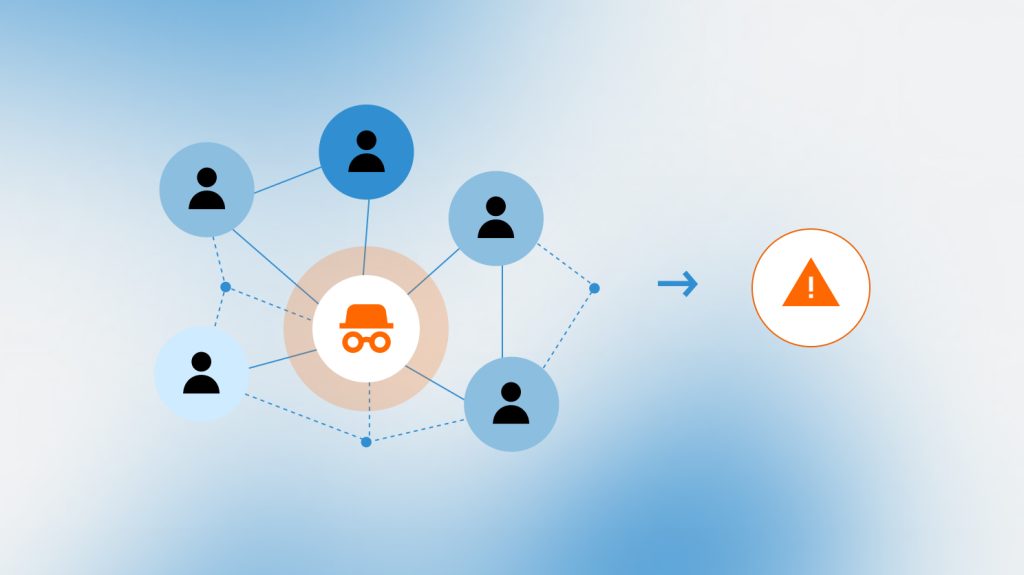
The large retailer Seller Risk team is focused on detecting risky, fraudulent, or compromised marketplace sellers faster and more proactively. The team needs to understand whether a seller is connected to known bad sellers, suspicious devices, shared emails, IP addresses, sessions, phone numbers, addresses, or other risky attributes. The business goal is to identify risky sellers before they can cause marketplace harm, rather than only reacting after fraud has already happened. In practical terms, Walmart is trying to answer whether a seller is connected to something suspicious and whether that risk can be detected quickly enough to take action.
The Solution
TigerGraph helped the large retailer connect sellers, devices, emails, IPs,
sessions, and other attributes into a relationship network. Instead of
checking each seller as a standalone record, Walmart could see the seller’s
surrounding network and identify hidden risk patterns.
The graph helped analyze seller linkages through shared attributes such
as email IDs, device IDs, IP addresses, sessions, and other identifiers. This
allowed the large retailer to identify sellers that may look normal individually
but become suspicious because of their relationship to known bad sellers or
risky signals.
TigerGraph also helped frame near-real-time screening through Kafka or
upserts, evaluate account takeover detection using device, IP, email, session,
and login-count relationships, and optimize queries by filtering noisy high-
degree signals such as proxy IPs.
sessions, and other attributes into a relationship network. Instead of
checking each seller as a standalone record, Walmart could see the seller’s
surrounding network and identify hidden risk patterns.
The graph helped analyze seller linkages through shared attributes such
as email IDs, device IDs, IP addresses, sessions, and other identifiers. This
allowed the large retailer to identify sellers that may look normal individually
but become suspicious because of their relationship to known bad sellers or
risky signals.
TigerGraph also helped frame near-real-time screening through Kafka or
upserts, evaluate account takeover detection using device, IP, email, session,
and login-count relationships, and optimize queries by filtering noisy high-
degree signals such as proxy IPs.
The Results
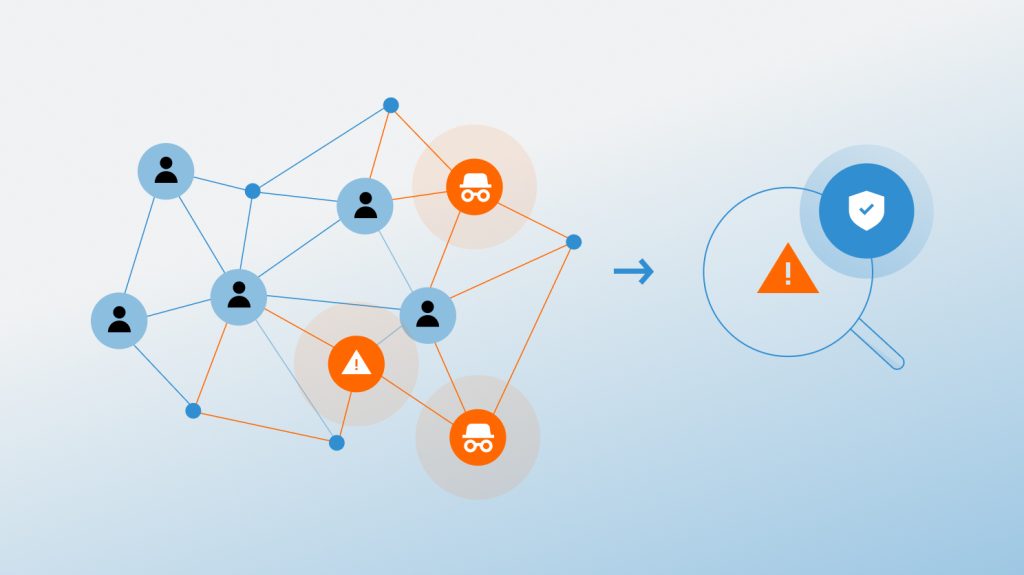
TigerGraph helped the large retailer move toward a graph-powered Seller
Risk platform that detects risky sellers through relationships, not just
individual attributes. The solution helps identify hidden seller connections,
links to known bad actors, account takeover signals, and onboarding risk.
The platform gives the large retailer a stronger foundation to answer
who a seller is connected to, what suspicious signals surround them, and
whether they should be trusted. This supports faster seller risk decisions
across onboarding and future account lifecycle events.
Risk platform that detects risky sellers through relationships, not just
individual attributes. The solution helps identify hidden seller connections,
links to known bad actors, account takeover signals, and onboarding risk.
The platform gives the large retailer a stronger foundation to answer
who a seller is connected to, what suspicious signals surround them, and
whether they should be trusted. This supports faster seller risk decisions
across onboarding and future account lifecycle events.


Ready to Harness the Power of Connected Data?
Start your journey with TigerGraph today!