Wealth Management Firm Strengthens AML Detection with TigerGraph Relationship Analytics
The Challenge
Wealth management and brokerage firms struggled to detect AML risk hidden across customers, accounts, counterparties, trades, geographies, watchlists, shared identifiers, and transaction sequences. Traditional monitoring reviewed isolated transactions and missed relationship-driven patterns.
The Solution
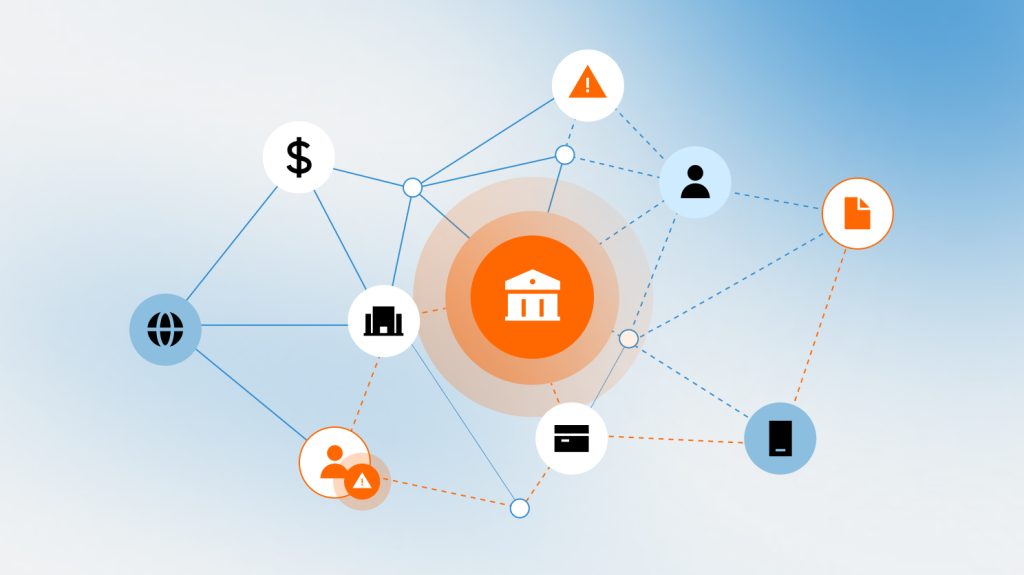
TigerGraph connected customers, accounts, transactions, counterparties, entities, trades, ownership data, household relationships, tax IDs, addresses, watchlists, and behavioral profiles to detect suspicious activity through graph traversal and pattern analysis.
The Results
Improved AML detection, investigator visibility, and alert explainability by surfacing connected patterns, hidden relationships, risky counterparties, abnormal funds movement, suspicious trade behavior, and high- priority networks in context.
The Challenge
The institution needed to detect AML, sanctions, and reputational risk across complex wealth management and brokerage activity. Customers could transact with high-risk counterparties, sanctioned entities, risky geographies, or watchlisted parties, while individual transactions appeared normal when reviewed in isolation.
The firm also needed to identify concentrated external funds movement, unrelated-account journaling, hidden customer and entity networks, rapid pass-through behavior, behavioral deviations, movement of funds without trades, wash-trade patterns, near-maturity proceeds extraction, structuring, and round-amount transaction behavior.
The core issue was that AML risk lived across relationships: customers, accounts, counterparties, trades, geographies, watchlists, shared identifiers, tax IDs, addresses, ownership links, timing, and behavioral profiles. Traditional systems could flag individual events but struggled to expose connected risk in context.
The firm also needed to identify concentrated external funds movement, unrelated-account journaling, hidden customer and entity networks, rapid pass-through behavior, behavioral deviations, movement of funds without trades, wash-trade patterns, near-maturity proceeds extraction, structuring, and round-amount transaction behavior.
The core issue was that AML risk lived across relationships: customers, accounts, counterparties, trades, geographies, watchlists, shared identifiers, tax IDs, addresses, ownership links, timing, and behavioral profiles. Traditional systems could flag individual events but struggled to expose connected risk in context.
The Solution
TigerGraph created a connected intelligence layer across customers, accounts, transactions, counterparties, entities, geographies, trades, ownership data, household relationships, tax IDs, addresses, watchlists, and behavioral profiles. This allowed investigators to analyze suspicious activity through relationships rather than isolated alerts.
The graph traversed customer, account, transaction, counterparty, geography, and watchlist relationships to identify high-risk exposure within defined windows. It also built customer-to-external-entity transfer relationships, calculated concentration ratios, classified related and unrelated account journaling, and created connected components from shared identifiers and transaction edges.
TigerGraph also linked credits, debits, account profiles, trades, maturity dates, instrument types, amount bands, and transaction timing to detect pass-through behavior, expected activity deviation, funds movement without corresponding trades, offsetting or wash-trade patterns, near-maturity proceeds extraction, structuring, and repetitive round-amount activity.
The graph traversed customer, account, transaction, counterparty, geography, and watchlist relationships to identify high-risk exposure within defined windows. It also built customer-to-external-entity transfer relationships, calculated concentration ratios, classified related and unrelated account journaling, and created connected components from shared identifiers and transaction edges.
TigerGraph also linked credits, debits, account profiles, trades, maturity dates, instrument types, amount bands, and transaction timing to detect pass-through behavior, expected activity deviation, funds movement without corresponding trades, offsetting or wash-trade patterns, near-maturity proceeds extraction, structuring, and repetitive round-amount activity.
The Results
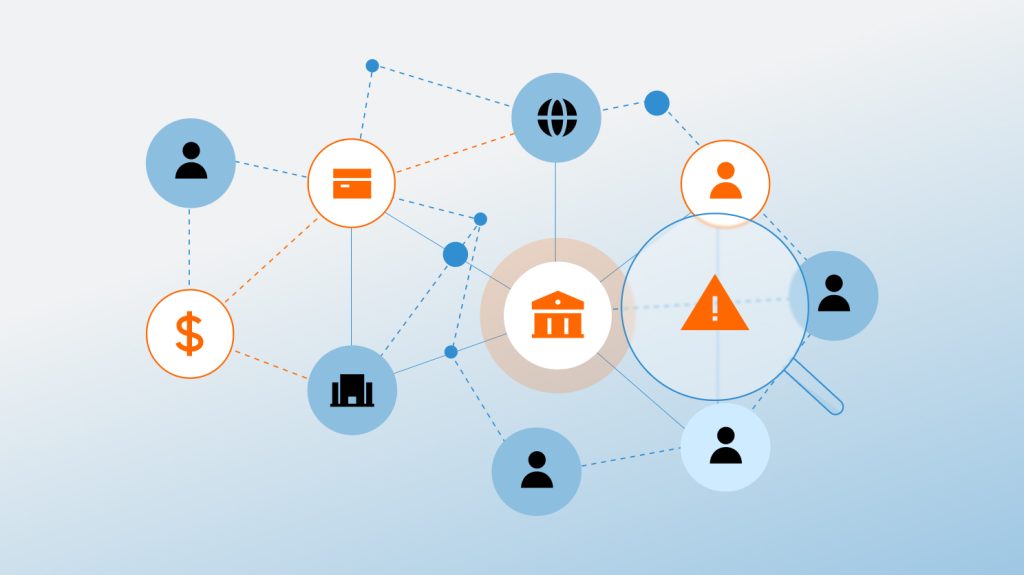
The customer gained stronger AML detection, better investigator visibility, and more explainable alerts. Instead of reviewing isolated transactions, analysts could see connected patterns, hidden relationships, risky counterparties, abnormal funds movement, and suspicious trade behavior in context.
The institution could detect high-risk counterparty exposure, repeated transactions with risky entities, concentrated external funds movement, repeated journals to unrelated accounts, hidden networks, hub entities, low dwell-time funds movement, activity inconsistent with customer profiles, and cross-channel behavioral changes.
TigerGraph also enabled detection of deposit-and-withdrawal patterns without trades, repeated opposite-side same-security trades, near-maturity acquisitions followed by rapid proceeds extraction, aggregated micro-structuring behavior, and repetitive round-dollar transaction patterns.
The institution could detect high-risk counterparty exposure, repeated transactions with risky entities, concentrated external funds movement, repeated journals to unrelated accounts, hidden networks, hub entities, low dwell-time funds movement, activity inconsistent with customer profiles, and cross-channel behavioral changes.
TigerGraph also enabled detection of deposit-and-withdrawal patterns without trades, repeated opposite-side same-security trades, near-maturity acquisitions followed by rapid proceeds extraction, aggregated micro-structuring behavior, and repetitive round-dollar transaction patterns.


Ready to Harness the Power of Connected Data?
Start your journey with TigerGraph today!