From Compliance to Competitive Moat: Takeaways from Fintech Meetup 2026
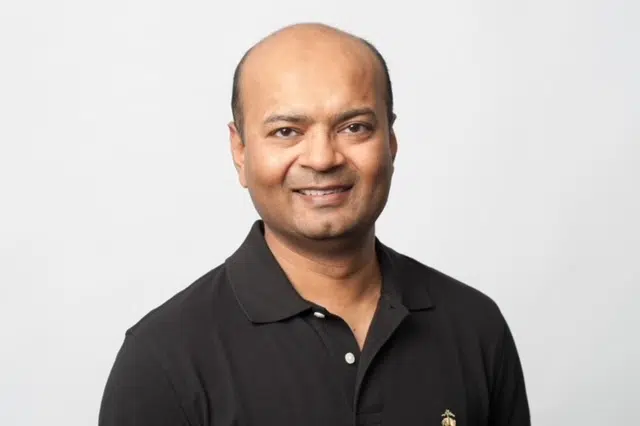
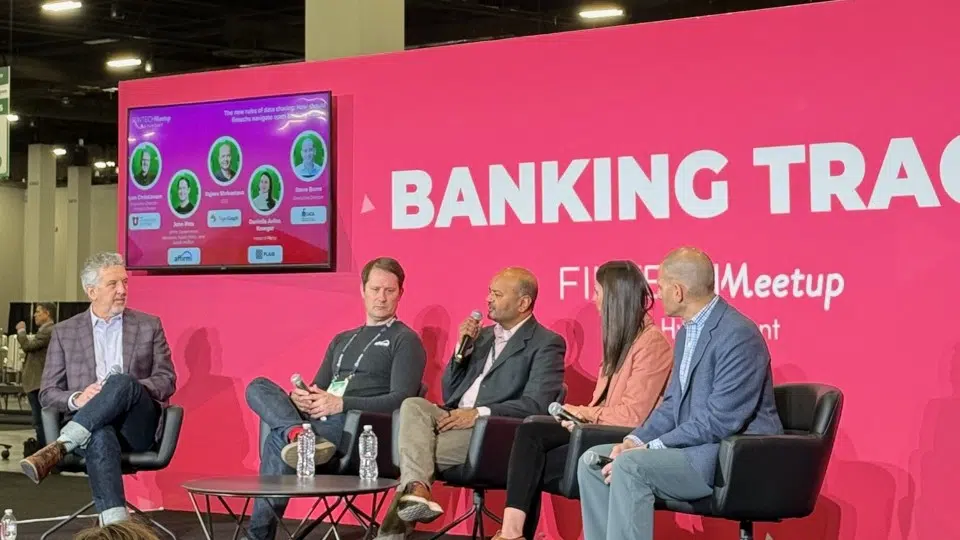
Last week at Fintech Meetup 2026 in Las Vegas, the atmosphere was a clear signal: the “experimental” phase of open banking is over. Rajeev had the privilege of joining the panel, “The new rules of data sharing: how should fintechs navigate open banking today?” alongside joined Steve Boms Executive Director – FDATA North America, Danielle Aviles Krueger, Head of Policy Plaid, @John Pitts, VP Public Policy at Affirm and moderated by Ryan Christiansen Executive Director, University of Utah Fintech Center had a very candid discussion on where things stand.
The room was laser-focused on a single challenge: fulfilling CFPB Rule 1033 mandates while turning compliance into a strategic advantage. Here are Rajeev’s takeaways and the responses I shared regarding how TigerGraph is helping institutions navigate this new landscape.
1. Navigating the Regulatory “Shifting Sands”
In an environment where rules evolve weekly, the biggest mistake is “hard-coded” compliance. If you build a rigid system to satisfy today’s specific paragraph, you will be tearing it down by next year.
- Build for Logic, Not Rules: Use a flexible graph schema that allows you to add new regulatory attributes without rebuilding your entire data pipeline.
- Proactive Governance: Don’t wait for the audit. Implement AI governance that provides “explainability” by default. If you can’t show why a model flagged a transaction, you’re already behind the regulatory curve.
2. The 2026 Fee Battleground: Trust as a Commercial Asset
As “free” data sharing ends, TigerGraph acts as the Trust Engine that turns a compliance headache into a commercial asset. We discussed viewing open banking as a security filter rather than a hole:
- For Banks (The Fraud Shield): Link APIs with internal ledgers to spot multi-hop fraud rings and synthetic identities in real-time.
- For Fintechs (Signal over Noise): Verified data connections replace brittle “screen scraping,” leading to cleaner, faster KYC.
- For Consumers (Permissioned Protection): Users gain a secure ecosystem where their identity is harder to steal, justifying the shift toward fee-based models.
3. Solving the Liability Stalemate with “Provable Accountability”
TigerGraph transforms liability from a “he-said, she-said” negotiation into a data science certainty:
- Digital DNA: An immutable map of every data exchange allows multi-hop graph traversal to pinpoint failure points in milliseconds.
- Pre-emptive Risk Gates: Link identity (KYC) with real-time behavior (KYT) to flag bot-driven API calls at the gateway before a leak occurs.
- The “Shared Truth” Layer: Both parties see the same forensic evidence trail, slashing dispute resolution time and legal discovery costs.
The Bottom Line
When you treat data as a network rather than a series of isolated silos, compliance stops being a hurdle and starts becoming a competitive advantage.
The winners of Fintech Meetup 2026 will be the firms that keep their architecture modular. If a new regulation drops tomorrow, you want to be the firm that just updates a query—not the one that has to re-map its entire universe.
Is your data architecture a rigid wall or a flexible map? Let’s discuss how TigerGraph can help you navigate the next wave of open finance.